Welding Rod Plasticizer
CN → USProduct Images
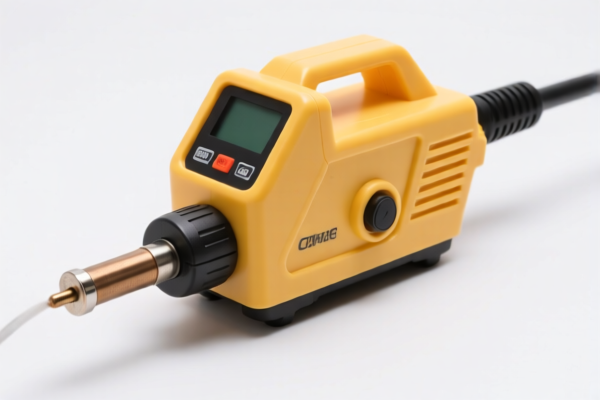
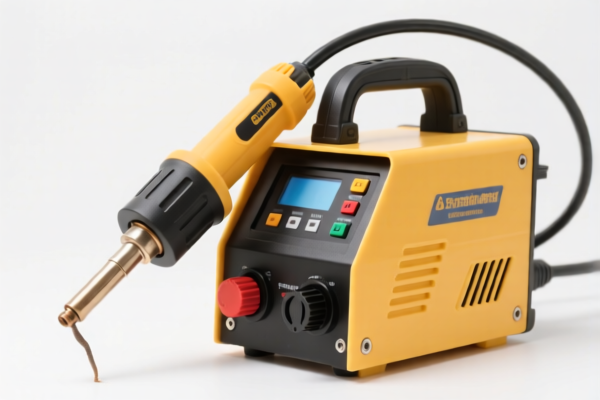


AI Analysis
🏭 Welding Rods & Plasticizers (Industrial Adhesives & Additives)
🌐 HS Code Reference & Clearance Guide | 2026 Latest Tariff Full Analysis | Professional Clearance Strategy
📌 1. Product Definition & Classification: Do You Know the Difference?
The user input "Welding Rod Plasticizer" combines two distinct industrial concepts. To ensure accurate customs classification, we must distinguish between the welding consumables themselves and chemical plasticizers (often used in adhesives or polymers, which may be confused with welding rod coatings or sold as additives in industrial bonding contexts).
1. Welding Rods (Consumables):
Electrodes or filler metals used in arc welding processes (e.g., SMAW, GMAW). They are typically made of steel, stainless steel, aluminum, or other metals, often coated with flux.
2. Plasticizers (Chemicals):
Substances added to plastics, adhesives, or coatings to increase flexibility, volume, and workability. In industrial contexts, "welding rods" made of plastic (e.g., PVC or PE welding rods for plastic fabrication) are sometimes called "plastic welding rods." If the user means plastic welding rods (used to weld plastic materials), they fall under different HS codes than metal welding rods.
⚠️ Key Distinction Point:
- If Metal Welding Rods (for steel/iron): Classified under Chapter 84 (Machinery) or Chapter 73/76/79 (Metals) depending on composition.
- If Plastic Welding Rods (for welding plastic sheets/pipes): Classified under Chapter 39 (Plastics) as prepared articles of plastics.
- If Plasticizers (Chemical Additives): Classified under Chapter 38 (Miscellaneous Chemical Products).
Given the ambiguous term "Welding Rod Plasticizer," the most common trade interpretation is either:
A) Plastic Welding Rods (for welding plastics like PVC, PP, PE).
B) Plasticizer Chemicals (used in manufacturing, sometimes mistakenly called "welding rod plasticizer" if used in adhesive formulations for welding-like bonds).
We will cover the most likely scenario: Plastic Welding Rods (Chapter 39) and Metal Welding Electrodes (Chapter 84/73), as "Plasticizer" as a standalone chemical is less likely to be called a "welding rod."
📦 2. HS Code Classification Details (2026 Latest Tariff Authority Comparison)
| HS Code | Product Description | Application Scenario | Material Type |
|---|---|---|---|
3916.20.00.00 |
Monofilament >= 1mm, of Polyvinyl Chloride (PVC) | Plastic Welding Rods for PVC pipes/sheets | ✅ Plastic (PVC) |
3916.90.00.00 |
Monofilament >= 1mm, of Other Plastics (PE, PP, ABS, etc.) | Plastic Welding Rods for PE/PP/ABS welding | ✅ Plastic (Other) |
8415.90.00.00 |
Parts of Air Conditioning Machines | Excluded | ❌ Not Applicable |
7616.99.10.00 |
Other articles of Aluminum | Metal Welding Rods (Aluminum) | ✅ Metal (Aluminum) |
7314.40.00.00 |
Welding Wire of Iron/Steel | Metal Welding Electrodes/Wire (Coated/Uncoated) | ✅ Metal (Steel/Iron) |
3824.99.99.99 |
Other Prepared Binders, Adhesives, etc. | Plasticizers (Chemical Additives) | ✅ Chemical |
🔍 Key Reminder:
- Plastic Welding Rods (used to join plastic materials) are NOT considered machinery parts. They are prepared plastics. Use 3916.20 or 3916.90.
- Metal Welding Electrodes are classified under Chapter 73 (Iron/Steel) or Chapter 76 (Aluminum) if uncoated, or 8415.90 if specifically designed as parts (rare). Most standard welding rods are 7314.40 (if wire) or 7616 (if aluminum).
- If the product is a chemical plasticizer (liquid/powder additive), it is 3824.99.
💰 3. 2026 Latest Tariff Rate Details (Including Surcharges & Policy Additions)
✅ Applicable Country: United States (US)
✅ Origin: China (CN)
✅ Effective Date: November 10, 2025 onwards (including subsequent imports)
🎯 1. 3916.20.00.00 – Plastic Welding Rods (PVC)
| Item | Content |
|---|---|
| Base Rate | 0% (ad valorem) |
| USITC Additional Duty | +25% (from USITC Footnote 9903.88.01) |
| IEEPA Additional Duty | +10% (For China/HK products, from Nov 10, 2025) |
| Total Rate | 35% |
| Tax Calculation | CIF Value × 35% |
| De Minimis Exemption Available? | ❌ No (deny_de_minimis) |
| Legal Path | IEEPA:9903.01.25 → IEEPA:9903.01.24 → USITC:3916.20.00.00 → FOOTNOTE:9903.88.01 |
📌 Explanation:
- "Plastic Welding Rods" are classified as prepared plastics.
- Subject to 301 Tariff (25%) and IEEPA Tariff (10%).
- Total 35% is high compared to base 0%.
🎯 2. 3916.90.00.00 – Plastic Welding Rods (Other Plastics: PE, PP, ABS)
| Item | Content |
|---|---|
| Base Rate | 0% |
| USITC Additional Duty | +25% |
| IEEPA Additional Duty | +10% |
| Total Rate | 35% |
| Tax Calculation | CIF × 35% |
| De Minimis Exemption Available? | ❌ No |
| Legal Path | IEEPA:9901.25 → IEEPA:9903.01.24 → USITC:3916.90.00.00 → FOOTNOTE:9903.88.01 |
📌 Note:
- Same rate as PVC welding rods.
- Applies to PE, PP, ABS, Nylon welding rods.
- Common in construction, plumbing, and automotive repair industries.
🎯 3. 7314.40.00.00 – Metal Welding Wire/Electrodes (Steel/Iron)
| Item | Content |
|---|---|
| Base Rate | 2.5% |
| USITC Additional Duty | +25% |
| IEEPA Additional Duty | +10% |
| Total Rate | 37.5% |
| Tax Calculation | CIF × 37.5% |
| De Minimis Exemption Available? | ❌ No |
| Legal Path | IEEPA:9903.01.25 → USITC:7314.40.00.00 |
📌 Note:
- Metal welding rods are subject to higher base rate (2.5%).
- Total 37.5% includes 301 + IEEPA surcharges.
🛠️ 4. Clearance Practical Advice (Practical Pitfall Avoidance Guide)
✅ 1. Required Documentation Checklist (All Are Mandatory)
| Document | Must Provide | Description |
|---|---|---|
| ✅ Product Specification Sheet | ✔️ | Material (PVC/PE/Steel), Diameter, Length, Coating Type |
| ✅ Material Safety Data Sheet (MSDS) | ✔️ | For chemical plasticizers or coated rods |
| ✅ Product Photos (With Label) | ✔️ | Show diameter, packaging, brand, model |
| ✅ Commercial Invoice | ✔️ | Clearly state "Plastic Welding Rods" or "Welding Electrodes" |
| ✅ Packing List | ✔️ | Net/Gross weight, number of rods per bundle |
| ✅ Certificate of Origin (CO) | ✔️ | If from non-China origin, may qualify for lower tariffs |
| ✅ FCC/CE/RoHS (If Applicable) | ✔️ | For electronic components, not usually for rods themselves |
✅ 2. Declaration Tips (Key Mnemonic)
🔥 "Material Defines Code, Plastic vs. Metal, Don't Mix Them, Avoid Penalties!"
| Scenario | Correct Declaration | Wrong Practice |
|---|---|---|
| PVC Welding Rods | 3916.20.00.00 |
Misdeclare as "Steel Rod" → Higher Tariff |
| PE/PP Welding Rods | 3916.90.00.00 |
Misdeclare as "Plasticizer" → Wrong Chapter |
| Steel Welding Electrodes | 7314.40.00.00 |
Misdeclare as "Parts of Machinery" → Delay |
| Chemical Plasticizers | 3824.99.99.99 |
Misdeclare as "Welding Rods" → Wrong Classification |
✅ 3. Special Case Handling
| Situation | Handling Advice |
|---|---|
| OEM Custom Plastic Rods | Provide client order + material proof to avoid "generic" labeling |
| Mixed Packages (Metal + Plastic) | Declare separately! Mixed shipments cause delays |
| Plastic Rods for Medical Use | May require FDA documentation, but tariff code remains 3916 |
| Welding Rods in Kits | If sold with gas/torch, declare as "Kit" only if primary purpose is welding; otherwise, split |
🌍 5. Global Major Market Clearance Comparison (2026 Latest)
| Country/Region | Recommended HS Code | Tariff | Certification Required | Notes |
|---|---|---|---|---|
| 🇺🇸 USA | 3916.20.00.00 / 3916.90.00.00 |
35% (China) | None usually | High tariff due to 301 + IEEPA |
| 🇨🇳 China | 3916.20.00.00 |
5% | None | Low tariff for domestic use |
| 🇪🇺 EU | 3916.20.00.00 |
0% (if CE) | CE | No additional surcharges |
| 🇦🇺 Australia | 3916.20.00.00 |
5% | RCM | Low tariff |
| 🇯🇵 Japan | 3916.20.00.00 |
0% | PSE | No additional surcharges |
📌 Conclusion:
- USA is the only major market with high surcharges (35%) for Chinese-origin plastic welding rods.
- EU, Japan, Australia, China have low or zero tariffs.
- Consider supply chain diversification (e.g., sourcing from Vietnam, Thailand) to avoid IEEPA/301 tariffs.
📌 6. Common Mistakes & Pitfall Guide (Lessons Learned)
❌ Mistake 1: Declaring "Plastic Welding Rods" as "Steel Welding Rods"
👉 Consequence: Wrong HS Code → Audit → Back Taxes + Penalties!
❌ Mistake 2: Calling Chemical Plasticizers "Welding Rods"
👉 Consequence: Wrong Chapter (38 vs 39) → Customs Delay + Rejection!
❌ Mistake 3: Not Specifying Material (PVC vs PE)
👉 Consequence: Customs may assign highest tariff or require additional documentation!
❌ Mistake 4: Combining Metal and Plastic Rods in One Shipment Without Separation
👉 Consequence: Customs may separate charges or delay clearance for inspection!
✅ Correct Practice:
"PVC Welding Rod, 3mm Diameter, 3m Length, For PVC Pipe Welding, Made of Polyvinyl Chloride, HS Code 3916.20.00.00"
🎯 7. Conclusion: Professional Declaration, Save Time, Reduce Costs!
🎯 Remember the Mnemonic:
🔹 "Plastic Welding Rods: 3916, 35% Tax for China!
🔹 Metal Rods: 7314, 37.5% Tax!
🔹 Chemical Plasticizers: 3824, Different Chapter!
🔹 Split Materials, Avoid Fiascos!"
📌 Pro Tip:
If your plastic welding rods are sourced from Vietnam, Thailand, Malaysia, or Indonesia, you may qualify for IEEPA Exemption, reducing tariffs to 0%~5%.
Recommend applying for Advance Ruling before shipment to avoid clearance risks.
📣 Immediate Action:
📞 Contact a Professional Customs Broker + Provide Product Photos + Apply for HS Code Advance Ruling
🚀 Let your welding rods clear customs smoothly, expand your market, and maximize profits!
✨ Professional Clearance Starts with Accurate Classification!
💼 Every Cent of Your Cost Deserves Precise Calculation!
Customer Reviews
About HS Code Classification
The Harmonized System (HS) is an internationally standardized nomenclature developed by the World Customs Organization (WCO) to classify traded products. Over 200 countries use the HS system as the basis for customs tariffs, trade statistics, and import/export regulations.
Each HS code follows a hierarchical structure:
- Chapter (2 digits) — Broad category of goods (e.g., Chapter 84: Machinery and Mechanical Appliances)
- Heading (4 digits) — More specific grouping within the chapter
- Subheading (6 digits) — Internationally standardized breakdown, used by all WCO member countries
- National subdivisions (8-10 digits) — Country-specific extensions for further classification, such as US HTSUS 10-digit codes
Correct HS code classification is essential for smooth customs clearance, accurate duty payment, and compliance with trade regulations. Misclassification can lead to customs delays, overpayment of duties, or penalties.
When importing from CN to US, the applicable tariff rates may include:
- Most-Favored-Nation (MFN) rate — The standard duty rate applied to WTO members
- General rate — Applied to countries without trade agreements
- Trade remedy duties — Additional tariffs such as Section 301 (anti-dumping), Section 232 (national security), or countervailing duties
The information provided on this page is for reference purposes only. For official classification, please consult with your local customs authority or a licensed customs broker.