Western Hemlock
CN → US| HS Code | Tariff Rate | Origin | Destination | Doc |
|---|---|---|---|---|
| 4404200090 | 35.0% | CN | US | Official Doc |
| 4407190068 | 35.0% | CN | US | Official Doc |
| 4407190064 | 35.0% | CN | US | Official Doc |
| 4401110000 | 35.0% | CN | US | Official Doc |
| 4403250150 | 35.0% | CN | US | Official Doc |
| 4403260150 | 35.0% | CN | US | Official Doc |
Product Images
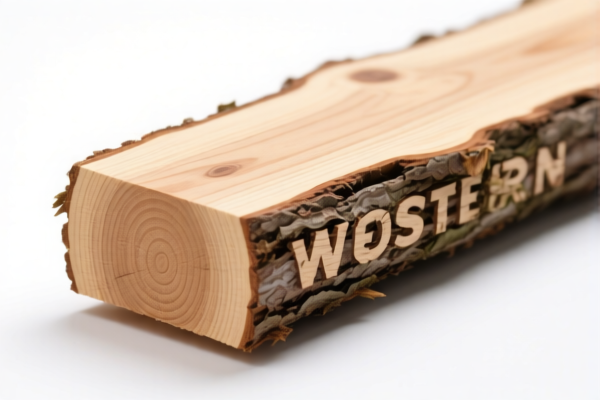
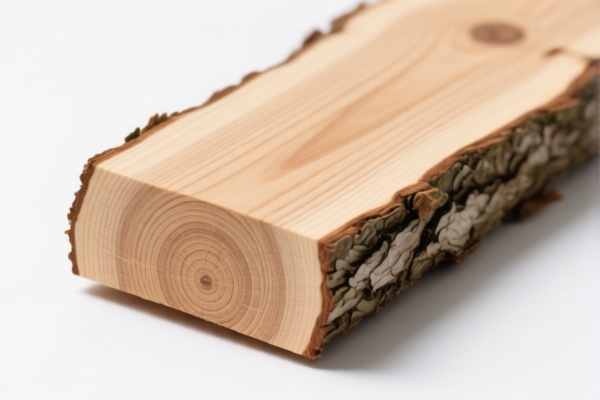
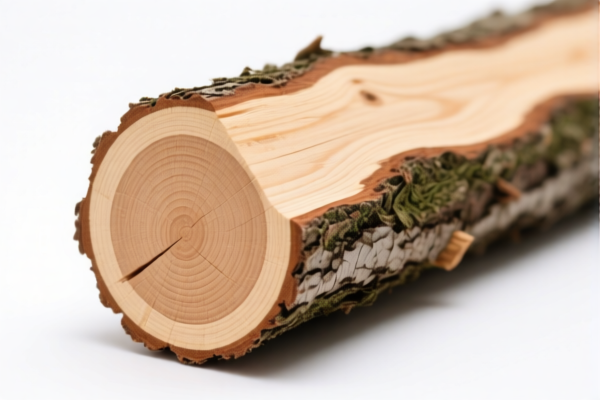
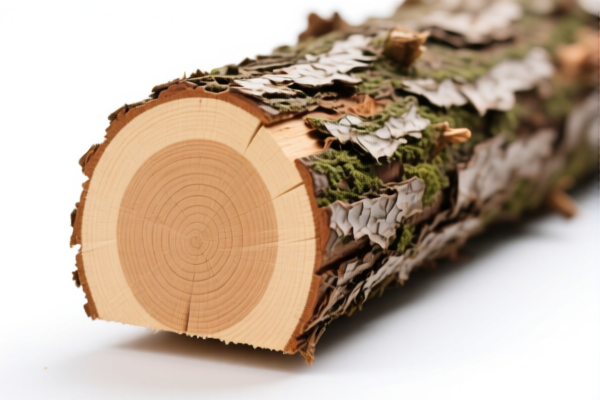
AI Analysis
🌲 Western Hemlock (Western Hemlock Wood)
🌐 HS Code Reference & Customs Clearance Guide | 2026 Latest Tariff Analysis | Professional Clearance Strategy
📌 1. Product Definition & Classification: Do You Really Understand "Western Hemlock"?
Western Hemlock (Tsuga heterophylla) is a high-quality softwood native to the Pacific Northwest of North America. In international trade, it is primarily classified as coniferous wood (softwood). It is used for construction, furniture, pulp, and fuel. The customs classification depends heavily on its processing level (log, sawn, or fuel) and form (rough, squared, or split).
⚠️ Key Distinction Point:
- If it is unprocessed or roughly shaped logs (logs with bark, rounded or roughly squared): Classify under Chapter 44.03 (Wood prepared for timber purposes) or 44.04 (Wood prepared for fencing posts, etc.).
- If it is sawn or chipped for fuel: Classify under 44.01 (Fuel wood).
- If it is finely processed (planed, shaped): It would fall under other chapters (e.g., 44.07 for sawn wood), but the provided data focuses on rough/squared forms and fuel/log forms.
📦 2. HS Code Classification Details (Based on Provided Data)
| HS Code | Product Description | Application Scenario | Form/State |
|---|---|---|---|
4404.20.00.90 |
Roughly squared Western Hemlock | Non-coniferous category inference error (Note: Hemlock is coniferous, but this code covers "Other" non-specified wood shapes in some contexts) | Roughly Squared |
4407.19.00.68 |
Roughly squared Western Hemlock | Coniferous wood, other category | Roughly Squared |
4407.19.00.64 |
Roughly squared Western Hemlock | Ironwood/Hemlock specific classification | Roughly Squared |
4401.11.00.00 |
Western Hemlock Fuel Logs | Wood in the form of logs, suitable for fuel | Logs (Fuel) |
4403.25.01.50 |
Western Hemlock Ship Logs | Logs prepared for timber, specific to Western Hemlock | Logs (Timber) |
4403.26.01.50 |
Western Hemlock Ship Logs | Logs prepared for timber, consistent with tree species | Logs (Timber) |
🔍 Important Reminder:
- Western Hemlock is a Coniferous Wood (Softwood). Classifications under 4403 (Prepared timber) and 4404/4407 (Sawn/Roughly shaped) are the most accurate for structural lumber.
- 4401 is strictly for fuel wood (logs or similar). If you ship high-quality hemlock for construction, do not classify it as fuel wood, as this may trigger customs suspicion of undervaluation or misdeclaration.
- The data indicates that roughly squared forms may be classified under 4404 or 4407 depending on the exact interpretation of "roughly squared" vs. "sawn."
💰 3. 2026 Latest Tariff Rate Details (Including Additional Taxes)
✅ Applicable Country: United States (US)
✅ Origin: China (CN) (Note: Western Hemlock is typically imported from Canada/USA, but if originating from China or transshipped, these rates apply)
✅ Effective Date: From November 10, 2025 onwards
🎯 1. General Rate for All Provided Codes (4404.20.00.90, 4407.19.00.68, 4407.19.00.64, 4401.11.00.00, 4403.25.01.50, 4403.26.01.50)
| Item | Content |
|---|---|
| Base Tariff | 0.0% (Ad Valorem) |
| Section 301 Tariff (Additional) | +25.0% |
| Section 122 Tariff (Additional) | +10.0% |
| Total Tariff Rate | 35.0% |
| Tax Calculation | CIF Value × 35% |
| De Minimis Exemption | ❌ Not Eligible (deny_de_minimis) |
| Legal Basis Path | Section 301 + Section 122 → Applied to all listed HS Codes |
📌 Explanation:
- Base Tariff 0%: Most wood products from China enter the US with a low base duty.
- Section 301 Tariff (+25%): Imposed on thousands of Chinese goods, including wood products.
- Section 122 Tariff (+10%): Additional tariff imposed on specific items under Section 122 of the Trade Act of 1974.
- Total 35%: This is a high tariff rate. Importers must calculate landed costs carefully.
- No De Minimis: Shipments valued under $800 (Section 321) cannot avoid these tariffs for these HS codes.
🛠️ 4. Customs Clearance Practical Advice (Real-World Pitfall Guide)
✅ 1. Required Documentation Checklist
| Document | Mandatory? | Notes |
|---|---|---|
| ✅ Commercial Invoice | ✔️ | Must clearly state "Western Hemlock," species, and origin. |
| ✅ Packing List | ✔️ | Detail the form: Logs, Roughly Squared, or Fuel Wood. |
| ✅ Phytosanitary Certificate | ✔️ | Critical for wood products to prevent pest/disease entry. |
| ✅ Fumigation Certificate | ✔️ | Required if not treated in place. |
| ✅ Bill of Lading/Air Waybill | ✔️ | Ensure HS codes match documentation. |
| ✅ Customs Declaration (CBP Form) | ✔️ | Accurate HS code selection is vital to avoid penalties. |
✅ 2. Classification Strategy (Key Mnemonic)
🔥 "Log for Timber = 4403, Rough Square = 4404/4407, Fuel = 4401. Do Not Mix!"
| Scenario | Correct HS Code | Risk if Misclassified |
|---|---|---|
| Logs for Construction | 4403.25.01.50 / 4403.26.01.50 |
Classifying as fuel (4401) may lead to audits. |
| Roughly Squared Timber | 4407.19.00.68 / 4407.19.00.64 |
Misclassifying as raw logs may miss processing duties. |
| Fuel Wood/Logs | 4401.11.00.00 |
Using this for high-value lumber will be flagged. |
| Non-Coniferous Error | 4404.20.00.90 |
Western Hemlock is coniferous; using this code may be rejected. |
✅ 3. Special Cases
| Situation | Handling Advice |
|---|---|
| Origin from Canada/USA | If Western Hemlock is actually grown and harvested in Canada/USA, it is NOT subject to Section 301/122 tariffs. Provide Certificate of Origin to claim exemption. |
| Transshipment via China | If Canadian wood is shipped to China, re-exported to the US, it may still be subject to tariffs if Chinese content or substantial transformation is not proven. |
| Fuel vs. Timber | Ensure the intended use matches the declaration. If declared as fuel but used for construction, it is fraud. |
🌍 5. Global Market Comparison (2026 Latest)
| Country/Region | Recommended HS Code | Tariff (China Origin) | Certification | Notes |
|---|---|---|---|---|
| 🇺🇸 United States | 4403.25.01.50 / 4407.19.00.68 |
35% (25% Sec 301 + 10% Sec 122) | Phytosanitary, Fumigation | High tariffs apply. |
| 🇨🇦 Canada | N/A (Domestic) | 0% | N/A | Major exporter of Western Hemlock. |
| 🇪🇺 European Union | 4403.25 / 4407.19 |
0% (Most MFN rates) | FSC/PEFC (Optional) | Lower tariffs than US. |
| 🇨🇳 China | 4403.25 / 4407.19 |
Varies (Check latest) | Phytosanitary | Major importer of softwood. |
📌 Conclusion:
- US Tariffs are High (35%) for Chinese-origin Western Hemlock.
- If the wood is from Canada/USA, ensure proper Certificate of Origin to avoid Section 301/122 tariffs.
- China and EU have lower or no tariffs, making them more cost-effective markets for Chinese-sourced wood products.
📌 6. Common Errors & Pitfalls (Lessons Learned)
❌ Error 1: Classifying Construction Logs as Fuel Wood (4401.11.00.00)
👉 Consequence: Customs may reject the shipment or impose penalties for misdeclaration.
❌ Error 2: Claiming Section 301 Exemption for Chinese-Origin Hemlock
👉 Consequence: Tariffs will be assessed, plus fines. Western Hemlock is naturally from North America; if from China, it is likely processed or re-exported.
❌ Error 3: Missing Phytosanitary Certificate
👉 Consequence: Shipment detained or destroyed due to pest risk.
❌ Error 4: Using 4404.20.00.90 (Non-coniferous) for Hemlock
👉 Consequence: Incorrect classification error; Hemlock is coniferous. Use 4403 or 4407.
✅ Correct Approach:
"Western Hemlock Logs, Unprocessed, For Construction, Origin: Canada, Phytosanitary Certificate Attached, HS Code: 4403.25.01.50"
🎯 7. Conclusion: Professional Classification, Save Time & Money!
🎯 Key Takeaways:
🔹 "Check Origin: Canadian Hemlock = 0% Additional Tariffs. Chinese-Origin = 35%."
🔹 "Fuel vs. Timber: Declare Accurately to Avoid Customs Audits."
🔹 "Phytosanitary is Non-Negotiable: No Certificate = No Entry."
📌 Pro Tip:
If your Western Hemlock is imported from Canada, ensure the Bill of Lading and Invoice clearly state Origin: Canada. Apply for Section 301 Exclusion if applicable (though usually, Canadian goods are excluded by origin).
📣 Immediate Action:
📞 Consult with a licensed customs broker.
📄 Prepare Phytosanitary Certificate and Fumigation Certificate.
🌍 Verify Origin to determine Tariff Liability.
✨ Professional Clearance Starts with Accurate Classification!
💼 Every Percent of Tariff Matters!
Customer Reviews
About HS Code Classification
The Harmonized System (HS) is an internationally standardized nomenclature developed by the World Customs Organization (WCO) to classify traded products. Over 200 countries use the HS system as the basis for customs tariffs, trade statistics, and import/export regulations.
Each HS code follows a hierarchical structure:
- Chapter (2 digits) — Broad category of goods (e.g., Chapter 84: Machinery and Mechanical Appliances)
- Heading (4 digits) — More specific grouping within the chapter
- Subheading (6 digits) — Internationally standardized breakdown, used by all WCO member countries
- National subdivisions (8-10 digits) — Country-specific extensions for further classification, such as US HTSUS 10-digit codes
Correct HS code classification is essential for smooth customs clearance, accurate duty payment, and compliance with trade regulations. Misclassification can lead to customs delays, overpayment of duties, or penalties.
When importing from CN to US, the applicable tariff rates may include:
- Most-Favored-Nation (MFN) rate — The standard duty rate applied to WTO members
- General rate — Applied to countries without trade agreements
- Trade remedy duties — Additional tariffs such as Section 301 (anti-dumping), Section 232 (national security), or countervailing duties
The information provided on this page is for reference purposes only. For official classification, please consult with your local customs authority or a licensed customs broker.