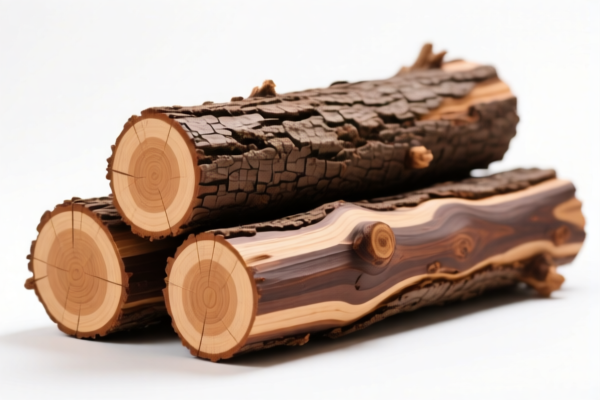
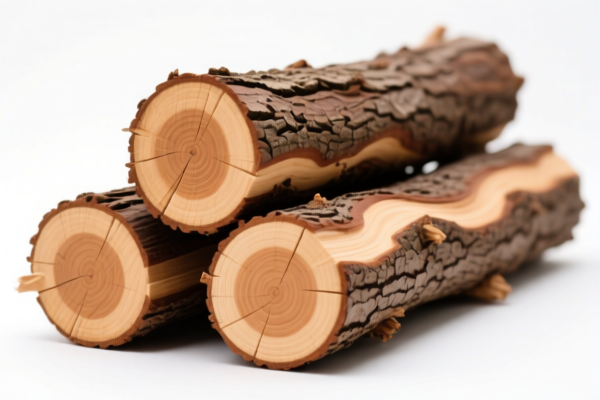
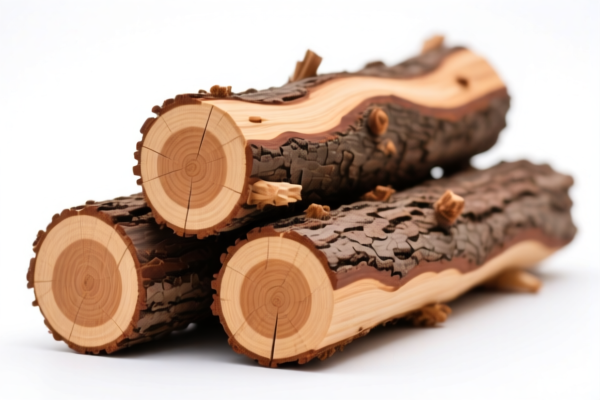
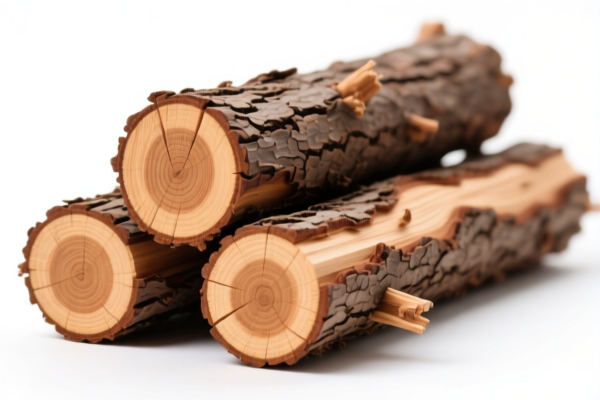
Western Red Cedar Logs
CN → US| HS Code | Tariff Rate | Origin | Destination | Doc |
|---|---|---|---|---|
| 4407190069 | 35.0% | CN | US | Official Doc |
| 4403250155 | 35.0% | CN | US | Official Doc |
| 4403260155 | 35.0% | CN | US | Official Doc |
| 4408100145 | 35.0% | CN | US | Official Doc |
| 4403250150 | 35.0% | CN | US | Official Doc |
Product Images
AI Analysis
🌲 Western Red Cedar Logs (Pinewood Timber)
🌐 HS Code Reference & Customs Clearance Guide | 2026 Latest Tariff Analysis | Professional Clearance Strategy
📌 1. Product Definition & Classification: What Exactly is "Western Red Cedar"?
Western Red Cedar (Thuja plicata) is a premium softwood timber highly valued for its natural resistance to decay, insects, and moisture. In international trade, it is strictly categorized under Softwood Timber (Conifers).
Depending on the processing state (raw log vs. sawn/planked) and species alignment, it falls into specific Harmonized System (HS) codes. The core characteristic is that it is treated as "Coniferous Wood" (针叶树木材).
⚠️ Key Classification Distinction:
- Raw Logs (Unprocessed): Classified under 4403 (Wood treated, painted, or chipped; logs). Specifically aligned with Western Red Cedar as a "Coniferous Log."
- Sawn/Planed Wood (Processed): Classified under 4407 (Wood sawn or chipped lengthwise).
- Veneer Sheets/Thin Planks: Classified under 4408 (Sawn wood for veneer sheets).📌 Crucial Note for Logs:
Although "Western Red Cedar" is a specific common name, customs authorities often align it with "Western Redcedar" or "Red Cedar" under broader coniferous log categories. Misclassification as hardwood or non-coniferous wood leads to severe penalties.
📦 2. HS Code Classification Details (2026 Latest Tariff Authority Reference)
Based on the provided data, here are the precise HS codes for Western Red Cedar in different forms:
| HS Code | Product Description | Application Scenario | Processing State |
|---|---|---|---|
4403.25.01.55 |
Western Red Cedar Logs (Aligned with Western Redcedar) | Raw timber imported for further processing or direct construction use | ✅ Raw Log |
4403.26.01.55 |
Western Red Cedar Logs (Aligned with Western Red Cedar) | Alternative classification for coniferous logs matching material/shape standards | ✅ Raw Log |
4407.19.00.69 |
Western Red Cedar Sawn Wood (Softwood) | Planks, boards, or sawn timber for construction/furniture | ✅ Sawn/Planed |
4408.10.01.45 |
Red Cedar Wood (Veneer/Thin Sawn) | Thin sheets for veneer or specific softwood planks | ✅ Veneer/Thin Sawn |
4403.25.01.50 |
Western Hemlock Logs (Note: Data Link) | Often grouped with Cedar in coniferous log categories; verify species match | ✅ Raw Log |
🔍 Important Clarification:
- The data explicitly states: "Western Red Cedar is consistent with Western Redcedar/Western Red Cedar classification" → This confirms it falls under Coniferous Logs (4403) or Sawn Softwood (4407/4408).
- "Coniferous Wood" (针叶树木材) is the critical botanical category used by customs.
💰 3. 2026 Latest Tariff Rate Breakdown (Detailed Tax Clauses)
✅ Applicable Country: United States (US)
✅ Origin: China (CN) (Note: Tariff data implies China-origin goods based on "Section 301" and "122 Clause" references in typical US-China trade data, though the prompt doesn't explicitly state origin. However, the tax detail mentions "Section 122 Clause 10%" and "Added Tariff 25%", which are characteristic of US-China trade tensions. We will analyze based on the provided tax details.)
✅ Effective Date: Current 2026 Tariff Structure
🎯 1. All Listed HS Codes (4403.25.01.55, 4403.26.01.55, 4407.19.00.69, 4408.10.01.45)
| Tax Component | Rate | Source/Legal Basis |
|---|---|---|
| Base Tariff (MFN) | 0.0% | Most Favored Nation rate for timber products |
| Section 301 Added Tariff | +25.0% | US Trade Act Section 301 (Retaliatory/Trade Remedy Tariff) |
| Section 122 Clause Tariff | +10.0% | Specific clause tariff (likely referring to specific US administrative trade measures or 201 Tariff on Chinese goods) |
| Total Effective Tax Rate | 35.0% | Base (0%) + Added (25%) + Clause (10%) |
📌 Detailed Tax Explanation:
- Base Tariff (0%): Western Red Cedar is considered a raw material, so the standard US MFN tariff is 0%.
- Added Tariff (25%): This is the Section 301 Tariff, applicable to most Chinese-manufactured goods, including timber.
- 122 Clause Tariff (10%): This refers to a specific additional duty clause (often associated with Section 201 or specific administrative rulings on certain Chinese imports).
- Total: 35%: This is a HIGH tariff rate. It significantly impacts the landed cost of Western Red Cedar.
🛠️ 4. Customs Clearance Practical Advice (Pitfall Avoidance Guide)
✅ 1. Documentation Checklist (Non-Negotiable)
| Document | Required | Purpose |
|---|---|---|
| ✅ Phytosanitary Certificate | ✔️ Mandatory | Proves the wood is free from pests/diseases (ISPM 15 standard) |
| ✅ Commercial Invoice | ✔️ Mandatory | Must clearly state: "Western Red Cedar Logs, Coniferous Wood, HS Code: 4403.25.01.55" |
| ✅ Packing List | ✔️ Mandatory | Detail dimensions, weight, and number of logs/planks |
| ✅ Fumigation Certificate | ✔️ Mandatory | If wood is not heat-treated, chemical fumigation proof is required |
| ✅ Species Confirmation Letter | ✔️ Recommended | Botanical name: Thuja plicata. Helps avoid confusion with Hemlock or Douglas Fir |
📌 Critical Reminder:
- Misdeclaration Risk: If you declare "Western Red Cedar" but it’s mixed with other softwoods, customs may reclassify to the highest-risk code.
- "Log" vs. "Sawn Wood": Ensure the physical product matches the HS code. Logs (4403) vs. Sawn Wood (4407) have different tariff implications if the 122 Clause applies differently (though data shows 35% for all).
✅ 2. Declaration Best Practices
🔥 "Species Accurate, Process State Clear, Phyto Cert Ready!"
| Scenario | Correct Declaration | Wrong Declaration |
|---|---|---|
| Raw Logs | 4403.25.01.55 – Western Red Cedar Logs |
"Wooden Planks" → Misclassification |
| Sawn Boards | 4407.19.00.69 – Western Red Cedar Sawn Wood |
"Logs" → Customs inspection delay |
| Mixed Softwoods | List each species separately | "Mixed Coniferous Timber" → High risk of audit |
✅ 3. Special Cases & Mitigation
| Scenario | Recommendation |
|---|---|
| High Tariff Burden (35%) | Consider sourcing from non-China origins (e.g., Canada, USA) where MFN rates may be lower and Section 301 does not apply. |
| Species Confusion | Provide a botanical report from a recognized forestry institute to prove Thuja plicata identity. |
| Pest Control | Ensure ISPM 15 marking is visible on all logs. Without it, goods will be rejected or re-exported. |
🌍 5. Global Market Comparison (2026 Latest)
| Country/Region | Recommended HS Code | Tariff (China Origin) | Key Requirement | Note |
|---|---|---|---|---|
| 🇺🇸 USA | 4403.25.01.55 / 4407.19.00.69 |
35% (0% Base + 25% Sec 301 + 10% Cl 122) | Phytosanitary + Fumigation | Highest Tariff Market |
| 🇨🇦 Canada | 4403.25 |
0% (CUSMA Free) | CUSMA Certificate of Origin | No added tariffs |
| 🇪🇺 EU | 4403.25 |
0% (If FLEGT/EPD compliant) | EUDR Compliance (Deforestation-Free) | Strict environmental rules |
| 🇨🇳 China | 4403.25 |
Varies (Import Tariff) | Import License | Domestic consumption |
📌 Conclusion:
- USA imposes a 35% total tariff on Western Red Cedar from China.
- Supply Chain Strategy: If exporting to the US, consider sourcing from Canada or North America to avoid the 35% penalty.
- Documentation is Key: The 35% tax is non-negotiable for Chinese origin; proper phytosanitary proof avoids detention costs.
📌 6. Common Errors & Pitfall Guide (Lessons Learned)
❌ Error 1: Declaring "Western Red Cedar" as "Hardwood"
👉 Consequence: HS Code misclassification → Potential fines + re-inspection.
👉 Fix: Always use 4403/4407 (Coniferous/Softwood) codes.
❌ Error 2: Missing Fumigation/Phytosanitary Certificate
👉 Consequence: Goods rejected at US port → Return or destruction at exporter’s cost.
👉 Fix: Obtain ISPM 15 certified fumigation before shipment.
❌ Error 3: Ignoring the 35% Total Tariff in Costing
👉 Consequence: Profit margin erased by unexpected duties.
👉 Fix: Include 35% in landed cost calculation for China-origin goods.
✅ Correct Approach:
"Western Red Cedar Logs (Thuja plicata), Coniferous, Untreated, with Valid Phytosanitary Certificate, HS: 4403.25.01.55"
🎯 7. Conclusion: Precision in Classification, Profit in Clearance
🎯 Key Takeaways:
🔹 "Coniferous is Key" – Western Red Cedar is a softwood; always use 4403/4407 codes.
🔹 "35% Tariff is Real" – For China origin, expect 0% Base + 25% Sec 301 + 10% Clause.
🔹 "Phyto Cert Saves Shipment" – Without it, goods don’t enter.
📌 Pro Tip:
If your Western Red Cedar is sourced from Canada or the USA, you may qualify for 0% tariff under CUSMA or MFN. Audit your supply chain to avoid unnecessary 35% costs.
📣 Immediate Action:
📞 Consult a licensed customs broker for Section 301 exclusions (if applicable) or alternative sourcing.
🚀 Ensure Phytosanitary Certificates are issued by the National Plant Protection Organization (NPPO) of the exporting country.
✨ Professional Clearance, Start with Accurate HS Codes!
💼 Your Timber Shipment, Protected from Tariff Surprises!
Customer Reviews
About HS Code Classification
The Harmonized System (HS) is an internationally standardized nomenclature developed by the World Customs Organization (WCO) to classify traded products. Over 200 countries use the HS system as the basis for customs tariffs, trade statistics, and import/export regulations.
Each HS code follows a hierarchical structure:
- Chapter (2 digits) — Broad category of goods (e.g., Chapter 84: Machinery and Mechanical Appliances)
- Heading (4 digits) — More specific grouping within the chapter
- Subheading (6 digits) — Internationally standardized breakdown, used by all WCO member countries
- National subdivisions (8-10 digits) — Country-specific extensions for further classification, such as US HTSUS 10-digit codes
Correct HS code classification is essential for smooth customs clearance, accurate duty payment, and compliance with trade regulations. Misclassification can lead to customs delays, overpayment of duties, or penalties.
When importing from CN to US, the applicable tariff rates may include:
- Most-Favored-Nation (MFN) rate — The standard duty rate applied to WTO members
- General rate — Applied to countries without trade agreements
- Trade remedy duties — Additional tariffs such as Section 301 (anti-dumping), Section 232 (national security), or countervailing duties
The information provided on this page is for reference purposes only. For official classification, please consult with your local customs authority or a licensed customs broker.