Western Red Cedar Logs (Rough Sawn)
CN → US| HS Code | Tariff Rate | Origin | Destination | Doc |
|---|---|---|---|---|
| 4407190068 | 35.0% | CN | US | Official Doc |
| 4401120000 | 35.0% | CN | US | Official Doc |
| 4403260155 | 35.0% | CN | US | Official Doc |
| 4403250155 | 35.0% | CN | US | Official Doc |
| 4401110000 | 35.0% | CN | US | Official Doc |
Product Images
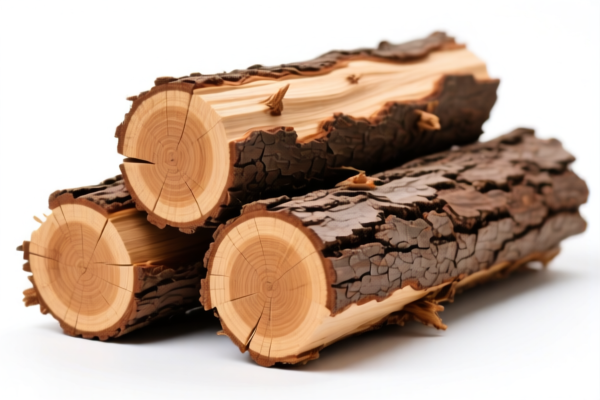
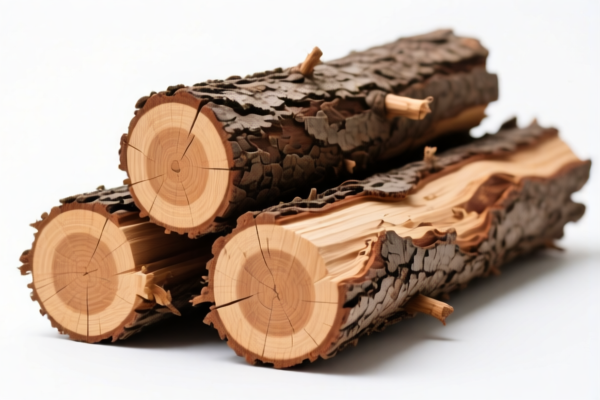
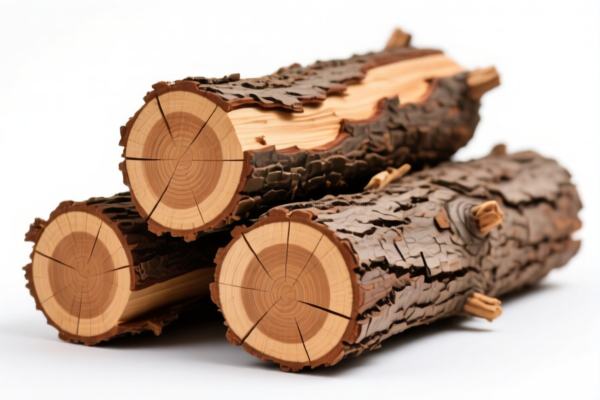
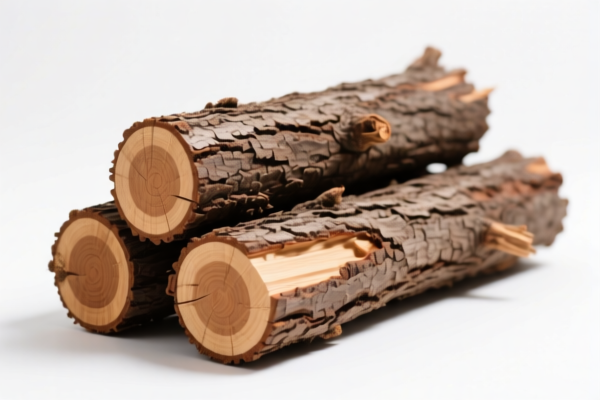
AI Analysis
🌲 Western Red Cedar Logs (Rough Sawn)
🌐 HS Code Reference & Customs Clearance Guide | 2026 Latest Tariff Analysis | Professional Entry Strategy
📌 I. Product Definition & Classification: Do You Really Understand "Western Red Cedar"?
Western Red Cedar (Thuja plicata) is a high-value softwood species prized for its natural resistance to rot, insects, and weathering. In international trade, raw logs are classified differently based on their processing state (roughly sawn vs. fuel) and species specifications.
For importers, the key distinction lies in whether the wood is intended for lumber/structural use or fuel/energy use. Misclassification leads to severe penalties, especially given the high trade tariffs on Chinese timber products.
⚠️ Critical Distinction:
- If the wood is processed into rough-sawn lumber (thickness > 6mm) → It is considered "Wood" (Chapter 44).
- If the wood is unprocessed logs intended for burning/fuel → It is considered "Fuel Wood" (Chapter 44).
- Note: Western Red Cedar is technically a softwood (conifer), but specific HS codes exist for specific rough shapes.
📦 II. HS Code Classification Details (2026 Latest Tariff Authority)
Based on the provided data, here are the 5 specific HS Codes applicable to Western Red Cedar Logs:
| HS Code | Product Description | Application Scenario | Processing State |
|---|---|---|---|
4407.19.00.68 |
Western Red Cedar, Roughly Sawn, Longitudinally Sawn > 6mm | Structural lumber, decking, siding | ✅ Rough Sawn |
4401.12.00.00 |
Western Red Cedar, Rough, Non-coniferous Fuel Wood | Fuel logs, biomass energy | ❌ Fuel Wood |
4403.26.01.55 |
Western Red Cedar, Rough, Rough Logs | Raw timber for further processing | ✅ Rough/Unprocessed |
4403.25.01.55 |
Western Red Cedar, Rough, Meets Species/Shape Requirements | Certified timber stock | ✅ Rough/Unprocessed |
4401.11.00.00 |
Western Red Cedar Logs, Rough, Coniferous Fuel Wood | Firewood, industrial fuel | ❌ Fuel Wood |
🔍 Key Insight:
- Codes4401.11and4401.12are for Fuel Wood. These are typically lower value but face the same high tariffs if origin is China.
- Codes4403and4407are for Wood in the Rough or Sawn Wood.4407implies the wood has been sawn longitudinally to a thickness exceeding 6mm, making it closer to lumber.4403is for wood simply stripped of bark or roughly squared.
💰 III. 2026 Latest Tariff Rate Breakdown (Including Surtaxes)
✅ Applicable Country: United States (US)
✅ Origin: China (CN)
✅ Effective Date: Ongoing (2025-2026)
🎯 1. All Listed HS Codes (4407.19.00.68, 4401.12.00.00, 4403.26.01.55, 4403.25.01.55, 4401.11.00.00)
| Item | Content |
|---|---|
| Base Duty Rate | 0.0% (Ad Valorem) |
| Section 301 Surcharge | +25.0% (USITC Footnote related to Section 301) |
| Section 122 Surcharge | +10.0% (Specific provision for certain goods) |
| Total Tax Rate | 35.0% |
| Tax Calculation | CIF Value × 35% |
| De Minimis Exemption | ❌ NOT Applicable (No de minimis for these categories) |
| Legal Basis Path | Base: 0% → Section 301: +25% → Section 122: +10% = 35% |
📌 Explanation:
- "Base Duty 0%": The standard MFN (Most Favored Nation) rate for these wood products is often 0%.
- "Section 301 +25%": This is the major trade war tariff imposed on Chinese goods. It applies to almost all Chinese wood products unless specifically exempted (which these are not).
- "Section 122 +10%": This is an additional surcharge often applied to specific raw material imports.
- Total 35%: This is a very high tariff. Profit margins for raw log imports are extremely thin. You must calculate CIF cost carefully.
🛠️ IV. Customs Clearance Practical Advice (Battle-Proven Pitfall Guide)
✅ 1. Required Documentation Checklist (None Can Be Missing)
| Document | Mandatory? | Explanation |
|---|---|---|
| ✅ Commercial Invoice | ✔️ | Must clearly state "Western Red Cedar Logs" and exact HS Code. |
| ✅ Packing List | ✔️ | Detail quantity, volume (CBM), and weight. |
| ✅ Phytosanitary Certificate | ✔️ | CRITICAL. Must be issued by the country of origin, confirming the wood is free from pests and diseases (ISPM 15 compliant if packaged). |
| ✅ Fumigation Certificate | ✔️ | Often required separately from Phytosanitary cert. |
| ✅ Bill of Lading (B/L) | ✔️ | Must match invoice and packing list exactly. |
| ✅ Certificate of Origin (CO) | ✔️ | To prove origin as China (necessary for tariff assessment). |
| ✅ Product Description Sheet | ✔️ | Specify: Species (Thuja plicata), Treatment (Rough/Sawn), Dimensions, Moisture Content. |
✅ 2. Declaration Tips (Key Mantra)
🔥 "Species Accurate, Shape Clear, Tax 35%, No Surprises!"
| Situation | Correct Declaration | Wrong Practice |
|---|---|---|
| Rough Sawn Lumber (>6mm) | 4407.19.00.68"Rough Sawn Western Red Cedar" |
Misdeclare as "Fuel Wood" (4401) to avoid scrutiny → Fraud Risk! |
| Raw Logs (Unprocessed) | 4403.26.01.55 or 4403.25.01.55"Rough Western Red Cedar Logs" |
Vague description "Cedar Wood" → Customs Delay/Inspection |
| Fuel Wood/Biomass | 4401.11.00.00 or 4401.12.00.00"Fuel Wood, Rough" |
Declare as lumber to hide fuel intent → High Penalty |
| Mixed Shipments | Separate HS Codes | Mix lumber and fuel in one line item → Audit Flag |
✅ 3. Special Scenarios Handling
| Scenario | Handling Advice |
|---|---|
| Moisture Content | Specify if air-dried or green. Affects value and phytosanitary requirements. |
| Bark Status | Clearly state "De-barked" or "With Bark". Some codes prefer de-barked. |
| Origin Verification | Ensure the wood is not from other countries (e.g., Canada) mislabeled as China. If from Canada, tariffs may differ (USMCA). |
| Value Declaration | Ensure CIF value includes cost, insurance, and freight. Under-declaration leads to severe fines. |
🌍 V. Global Market Comparison (2026 Latest)
| Country/Region | Recommended HS Code | Tariff (China Origin) | Certification | Remarks |
|---|---|---|---|---|
| 🇺🇸 USA | 4407.19.00.68 / 4403.xxxx.xxxx |
35% (0% Base + 25% Sec 301 + 10% Sec 122) | Phytosanitary + ISPM 15 | Highest Tariff Market |
| 🇨🇳 China | 4407 / 4403 |
~5-15% (Import Duty) | Phytosanitary | Domestic production is huge, imports are less common |
| 🇪🇺 EU | 4403 / 4407 |
~0-4% | FLEGT / EUTR Compliance | Strict due diligence on timber legality required |
| 🇯🇵 Japan | 4403 / 4407 |
~5-8% | Phytosanitary | High quality standards for cedar |
📌 Conclusion:
- USA is the most expensive market for Chinese Western Red Cedar due to the 35% effective tariff.
- EU and Japan require strict legality documentation (FLEGT/EUTR), but tariffs are lower.
- Strategy: If importing to the US, ensure the margin can absorb 35%. Consider sourcing from non-China origins (e.g., Canada) if possible to avoid Section 301/122 taxes.
📌 VI. Common Mistakes & Pitfall Guide (Blood & Tears Lessons)
❌ Mistake 1: Declaring Rough Sawn Lumber (4407) as Fuel Wood (4401) to reduce inspection chances.
👉 Consequence: Customs inspector measures thickness. If >6mm, it's not fuel. Back-tariff + Fine + Detention.
❌ Mistake 2: Ignoring Phytosanitary Certificate.
👉 Consequence: Goods destroyed or returned at origin. No exceptions for cedar.
❌ Mistake 3: Vague Description "Cedar Wood".
👉 Consequence: Customs assigns a default HS Code with potentially higher tariffs or different restrictions. Delays of weeks.
❌ Mistake 4: Forgetting Section 122 Tax.
👉 Consequence: Budget planning fails. You expected 25%, but owe 35%. Cash flow crisis.
✅ Correct Approach:
"Western Red Cedar Logs, Rough Sawn, Longitudinally Sawn, Thickness >6mm, Species: Thuja plicata, Origin: China, Fumigated, ISPM 15 Compliant"
🎯 VII. Conclusion: Professional Declaration, Save Cost, Avoid Risk!
🎯 Remember the Mantra:
🔹 "Species: Cedar, Shape: Rough, Tax: 35%, No Exemption!"
🔹 "HS Code determines destiny, 35% is the cost, wrong declaration costs more!"
📌 Tip:
If your Western Red Cedar logs are originating from Canada, check USMCA rules. They may qualify for 0% duty (no Section 301/122). Ensure the Certificate of Origin explicitly states Canadian origin.
📣 Immediate Action:
📞 Contact a licensed US Customs Broker + Provide Phytosanitary Cert + Verify HS Code
4407.19.00.68vs4403.26.01.55
🚀 Let your cedar logs pass smoothly, clear customs fast, and protect your margin!
✨ Professional Customs Clearance Starts with Accurate Classification!
💼 Every Percent of Tariff Counts!
Customer Reviews
About HS Code Classification
The Harmonized System (HS) is an internationally standardized nomenclature developed by the World Customs Organization (WCO) to classify traded products. Over 200 countries use the HS system as the basis for customs tariffs, trade statistics, and import/export regulations.
Each HS code follows a hierarchical structure:
- Chapter (2 digits) — Broad category of goods (e.g., Chapter 84: Machinery and Mechanical Appliances)
- Heading (4 digits) — More specific grouping within the chapter
- Subheading (6 digits) — Internationally standardized breakdown, used by all WCO member countries
- National subdivisions (8-10 digits) — Country-specific extensions for further classification, such as US HTSUS 10-digit codes
Correct HS code classification is essential for smooth customs clearance, accurate duty payment, and compliance with trade regulations. Misclassification can lead to customs delays, overpayment of duties, or penalties.
When importing from CN to US, the applicable tariff rates may include:
- Most-Favored-Nation (MFN) rate — The standard duty rate applied to WTO members
- General rate — Applied to countries without trade agreements
- Trade remedy duties — Additional tariffs such as Section 301 (anti-dumping), Section 232 (national security), or countervailing duties
The information provided on this page is for reference purposes only. For official classification, please consult with your local customs authority or a licensed customs broker.