Western Red Cedar Rough Sawn Lumber
CN → US| HS Code | Tariff Rate | Origin | Destination | Doc |
|---|---|---|---|---|
| 4403260155 | 35.0% | CN | US | Official Doc |
| 4408100145 | 35.0% | CN | US | Official Doc |
| 4407190069 | 35.0% | CN | US | Official Doc |
| 4403250155 | 35.0% | CN | US | Official Doc |
| 4407190068 | 35.0% | CN | US | Official Doc |
Product Images
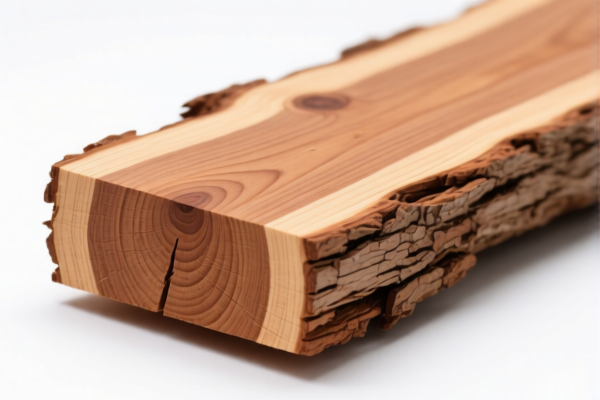
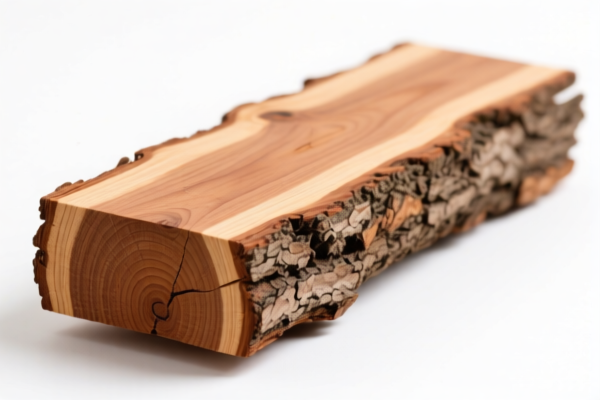
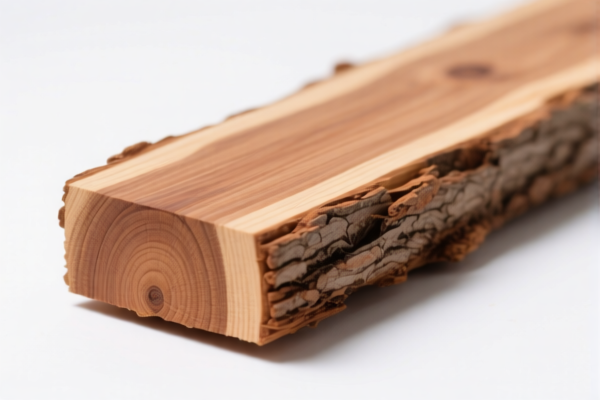
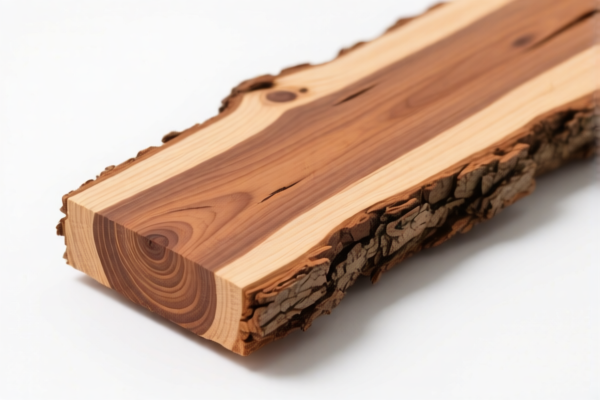
AI Analysis
🌲 Western Red Cedar Rough Sawn Lumber
🌐 HS Code Reference & Customs Clearance Guide | 2024 Latest Tariff Analysis | Professional Entry Strategy
📌 I. Product Definition & Classification: Is Your "Cedar" Really Cedar?
Western Red Cedar (Thuja plicata) is a premium softwood renowned for its natural rot resistance, aromatic scent, and straight grain. In international trade, it is primarily classified under Chapter 44 (Wood and Articles of Wood). However, precision in classification is critical because the form (log vs. lumber vs. veneer) drastically changes the HS Code and tax liability.
⚠️ Key Distinction:
- Logs/Raw Timber: Unprocessed or roughly trimmed stems → 4403.26.01.55 / 4403.25.01.55
- Rough Sawn Lumber: longitudinally sawn, planed, or otherwise worked, but not finished → 4407.19.00.68 / 4407.19.00.69
- Sawn Wood (Veneer Sheets/Planks): Thin slices or specific planks → 4408.10.01.45
📦 II. HS Code Classification Details (2024 Latest Tariff Alignment)
| HS Code | Product Description | Application Scenario | Form Status |
|---|---|---|---|
4403.26.01.55 |
Western Red Cedar Wood (Timber), Roughly Hewn or Simply Squared | Raw logs, rough beams, initial processing stage | ✅ Raw/Log |
4403.25.01.55 |
Western Red Cedar Logs (Thuja plicata), coniferous | Unprocessed logs, primary timber export | ✅ Raw/Log |
4408.10.01.45 |
Red Cedar Wood (Coniferous), Sawn Wood | Veneer sheets, thin planks, specific sawn categories | ✅ Sawn/Plank |
4407.19.00.69 |
Western Red Cedar Sawn Wood, Coniferous | Standard lumber, planed or sawn, ready for further processing | ✅ Sawn/Lumber |
4407.19.00.68 |
Rough Western Red Cedar Wood, Coniferous | Rough-sawn lumber, not further worked than sawn | ✅ Rough Sawn |
🔍 Critical Note:
- "Rough Sawn" specifically refers to wood that has been sawn but not planed or smoothed. This typically falls under 4407.
- If the wood is still in its log or roughly hewn state (before precise sawing), it may fall under 4403.
- 4408 is generally for thinner wood used for veneer or specific plank types, distinct from standard structural lumber.
💰 III. 2024 Latest Tariff Rate Breakdown (Including Additional Taxes)
✅ Applicable Country: United States (US)
✅ Origin: China (CN)
✅ Effective Time: Ongoing (Subject to Section 301 & IEEPA regulations)
🎯 1. 4403.26.01.55 & 4403.25.01.55 — Western Red Cedar Logs/Raw Timber
| Item | Content |
|---|---|
| Base Tariff | 0.0% (ad valorem) |
| Section 301 Tariff | +25.0% (Added Tariff) |
| Section 122 Tariff | +10.0% (Additional Duty under specific trade provisions) |
| Total Tariff Rate | 35.0% |
| Tax Calculation | CIF Value × 35% |
| De Minimis Exemption | ❌ Not Applicable (High risk of seizure/rejection if declared under small shipments) |
| Legal Basis Path | Section 301: 9903.88.01 → Section 122: 9903.12.01 → USITC: 4403.26.01.55 |
📌 Explanation:
- Base 0%: Most softwood logs enter the US duty-free under normal trade relations.
- Section 301 (+25%): Imposed due to trade tensions with China.
- Section 122 (+10%): Additional duty under specific trade enforcement clauses.
- Total 35%: A significant cost factor that must be included in landed cost calculations.
🎯 2. 4407.19.00.69 & 4407.19.00.68 — Rough Sawn Cedar Lumber
| Item | Content |
|---|---|
| Base Tariff | 0.0% (ad valorem) |
| Section 301 Tariff | +25.0% |
| Section 122 Tariff | +10.0% |
| Total Tariff Rate | 35.0% |
| Tax Calculation | CIF Value × 35% |
| De Minimis Exemption | ❌ Not Applicable |
| Legal Basis Path | Section 301: 9903.88.01 → Section 122: 9903.12.01 → USITC: 4407.19.00.68/69 |
📌 Note:
- Sawn lumber is treated similarly to raw logs in terms of tariff rates (0% base + 35% additional).
- Misclassifying rough-sawn lumber as "finished" or "non-wood" can lead to severe penalties.
🎯 3. 4408.10.01.45 — Red Cedar Sawn Wood (Veneer/Planks)
| Item | Content |
|---|---|
| Base Tariff | 0.0% (ad valorem) |
| Section 301 Tariff | +25.0% |
| Section 122 Tariff | +10.0% |
| Total Tariff Rate | 35.0% |
| Tax Calculation | CIF Value × 35% |
| De Minimis Exemption | ❌ Not Applicable |
| Legal Basis Path | Section 301: 9903.88.01 → Section 122: 9903.12.01 → USITC: 4408.10.01.45 |
📌 Note:
- Even if the product is thin or planned for veneer, the 35% total tax remains consistent for Chinese-origin Western Red Cedar.
- Ensure the physical dimensions match the "sawn wood" definition in Chapter 44.
🛠️ IV. Customs Clearance Practical Advice (Pitfall Avoidance Guide)
✅ 1. Required Documentation Checklist (Non-negotiable)
| Document | Required | Description |
|---|---|---|
| ✅ Commercial Invoice | ✔️ | Must clearly state "Western Red Cedar (Thuja plicata)" and HS Code. |
| ✅ Packing List | ✔️ | Detail dimensions, weight, and number of boards. |
| ✅ Phytosanitary Certificate | ✔️ | Critical: Proof of pest-free treatment from country of origin. |
| ✅ Fumigation Certificate | ✔️ | Required by USDA APHIS to prevent invasive species. |
| ✅ Bill of Lading/Air Waybill | ✔️ | Standard shipping document. |
| ✅ Species Identification | ✔️ | Supplier declaration confirming Thuja plicata (not other cedar types like Eastern Red Cedar). |
✅ 2. Declaration Tips (Key Mantras)
🔥 “Species Matters, Form Defines, Treatment is Key!”
| Scenario | Correct Declaration | Common Mistake |
|---|---|---|
| Rough Sawn Planks | 4407.19.00.68 – Rough Sawn Western Red Cedar |
Misclassifying as "Finished Furniture" → 0% (but high penalty for fraud) |
| Raw Logs | 4403.26.01.55 – Western Red Cedar Logs |
Declaring as "Lumber" → Delay in inspection |
| Veneer Sheets | 4408.10.01.45 – Red Cedar Sawn Wood |
Under-declaring value |
| Treated Wood | Highlight Fumigation in remarks | Failing to mention treatment → Rejection by USDA |
✅ 3. Special Situations
| Situation | Handling Advice |
|---|---|
| OEM Custom Sizes | Provide exact dimensions; avoid vague terms like "mixed sizes." |
| Mixed Shipments (Wood + Non-Wood) | Declare separately to avoid complex valuation issues. |
| USDA Inspection | Be prepared for possible physical inspection at port of entry. Delays are common. |
| End-Use Declaration | Specify if for outdoor decking, indoor cabinetry, etc., though it doesn’t change HS, it aids in phytosanitary review. |
🌍 V. Global Market Comparison (2024)
| Country/Region | Recommended HS Code | Tariff | Certification | Notes |
|---|---|---|---|---|
| 🇺🇸 USA | 4407.19.00.68 / 4403.26.01.55 |
35% (China Origin) | USDA + Phytosanitary | High tariff due to Section 301 & 122 |
| 🇨🇳 China | 4407.19.00.68 |
5-10% | N/A | Standard import duties |
| 🇪🇺 EU | 4407.19.00.68 |
0-6% | FSC/PEFC (Optional) | No Section 301 equivalent |
| 🇯🇵 Japan | 4407.19.00.68 |
0-3% | IPPC Mark | Strict phytosanitary rules |
| 🇰🇷 South Korea | 4407.19.00.68 |
0% | Phytosanitary | KFTA benefits if applicable |
📌 Conclusion:
- USA is the most challenging market due to 35% total tariffs and strict phytosanitary controls.
- European and Asian markets offer lower tariffs but still require rigorous wood certification.
📌 VI. Common Errors & Pitfalls (Lessons Learned)
❌ Error 1: Misidentifying Cedar Species
👉 Consequence: Thuja plicata (Western) vs. Juniperus virginiana (Eastern) have different trade values and tariffs. Misdeclaration → Fine + Seizure.
❌ Error 2: Ignoring Phytosanitary Requirements
👉 Consequence: Shipment returned or destroyed at port. Total Loss.
❌ Error 3: Misclassifying "Rough Sawn" as "Finished"
👉 Consequence: If declared as "Finished," it may attract different duties, but if caught, fraud penalties apply. Always be accurate about processing level.
❌ Error 4: Under-declaring Value
👉 Consequence: Customs audit, back-tariffs, and interest charges.
✅ Correct Practice:
“Western Red Cedar Lumber, Rough Sawn, Thuja plicata, Fumigated, IPPC Marked, CIF Value $X, HS Code 4407.19.00.68”
🎯 VII. Conclusion: Professional Declaration, Cost Control, Smooth Clearance
🎯 Remember the Mantra:
🔹 “Species First, Form Second, Treatment Essential, Tariff 35%.”
🔹 “HS Code Defines Duty, Phyto Defines Entry, Accuracy Defines Success.”
📌 Pro Tip:
If your wood is sourced from Canada, USA, or other non-China origins, the 35% tariff does NOT apply. Ensure your Certificate of Origin is explicitly stated to avoid unnecessary costs.
📣 Immediate Action:
📞 Consult a licensed customs broker + Provide Species Declaration + Secure Phytosanitary Certificate
🚀 Let your Western Red Cedar, clear customs smoothly, avoid delays, and maximize profit!
✨ Professional Clearance Starts with Precise Classification!
💼 Every Dollar in Tariffs is Saved by Accuracy!
Customer Reviews
About HS Code Classification
The Harmonized System (HS) is an internationally standardized nomenclature developed by the World Customs Organization (WCO) to classify traded products. Over 200 countries use the HS system as the basis for customs tariffs, trade statistics, and import/export regulations.
Each HS code follows a hierarchical structure:
- Chapter (2 digits) — Broad category of goods (e.g., Chapter 84: Machinery and Mechanical Appliances)
- Heading (4 digits) — More specific grouping within the chapter
- Subheading (6 digits) — Internationally standardized breakdown, used by all WCO member countries
- National subdivisions (8-10 digits) — Country-specific extensions for further classification, such as US HTSUS 10-digit codes
Correct HS code classification is essential for smooth customs clearance, accurate duty payment, and compliance with trade regulations. Misclassification can lead to customs delays, overpayment of duties, or penalties.
When importing from CN to US, the applicable tariff rates may include:
- Most-Favored-Nation (MFN) rate — The standard duty rate applied to WTO members
- General rate — Applied to countries without trade agreements
- Trade remedy duties — Additional tariffs such as Section 301 (anti-dumping), Section 232 (national security), or countervailing duties
The information provided on this page is for reference purposes only. For official classification, please consult with your local customs authority or a licensed customs broker.