Western Red Cedar Wood for Carving
CN → US| HS Code | Tariff Rate | Origin | Destination | Doc |
|---|---|---|---|---|
| 4407190068 | 35.0% | CN | US | Official Doc |
| 4407190069 | 35.0% | CN | US | Official Doc |
Product Images
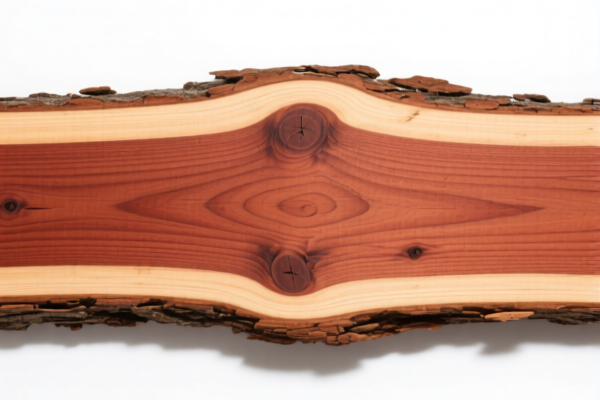
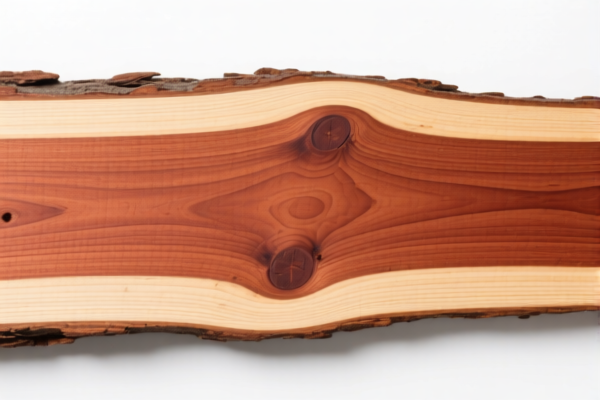
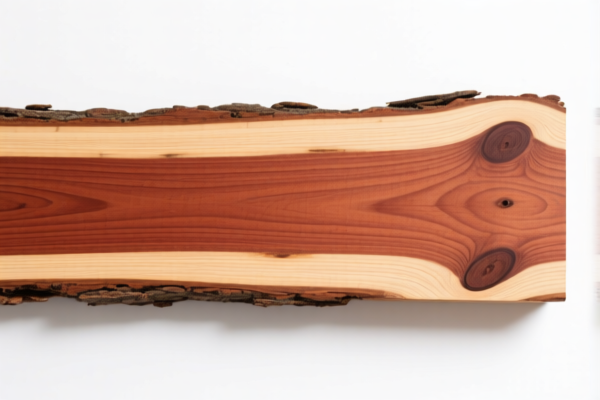
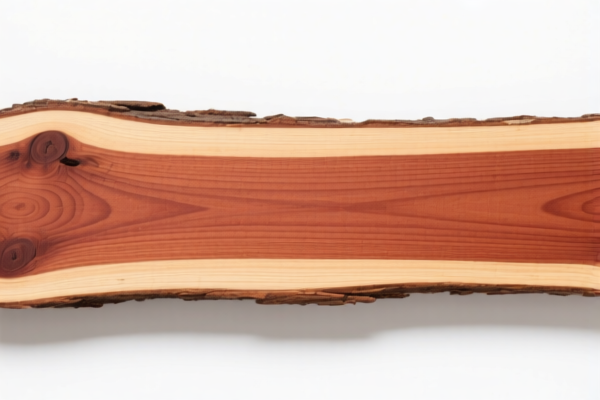
AI Analysis
🪵 Western Red Cedar Wood for Carving
🌐 HS Code Reference & Customs Clearance Guide | 2024 Latest Tariff Analysis | Professional Entry Strategies
📌 I. Product Definition and Classification: What Exactly is "Western Red Cedar for Carving"?
Western Red Cedar (Thuja plicata) is a premium softwood known for its straight grain, natural resistance to rot, and aromatic properties. In international trade, "wood for carving" is generally classified under Chapter 44: Wood and articles of wood.
Specifically, it falls under the category of Sawn Wood (wood cut lengthwise, sliced, or peeled) with a thickness exceeding 6 mm.
⚠️ Key Classification Logic:
- Coniferous Wood: Western Red Cedar is a softwood/conifer.
- Process: "For carving" implies it is processed (sawn/sliced) but not further manufactured into furniture or artistic products.
- Treatment Status: Crucial distinction—Is it treated (painted, varnished, chemically preserved) or Rough/Untreated?
- Rough/Untreated: Higher precision in sub-heading.
- Treated: Different HS Code (usually 4407.19.90 or similar depending on specific treatment).
📦 II. HS Code Breakdown (Based on Provided Data)
According to the provided <DATA>, there are two specific HS Codes for Western Red Cedar. The distinction lies in the final form/state of the wood.
| HS Code | Product Description | Key Characteristics | Typical Use Case |
|---|---|---|---|
4407.19.00.68 |
Rough | - Sawn/chipped/sliced/peeled - Thickness > 6 mm - Not treated - Rough surface (planing/sanding minimal or absent) |
- Raw material for carving artists - Traditional timber framing - Unfinished construction |
4407.19.00.69 |
Other | - Sawn/chipped/sliced/peeled - Thickness > 6 mm - Not treated - Not rough (e.g., planed, sanded, end-jointed) |
- Furniture components - Interior paneling - Semi-finished carving blanks |
🔍 Critical Insight for Carving Wood:
- If you are importing raw logs or rough-sawn planks directly for carving, it likely falls under4407.19.00.68(Rough).
- If the wood has been planed, sanded, or end-jointed for convenience, it falls under4407.19.00.69(Other).
- Do not assume "carving wood" is a separate category. It is categorized by its physical state (Rough vs. Other).
💰 III. Tariff Rate Detail (Strictly Based on <DATA>)
✅ Origin: China (CN) → United States (US)
✅ Applicable Tariffs: Based on<DATA>provided
Both HS Codes carry the exact same tariff structure:
🎯 1. 4407.19.00.68 (Rough Western Red Cedar)
| Item | Detail |
|---|---|
| Base Tariff (MFN) | 0.0% |
| Additional Tariff (Section 301 / Retaliatory) | 25.0% |
| Total Effective Tax Rate | 25.0% |
| Tax Detail | 基础关税: 0.0%, 加征关税: 25.0% |
| Legal Basis | Subject to US Trade Law Section 301 additional duties on Chinese imports. |
🎯 2. 4407.19.00.69 (Other Western Red Cedar)
| Item | Detail |
|---|---|
| Base Tariff (MFN) | 0.0% |
| Additional Tariff (Section 301 / Retaliatory) | 25.0% |
| Total Effective Tax Rate | 25.0% |
| Tax Detail | 基础关税: 0.0%, 加征关税: 25.0% |
| Legal Basis | Subject to US Trade Law Section 301 additional duties on Chinese imports. |
📌 Important Note:
- There is no de minimis exemption for these goods if they exceed $800 (Section 321).
- The 25% additional tariff is significant and must be factored into your CIF (Cost, Insurance, Freight) cost calculation.
- Base tariff is 0%, so the entire tax burden comes from the additional punitive tariff.
🛠️ IV. Customs Clearance Practical Advice
✅ 1. Documentation Checklist (Must-Haves)
| Document | Requirement | Reason |
|---|---|---|
| Commercial Invoice | Must specify "Western Red Cedar Sawn Wood" | Clear product identification |
| Packing List | Detail gross/net weight, volume (CBM) | For tariff calculation and inspection |
| Phytosanitary Certificate | MANDATORY from origin country | Proves wood is free of pests/diseases |
| Fumigation Certificate | Often required alongside Phytosanitary | IPMAC standard (e.g., Methyl Bromide or Heat Treatment) |
| ISPM 15 Marking | Wood packaging material must be marked | Prevents rejection due to invasive species risk |
| Bill of Lading/Air Waybill | Standard shipping docs | Proof of ownership and transport |
✅ 2. Classification Tips (Avoid Misclassification)
🔥 "Rough vs. Other" is the Key!
- Misclassification Risk: If you declare "Rough" but the wood is planed/sanded, Customs may reclassify it to4407.19.00.69.
- Result: While the tax rate is the same (25%), the description mismatch can cause customs delays, exams, or penalties for false declaration.
- Action: Ensure your physical product matches the "Rough" or "Planed" description in your declaration.
✅ 3. Special Considerations for "Carving Wood"
| Issue | Solution |
|---|---|
| Pest Inspection | Western Red Cedar is susceptible to certain borers. Ensure fumigation is documented. |
| Moisture Content | Declare actual moisture content. High moisture may trigger additional biological risks. |
| End-Jointed | If wood is end-jointed (for wider panels), it falls under 4407.19.00.69. Ensure invoice reflects this. |
| Treated Wood | If wood is chemically treated (e.g., for outdoor use), it may NOT fit these codes. Verify if it falls under different subheadings (not in <DATA>). |
🌍 V. Global Market Comparison (2024 Context)
| Country | HS Code | Base Tariff | Additional Tariff (China) | Total Rate | Notes |
|---|---|---|---|---|---|
| 🇺🇸 USA | 4407.19.00.68 / .69 |
0% | 25% | 25% | High additional duty due to trade tensions |
| 🇨🇳 China | 4407.19.00.68 / .69 |
5-8% | 0% | ~5-8% | No additional punitive tariffs for imports into China |
| 🇪🇺 EU | 4407.10 |
0% | 0% | 0% | No additional tariffs; favorable trade terms |
| 🇬🇧 UK | 4407.10 |
0% | 0% | 0% | Similar to EU post-Brexit arrangements |
📌 Conclusion:
- USA is the most expensive market due to the 25% additional tariff.
- EU/UK offer 0% duty, making them more cost-effective for importing Chinese Western Red Cedar.
📌 VI. Common Mistakes & Pitfalls
❌ Mistake 1: Declaring "Artistic Carvings" instead of "Raw Wood"
👉 Consequence: Raw wood should not be declared as finished goods. If customs inspects and finds raw planks, they will reclassify and assess tax (plus potential penalties).
❌ Mistake 2: Ignoring Phytosanitary Requirements
👉 Consequence: Shipment held or returned at US border due to pest risk. Western Red Cedar is strictly regulated.
❌ Mistake 3: Assuming "Rough" means "Unprocessed Logs"
👉 Consequence: Logs are Chapter 44, Heading 44.03. Sawn wood is 44.07. Misclassification leads to incorrect HS Code and potential fines.
❌ Mistake 4: Not Checking for "Treated" Status
👉 Consequence: If wood is treated, 4407.19.00.68/69 may be incorrect. Treatments alter the chemical composition, potentially moving it to other subheadings.
✅ Correct Approach:
"Western Red Cedar, Sawn, Thickness > 6mm, Not Treated, Rough Surface, for Carving"
HS Code:4407.19.00.68
Tax: 25% Additional Duty
🎯 VII. Summary & Recommendations
🎯 Key Takeaways:
1. Two HS Codes: 4407.19.00.68 (Rough) and 4407.19.00.69 (Other).
2. Tax Rate: 25% Additional Tariff on both, with 0% Base Tariff.
3. Critical Documentation: Phytosanitary Certificate and Fumigation Proof are non-negotiable.
4. Classification Accuracy: Ensure "Rough" vs. "Other" matches the actual product state.
📌 Pro Tip:
- If you are importing large volumes, consider supply chain diversification (e.g., sourcing from Canada or EU) to avoid the 25% US tariff.
- Always request a Pre-Ruling from US Customs (CBP) if unsure about "Rough" vs. "Planed" status.
📣 Immediate Action:
📞 Verify Phytosanitary Status with supplier.
📄 Ensure Invoice Description matches HS Code definition.
💰 Budget for 25% additional duty in your cost model.
✨ Customs Compliance is the Key to Smooth Trade!
💼 Accurate Classification Saves Time, Money, and Stress!
Customer Reviews
About HS Code Classification
The Harmonized System (HS) is an internationally standardized nomenclature developed by the World Customs Organization (WCO) to classify traded products. Over 200 countries use the HS system as the basis for customs tariffs, trade statistics, and import/export regulations.
Each HS code follows a hierarchical structure:
- Chapter (2 digits) — Broad category of goods (e.g., Chapter 84: Machinery and Mechanical Appliances)
- Heading (4 digits) — More specific grouping within the chapter
- Subheading (6 digits) — Internationally standardized breakdown, used by all WCO member countries
- National subdivisions (8-10 digits) — Country-specific extensions for further classification, such as US HTSUS 10-digit codes
Correct HS code classification is essential for smooth customs clearance, accurate duty payment, and compliance with trade regulations. Misclassification can lead to customs delays, overpayment of duties, or penalties.
When importing from CN to US, the applicable tariff rates may include:
- Most-Favored-Nation (MFN) rate — The standard duty rate applied to WTO members
- General rate — Applied to countries without trade agreements
- Trade remedy duties — Additional tariffs such as Section 301 (anti-dumping), Section 232 (national security), or countervailing duties
The information provided on this page is for reference purposes only. For official classification, please consult with your local customs authority or a licensed customs broker.