Wet Blue Bovine Leather Upper
CN → US| HS Code | Tariff Rate | Origin | Destination | Doc |
|---|---|---|---|---|
| 4104195030 | 13.3% | CN | US | Official Doc |
| 4107112000 | 37.4% | CN | US | Official Doc |
| 4101501020 | 17.5% | CN | US | Official Doc |
| 4101901030 | 17.5% | CN | US | Official Doc |
| 4104115030 | 13.3% | CN | US | Official Doc |
Product Images
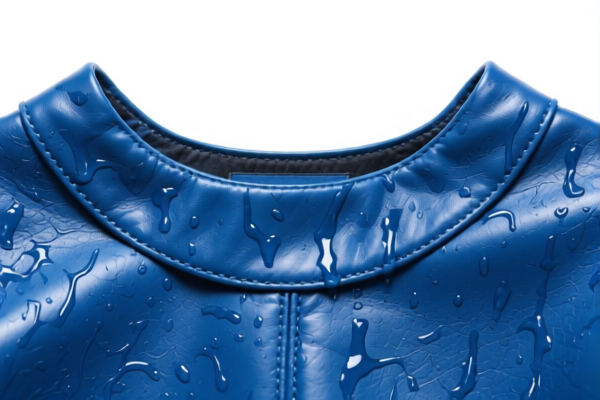
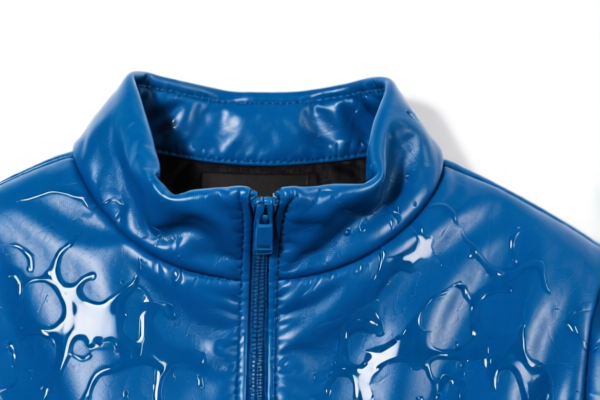
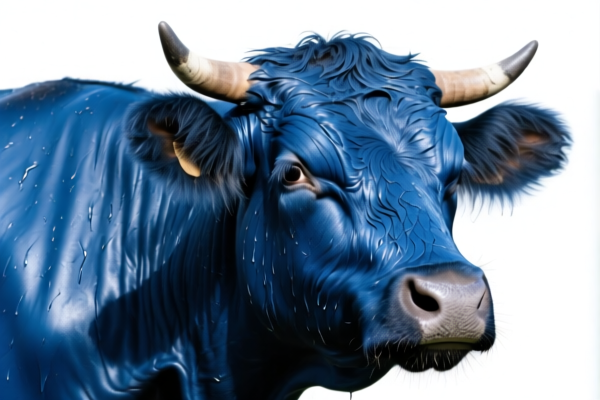
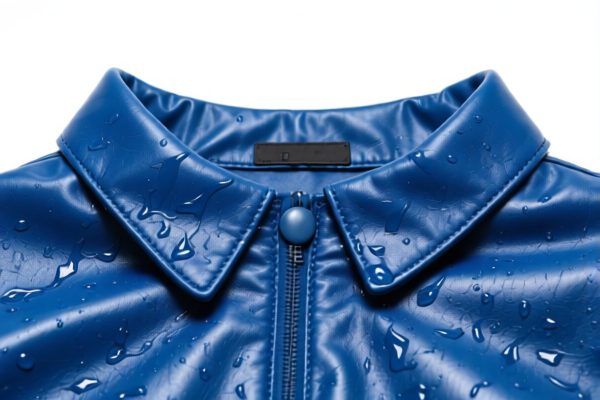
AI Analysis
🥩 Wet Blue Bovine Leather Upper (Cowhide Wet Blue)
🌐 HS Code Reference & Customs Clearance Guide | 2026 Latest Tariff Full Analysis | Professional Entry Strategy for Raw Leather
📌 1. Product Definition & Classification: What Exactly is "Wet Blue Bovine Leather"?
Wet Blue Bovine Leather Upper refers to cowhide that has undergone the pickling and tanning process (typically with chromium salts) but has not yet been dried, retanned, or finished. It is in a critical intermediate state: * Material: Bovine (Cow) hide. * State: "Wet Blue" – The leather is dyed blue due to the chromium tanning agents, keeping it moist and pliable to prevent drying out before further processing. * Processing Level: Tanned but not fully finished. It is not a raw hide (which would be salted/dried/skud) nor a finished leather ready for bags/shoes.
⚠️ Critical Distinction Point:
- If the leather is not yet tanned (only salted/dried/pre-tanned): It falls under Chapter 41 (Raw Hides).
- If the leather is fully tanned, dried, and split: It falls under Chapter 41 (Tanned Leather).
- "Wet Blue" is a specific technical state. Misclassifying it as "Raw Hide" or "Finished Leather" leads to massive tax discrepancies and customs delays.
📦 2. HS Code Classification Matrix (2026 Latest Tariff Authority对照)
The input data provides 5 specific HS Codes for "Wet Blue Bovine Leather." Here is the breakdown based on processing nuance (Split vs. Unsplit, Pre-tanned vs. Un-pre-tanned):
| HS Code | Product Description & Nuance | Application Scenario | Processing State |
|---|---|---|---|
4104.19.50.30 |
Wet Blue Bovine Leather, Unsplit | Standard wet blue hides kept whole (full grain area intact, not split into layers) | Wet Blue, Unsplit |
4107.11.20.00 |
Wet Blue Bovine Leather, Full Grain, Unsplit | Premium wet blue, full-grain surface, no split layers. High value. | Wet Blue, Full Grain, Unsplit |
4101.50.10.20 |
Wet Blue Bovine Leather, Un-tanned (Raw Skin Attribute) | Note: Despite "Wet Blue" name, this code suggests it may be classified as a Raw Hide if the tanning process is incomplete or specific to "wet salted" attributes. Matches "Un-tanned" summary. | Un-tanned / Raw Skin Attribute |
4101.90.10.30 |
Wet Blue Bovine Leather, Other (Un-pre-tanned) | Bovine leather not pre-tanned, falling under "Other" categories of Chapter 41. | Un-pre-tanned / Other |
4104.11.50.30 |
Wet Blue Bovine Leather, Unsplit (General) | Similar to 4104.19.50.30, general wet blue unsplit category. |
Wet Blue, Unsplit |
🔍 Key Reminder:
-4104series generally covers Wet Blue leather (tanned but not dried/finished).
-4101series covers Raw Hides (salted/dried/skud). If your "Wet Blue" is actually just "Salted/Un-tanned," it must go here to avoid false declaration of tanning.
- Splitting Status matters:Unsplit(Full) vs.Splitaffects the duty rate and specific sub-heading.
💰 3. 2026 Latest Tariff Rate Details (Including Surcharges & Policy Add-ons)
✅ Applicable Country: United States (US)
✅ Origin: China (CN)
✅ Effective Time: From November 10, 2025 (Includes subsequent imports)
🎯 1. 4104.19.50.30 & 4104.11.50.30 —— Wet Blue Bovine Leather, Unsplit
| Item | Content |
|---|---|
| Base Tariff Rate | 3.3% (ad valorem) |
| Section 301 Surcharge (USITC) | 0.0% (Note: Some wet blue may be exempt from the 25% Section 301, or this specific sub-heading is exempt) |
| IEEPA Surcharge (Section 122) | +10% (针对中国/香港产品,自2025年11月10日起) |
| Total Tariff Rate | 13.3% |
| Tax Calculation | CIF Value × 13.3% |
| De Minimis Exemption | ❌ Not Eligible (deny_de_minimis) |
| Legal Basis Path | IEEPA:9903.01.24 → USITC:4104.19.50.30 → FOOTNOTE:122 |
📌 Explanation:
- Base 3.3%: Standard MFN tariff for wet blue leather.
- Section 122 (10%): This is a specific trade remedy tariff (often related to national security or specific agricultural/textile raw material controls) applied to Chinese leather.
- No 25% Section 301: Unlike electronics or steel, certain wet blue leathers may have been excluded from the major 25% tariff, BUT they still bear the 10% IEEPA tax.
- Total 13.3% is significantly lower than finished leather (which can be 20%+), making it a cost-effective import for further processing.
🎯 2. 4107.11.20.00 —— Wet Blue Bovine Leather, Full Grain, Unsplit
| Item | Content |
|---|---|
| Base Tariff Rate | 2.4% (ad valorem) |
| USITC Surcharge (Section 301) | +25% (来自USITC Footnote 9903.88.01) |
| IEEPA Surcharge (Section 122) | +10% |
| Total Tariff Rate | 37.4% |
| Tax Calculation | CIF Value × 37.4% |
| De Minimis Exemption | ❌ Not Eligible |
| Legal Basis Path | IEEPA:9903.01.24 → IEEPA:9903.01.25 → USITC:4107.11.20.00 → FOOTNOTE:9903.88.01 |
📌 Warning:
- This is a HIGH TARIFF category.
- Full-grain, unsplit wet blue is considered a higher-value raw material.
- The 25% Section 301 applies here, PLUS the 10% IEEPA.
- Total 37.4% can erase profit margins. Pre-clearance ruling is highly recommended to confirm if your specific grade qualifies for a different sub-heading (e.g.,4104instead of4107) to save ~24%.
🎯 3. 4101.50.10.20 & 4101.90.10.30 —— Classified as Raw/Un-tanned Hides
| Item | Content |
|---|---|
| Base Tariff Rate | 0.0% |
| USITC Surcharge (Section 301) | +7.5% (Note: Specific surcharge for raw hides) |
| IEEPA Surcharge (Section 122) | +10% |
| Total Tariff Rate | 17.5% |
| Tax Calculation | CIF Value × 17.5% |
| De Minimis Exemption | ❌ Not Eligible |
| Legal Basis Path | IEEPA:9903.01.24 → USITC:4101.50.10.20 / 4101.90.10.30 → FOOTNOTE:122 |
📌 Analysis:
- Even though labeled "Wet Blue," if customs determines the tanning is incomplete or the product meets the legal definition of "Un-tanned" (e.g., only pickled, not chromium-tanned), it falls here.
- Base rate is 0%, but the 7.5% surcharge + 10% IEEPA still applies.
- Risk: If you declare as4101(Raw) but it’s actually4104(Tanned), you risk under-declaration penalties. If you declare as4104but it’s4101, you overpay taxes. Accuracy is key.
🛠️ 4. Customs Clearance Practical Advice (Avoiding Pitfalls)
✅ 1. Required Documentation Checklist (Non-Negotiable)
| Document | Must Provide | Explanation |
|---|---|---|
| ✅ Technical Data Sheet | ✔️ | Must specify: Tanning Agent (Chromium III?), Moisture Content, Weight, Dimensions. |
| ✅ Photo of Goods | ✔️ | Clear image showing the "Blue" color (indicating chromium tanning) and "Wet" state. |
| ✅ Commercial Invoice | ✔️ | Must state "Wet Blue Cowhide," not just "Leather" or "Hide." |
| ✅ Packing List | ✔️ | Detail weight (wet weight) vs. dry weight equivalent. |
| ✅ Proof of Tanning Process | ✔️ | Supplier statement or lab test confirming chromium tanning stage. |
| ✅ Origin Certificate | ✔️ | For US-China trade compliance. |
✅ 2. Declaration Tips (Key Mantra)
🔥 "Wet Blue is Tanned, Not Raw; Check Split Status, Pick the Right Code!"
| Scenario | Correct HS Code | Wrong Practice |
|---|---|---|
| Wet Blue, Unsplit, Standard | 4104.19.50.30 (13.3%) |
Declaring as Raw Hide (4101) → Audit Risk |
| Wet Blue, Full Grain, Premium | 4107.11.20.00 (37.4%) |
Declaring as 4104 → Under-declaration Penalty |
| Un-tanned/Salted "Blue-ish" | 4101.50.10.20 (17.5%) |
Declaring as Tanned 4104 → Overpay Taxes |
| Split Leather (Layers) | Check 4104/4107 Sub-categories | Assuming all Wet Blue is 4104.19 |
✅ 3. Special Situation Handling
| Situation | Handling Advice |
|---|---|
| Customs Questions "Wet vs. Dry" | Provide moisture content report. Wet blue is ~50-60% moisture. |
| Color Variance | If not blue (e.g., white/grey), it may not be "Wet Blue" in the traditional sense. Clarify tanning agent. |
| Mix of Split/Unsplit | Declare Separately! Do not mix 4104.19 (Unsplit) with 4104.29 (Split) in one line item. |
| Small Shipments | No De Minimis. All wet blue leather imports are subject to full duty. Do not attempt to split into small parcels. |
🌍 5. Global Market Comparison (2026 Latest)
| Country/Region | Recommended HS Code | Tariff (China Origin) | Certification | Notes |
|---|---|---|---|---|
| 🇺🇸 USA | 4104.19.50.30 |
13.3% (Unsplit) | None specific | High risk of audit on "Wet Blue" definition |
| 🇨🇳 China | 4104.19.50.30 |
9.5% | None | Standard import for tanneries |
| 🇪🇺 EU | 4104.19.00 |
10.5% | REACH (Chemicals) | Strict environmental rules for chromium |
| 🇻🇳 Vietnam | 4104.19.00 |
5-15% | Varies | Often used for re-export processing |
📌 Conclusion:
- The USA is the most complex market due to Section 122 (10%) and potential Section 301 (25%) variations.
-4107codes (Full Grain) are expensive (37.4%). If possible, verify if your product can be classified under4104(13.3%) by checking if it’s truly "Full Grain" vs. "General Wet Blue."
- Chromium Compliance: Ensure the leather meets REACH (EU) and general safety standards, even for raw material imports.
📌 6. Common Errors & Pitfalls (Blood & Tears Lessons)
❌ Error 1: Declaring "Wet Blue" as "Raw Hides" (4101) to avoid tax.
👉 Consequence: Customs labs test for chromium. If found, fine + retroactive tax + audit.
❌ Error 2: Mixing "Split" and "Unsplit" in one declaration.
👉 Consequence: Rejection by CBP, delay, or misclassification of the entire shipment.
❌ Error 3: Ignoring the 10% IEEPA Surcharge.
👉 Consequence: Underpayment of duty. Even if base tax is 0% or 3.3%, the 10% is mandatory for Chinese-origin wet blue.
✅ Correct Practice:
"Wet Blue Bovine Leather, Unsplit, Chromium Tanned, Moisture Content 55%, HS Code 4104.19.50.30"
🎯 7. Conclusion: Precision in Classification Saves Money!
🎯 Remember the Mantra:
🔹 "Wet Blue = Tanned, Not Raw!"
🔹 "Full Grain? Watch the 37.4% Trap!"
🔹 "Unsplit? Aim for 13.3% if possible!"
🔹 "IEEPA 10% is Always On!"
📌 Pro Tip:
If your leather is Full Grain, consult a customs broker BEFORE shipping. Ask if 4107.11.20.00 is the only option or if a different sub-heading under 4104 might apply to save 24% in duties.
📣 Immediate Action:
📞 Contact your customs broker + Provide Product Specs + Apply for Pre-Ruling if unsure.
🚀 Clearance Smoothly, Profit Maximized!
✨ Professional Clearance Starts with Accurate Classification!
💼 Every Dollar Saved in Duty is Pure Profit!
Customer Reviews
About HS Code Classification
The Harmonized System (HS) is an internationally standardized nomenclature developed by the World Customs Organization (WCO) to classify traded products. Over 200 countries use the HS system as the basis for customs tariffs, trade statistics, and import/export regulations.
Each HS code follows a hierarchical structure:
- Chapter (2 digits) — Broad category of goods (e.g., Chapter 84: Machinery and Mechanical Appliances)
- Heading (4 digits) — More specific grouping within the chapter
- Subheading (6 digits) — Internationally standardized breakdown, used by all WCO member countries
- National subdivisions (8-10 digits) — Country-specific extensions for further classification, such as US HTSUS 10-digit codes
Correct HS code classification is essential for smooth customs clearance, accurate duty payment, and compliance with trade regulations. Misclassification can lead to customs delays, overpayment of duties, or penalties.
When importing from CN to US, the applicable tariff rates may include:
- Most-Favored-Nation (MFN) rate — The standard duty rate applied to WTO members
- General rate — Applied to countries without trade agreements
- Trade remedy duties — Additional tariffs such as Section 301 (anti-dumping), Section 232 (national security), or countervailing duties
The information provided on this page is for reference purposes only. For official classification, please consult with your local customs authority or a licensed customs broker.