Wet Blue Dyed Sheepskin
CN → USProduct Images
AI Analysis
🐑 Wet Blue Dyed Sheepskin (Raw Leather Hides)
🌐 HS Code Reference & Customs Clearance Guide | 2026 Latest Tariff Analysis | Professional-Level Entry Strategy
📌 1. Product Definition & Classification: What Exactly is "Wet Blue Dyed Sheepskin"?
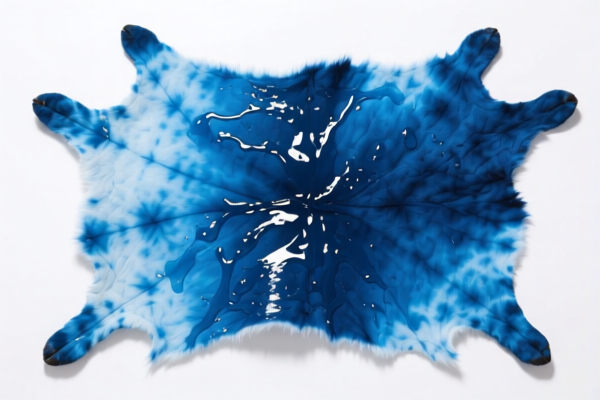
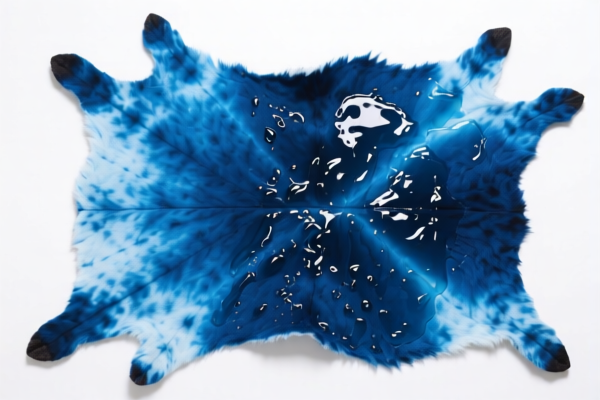
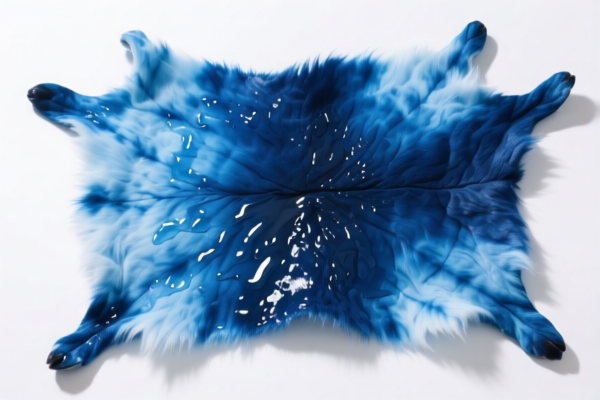
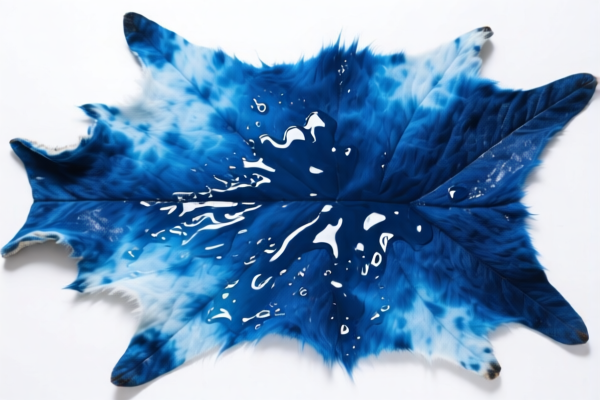
Wet Blue Dyed Sheepskin refers to sheep hides that have undergone the tanning process (specifically using chromium salts) and dyeing, but have not yet been finished, dried, or tacked. They are in a semi-processed state, typically moist and blueish due to the chrome tanning agents.
In international trade, these are classified under Chapter 41 (Animal Skins and Leathers), specifically as Tanned Fur Skins.
⚠️ Critical Distinction:
- Raw/Untanned Skins → Chapter 41, Headings 03 or 04 (e.g., 4101/4102) → Subject to high duties in some regions.
- Wet Blue/Tanned Skins → Chapter 41, Heading 4104 (Leather further processed) → Generally lower base duties, but subject to US Section 301 tariffs if from China.
- Finished Leather → Also 4104, but finished state doesn’t change the HS code group, only the description.
📦 2. HS Code Classification Details (2026 Latest Tariff Authority Cross-Reference)
| HS Code | Product Description | Application Scenario | Tanning Type |
|---|---|---|---|
4104.54.00.00 |
Cow/pig leather (not included in 4104.41/42) – Note: For sheep, see below | Not applicable | - |
4104.51.00.00 |
Sheepskin/Pelt, chrome-tanned (Wet Blue), dyed | Semi-processed leather for upholstery, garment, glove making | ✅ Chrome (Wet Blue) |
4104.49.00.00 |
Other bovine/pig leather, finished | Not applicable | - |
4105.30.00.00 |
Sheepskin/Pelt, finished (non-wet blue) | Ready-to-use leather | ❌ No |
4102.21.00.00 |
Raw sheepskin (no tanning) | Wool-on hide, not tanned | ❌ Untanned |
🔍 Key Reminder:
- "Wet Blue" specifically indicates chrome-tanned, wet state.
- HS Code4104.51.00.00is the most accurate for dyed, chrome-tanned sheepskins intended for further processing.
- If the sheepskin is not dyed but still chrome-tanned, it may fall under4104.11.00.00(Chrome-tanned, not further processed), but dyed moves it to 4104.51 in many national sub-divisions. Always verify with local customs.
💰 3. 2026 Latest Tariff Rate Breakdown (Including Additional Duties, Policy Add-ons)
✅ Applicable Country: United States (US)
✅ Origin: China (CN)
✅ Effective Date: November 10, 2025 onwards (including subsequent imports)
🎯 1. 4104.51.00.00 —— Dyed Chrome-Tanned Sheepskin (Wet Blue)
| Item | Content |
|---|---|
| Base Tariff Rate | 0% (ad valorem) |
| USITC Additional Tariff | +25% (from USITC Footnote 9903.88.01) |
| IEEPA Additional Tariff | +10% (for Chinese/Hong Kong products, from Nov 10, 2025) |
| Total Tariff Rate | 35% |
| Tax Calculation | CIF Value × 35% |
| De Minimis Eligibility | ❌ Not Eligible (deny_de_minimis) |
| Legal Authority Path | IEEPA:9903.01.25 → IEEPA:9903.01.24 → USITC:4104.51.00.00 → FOOTNOTE:9903.88.01 |
📌 Explanation:
- The 25% USITC tariff is imposed under Section 301 of the Trade Act for certain leather products.
- The 10% IEEPA tariff is an additional levy under the International Emergency Economic Powers Act for Chinese origin goods.
- Total 35% is significant. Although the base rate is 0%, the additional tariffs make it costly.
- No de minimis exemption: Shipments under $800 are not exempt from these additional tariffs for Chinese-origin wet blue sheepskin.
🛠️ 4. Customs Clearance Practical Advice (Battle-Tested Pitfall Guide)
✅ 1. Required Documentation Checklist (Mandatory)
| Document | Must Provide | Description |
|---|---|---|
| ✅ Product Specification Sheet | ✔️ | Includes weight, size, dye color, tanning agent (chrome), moisture content |
| ✅ Photos (Labeled) | ✔️ | Clear images showing wet state, dye color, and any labels |
| ✅ Certificate of Origin (CO) | ✔️ | Crucial for determining origin-based tariffs (China vs. Vietnam/etc.) |
| ✅ Commercial Invoice | ✔️ | Must state: "Wet Blue Dyed Sheepskin, Chrome-Tanned, for further processing" |
| ✅ Packing List | ✔️ | Detail gross/net weight, number of hides, packaging type |
| ✅ Test Report (Optional but Recommended) | ✔️ | Chrome VI content test (EU REACH compliance if exporting to Europe) |
✅ 2. Declaration Tips (Key Mantra)
🔥 "Wet Blue is Chrome-Tanned, Not Raw. Declare Correctly, Avoid 35% Shock!"
| Scenario | Correct Declaration | Wrong Practice |
|---|---|---|
| Wet Blue Dyed Sheepskin (China Origin) | 4104.51.00.00 + "Wet Blue Dyed Sheepskin, Chrome-Tanned" |
Misdeclare as "Raw Skin" (4102) → 10-20% base duty + 301 tariffs |
| Wet Blue Dyed Sheepskin (Non-China Origin) | 4104.51.00.00 + "Wet Blue Dyed Sheepskin, Chrome-Tanned" |
No IEEPA tariff, only 25% USITC (if applicable) |
| Finished Sheepskin Leather | 4104.51.00.00 or 4104.41/42 |
Misdeclare as "Wet Blue" → If finished, still 4104, but description must match state |
📌 Note:
- Do not declare as "Animal Skin" or "Hide" without specifying "Tanned/Wet Blue".
- Do not split shipments to avoid de minimis; CBP is vigilant about Chinese leather goods.
✅ 3. Special Case Handling
| Scenario | Handling Advice |
|---|---|
| OEM for Garment Manufacturer | Provide end-use documentation; may help in valuation but not in tariff reduction |
| Mixed Hides (Sheep + Goat) | If mixed, declare based on principal material or weight majority. If equal, use higher tariff code |
| Export to EU/UK | Ensure Chrome VI compliance (REACH Regulation). Wet blue must be tested for hexavalent chromium |
| Export to Canada/Mexico (USMCA) | Verify origin criteria. If processed in China, no preferential tariff. If processed in Mexico, may qualify under USMCA |
🌍 5. Global Market Customs Comparison (2026 Latest)
| Country/Region | Recommended HS Code | Tariff Rate (China Origin) | Certification Requirement | Notes |
|---|---|---|---|---|
| 🇺🇸 USA | 4104.51.00.00 |
35% (25% USITC + 10% IEEPA) | None specific for entry | High cost due to trade war |
| 🇪🇺 EU | 4104.51.00 |
0% (Most Favored Nation) | REACH (Chrome VI test) | No additional tariffs |
| 🇨🇳 China | 4104.51.00 |
0% | CCC (if for domestic sale) | Zero import duty |
| 🇯🇵 Japan | 4104.51.00 |
0% | JIS Standard (optional) | Zero duty |
| 🇦🇺 Australia | 4104.51.00 |
5% | None specific | Low duty |
📌 Conclusion:
- USA is the most expensive market for Chinese Wet Blue Sheepskin due to 35% total tariffs.
- EU, China, Japan offer 0% base duty, making them more attractive for re-export or local use.
- Recommendation: If targeting the US, consider supply chain diversification (e.g., sourcing from Vietnam, India, or EU) to avoid 35% tariffs.
📌 6. Common Mistakes & Pitfall Guide (Lessons Learned)
❌ Mistake 1: Declaring "Wet Blue" as "Raw Skin"
👉 Consequence: Customs may reclassify and apply 10-20% base duty + 35% additional → Total >45% + penalties!
❌ Mistake 2: Ignoring Chrome VI Content
👉 Consequence: Shipment rejected in EU/UK due to REACH non-compliance → Destroyed or returned at exporter’s cost.
❌ Mistake 3: Not stating "Chrome-Tanned" in description
👉 Consequence: Customs怀疑 (suspects) raw skin → Delays, inspections, potential fines.
❌ Mistake 4: Assuming de minimis ($800) applies
👉 Consequence: CBP denies de minimis for Chinese wet blue sheepskin → Full 35% tariff on small shipments.
✅ Correct Approach:
"Wet Blue Dyed Sheepskin, Chrome-Tanned, Unfinished, HS Code 4104.51.00.00, Origin: China, for further processing into leather goods."
🎯 7. Conclusion: Smart Declaration, Save Costs, Ensure Clearance!
🎯 Remember the Mantra:
🔹 "Wet Blue = Chrome-Tanned, Not Raw. USA: 35% Duty, EU: 0% Duty."
🔹 "Chrome VI Test is Mandatory for EU. No De Minimis for US-China Leather."
📌 Pro Tip:
If your Wet Blue Sheepskin is originally from Vietnam, India, Turkey, or Argentina, you may qualify for 0% USITC/IEEPA tariffs in the US.
Recommendation: Apply for Pre-Ruling with US CBP if unsure about classification.
For EU exports, always provide a REACH Compliance Certificate.
📣 Take Action Now:
📞 Consult a licensed customs broker + Provide Product Photos + Verify REACH Compliance
🚀 Ensure your Wet Blue Sheepskin, clears customs smoothly, efficiently, and cost-effectively!
✨ Professional Clearance Starts with Accurate Classification!
💼 Every Penny Saved in Duty is Pure Profit!
Customer Reviews
About HS Code Classification
The Harmonized System (HS) is an internationally standardized nomenclature developed by the World Customs Organization (WCO) to classify traded products. Over 200 countries use the HS system as the basis for customs tariffs, trade statistics, and import/export regulations.
Each HS code follows a hierarchical structure:
- Chapter (2 digits) — Broad category of goods (e.g., Chapter 84: Machinery and Mechanical Appliances)
- Heading (4 digits) — More specific grouping within the chapter
- Subheading (6 digits) — Internationally standardized breakdown, used by all WCO member countries
- National subdivisions (8-10 digits) — Country-specific extensions for further classification, such as US HTSUS 10-digit codes
Correct HS code classification is essential for smooth customs clearance, accurate duty payment, and compliance with trade regulations. Misclassification can lead to customs delays, overpayment of duties, or penalties.
When importing from CN to US, the applicable tariff rates may include:
- Most-Favored-Nation (MFN) rate — The standard duty rate applied to WTO members
- General rate — Applied to countries without trade agreements
- Trade remedy duties — Additional tariffs such as Section 301 (anti-dumping), Section 232 (national security), or countervailing duties
The information provided on this page is for reference purposes only. For official classification, please consult with your local customs authority or a licensed customs broker.