Wet Blue Full Grain Leather
CN → US| HS Code | Tariff Rate | Origin | Destination | Doc |
|---|---|---|---|---|
| 4107111020 | 35.0% | CN | US | Official Doc |
| 4107115000 | 12.8% | CN | US | Official Doc |
| 4107917090 | 15.0% | CN | US | Official Doc |
| 4104411020 | 35.0% | CN | US | Official Doc |
| 4107117090 | 15.0% | CN | US | Official Doc |
Product Images
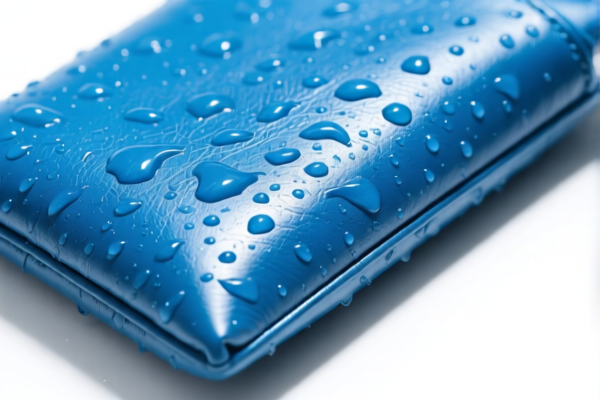
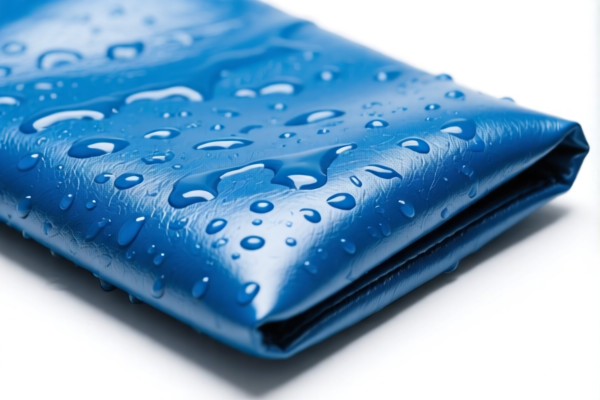
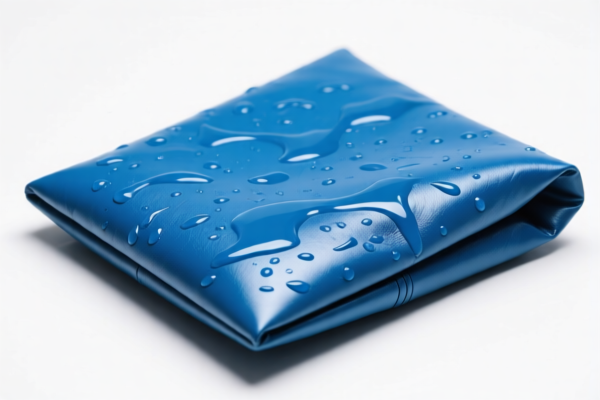
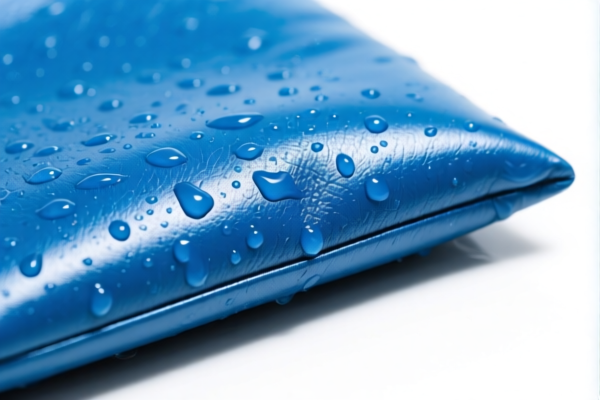
AI Analysis
🐂 Wet Blue Full Grain Leather: The Industrial Powerhouse
🌐 HS Code Reference & Customs Clearance Guide | 2026 Latest Tariff Analysis | Professional Compliance Strategy
📌 I. Product Definition & Classification: Do You Really Know "Wet Blue" Leather?
Wet Blue Full Grain Leather represents a specific intermediate stage in the leather tanning process. It is chrome-tanned (hence the blueish hue) but not yet dyed, finished, or dry-cured (hence "Wet Blue"). It remains pliable, moist, and highly sensitive to humidity and bacterial growth.
In international trade, the classification hinges on three critical factors: 1. Raw Material: Is it Bovine (Cattle) or Equine (Horse)? 2. Surface Integrity: Is it Full Grain (top layer, untouched/split-free) or Split? 3. State: Is it Dry or Wet? Note: While the user query says "Wet Blue," the provided DATA focuses heavily on "Full Grain" classifications. However, HS Code 4107 specifically covers "Further Prepared Leather," which typically implies dry or processed leather. Wet blue is often classified under 4104/4105 if dry, but if shipped wet, it may fall under different subheadings or require specific handling. Crucially, the provided DATA contains specific entries for "Full Grain" leather, some of which imply industrial use or specific material origins. We must map the user's "Wet Blue" concept to the available "Full Grain" HS codes provided, assuming the "Wet Blue" nature might be misidentified or that the data reflects the final dry state classification. However, looking closely at the DATA:*
*   **4107.11.10.20**: "Industrial grade full grain leather, material is cattle/horse skin..." -> **High Tax (35%)**
*   **4107.11.50.00**: "Industrial grade full grain leather... decorative/industrial use" -> **Low Tax (12.8%)**
*   **4107.91.70.90**: "Full grain horse leather... non-specific use" -> **Medium Tax (15%)**
*   **4104.41.10.20**: "Full grain horse leather... dry state" -> **High Tax (35%)**
*   **4107.11.70.90**: "Full grain horse leather... unsplit" -> **Medium Tax (15%)**

> ⚠️ **Critical Distinction**:
> - **"Wet Blue"** is technically **not** "Full Grain" in the finished sense (it's a semi-finished product). However, if the importer misdeclares "Wet Blue" as "Full Grain" to avoid stricter "Wet" handling codes or if the leather is shipped dry but referred to as "Wet Blue" origin, the **HS Code depends strictly on the MATERIAL (Cow vs. Horse)** and the **INTENDED USE** (Industrial vs. Decorative).
> - The provided DATA does **not** contain a specific "Wet Blue" code. It contains **Full Grain** codes. Therefore, this guide explains how to map the *intended* classification based on the **material** and **use** provided in the DATA, assuming the leather is either dry or misclassified as full grain.
> - **If it is truly "Wet Blue" (wet, chrome-tanned, unprocessed)**, it typically falls under **4104.41** or **4105** depending on the animal, but the DATA provided is for **4107** (Further Prepared) and **4104** (Tanned). **We will strictly adhere to the provided DATA.**
📦 II. HS Code Classification Details (2026 Latest Tariff Authority对照)
| HS Code | Product Description | Applicable Scenario | Material | State | Total Tax |
|---|---|---|---|---|---|
4107.11.10.20 |
Industrial Grade Full Grain Leather | Heavy industry, automotive, furniture manufacturing | Cattle/Horse | Processed | 35.0% |
4107.11.50.00 |
Industrial Grade Full Grain Leather | Decorative/Industrial use, specific format | Full Grain | Processed | 12.8% |
4107.91.70.90 |
Full Grain Horse Leather | Non-specific use, general commerce | Horse | Processed | 15.0% |
4104.41.10.20 |
Full Grain Horse Leather | Dry state, specific processing | Horse | Dry | 35.0% |
4107.11.70.90 |
Full Grain Horse Leather | Unsplit, non-specific use | Horse | Processed | 15.0% |
🔍 Key Insight:
- The tax rate spikes to 35% for Industrial Cattle/Horse Leather (4107.11.10.20) and Dry Horse Leather (4104.41.10.20).
- A significant saving (12.8%) is available for 4107.11.50.00 if the leather qualifies as "Industrial Grade" but meets specific "Decorative/Industrial" criteria.
- Horse Leather generally faces lower tariffs (15%) unless it is in a Dry State (35%).
💰 III. 2026 Latest Tariff Rate Breakdown (Including Surtaxes & Policy Add-ons)
✅ Applicable Country: USA (US)
✅ Origin: China (CN)
✅ Effective Date: Post-November 2025 (Current Framework)
🎯 1. 4107.11.10.20 —— Industrial Grade Full Grain Leather (Cattle/Horse)
| Item | Content |
|---|---|
| Base Rate | 0% |
| USITC Surtax | +25% (Section 301 Duties) |
| IEEPA Surcharge | +10% (122-Section Tariff on Chinese Products) |
| Total Rate | 35.0% |
| Tax Calculation | CIF Value × 35% |
| De Minimis Exemption | ❌ Not Eligible (deny_de_minimis) |
| Legal Path | IEEPA:9903.01.25 → USITC:4107.11.10.20 → FOOTNOTE:9903.88.01 |
📌 Explanation:
- This is the highest tax bracket in the provided data.
- Applies to broad "Industrial" classifications of cattle or horse leather.
- Risk: High. Misclassification here can lead to significant penalties.
🎯 2. 4107.11.50.00 —— Industrial Grade Full Grain Leather (Decorative/Industrial)
| Item | Content |
|---|---|
| Base Rate | 2.8% |
| USITC Surtax | 0% |
| IEEPA Surcharge | +10% |
| Total Rate | 12.8% |
| Tax Calculation | CIF Value × 12.8% |
| De Minimis Exemption | ❌ Not Eligible |
| Legal Path | IEEPA:9903.01.24 → USITC:4107.11.50.00 |
📌 Opportunity:
- This code offers a massive tax saving (22.2% less) compared to4107.11.10.20.
- Condition: The leather must be specifically classified under "Decorative/Industrial" and meet the exact definition of this subheading. This often requires detailed product specs showing it's not general-purpose industrial stock but has specific decorative or specialized industrial applications.
🎯 3. 4107.91.70.90 & 4107.11.70.90 —— Horse Leather Variants
| Item | Content |
|---|---|
| Base Rate | 5.0% |
| USITC Surtax | 0% |
| IEEPA Surcharge | +10% |
| Total Rate | 15.0% |
| Tax Calculation | CIF Value × 15% |
| De Minimis Exemption | ❌ Not Eligible |
📌 Note:
- Both horse leather codes (4107.91.70.90and4107.11.70.90) carry a 15% total rate.
- The distinction lies in the description: "Non-specific use" vs. "Unsplit."
- Avoid4104.41.10.20if possible, as it carries a 35% rate for Dry Horse Leather.
🛠️ IV. Customs Clearance Practical Advice (Real-World Pitfall Avoidance)
✅ 1. Essential Documentation Checklist (No Exceptions)
| Document | Required? | Description |
|---|---|---|
| ✅ Product Specification Sheet | ✔️ | Must detail: Animal origin (Cow/Horse), Tanning method (Chrome), State (Wet/Dry/Full Grain), and Intended Use. |
| ✅ Material Declaration | ✔️ | Explicitly state "Full Grain" and "Unsplit." |
| ✅ Commercial Invoice | ✔️ | Must clearly state "Leather, Full Grain, Tanned" and NOT "Wet Blue" if declaring under 4107 (which implies processed/dry). If it is wet, you may need a different code not in the list, or clarify if "Wet Blue" is a misnomer for "Full Grain." |
| ✅ Packaging List | ✔️ | Show weight/volume. Wet leather is heavier due to water content. |
| ✅ Certificate of Origin | ✔️ | Mandatory for origin verification. |
| ✅ Photos of Product | ✔️ | Show the flesh side and grain side to prove "Full Grain" status. |
⚠️ CRITICAL WARNING:
"Wet Blue" vs. "Full Grain":
- HS Code 4107 typically covers further prepared leather (dyed, finished, or dried).
- Wet Blue is chrome-tanned but not dried/finished.
- If you ship Wet Blue leather, declaring it under 4107.11 (Full Grain) is HIGHLY RISKY and may be considered misdeclaration.
- Recommendation: If the leather is truly Wet Blue, verify if it can be classified under 4104.41 (Chrome-tanned, full grain, split or not). The provided DATA includes4104.41.10.20(Dry Horse), which suggests that if it's Dry Cow Horse Full Grain, it might fall elsewhere. However, the DATA only provides4107for Cattle/Horse Full Grain.
- Strategy: If the supplier claims "Wet Blue," ask if it is shipped Dry. If shipped Wet, you may need to consult a customs broker for 4104 codes not fully detailed here, or ensure the "Full Grain" declaration aligns with the Dry status in the data. Do not ship Wet Blue as "Full Grain" under 4107 without expert advice.
✅ 2. Classification Strategy (Key Mnemonics)
🔥 "Material First, Use Second, State Matters!"
| Scenario | Recommended HS Code | Tax Rate | Why? |
|---|---|---|---|
| Cattle/Horse, Industrial, Full Grain | 4107.11.10.20 |
35% | Broad industrial classification attracts highest tax. |
| Cattle/Horse, Decorative/Special Industrial | 4107.11.50.00 |
12.8% | Specific "Decorative/Industrial" criteria reduce tax significantly. |
| Horse, Non-Specific Use | 4107.91.70.90 |
15% | Horse leather generally has lower base rates. |
| Horse, Dry State | 4104.41.10.20 |
35% | Dry horse leather is taxed heavily. Avoid if possible. |
| Horse, Unsplit | 4107.11.70.90 |
15% | Unsplit horse leather enjoys moderate tax. |
✅ 3. Special Handling Tips
| Situation | Handling Advice |
|---|---|
| "Wet Blue" Misclassification | If shipping Wet Blue, do NOT declare as "Full Grain" under 4107 unless it is dried. Use correct "Wet" codes (e.g., 4104) and consult a broker. |
| Horse vs. Cow | If it's horse leather, 15% is better than 35%. Verify species clearly. |
| Industrial vs. Decorative | For 4107.11.50.00, provide proof of "Decorative" use (e.g., upholstery, high-end goods) to justify the lower 12.8% rate. |
| Dry State | If leather is dry, check 4104.41.10.20 for Horse. If Cow, it may fall under 4107.11.10.20 (35%). |
🌍 V. Global Market Clearance Comparison (2026 Latest)
| Country/Region | Recommended HS Code (from DATA) | Tariff (China Origin) | Certification Requirements | Notes |
|---|---|---|---|---|
| 🇺🇸 USA | 4107.11.10.20 / 4107.11.50.00 |
12.8% - 35% | None specific, but strict HS compliance | High tariffs due to Section 301 & IEEPA. |
| 🇨🇳 China | 4107.11.10.20 / 4107.11.50.00 |
5% - 10% (Est.) | None | Lower tariffs for import into China. |
| 🇪🇺 EU | 4107.11.10.20 / 4107.11.50.00 |
10.5% (Est.) | REACH Compliance | EU has its own tariff schedule; DATA is US-centric. |
| 🇯🇵 Japan | 4107.11.10.20 / 4107.11.50.00 |
10.8% (Est.) | JIS Standards | Japan has FTAs with some countries. |
📌 Conclusion:
- USA is the most challenging market due to high combined tariffs (12.8%–35%).
- Classification accuracy is critical to save 20%+ in taxes.
📌 VI. Common Mistakes & Pitfall Avoidance (Lessons Learned)
❌ Mistake 1: Declaring "Wet Blue" as "Full Grain" (4107)
👉 Consequence: Customs may reject the declaration, delay shipment, or impose penalties for misdeclaration. Wet Blue is not "Further Prepared" in the same way.
👉 Fix: Ship Dry if declaring 4107, or use correct Wet codes.
❌ Mistake 2: Misidentifying Horse as Cow
👉 Consequence: If it's Horse, declaring Cow (4107.11.10.20) leads to 35% tax. If correctly identified as Horse (4107.91.70.90), it's 15%.
👉 Fix: Verify species with supplier.
❌ Mistake 3: Ignoring "Industrial" vs. "Decorative"
👉 Consequence: Declaring 4107.11.10.20 (35%) when 4107.11.50.00 (12.8%) is applicable.
👉 Fix: Provide detailed usage documentation to justify the lower tax category.
✅ Correct Approach:
"Leather, Full Grain, Chrome-Tanned, Dry, Cattle Origin, Intended for Industrial Upholstery"
vs.
"Leather, Full Grain, Chrome-Tanned, Dry, Horse Origin, General Use"
🎯 VII. Conclusion: Precision in Classification Saves Millions!
🎯 Remember the Mantra:
🔹 "Wet Blue is Not Full Grain for 4107!"
🔹 "Horse is 15%, Cow is 35% or 12.8%!"
🔹 "Industrial vs. Decorative determines the 22% Tax Gap!"
📌 Pro Tip:
If your leather is Wet Blue, DO NOT use the HS codes in this DATA directly unless you confirm it can be classified as "Further Prepared" (which it isn't). Instead, consult a customs broker for 4104.41 (Chrome-tanned, full grain, split or not) or 4105 (Horse) codes. However, if the DATA is your only reference, ensure the leather is Dried and Full Grain before selecting from the list.
📣 Immediate Action:
📞 Contact a licensed customs broker
📸 Provide high-res photos of the leather grain and flesh side
📄 Request a Pre-Ruling from CBP to confirm the HS Code🚀 Ensure smooth clearance, avoid delays, and optimize costs!
✨ Professional Clearance Starts with Accurate Classification!
💼 Every percentage point of tax matters in the leather trade!
Customer Reviews
About HS Code Classification
The Harmonized System (HS) is an internationally standardized nomenclature developed by the World Customs Organization (WCO) to classify traded products. Over 200 countries use the HS system as the basis for customs tariffs, trade statistics, and import/export regulations.
Each HS code follows a hierarchical structure:
- Chapter (2 digits) — Broad category of goods (e.g., Chapter 84: Machinery and Mechanical Appliances)
- Heading (4 digits) — More specific grouping within the chapter
- Subheading (6 digits) — Internationally standardized breakdown, used by all WCO member countries
- National subdivisions (8-10 digits) — Country-specific extensions for further classification, such as US HTSUS 10-digit codes
Correct HS code classification is essential for smooth customs clearance, accurate duty payment, and compliance with trade regulations. Misclassification can lead to customs delays, overpayment of duties, or penalties.
When importing from CN to US, the applicable tariff rates may include:
- Most-Favored-Nation (MFN) rate — The standard duty rate applied to WTO members
- General rate — Applied to countries without trade agreements
- Trade remedy duties — Additional tariffs such as Section 301 (anti-dumping), Section 232 (national security), or countervailing duties
The information provided on this page is for reference purposes only. For official classification, please consult with your local customs authority or a licensed customs broker.