Wet Blue Lamb Skin
CN → USProduct Images
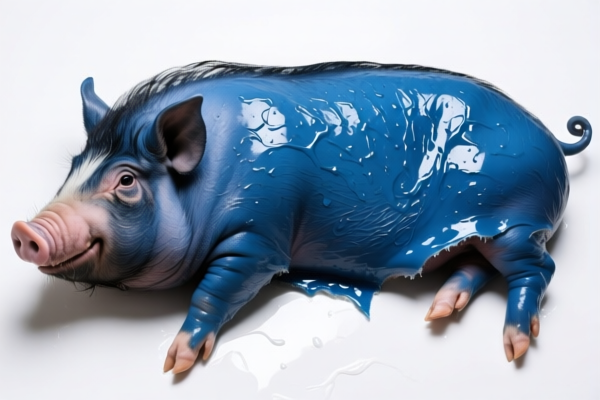
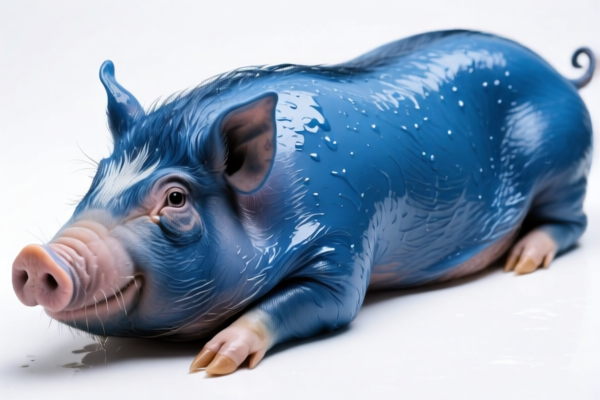
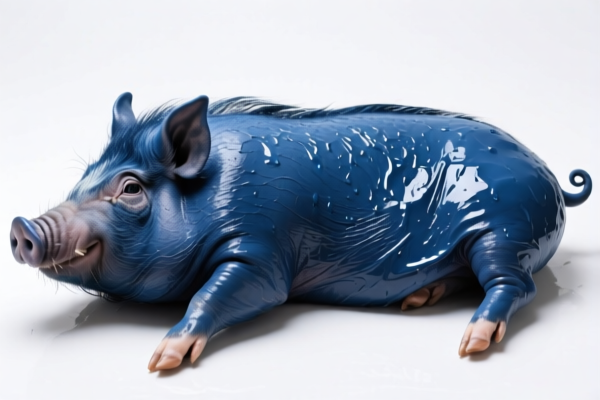
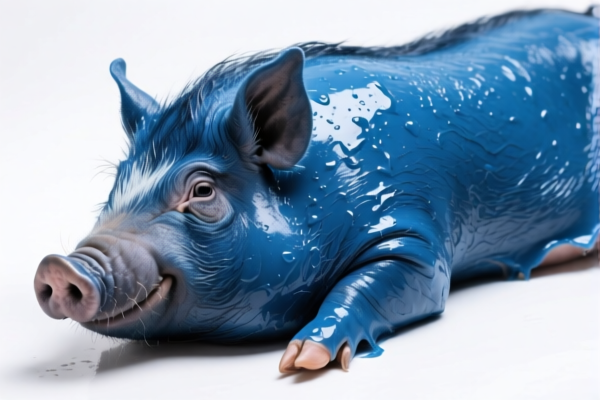
AI Analysis
🐑 Wet Blue Lamb Skin (Tanned Leather)
🌐 HS Code Reference & Customs Clearance Guide | 2026 Latest Tariff Analysis | Professional-Level Compliance Strategy
📌 I. Product Definition & Classification: Do You Really Understand "Wet Blue"?
Wet Blue Lamb Skin refers to sheep or lamb skins that have undergone the tanning process using chromium salts (chrome tanning) but have not yet undergone the subsequent "wet finishing" processes such as dyeing, fatliquoring, drying, and buffing. They are characterized by their blueish tint (due to the chromium complex) and high moisture content.
In international trade, they are strictly distinguished from: * "Wet White" or "Finished Leather": Already dyed, dried, and polished; ready for garment or bag manufacturing. * "Raw Hides/Skins": Salted or fresh, untreated skins. * "Chrome Tanned Sheepskin (Finished)": Fully processed leather.
⚠️ Key Distinction Point:
- If the skin is chrome-tanned but NOT dried, dyed, or finished → Classified under 4104 (Chrome-tanned leather).
- If the skin is finished (dyed, dried, polished) → Classified under 4107 (Finished leather) or potentially 4106 (Other tanned leather) depending on specific processing, but typically 4107 if it's fully finished sheepskin.
- Crucial Note: "Wet Blue" is a semi-processed intermediate good. It is NOT "raw hide" (Chapter 41 heading 4103) nor "finished leather" (Chapter 41 heading 4107).
📦 II. HS Code Classification Details (2026 Latest Tariff Authority Alignment)
| HS Code | Product Description | Application Scenario | Processing Stage | Contains Chrome? |
|---|---|---|---|---|
4104.41.00.00 |
Bovine leather (including buffalo), chrome-tanned | Cow hides, buffalo skins | Chrome-tanned, not finished | ✅ Yes |
4104.49.00.00 |
Other bovine leather, chrome-tanned | Non-bovine but similar treatment | Chrome-tanned, not finished | ✅ Yes |
4105.30.00.00 |
Sheep or lamb skins, chrome-tanned, not further prepared | Wet Blue Lamb Skin (Unfinished, moist, blue tint) | Chrome-tanned, NOT dried/dyed/buffed | ✅ Yes |
4107.31.00.00 |
Sheep or lamb skins, chrome-tanned, fully finished | Finished leather for jackets, gloves | Tanned + Dyed + Dried + Finished | ✅ Yes |
4106.22.00.00 |
Sheep or lamb skins, vegetable-tanned | Vegetable-tanned lamb skin (rare for "wet blue") | Vegetable-tanned | ❌ No |
4103.30.00.00 |
Sheep or lamb skins, other tanning methods | Non-chrome, non-veg (e.g., alum-tanned) | Other methods | ❌ No |
🔍 Key Reminder:
- "Wet Blue" specifically falls under4105.30.00.00because it is chrome-tanned sheep/lamb skin that is not further prepared (i.e., not dried, dyed, or fatliquored for final use).
- If the product is dried or dyed, it may move to 4107 (Finished Leather), which has different tariff implications.
- Misclassification as "Finished Leather" (4107) when it is "Wet Blue" (4105) can lead to significant tariff differences and customs penalties.
💰 III. 2026 Latest Tariff Rate Breakdown (Including Surtaxes & Policy Add-ons)
✅ Applicable Country: United States (US)
✅ Country of Origin: China (CN)
✅ Effective Date: From November 10, 2025 (and subsequent imports)
🎯 1. 4105.30.00.00 —— Sheep or Lamb Skin, Chrome-Tanned, Not Further Prepared
| Item | Content |
|---|---|
| Base Duty Rate | 5% (ad valorem) |
| USITC Surtax (Section 301) | +25% (from USITC Footnote 9903.41.01) |
| IEEPA Surtax | +10% (for China/Hong Kong products, effective from Nov 10, 2025) |
| Total Duty Rate | 40% |
| Tax Calculation | CIF Value × 40% |
| De Minimis Eligibility | ❌ Not Eligible (deny_de_minimis) |
| Legal Basis Path | IEEPA:9903.01.25 → IEEPA:9903.01.24 → USITC:4105.30.00.00 → FOOTNOTE:9903.41.01 |
📌 Explanation:
- The "USITC Surtax 25%" is imposed under Section 301 of the Trade Act against Chinese goods.
- The "IEEPA 10%" is an additional surcharge under the International Emergency Economic Powers Act targeting Chinese imports.
- Total 40% is a high duty rate, requiring careful cost prediction and supply chain planning.
🎯 2. Comparison: If Misclassified as Finished Leather (4107.31.00.00)
| Item | Content |
|---|---|
| Base Duty Rate | 5% (ad valorem) |
| USITC Surtax (Section 301) | +25% |
| IEEPA Surtax | +10% |
| Total Duty Rate | 40% |
| Tax Calculation | CIF Value × 40% |
| De Minimis Eligibility | ❌ Not Eligible |
| Legal Basis Path | IEEPA:9903.01.25 → IEEPA:9903.01.24 → USITC:4107.31.00.00 → FOOTNOTE:9903.41.01 |
📌 Note:
- While the total rate is the same (40%), the HS Code must be accurate to avoid customs delays, audits, or penalties.
- "Wet Blue" is a specific intermediate product; declaring it as "Finished Leather" is a misrepresentation of the processing stage.
🛠️ IV. Customs Clearance Practical Advice (Real-World Pitfall Avoidance Guide)
✅ 1. Preparation Checklist (Essential Documents)
| Document | Required | Description |
|---|---|---|
| ✅ Product Specification Sheet | ✔️ | Must state: "Chrome-Tanned," "Wet Blue," "Not Dried/Finished," Moisture Content %, Weight |
| ✅ Technical Data Sheet (TDS) | ✔️ | Details tanning process (Chrome V), pH level, color (blue/grey) |
| ✅ Product Photos | ✔️ | Clear images showing wet, pliable state, blue/grey color, no dye/buffing |
| ✅ Certificate of Origin (CO) | ✔️ | Required for origin verification and potential trade agreement benefits |
| ✅ Commercial Invoice | ✔️ | Must explicitly describe as "Wet Blue Lamb Skin, Chrome-Tanned, Unfinished" |
| ✅ Packing List | ✔️ | Detail weight, dimensions, and packing method (usually wet-packed in plastic) |
| ✅ FCC/CE/RoHS | ❌ | Not applicable for raw semi-leather, but REACH compliance may be checked |
✅ 2. Declaration Tips (Key Mantra)
🔥 "Wet Blue is Not Raw, Not Finished, Declare Chrome, Avoid Mishandling!"
| Scenario | Correct Declaration | Incorrect Practice |
|---|---|---|
| Wet Blue Lamb Skin | 4105.30.00.00 - "Chrome-Tanned Sheepskin, Not Further Prepared" |
Misdeclare as "Finished Leather" (4107) → Risk of penalty |
| Salted Raw Lamb Skin | 4106.22.00.00 or 4103.30.00.00 |
Misdeclare as "Tanned Leather" → Incorrect HS Code |
| Finished Leather Jacket | 4203.29.00.00 (Garment) |
Misdeclare as "Raw Leather" → Incorrect Tariff |
| Leather Waste/Shavings | 4115.10.00.00 |
Misdeclare as "Whole Skins" → Incorrect Classification |
✅ 3. Special Case Handling
| Scenario | Handling Advice |
|---|---|
| High Moisture Content | Ensure packing is leak-proof to avoid customs rejection due to hygiene/pest concerns |
| Chrome Residue Limits | Ensure compliance with REACH (EU) or CPSIA (US) if applicable, though less critical for intermediate goods |
| Origin Marking | Clearly mark "Made in China" on packaging to avoid origin fraud accusations |
| Mixed Shipments | If mixed with finished leather, declare separately to avoid HS Code confusion |
🌍 V. Global Market Customs Comparison (2026 Latest)
| Country/Region | Recommended HS Code | Duty Rate (China Origin) | Certification Requirements | Remarks |
|---|---|---|---|---|
| 🇺🇸 USA | 4105.30.00.00 |
40% (5% Base + 25% 301 + 10% IEEPA) | None specific for leather, but REACH compliance recommended | High duty due to Section 301 and IEEPA |
| 🇨🇳 China | 4105.30.00.00 |
5% (Import Duty) | CCC (if finished, not for wet blue) | Low import duty for intermediate goods |
| 🇪🇺 EU | 4105.30.00.00 |
0% (If REACH compliant) | REACH, SVHC compliance | No additional tariffs for intermediate goods if compliant |
| 🇬🇧 UK | 4105.30.00.00 |
0% (If UKCA compliant) | UK REACH | Post-Brexit trade benefits may apply |
| 🇦🇺 Australia | 4105.30.00.00 |
5% | None specific | Moderate duty |
📌 Conclusion:
- The US is the most tariff-intensive market for Chinese-made "Wet Blue" leather due to combined Section 301 and IEEPA surcharges.
- EU and UK offer lower duties if environmental compliance (REACH) is met.
- Supply Chain Strategy: Consider sourcing from countries with favorable trade agreements (e.g., Vietnam, Indonesia) to mitigate US tariffs.
📌 VI. Common Mistakes & Pitfall Avoidance (Lessons Learned)
❌ Mistake 1: Declaring "Wet Blue" as "Finished Leather"
👉 Consequence: Incorrect HS Code → Potential customs audit, fines, or detention for misdeclaration.
❌ Mistake 2: Failing to specify "Chrome-Tanned" in description
👉 Consequence: Customs may classify under generic "Tanned Leather" → Higher scrutiny or incorrect duty assessment.
❌ Mistake 3: Not providing moisture content or tanning method details
👉 Consequence: Customs may reject the declaration as insufficient information → Delays and storage fees.
❌ Mistake 4: Ignoring REACH compliance for EU exports
👉 Consequence: Goods may be blocked at EU border due to excessive chromium VI content or other restricted substances.
✅ Correct Practice:
"Wet Blue Lamb Skin, Chrome-Tanned, Not Further Prepared, Moisture Content: 60%, Tanning Agent: Basic Sulfate Chromium, HS Code: 4105.30.00.00, Made in China"
🎯 VII. Conclusion: Accurate Declaration, Cost Savings, Smooth Clearance!
🎯 Remember the Mantra:
🔹 "Wet Blue is Chrome-Tanned, Not Finished, Declare 4105, Avoid Mishandling!"
🔹 "HS Code Defines Tariff, 40% in US, 0% in EU, Accurate Description Saves Money!"
📌 Pro Tip:
If your "Wet Blue" leather is originally from Vietnam, Indonesia, or Turkey, you may qualify for lower or zero tariffs in the US and EU due to trade agreements.
Recommendation: Apply for Advance Ruling from Customs to confirm HS Code classification before shipment.
📣 Take Action Now:
📞 Contact a professional customs broker + Provide Product Photos + Apply for HS Code Advance Ruling
🚀 Ensure Your Leather, Clears Customs Smoothly, Reduces Costs, and Boosts Profit Margins!
✨ Professional Customs Clearance Starts with Accurate Classification!
💼 Every Penny of Your Cost Deserves Precise Calculation!
Customer Reviews
About HS Code Classification
The Harmonized System (HS) is an internationally standardized nomenclature developed by the World Customs Organization (WCO) to classify traded products. Over 200 countries use the HS system as the basis for customs tariffs, trade statistics, and import/export regulations.
Each HS code follows a hierarchical structure:
- Chapter (2 digits) — Broad category of goods (e.g., Chapter 84: Machinery and Mechanical Appliances)
- Heading (4 digits) — More specific grouping within the chapter
- Subheading (6 digits) — Internationally standardized breakdown, used by all WCO member countries
- National subdivisions (8-10 digits) — Country-specific extensions for further classification, such as US HTSUS 10-digit codes
Correct HS code classification is essential for smooth customs clearance, accurate duty payment, and compliance with trade regulations. Misclassification can lead to customs delays, overpayment of duties, or penalties.
When importing from CN to US, the applicable tariff rates may include:
- Most-Favored-Nation (MFN) rate — The standard duty rate applied to WTO members
- General rate — Applied to countries without trade agreements
- Trade remedy duties — Additional tariffs such as Section 301 (anti-dumping), Section 232 (national security), or countervailing duties
The information provided on this page is for reference purposes only. For official classification, please consult with your local customs authority or a licensed customs broker.