Wet Blue Lambskin Raw Material
CN → USProduct Images
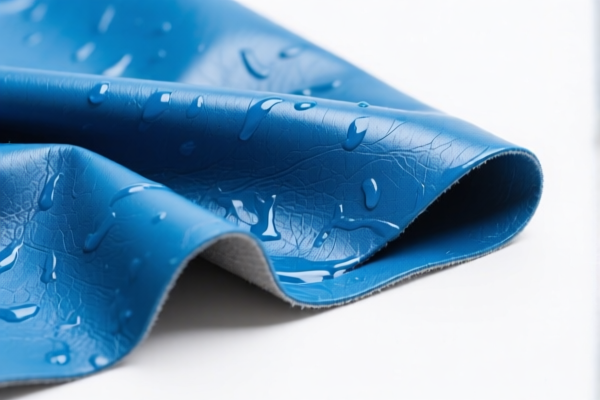
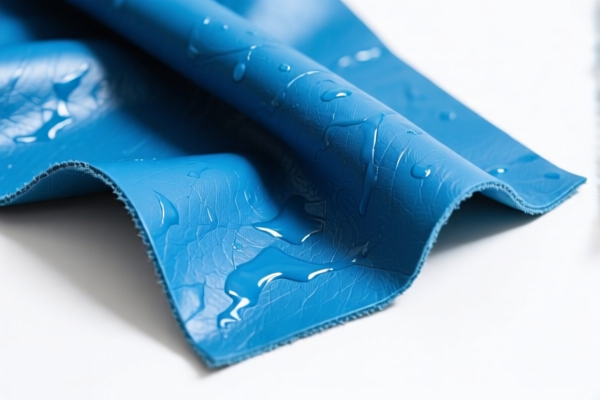
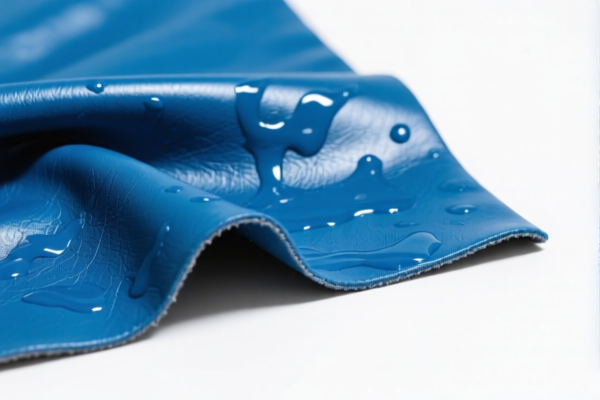
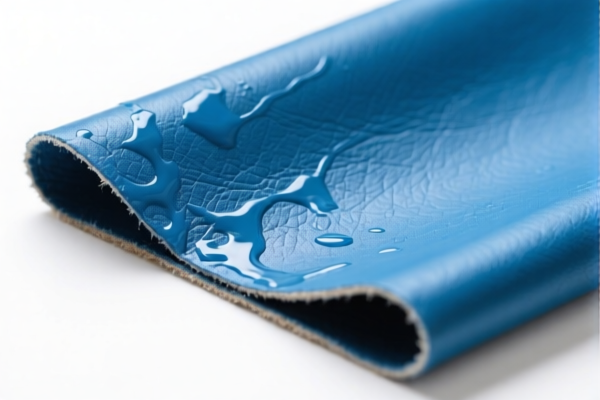
AI Analysis
🧥 Wet Blue Lambskin (Raw Material for Leather Manufacturing)
🌐 HS Code Reference & Customs Clearance Guide | 2026 Latest Tariff Analysis | Professional Entry Strategy
📌 I. Product Definition & Classification: What is "Wet Blue Lambskin"?
Wet Blue Lambskin is not a finished product like gloves or jackets, but a critical semi-finished intermediate good in the leather industry. It refers to sheepskins that have undergone tanning (specifically chrome tanning) and are currently in a moist, stable state ("blue" because of the chromium salts used), but have not yet been dried, dyed, fatliquored, or finished for final consumer use.
In international trade, the classification hinges strictly on its state of preservation: 1. Chrome-Tanned (Wet Blue): Treated with chromium salts to prevent decomposition. This is the most common form of "Wet Blue." 2. Vegetable-Tanned: Tanned with plant extracts (rarely called "wet blue" in the same commercial sense, but still falls under leather). 3. Raw/Un-tanned: Not "Wet Blue." These are fresh or salted hides, classified differently.
⚠️ Key Distinction:
- If the skin is chrome-tanned and kept wet/moist → Chapter 41.
- If it is dried, dyed, and finished into a usable material → Chapter 41 or 42 (depending on form).
- If it is raw, fresh, or merely salted (not tanned) → Chapter 05 (Animals products) or 4101 (Raw hides).
"Wet Blue" specifically implies the chrome-tanning process is complete, moving it out of Chapter 05 and into Chapter 41.
📦 II. HS Code Classification Details (2026 Latest Tariff Authority)
| HS Code | Product Description | Applicable Scenario | State of Processing |
|---|---|---|---|
4104.41 |
Leather (excluding headed leather) further processed than vegetable-tanned | Chrome-tanned sheepskins (Wet Blue) | ✅ Chrome-Tanned |
4104.41.10 |
Bovine leather (full grain) | Not applicable to Lambskin | ❌ Wrong Species |
4104.41.30 |
Other bovine leather | Not applicable to Lambskin | ❌ Wrong Species |
4104.41.90 |
Other leather (Includes Sheep/Goat) | Wet Blue Lambskin (Chrome Tanned) | ✅ Correct for Wet Blue |
4105.10 |
Raw sheepskin/lambskin (Not tanned) | Salted or Fresh Skins | ❌ Not Tanned |
4105.30 |
Sheepskin/Lambskin (Tanned, other than wet blue) | Dry, Dyed, Finished | ❌ Too Processed |
4106.31 |
Chrome-tanned skin, excluding headed leather | Broad Category for Wet Blue | ✅ Correct General Category |
4106.31.10 |
Bovine skin | Not applicable | ❌ Wrong Species |
4106.31.90 |
Other skins (Includes Sheep/Lamb) | Wet Blue Lambskin | ✅ Correct Specific |
🔍 Critical Note:
- The most precise classification for Chrome-Tanned Wet Blue Lambskin is usually under 4106.31.90 (Other chrome-tanned skins, other than bovine) or 4104.41.90 depending on whether it is classified as "leather" or "skin" in specific country interpretations.
- 4106.31.90 is the standard for intermediate chrome-tanned skins that are not yet "finished leather" (which would be 4104/4105).
- 4105.30 is for finished sheepskins (dry, dyed, plucked). Do not use this for Wet Blue.
💰 III. 2026 Latest Tariff Rate Breakdown (Including Surcharges & Policy Add-ons)
✅ Applicable Country: United States (US)
✅ Origin: China (CN)
✅ Effective Date: From November 10, 2025 (Including subsequent imports)
🎯 1. 4106.31.90 —— Chrome-Tanned Skins, Other (Including Wet Blue Lambskin)
| Item | Content |
|---|---|
| Base MFN Rate | 3.2% (ad valorem) |
| USITC Additional Duty (Section 301) | +7.5% (Footnote 9903.88.01 applies to many leather goods, but check specific exclusions) |
| IEEPA Additional Duty | +10% (Against Chinese products, effective Nov 10, 2025) |
| Total Tariff Rate | ~20.7% (Estimated Base + Surcharges) |
| De Minimis Exemption | ❌ Not Applicable (Deny de minimis for high-duty items) |
| Legal Authority Path | IEEPA:9903.01.25 → USITC:4106.31.90 → FOOTNOTE:9903.88.01 |
📌 Explanation:
- Leather raw materials are subject to Section 301 tariffs. While some base rates are low (3.2%), the 10% IEEPA and Section 301 surcharge significantly increase the cost.
- Total Impact: Importers should anticipate a ~20-25% total duty burden on Wet Blue Lambskin from China.
🎯 2. 4105.30 —— Sheepskin/Lambskin, Tanned (Other than Wet Blue)
| Item | Content |
|---|---|
| Base MFN Rate | 3.2% |
| USITC Additional Duty | +7.5% |
| IEEPA Additional Duty | +10% |
| Total Tariff Rate | ~20.7% |
| Note | If misclassified as "Finished Leather," the same high rate applies. |
📌 Warning:
- Misclassifying Wet Blue (semi-finished) as Finished Leather (4105) does not reduce tariffs. Both are heavily taxed under current US-China trade policies.
🛠️ IV. Customs Clearance Practical Advice (Combat-Ready Pitfall Guide)
✅ 1. Essential Documentation Checklist (Non-Negotiable)
| Document | Must Provide | Description |
|---|---|---|
| ✅ Product Specification Sheet | ✔️ | Details: Species (Sheep/Lamb), Tanning Agent (Chrome/Veg), Moisture Content, Weight (Wet Weight vs. Dry Weight). |
| ✅ Photos of Product | ✔️ | Clear images showing the blueish tint (chrome residue) and wet texture. Prove it is NOT dry/final. |
| ✅ Commercial Invoice | ✔️ | Must state: "Wet Blue Chrome-Tanned Lambskin Skins, Unfinished." |
| ✅ Packing List | ✔️ | Specify gross/net weight. Wet blue is heavy due to water content. |
| ✅ Tanning Certificate | ✔️ | Proof of chrome tanning process (critical to distinguish from raw hides). |
| ✅ Environmental Compliance Docs | ✔️ | Some US states require proof of effluent treatment compliance for tannery waste. |
✅ 2. Declaration Tips (Critical Keywords)
🔥 "State is Key: Wet Blue ≠ Dry Leather ≠ Raw Skin"
| Scenario | Correct Declaration | Wrong Declaration |
|---|---|---|
| Wet Blue Lambskin | 4106.31.90 - "Chrome-tanned sheepskins, wet, unfinished" |
"Finished Leather" or "Raw Hides" |
| Dyed/Dried Lambskin | 4105.30.00 - "Sheepskins, tanned, dyed" |
"Wet Blue Skins" |
| Salted Raw Skins | 4105.10.00 - "Raw sheepskins, salted" |
"Chrome-tanned Skins" |
| Gloves/Material | 4203.21 (Gloves) or 4106 (Skin) |
Mixing HS Codes |
✅ 3. Special Handling Notes
| Issue | Handling Advice |
|---|---|
| Moisture Content | Declare Gross Weight clearly. Customs may adjust for dry weight equivalency if suspicious. |
| Chromium VI Compliance | Ensure supplier provides test reports for Chromium VI levels. EU/US have strict limits. Non-compliance leads to rejection. |
| Smell/Odor | Wet blue has a strong chemical smell. Ensure packaging is sealed to prevent customs odor complaints or health inspections. |
| Origin Labeling | If assembled in China but tanned elsewhere, prove Substantial Transformation. Tanning is usually considered substantial transformation. |
🌍 V. Global Market Comparison (2026 Latest)
| Country/Region | Recommended HS Code | Tariff Rate (China Origin) | Certification Requirement | Remarks |
|---|---|---|---|---|
| 🇺🇸 USA | 4106.31.90 |
~20-25% (Base + 301 + IEEPA) | None specific, but Chromium VI test required | High tariffs due to trade war |
| 🇨🇳 China | 4106.31 |
5-10% (Import Duty) | None | Major importer of wet blue |
| 🇪🇺 EU | 4106.31 |
3.2% + Potential Anti-Dumping | REACH Compliance (Chromium VI) | Strict chemical regulations |
| 🇻🇳 Vietnam | 4106.31 |
0-5% (If local tanning) | None | Growing hub for re-export |
| 🇮🇳 India | 4106.31 |
5-10% | None | High domestic demand for finishing |
📌 Conclusion:
- USA is the most expensive market due to Section 301 + IEEPA.
- EU is the most regulated due to REACH (chemical safety).
- China/Vietnam/India are processing hubs with lower import duties on raw wet blue.
📌 VI. Common Mistakes & Pitfalls (Blood Lessons)
❌ Mistake 1: Declaring "Wet Blue" as "Finished Leather" (4105.30)
👉 Consequence: No tariff savings, but may trigger inspection for chemical residues if declared as "finished."
❌ Mistake 2: Declaring "Wet Blue" as "Raw Hides" (4101/4105.10)
👉 Consequence: Customs Rejection. Wet blue is chemically stable; raw hides are not. Misclassification is seen as fraud.
❌ Mistake 3: Ignoring Chromium VI limits
👉 Consequence: Goods seized and destroyed in EU/US due to toxicity concerns.
❌ Mistake 4: Not specifying "Chrome-Tanned" on Invoice
👉 Consequence: Customs may classify as "Unknown Tanning" → Highest possible duty + Delays.
✅ Correct Practice:
"Wet Blue Chrome-Tanned Lambskin Skins, Unfinished, for Further Processing into Garments/Gloves. HS Code: 4106.31.90."
🎯 VII. Conclusion: Precision in Semi-Finished Goods
🎯 Remember the Mantra:
🔹 "Wet Blue is Not Raw, It’s Not Finished. It’s Chrome-Tanned Intermediate."
🔹 "HS Code 4106.31.90 is Your Friend, Misclassification is Your Enemy."
🔹 "Declare Wet Weight, Prove Chrome Tanning, Avoid Chromium VI Issues."
📌 Pro Tip:
If you are importing Wet Blue to finish in the US, consider Bonded Warehouses or Foreign Trade Zones (FTZ) to defer duty payment until the final product (e.g., leather jacket) is sold. This can improve cash flow.
📣 Immediate Action:
📞 Consult your customs broker for Pre-Ruling if unsure about "Wet Blue" vs. "Finished Leather."
🚀 Ensure your supplier provides Chromium VI Test Reports to avoid port delays.
💼 Accuracy in Semi-Finished Goods Saves Time, Money, and Headaches.
✨ Professional Customs Clearance Starts with Correct Classification!
💼 Your Leather Supply Chain, Optimized for Compliance and Cost.
Customer Reviews
About HS Code Classification
The Harmonized System (HS) is an internationally standardized nomenclature developed by the World Customs Organization (WCO) to classify traded products. Over 200 countries use the HS system as the basis for customs tariffs, trade statistics, and import/export regulations.
Each HS code follows a hierarchical structure:
- Chapter (2 digits) — Broad category of goods (e.g., Chapter 84: Machinery and Mechanical Appliances)
- Heading (4 digits) — More specific grouping within the chapter
- Subheading (6 digits) — Internationally standardized breakdown, used by all WCO member countries
- National subdivisions (8-10 digits) — Country-specific extensions for further classification, such as US HTSUS 10-digit codes
Correct HS code classification is essential for smooth customs clearance, accurate duty payment, and compliance with trade regulations. Misclassification can lead to customs delays, overpayment of duties, or penalties.
When importing from CN to US, the applicable tariff rates may include:
- Most-Favored-Nation (MFN) rate — The standard duty rate applied to WTO members
- General rate — Applied to countries without trade agreements
- Trade remedy duties — Additional tariffs such as Section 301 (anti-dumping), Section 232 (national security), or countervailing duties
The information provided on this page is for reference purposes only. For official classification, please consult with your local customs authority or a licensed customs broker.