Wet Blue Leather Shoe Upper
CN → USProduct Images
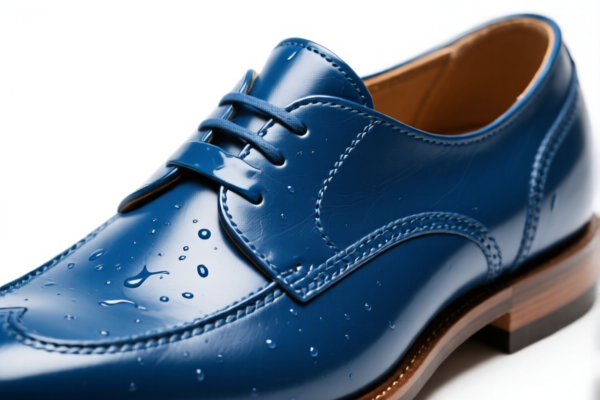
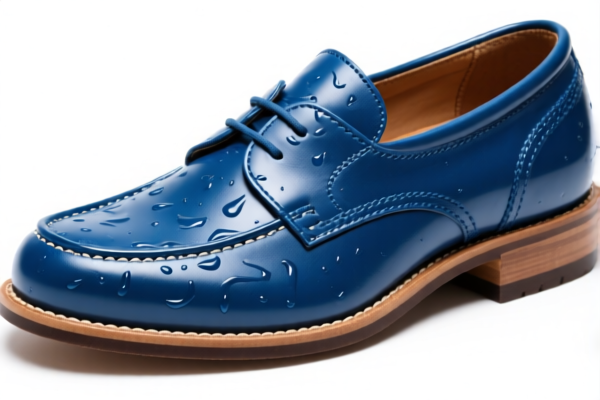
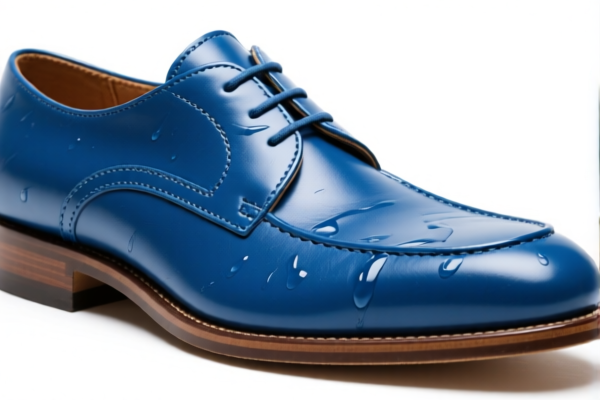
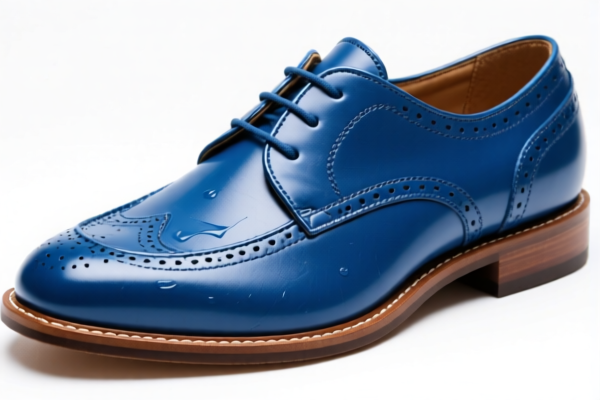
AI Analysis
🥿 Wet Blue Leather Shoe Upper
🌐 HS Code Reference & Customs Clearance Guide | 2026 Latest Tariff Analysis | Professional-Level Entry Strategy
📌 Part 1: Product Definition & Classification: What is "Wet Blue Leather"?
Wet Blue Leather is a specific stage in the leather tanning process. It refers to chromium-tanned leather that has been removed from the tanning drum but is not yet dried or finished. It is characterized by: * High Moisture Content: Typically 50-60% water content. * Chrome Content: Contains chromium salts (hence the blueish tint when wet). * Unfinished Surface: No topcoat, paint, or grain correction applied. It is soft, pliable, and requires further processing (drying, splitting, shaving, finishing) before it becomes "Finished Leather."
⚠️ Key Distinction:
- Wet Blue (8413/4104-4106): Semi-processed, damp, not ready for direct use in final consumer goods without further work.
- Finished Leather (4107/4112-4117): Dry, tanned, and surface-finished (e.g., corrected grain, full grain, nubuck).
- Cut Shapes (4112-4117 vs 4016/4114): If the wet blue is already cut into shoe uppers, it is considered "cut pieces." However, standard customs practice often classifies cut wet blue based on the raw material nature if not further processed into a recognizable article of clothing or footwear.🔍 Critical Point for "Shoe Upper":
If the "Wet Blue" is cut into the shape of shoe uppers, it is still considered semi-processed leather cut pieces. It is not yet a "part of footwear" (which would be finished). Therefore, it falls under Chapter 41 (Leather), specifically 4114 (Other tanned leather), not Chapter 64 (Footwear).
📦 Part 2: HS Code Classification Details (2026 Latest Tariff Authority Comparison)
| HS Code | Product Description | Applicable Scenario | Is it Finished? |
|---|---|---|---|
4104.19.10 |
Wet Blue Leather, Bovine, Not Yet Dried | Raw wet blue hides/skins, not cut | ❌ No (Raw Material) |
4104.19.20 |
Wet Blue Leather, Bovine, Dried but Unfinished | Dried wet blue, not ready for use | ❌ No (Semi-Processed) |
4114.20.00 |
Other Tanned Leather, Including Parchment-Dressed Leather, Whether or Not Metalled, with Outer Surface Not Suede or Nubuck, Cut into Shapes or Pieces (incl. Shoe Uppers) | Wet Blue Cut into Shoe Uppers | ❌ No (Semi-Processed Cut Piece) |
4107.11.00 |
Finished Bovine Leather, Full Grain, <120 cm² | Finished leather, ready for use | ✅ Yes |
4112.00.00 |
Finished Goat/Sheep Leather, Cut into Shapes | Finished cut leather | ✅ Yes |
6406.10.00 |
Parts of Footwear (e.g., finished uppers) | Finished shoe uppers | ✅ Yes |
🔍 Key Reminder:
- Wet Blue is NOT "Finished Leather." Even if cut into shoe shapes, it remains under Chapter 41.
- Do NOT classify as "Parts of Footwear" (Chapter 64) unless the leather is fully dried, finished, and ready for assembly.
-4114.20.00is the correct HS Code for cut wet blue leather (including shoe uppers) that has been tanned (chromium-tanned) but not yet finished.
💰 Part 3: 2026 Latest Tariff Rate Details (Including Additional Duties & Policy Surcharges)
✅ Applicable Country: United States (US)
✅ Origin: China (CN)
✅ Effective Date: November 10, 2025 onwards (including subsequent imports)
🎯 1. 4114.20.00 —— Other Tanned Leather, Cut into Shapes (e.g., Wet Blue Shoe Uppers)
| Item | Content |
|---|---|
| Base Tariff Rate | 0% (ad valorem) |
| USITC Surcharge | +25% (from USITC Footnote 9903.88.01) |
| IEEPA Surcharge | +10% (on China/Hong Kong products, effective from Nov 10, 2025) |
| Total Tariff Rate | 35% |
| Tax Calculation | CIF Value × 35% |
| De Minimis Eligibility | ❌ Not Eligible (deny_de_minimis) |
| Legal Basis Path | IEEPA:9903.01.25 → IEEPA:9903.01.24 → USITC:4114.20.00 → FOOTNOTE:9903.88.01 |
📌 Explanation:
- The 25% USITC surcharge is part of the Section 301 tariffs on Chinese goods.
- The 10% IEEPA surcharge is an additional tariff on Chinese-origin leather products under the International Emergency Economic Powers Act.
- Total: 35%. This is a high tariff and must be factored into cost calculations.
- No De Minimis Exemption: Small shipments (<$800) do not qualify for duty-free entry.
🎯 2. 4104.19.10 / 4104.19.20 —— Wet Blue Leather (Not Cut)
| Item | Content |
|---|---|
| Base Tariff Rate | 0% |
| USITC Surcharge | +25% |
| IEEPA Surcharge | +10% |
| Total Tariff Rate | 35% |
| Tax Calculation | CIF × 35% |
| De Minimis Eligibility | ❌ Not Eligible |
📌 Note:
- Whether cut or not, wet blue leather from China attracts 35% total duty.
- If the leather is not tanned (e.g., raw hide), it may fall under Chapter 41 Heading 03 or 04, which may have different tariffs, but Wet Blue is chromium-tanned, so it stays in Chapter 41.
🛠️ Part 4: Customs Clearance Practical Advice (Pitfall Avoidance Guide)
✅ 1. Required Documentation Checklist (No Exceptions)
| Document | Required | Notes |
|---|---|---|
| ✅ Product Specification Sheet | ✔️ | Must state: "Wet Blue," "Chromium-Tanned," "Moisture Content ~50-60%," "Not Dried/Finished" |
| ✅ Photos | ✔️ | Clear images showing wet, blueish texture, no drying or finishing |
| ✅ Commercial Invoice | ✔️ | Describe as "Wet Blue Leather Cut Pieces for Shoe Uppers" |
| ✅ Packing List | ✔️ | Note "Wet" condition, weight (including water), and number of hides/cut pieces |
| ✅ Certificate of Origin | ✔️ | If non-China, apply for preferential rates |
| ✅ Tanning Process Description | ✔️ | Proof that it is chromium-tanned (not vegetable-tanned) |
✅ 2. Declaration Tips (Key Mantra)
🔥 “Wet Blue is Semi-Processed, Not Finished! Declare as 4114, Not 6406!”
| Scenario | Correct Declaration | Wrong Practice |
|---|---|---|
| Wet Blue Cut into Shoe Shapes | 4114.20.00 |
Misdeclare as 6406.10.00 (Parts of Footwear) → Lower Duty Risk? NO, Still 35% |
| Finished Dried Leather Cut | 4107.xxxx or 4112.xxxx |
Misdeclare as Wet Blue → Underpayment Risk |
| Raw Hide (Untanned) | 4103.xxxx |
Misdeclare as Wet Blue → Different Tariff, Possible Penalty |
| Finished Shoe Uppers | 6406.10.00 |
Misdeclare as Wet Blue → 35% vs. 0-15% (Depending on Origin) |
✅ 3. Special Cases Handling
| Scenario | Handling Advice |
|---|---|
| OEM Custom Wet Blue | Provide customer design + tanning specs. Avoid "Finished" language. |
| Mixed Shipment (Wet Blue + Finished) | Separate Declaration! Do not mix. Wet Blue is 35%, Finished may be lower. |
| Wet Blue with High Water Content | Declare Gross Weight (including water) for customs valuation if not FOB/CIF adjusted. |
| Destination: Non-US | Check local tariffs. EU: 0% for many leathers. China: 0-5%. Only US has 35% for China-origin. |
🌍 Part 5: Global Market Customs Comparison (2026 Latest)
| Country/Region | Recommended HS Code | Tariff | Certification | Notes |
|---|---|---|---|---|
| 🇺🇸 USA | 4114.20.00 |
35% (China) | None Specific | High due to Section 301 + IEEPA |
| 🇨🇳 China | 4114.20.00 |
0-5% | RoHS (if applicable) | No additional surcharges |
| 🇪🇺 EU | 4114.20.00 |
0% | REACH (Chromium VI limit) | Strict Chrome VI limits apply |
| 🇦🇺 Australia | 4114.20.00 |
0-5% | None | Low tariffs |
| 🇯🇵 Japan | 4114.20.00 |
0-2.5% | JIS | Low tariffs |
📌 Conclusion:
- USA is the most expensive market for Wet Blue Leather from China (35%).
- EU and China have low/no tariffs, but EU has strict environmental regulations (Chrome VI limits).
- Ensure compliance with REACH if exporting to EU.
📌 Part 6: Common Mistakes & Pitfall Guide (Lessons Learned)
❌ Mistake 1: Declaring Wet Blue as "Finished Leather"
👉 Consequence: Underpayment of duties. Customs will reclassify to 4114 and charge 35%. Back taxes + penalties!
❌ Mistake 2: Declaring Wet Blue as "Parts of Footwear" (Chapter 64)
👉 Consequence: While duty may be similar, it triggers Chapter 64 inspections (e.g., anti-dumping on footwear). Higher scrutiny, delays, potential seizure.
❌ Mistake 3: Not disclosing Water Content
👉 Consequence: Customs may assume dry weight. Discrepancy in valuation. Clarify Gross vs. Net Weight.
❌ Mistake 4: Using "Leather Upper" without specifying "Wet Blue"
👉 Consequence: Ambiguity. Customs may assume finished leather. Specify "Wet Blue" explicitly.
✅ Correct Practice:
“Wet Blue Chromium-Tanned Bovine Leather, Cut into Shoe Upper Shapes, Moisture Content 50-60%, Not Dried, Not Finished, For Further Processing”
🎯 Part 7: Conclusion: Precise Classification Saves Money!
🎯 Remember the Mantra:
🔹 “Wet Blue = Semi-Processed (4114), Not Finished (4107/6406)”
🔹 “US Import? Expect 35% Duty. EU? Watch Chrome VI Limits.”
🔹 “Always Specify ‘Wet Blue’ to Avoid Re-Classification Penalties.”
📌 Pro Tip:
If your wet blue leather is originating from Vietnam, Mexico, or Thailand, you may qualify for IEEPA Exemptions in the US, reducing tariffs to 0-5%.
Consider Advance Rulings from US CBP for large, recurring shipments to ensure classification accuracy.
📣 Immediate Action:
📞 Contact a Professional Customs Broker + Provide Wet Blue Photos + Request HS Code Advance Ruling
🚀 Ensure Smooth Clearance, Avoid Delays, and Protect Your Margins!
✨ Professional Customs Clearance Starts with Accurate Classification!
💼 Every Percent of Duty Saved is Pure Profit!
Customer Reviews
About HS Code Classification
The Harmonized System (HS) is an internationally standardized nomenclature developed by the World Customs Organization (WCO) to classify traded products. Over 200 countries use the HS system as the basis for customs tariffs, trade statistics, and import/export regulations.
Each HS code follows a hierarchical structure:
- Chapter (2 digits) — Broad category of goods (e.g., Chapter 84: Machinery and Mechanical Appliances)
- Heading (4 digits) — More specific grouping within the chapter
- Subheading (6 digits) — Internationally standardized breakdown, used by all WCO member countries
- National subdivisions (8-10 digits) — Country-specific extensions for further classification, such as US HTSUS 10-digit codes
Correct HS code classification is essential for smooth customs clearance, accurate duty payment, and compliance with trade regulations. Misclassification can lead to customs delays, overpayment of duties, or penalties.
When importing from CN to US, the applicable tariff rates may include:
- Most-Favored-Nation (MFN) rate — The standard duty rate applied to WTO members
- General rate — Applied to countries without trade agreements
- Trade remedy duties — Additional tariffs such as Section 301 (anti-dumping), Section 232 (national security), or countervailing duties
The information provided on this page is for reference purposes only. For official classification, please consult with your local customs authority or a licensed customs broker.