Wet Blue Raw Hide
CN → US| HS Code | Tariff Rate | Origin | Destination | Doc |
|---|---|---|---|---|
| 4104115040 | 13.3% | CN | US | Official Doc |
| 4104115030 | 13.3% | CN | US | Official Doc |
| 4113200000 | 39.2% | CN | US | Official Doc |
| 4103301000 | 17.5% | CN | US | Official Doc |
| 4103302000 | 21.7% | CN | US | Official Doc |
| 4106319000 | 39.2% | CN | US | Official Doc |
Product Images
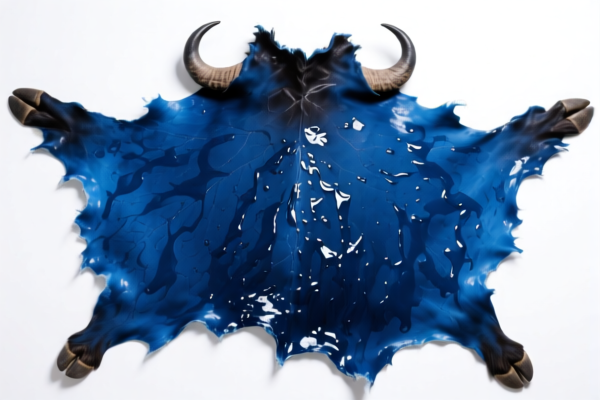
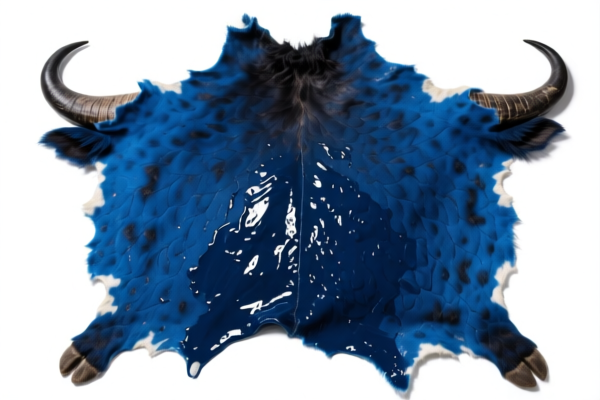
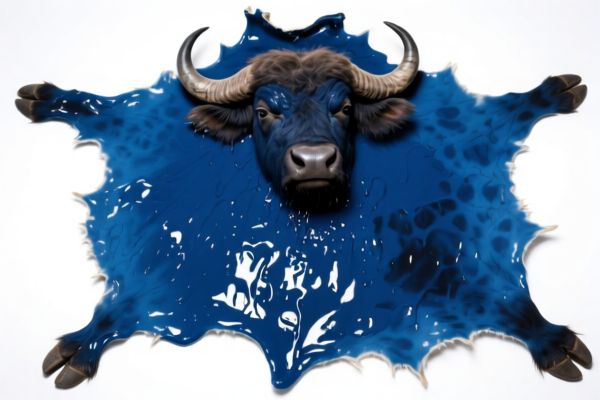

AI Analysis
🧥 Wet Blue Raw Hide (Leather Industry Essential)
🌐 HS Code Reference & Customs Clearance Guide | 2026 Latest Tariff Analysis | Professional Compliance Strategy
📌 I. Product Definition & Classification: What is "Wet Blue Raw Hide"?
Wet Blue Raw Hide refers to hides or skins (primarily cattle, horse, or pig) that have undergone the pickling stage of tanning but have not yet been tanned with tanning agents (chromium, vegetable, etc.) to achieve final stability. They are preserved in a wet state using salts and acids, giving them a characteristic blue-ish tint (due to the presence of some basic salts or lighting effects, though "Blue" technically refers to the stage before final chrome tanning completion in some contexts, here specifically denoted as "Wet Blue" in the data).
In international trade, classification depends heavily on: 1. Animal Species: Cattle/Horse vs. Pig. 2. Processing State: Crust/Grain (Split) vs. Unsplit (Full Layer). 3. Preservation Method: Salting, pickling, or fresh.
⚠️ Key Distinction Point:
- Cattle/Horse Hides: Classified under Chapter 41, specifically 4104 (Crust leather) or 4103 (Preserved skins).
- Pig Skins: Classified under 4103 (Preserved) or 4113/4106 (Further processed Crust/Pickled).
- Critical Factor: Whether the hide is "Crust" (Partially Tanned/Stabilized) or "Preserved" (Salted/Pickled only) determines the base duty rate.
📦 II. HS Code Classification Details (2026 Latest Tariff Authority Comparison)
| HS Code | Product Description | Applicable Scenario | Base Duty | Add-on Duty (301) | Section 301 (122) | Total Duty |
|---|---|---|---|---|---|---|
4104.11.50.40 |
Cattle/Horse Wet Blue (Split/Grain Logic) | Wet blue cattle/horse hides, implying split or grain logic application. | 3.3% | 0.0% | +10% | 13.3% |
4104.11.50.30 |
Cattle Wet Blue (Unsplit/Crust) | Wet blue cattle hides, unsplit (full layer), including wet blue state. | 3.3% | 0.0% | +10% | 13.3% |
4113.20.00.00 |
Pig Wet Blue (Coarse/Further Processed) | Pig skins, wet state, considered coarse tanning or further processing category. | 4.2% | +25% | +10% | 39.2% |
4103.30.10.00 |
Pig Preserved (Salting/Pickling) | Pig skins, wet state, preserved by salting/pickling but NOT pre-tanned. | 0.0% | +7.5% | +10% | 17.5% |
4103.30.20.00 |
Pig Preserved (Raw/Unprocessed) | Pig raw skins, fresh/salted/pickled, NOT tanned at all. | 4.2% | +7.5% | +10% | 21.7% |
4106.31.90.00 |
Pig Wet Blue (Specific Condition) | Pig skins, wet blue state, fully meeting specific restricted conditions. | 4.2% | +25% | +10% | 39.2% |
🔍 Key Reminder:
- Cattle Hides (4104.xxxx) enjoy lower base duties (3.3%) and no Section 301 additional duty (0%), only the 122 Clause (10%).
- Pig Skins (4113.xxxx,4106.xxxx) face high Section 301 duties (+25%), making them significantly more expensive to import compared to cattle hides.
- Pig Skins (4103.xxxx) are classified as "Preserved" (not tanned/crust), resulting in lower Section 301 duties (+7.5%) but varying base duties.
💰 III. 2026 Latest Tariff Rate Details (Including Additional Taxes & Policy Surcharges)
✅ Applicable Country: USA (US)
✅ Origin: China (CN)
✅ Effective Date: Current (Post-2025 Policy Framework)
🎯 1. Cattle/Horse Wet Blue Hides (4104.11.50.40 & 4104.11.50.30)
| Item | Details |
|---|---|
| Base Duty Rate | 3.3% (Ad Valorem) |
| Section 301 Duty (USITC) | 0.0% (Exempt from the 25% tariff) |
| Section 122 Duty | +10% (Specific provision for certain leather/footwear components) |
| Total Duty Rate | 13.3% |
| Tax Calculation | CIF Value × 13.3% |
| De Minimis Exemption | ❌ Not Applicable (Leather goods generally excluded from de minimis) |
| Legal Basis Path | HTSUS:4104.11.50 → Section 122: 10% |
📌 Explanation:
- These codes benefit from no Section 301 tariff, which is a significant cost advantage over other leather categories.
- The 122 Clause adds 10%, bringing the total to 13.3%.
- Ideal for importers seeking lower duty costs on cattle leather.
🎯 2. Pig Skins - Further Processed/Crust (4113.20.00.00 & 4106.31.90.00)
| Item | Details |
|---|---|
| Base Duty Rate | 4.2% (Ad Valorem) |
| Section 301 Duty (USITC) | +25% (High penalty tier) |
| Section 122 Duty | +10% |
| Total Duty Rate | 39.2% |
| Tax Calculation | CIF Value × 39.2% |
| De Minimis Exemption | ❌ Not Applicable |
| Legal Basis Path | HTSUS:4113.20.00 / 4106.31.90.00 → USITC:301 → Section 122 |
📌 Note:
- These are considered more processed than raw preservative skins, triggering the 25% Section 301 tariff.
- Total duty 39.2% is very high. Importers must carefully verify if the pig skins qualify for this "further processed" status or if they can be classified as "preserved" (4103).
🎯 3. Pig Skins - Preserved (Salting/Pickling Only) (4103.30.10.00 & 4103.30.20.00)
| Item | Details |
|---|---|
| Base Duty Rate | 0.0% (4103.30.10.00) or 4.2% (4103.30.20.00) |
| Section 301 Duty (USITC) | +7.5% (Reduced penalty tier) |
| Section 122 Duty | +10% |
| Total Duty Rate | 17.5% (4103.30.10.00) or 21.7% (4103.30.20.00) |
| Tax Calculation | CIF Value × 17.5% / 21.7% |
| De Minimis Exemption | ❌ Not Applicable |
| Legal Basis Path | HTSUS:4103.30.10.00 / 4103.30.20.00 → USITC:301 → Section 122 |
📌 Critical Insight:
- If pig skins are only salted or pickled (not even "wet blue" stabilized), they fall under 4103.
- The Section 301 duty is only +7.5%, not +25%.
- Savings Potential: Classifying as4103.30.10.00results in a 17.5% total duty, which is less than half of the 39.2% for "wet blue/crust" pig skins.
- Risk: Misclassifying raw pig skins as "wet blue" to avoid duties could lead to audits. Must ensure documentation reflects "preserved, not tanned/crust."
🛠️ IV. Customs Clearance Practical Advice (Avoiding Pitfalls)
✅ 1. Required Documentation Checklist (Non-negotiable)
| Document | Must Provide | Notes |
|---|---|---|
| ✅ Product Specification Sheet | ✔️ | Must specify species (Cattle/Pig), processing stage (Wet Blue/Preserved), and state (Wet/Dry). |
| ✅ Processing Certificate | ✔️ | From the tannery confirming "Pickled Only" vs. "Wet Blue/Crust". Crucial for 4103 vs 4104/4113. |
| ✅ Product Photos (Labeled) | ✔️ | Show texture, color (blue tint vs. white salted), and packaging. |
| ✅ Commercial Invoice | ✔️ | Must clearly state "Wet Blue Pig Skin" or "Salted Cattle Hide". Avoid vague terms like "Leather". |
| ✅ Packing List | ✔️ | Detail weight, dimensions, and number of hides/skins. |
| ✅ Origin Certificate | ✔️ | If applicable for any potential exemptions (though US-China tariffs are strict). |
✅ 2. Declaration Tips (Key Mantras)
🔥 "Species First, Process Second, 4103 is Cheaper for Pigs, 4104 is King for Cattle!"
| Scenario | Correct Declaration | Wrong Practice |
|---|---|---|
| Cattle Hides, Wet Blue | 4104.11.50.30 / .40 |
Misdeclaring as Pig Skins → Higher Duty |
| Pig Skins, Salted Only | 4103.30.10.00 |
Misdeclaring as "Wet Blue" (4113) → Save 21.7% Duty |
| Pig Skins, Wet Blue/Crust | 4113.20.00.00 |
Misdeclaring as "Preserved" → Audit Risk |
| Horse Hides | 4104.11.50.40 |
Misdeclaring as Cattle → May be accepted but specs must match |
✅ 3. Special Situation Handling
| Situation | Handling Advice |
|---|---|
| Mixed Hides (Cattle + Pig) | Split Shipments or Separate Invoices. Do not mix in one declaration if possible, as HS codes differ significantly. |
| "Wet Blue" Ambiguity | Provide a Tannery Declaration stating exactly when the tanning process stopped. If it’s only pickled, use 4103. If stabilized with chromium salts (wet blue), use 4104/4113. |
| Re-export from Third Country | US duties apply based on Country of Origin, not transshipment. Ensure CO is accurate. |
| High Value Transactions | Consider Pre-Ruling from US CBP to confirm HS Code classification before shipment. |
🌍 V. Global Market Customs Comparison (2026 Latest)
| Country/Region | Recommended HS Code | Duty Rate | Certification Requirements | Notes |
|---|---|---|---|---|
| 🇺🇸 USA | 4104.11.50.30 (Cattle) |
13.3% | USDA (if applicable), FDA (for non-food) | High duty for Pig (39.2%). |
| 🇺🇸 USA | 4103.30.10.00 (Pig Preserved) |
17.5% | Same as above | Best option for Pig Skins if truly preserved. |
| 🇨🇳 China | 4104.11.50.30 |
3.3% | None | No Section 301. Lower cost for importers. |
| 🇪🇺 EU | 4104.11.50 |
0% - 6% | EORI, REACH | Generally lower duties than US for leather. |
| 🇬🇧 UK | 4104.11.50 |
0% - 6% | UK EORI | Post-Brexit rules apply. |
📌 Conclusion:
- USA is the most expensive market due to Section 301 and 122 Clause tariffs.
- Strategic Classification: For Pig Skins, ensure proper documentation to classify under 4103 (Preserved) if possible, saving ~21.7% in duties compared to "Wet Blue/Crust" classification.
- For Cattle Hides, classification under 4104 is already optimized with low base duty and no 301 tariff.
📌 VI. Common Errors & Pitfalls (Lessons Learned)
❌ Error 1: Classifying Salted Pig Skins as Wet Blue Pig Skins (4113)
👉 Consequence: Paying 39.2% duty instead of 17.5%. Unnecessary Cost!
❌ Error 2: Misidentifying Horse Hides as Cattle Hides
👉 Consequence: While both are 4104, species mismatch may lead to USDA inspection delays or fining if health certificates don't match.
❌ Error 3: Vague Description: "Leather Raw Hides"
👉 Consequence: Customs may assign the highest duty code for safety. Always specify Species + Process.
❌ Error 4: Ignoring Section 122 Clause
👉 Consequence: Forgetting the +10% surcharge in cost calculation, leading to margin erosion.
✅ Correct Approach:
"Wet Blue Cattle Hide, Unsplit, Pickled State, 40-50 sq ft, Grade A"
"Preserved Pig Skin, Salted, No Tanning, 10-12 kg each"
🎯 VII. Conclusion: Precision Classification, Cost Optimization!
🎯 Remember the Mantra:
🔹 "Cattle is 13.3%, Pig is 17.5% or 39.2% – Know the Difference!"
🔹 "Process Defines Duty: Preserved (4103) < Wet Blue (4104/4113)"
🔹 "122 Clause Adds 10% to All Leather – Budget Accordingly!"
📌 Pro Tip:
If your pig skins are truly only salted/pickled, insist on the 4103 classification with supporting tannery documents. This can save over $20,000 per 10,000 sq ft of material compared to misclassifying as wet blue.
📣 Immediate Action:
📞 Consult a Customs Broker for Pre-Ruling on ambiguous "Wet Blue" definitions.
📄 Ensure Tannery Certificates clearly distinguish between "Pickled Only" and "Wet Blue/Crust".
🚀 Optimize Your Supply Chain: Leverage the 13.3% rate for cattle hides and 17.5% for preserved pig skins to maximize profit margins.
✨ Professional Customs Clearance Starts with Accurate Classification!
💼 Every Percentage Point Saved is Pure Profit!
Customer Reviews
About HS Code Classification
The Harmonized System (HS) is an internationally standardized nomenclature developed by the World Customs Organization (WCO) to classify traded products. Over 200 countries use the HS system as the basis for customs tariffs, trade statistics, and import/export regulations.
Each HS code follows a hierarchical structure:
- Chapter (2 digits) — Broad category of goods (e.g., Chapter 84: Machinery and Mechanical Appliances)
- Heading (4 digits) — More specific grouping within the chapter
- Subheading (6 digits) — Internationally standardized breakdown, used by all WCO member countries
- National subdivisions (8-10 digits) — Country-specific extensions for further classification, such as US HTSUS 10-digit codes
Correct HS code classification is essential for smooth customs clearance, accurate duty payment, and compliance with trade regulations. Misclassification can lead to customs delays, overpayment of duties, or penalties.
When importing from CN to US, the applicable tariff rates may include:
- Most-Favored-Nation (MFN) rate — The standard duty rate applied to WTO members
- General rate — Applied to countries without trade agreements
- Trade remedy duties — Additional tariffs such as Section 301 (anti-dumping), Section 232 (national security), or countervailing duties
The information provided on this page is for reference purposes only. For official classification, please consult with your local customs authority or a licensed customs broker.