Wet Blue Split Grain Leather
CN → US| HS Code | Tariff Rate | Origin | Destination | Doc |
|---|---|---|---|---|
| 4107123000 | 13.6% | CN | US | Official Doc |
| 4107122000 | 37.4% | CN | US | Official Doc |
Product Images
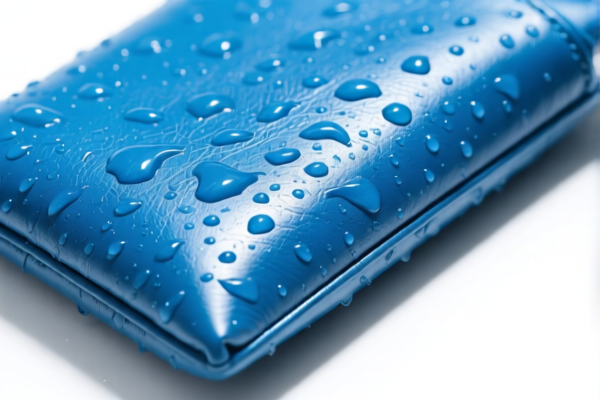
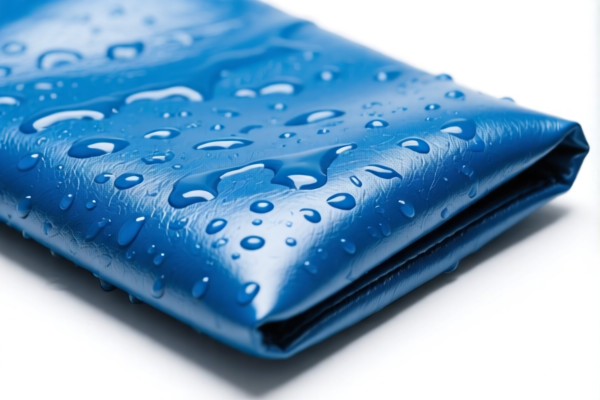
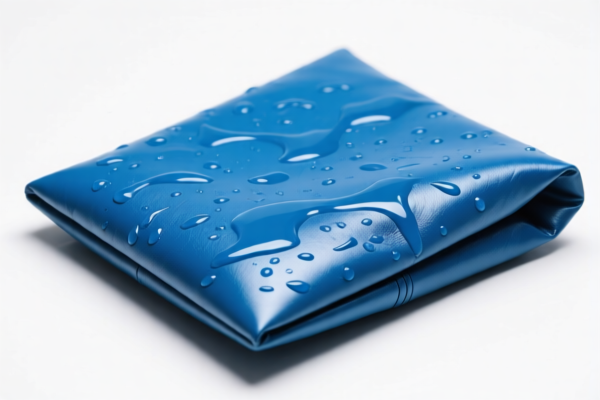
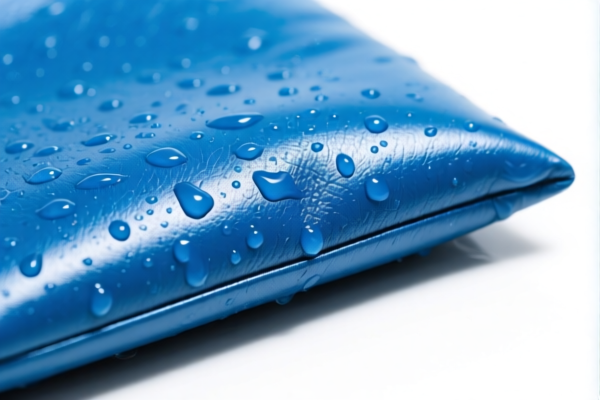
AI Analysis
🧵 Wet Blue Split Grain Leather (Bovine/Equine)
🌐 HS Code Reference & Customs Clearance Guide | 2026 Latest Tariff Analysis | Professional Compliance Strategy
📌 I. Product Definition: What is "Wet Blue"?
Wet Blue Split Grain Leather refers to bovine (including buffalo) or equine hides/skins that have been tanned using chromium salts to a "blue" state (hence the name) and subsequently split.
Key Characteristics: * "Wet Blue": The leather is still moist from the tanning process, preserving the chrome tannins' stability for further processing. * "Split": The hide has been mechanically split into layers. The top layer (grain) is usually separated from the lower layers (splits). * "Without Hair": The hair has been removed (bated/picked). * "Grain Splits": Specifically refers to the split layers that retain the grain pattern or are processed to mimic it, but technically are splits, not the full grain hide.
⚠️ Critical Distinction:
- Full Grain vs. Split: This classification applies specifically to Splits (the lower part of the hide), not the top grain layer (which would be different HS codes).
- "Fancy" vs. "Not Fancy": The tariff rate depends entirely on whether the leather is considered "Fancy" (decorative, dyed, dyed, or with special finishes) or "Not Fancy" (uniformly colored, basic finish).
📦 II. HS Code Classification Details (2026 Latest Tariff Alignment)
Based on the provided data, there are two primary HS Codes for this product, differentiated by the "Fancy" status.
| HS Code | Product Description | Key Attributes | "Fancy" Status |
|---|---|---|---|
4107.12.30.00 |
Fancy Wet Blue Split Grain Leather | Bovine/Equine, without hair, split, "Fancy" finish/dye | ✅ Yes |
4107.12.20.00 |
Not Fancy Wet Blue Split Grain Leather | Bovine/Equine, without hair, split, standard/basic finish | ❌ No |
🔍 Key Clarification:
- Heading 4107: Covers "Leather further prepared after tanning or crusting... of bovine or equine animals... other than leather of heading 4114".
- Subheading 4107.12: Refers to "Whole hides and skins: Grain splits: Of bovines".
- Surface Area Limit: The description specifies a unit surface area not exceeding 28 square feet (2.6 m²).
- Split Definition: If the leather is a split (not the top grain), it falls under this category, not the full grain category.
💰 III. 2026 Latest Tariff Rate Breakdown (Detailed Tax Clauses)
✅ Applicable Market: United States (US)
✅ Origin: China (CN)
✅ Effective Date: Current tariff structure applies.
🎯 1. 4107.12.30.00 – Fancy Wet Blue Split Leather
| Item | Content |
|---|---|
| Base Tariff | 3.6% (ad valorem) |
| Section 301 / Additional Tariff | 0.0% |
| Total Tariff | 3.6% |
| Tax Detail | 基础关税: 3.6%, 加征关税: 0.0% |
| Legal Basis | HTSUS 4107.12.30.00 |
📌 Explanation:
- "Fancy" leather incurs a base duty of 3.6%.
- Additional tariffs: As per the provided data, there is no additional Section 301 tariff for this specific subheading (0.0%).
- Total Cost: 3.6% of the CIF value.
🎯 2. 4107.12.20.00 – Not Fancy Wet Blue Split Leather
| Item | Content |
|---|---|
| Base Tariff | 0.0% (ad valorem) |
| Section 301 / Additional Tariff | 0.0% |
| Total Tariff | 0.0% |
| Tax Detail | 基础关税: 0.0%, 加征关税: 0.0% |
| Legal Basis | HTSUS 4107.12.20.00 |
📌 Explanation:
- "Not Fancy" leather (uniformly colored, basic chrome-tanned splits) is often duty-free.
- Additional tariffs: 0.0%.
- Total Cost: $0 (Duty-Free). This is a significant cost advantage if the product qualifies as "Not Fancy".
🛠️ IV. Customs Clearance Practical Advice (Risk Avoidance)
✅ 1. Documentation Checklist (Essential)
| Document | Required | Notes |
|---|---|---|
| ✅ Commercial Invoice | ✔️ | Must clearly state: "Wet Blue Split Grain Leather", "Bovine/Equine", "Without Hair". |
| ✅ Product Specification Sheet | ✔️ | Detail tanning process (chrome-tanned), split status, and finish type. |
| ✅ Finish Description | ✔️ | Crucial: Explicitly state if the leather is "Fancy" (e.g., dyed, embossed, aniline) or "Not Fancy" (e.g., uniformly pigmented, basic). |
| ✅ Surface Area Declaration | ✔️ | Confirm each hide/skin is ≤ 28 sq ft (2.6 m²). Larger hides may be classified differently. |
| ✅ Material Composition | ✔️ | Confirm 100% Bovine/Equine. No mixed materials. |
| ✅ HS Code Pre-Ruling | ✔️ | Highly recommended to confirm "Fancy" vs. "Not Fancy" status with CBP. |
✅ 2. Classification Strategy (Key Tips)
🔥 "Fancy = 3.6%, Not Fancy = 0%! Get it Right!"
| Scenario | Correct HS Code | Tax Rate | Risk if Misclassified |
|---|---|---|---|
| Uniformly colored, basic chrome split | 4107.12.20.00 |
0% | Overpaying 3.6% if incorrectly labeled "Fancy". |
| Dyed, embossed, or decorated split | 4107.12.30.00 |
3.6% | Underpaying if labeled "Not Fancy" → Penalties + Back Taxes. |
| Full Grain (Top Layer) | Incorrect | N/A | Do NOT use these codes. Full grain has different HS codes (e.g., 4107.11.xxx). |
| Surface Area > 28 sq ft | Incorrect | N/A | Must verify if the hide size exceeds the limit. Larger hides may fall under different subheadings. |
✅ 3. Special Considerations
| Situation | Handling Advice |
|---|---|
| "Wet" State | Declare as "Wet Blue" to indicate it is not fully finished. This is standard for raw leather shipments for further processing. |
| Mixed Sizes | If a shipment contains hides both > and ≤ 28 sq ft, they must be separated and declared under different HS codes if applicable. |
| OEM Custom Leather | Provide samples and finish specifications to CBP. "Fancy" is a subjective term; detailed descriptions help. |
| Avoid "Leather" Vagueness | Do not just write "Leather". Use "Wet Blue Split Grain Leather, Bovine, Chrome-Tanned, Without Hair". |
🌍 V. Global Market Comparison (2026)
| Country/Region | Recommended HS Code | Tariff (China Origin) | Notes |
|---|---|---|---|
| 🇺🇸 USA | 4107.12.20.00 / 4107.12.30.00 |
0% or 3.6% | No additional Section 301 tariffs for these specific subheadings. |
| 🇨🇳 China | 4107.12.20 / 4107.12.30 | Varies | Check latest Chinese tariff schedule for import duties. |
| 🇪🇺 EU | 4107 12 | ~3.5% | EU uses 8-digit codes. Similar "Fancy" distinctions apply. |
| 🇬🇧 UK | 4107 12 | ~3.5% | Post-Brexit tariff structure similar to EU. |
📌 Conclusion:
- The USA offers a clear 0% duty for "Not Fancy" wet blue splits, making it a competitive market if you can classify your product correctly.
- 3.6% for "Fancy" is still moderate compared to other textile/leather goods.
📌 VI. Common Mistakes & Pitfalls (Lessons Learned)
❌ Mistake 1: Calling all wet blue leather "Not Fancy" to avoid duties.
👉 Consequence: If the leather is dyed, embossed, or has a decorative finish, CBP will reclassify it as "Fancy" → 3.6% back duties + penalties.
❌ Mistake 2: Misidentifying "Split" vs. "Full Grain".
👉 Consequence: Using 4107.12 for full grain hides → Incorrect classification, potential seizure or delay.
❌ Mistake 3: Ignoring Surface Area.
👉 Consequence: Hides > 28 sq ft may not qualify for these subheadings → Different HS code, different duty.
✅ Best Practice:
"Specify Finish, Measure Size, Declare Split"
"Wet Blue, Chrome-Tanned, Bovine Split, Uniformly Colored, ≤ 28 Sq Ft" → 0% Duty
"Wet Blue, Chrome-Tanned, Bovine Split, Dyed/Embossed, ≤ 28 Sq Ft" → 3.6% Duty
🎯 VII. Conclusion: Optimize Costs with Accurate Classification
🎯 Remember:
🔹 "Not Fancy = 0%, Fancy = 3.6%".
🔹 "Split ≠ Full Grain".
🔹 "Size Matters (≤ 28 sq ft)".
📌 Pro Tip:
If your wet blue leather is uniformly colored and has no decorative finishes, strongly argue for "Not Fancy" status to achieve 0% duty. Provide detailed photos and finish specs to support this claim.
📣 Immediate Action:
📞 Contact your customs broker to review your leather samples.
📄 Request an Advance Ruling from CBP if your product is borderline between "Fancy" and "Not Fancy".
🚀 Secure the 0% duty rate by correctly classifying your "Not Fancy" wet blue splits!
✨ Precision in Classification, Savings in Tariffs!
💼 Your leather supply chain deserves the best compliance strategy!
Customer Reviews
About HS Code Classification
The Harmonized System (HS) is an internationally standardized nomenclature developed by the World Customs Organization (WCO) to classify traded products. Over 200 countries use the HS system as the basis for customs tariffs, trade statistics, and import/export regulations.
Each HS code follows a hierarchical structure:
- Chapter (2 digits) — Broad category of goods (e.g., Chapter 84: Machinery and Mechanical Appliances)
- Heading (4 digits) — More specific grouping within the chapter
- Subheading (6 digits) — Internationally standardized breakdown, used by all WCO member countries
- National subdivisions (8-10 digits) — Country-specific extensions for further classification, such as US HTSUS 10-digit codes
Correct HS code classification is essential for smooth customs clearance, accurate duty payment, and compliance with trade regulations. Misclassification can lead to customs delays, overpayment of duties, or penalties.
When importing from CN to US, the applicable tariff rates may include:
- Most-Favored-Nation (MFN) rate — The standard duty rate applied to WTO members
- General rate — Applied to countries without trade agreements
- Trade remedy duties — Additional tariffs such as Section 301 (anti-dumping), Section 232 (national security), or countervailing duties
The information provided on this page is for reference purposes only. For official classification, please consult with your local customs authority or a licensed customs broker.