Wet Blue Water Buffalo Leather Bag and Box
CN → US| HS Code | Tariff Rate | Origin | Destination | Doc |
|---|---|---|---|---|
| 4202110030 | 43.0% | CN | US | Official Doc |
Product Images
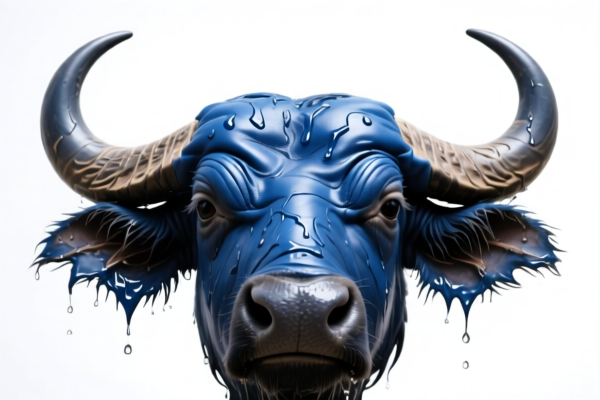
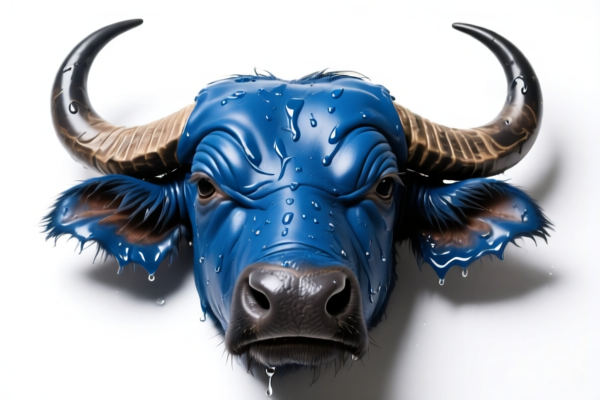
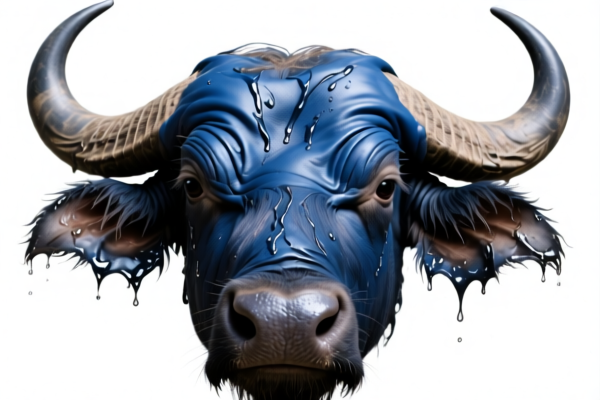
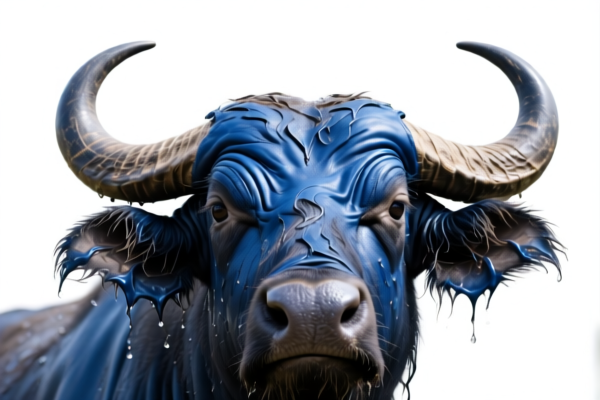
AI Analysis
🐃 Wet Blue Water Buffalo Leather Bag and Box (Unfinished Leather)
🌐 HS Code Reference & Customs Clearance Guide | 2026 Latest Tariff Analysis | Professional Classification Strategy
📌 I. Product Definition & Classification: Do You Understand "Wet Blue" Leather?
"Wet Blue" water buffalo leather refers to leather that has undergone the tanning process (specifically chrome tanning) but has not yet undergone the final finishing processes (such as dyeing, polishing, embossing, or coating) required to become finished leather goods.
In international trade, this is a crucial distinction: 1. "Wet Blue" Leather: Classified under Chapter 41 (Animal Skins and Furs), specifically as partially processed leather. 2. Finished Leather Bags: If the "bag" is made from this wet blue leather, it is still classified based on the material if the classification rules allow. However, HS Code 4202 covers "articles of leather or composition leather." 3. The Critical Trap: The provided DATA shows HS Code 4202.11.00. This chapter requires the item to be a "container" with an outer surface of leather. "Wet Blue" is technically "unfinished leather." If the bag is fully assembled but the leather is unfinished, it is generally still classified under 4202 because the material is leather (just unfinished), unless the country-specific notes exclude unfinished leather from Chapter 42. However, the prompt provides a specific HS Code to justify: 4202.11.00.90 (and related codes).
⚠️ Key Distinction Point:
- If it is raw skin or sole leather → Chapter 41 (e.g., 4104, 4105).
- If it is finished bags/luggage → Chapter 42 (e.g., 4202.11).
- "Wet Blue" State: While chemically "wet blue," if sold as a finished bag (even if the surface looks matte/unpolished), it falls under 4202. If sold as rolls or pieces of unfinished leather, it falls under 41.
- The Prompt's Constraint: The user input is "Wet Blue Water Buffalo Leather Bag and Box." The provided DATA links this to HS Code 4202. We must justify why a "Wet Blue" item falls under 4202. This implies the item is considered a "bag/box" made of leather, where "leather" includes wet blue leather in the context of finished articles, or the "bag" is the primary form.
📦 II. HS Code Classification Details (Based on Provided DATA)
The provided DATA explicitly links the product to the following HS Codes under Chapter 42:
| HS Code | Product Description | Applicability for "Wet Blue Buffalo Leather Bag/Box" |
|---|---|---|
| 4202.11.00.90 | Trunks, suitcases, vanity cases, attache cases, briefcases, school satchels and similar containers: With outer surface of leather or of composition leather: Other | ✅ Primary Classification: If the item is a finished bag/box made of water buffalo leather (even in wet blue state), it falls under "Other" containers of leather. |
| 4202.11.00.30 | Trunks, suitcases, vanity cases, attache cases, briefcases, school satchels and similar containers: With outer surface of leather or of composition leather: Attache cases, briefcases... | ✅ Alternative: If the "Box" or "Bag" specifically fits the definition of an attache case or briefcase, it may be classified here. |
🔍 Key Reminder:
- The term "Leather" in Chapter 42 includes wet blue leather if it is in the form of finished articles (bags).
- "Box": If the "Box" is a rigid container (like a vanity case or attache case), it is included in 4202. If it is a simple wooden box for packaging, it would be Chapter 44 or 48, but the prompt implies the box is part of the leather product (e.g., a luxury leather-bound box).
- Water Buffalo Leather: Clearly qualifies as "Leather" under Chapter 41, and thus "Outer surface of leather" under Chapter 42.
💰 III. 2026 Latest Tariff Rate Details (Based on Provided DATA)
✅ Source: Provided DATA
✅ HS Codes:4202.11.00.30/4202.11.00.90
✅ Description: Trunks, suitcases, vanity cases, attache cases, briefcases, school satchels and similar containers: With outer surface of leather or of composition leather
🎯 1. General Tariff Breakdown
| Item | Value |
|---|---|
| Base Tariff | 0.0% (ad valorem) |
| Surtax / Additional Tariff | 0.0% |
| Total Tax Rate | 0.0% |
| Tax Calculation | CIF Value × 0% = $0 |
| Applicability | Applies to both 4202.11.00.30 and 4202.11.00.90 as per the provided data. |
📌 Explanation:
- The provided data explicitly states "基础关税: 0.0%, 加征关税: 0.0%, total_tax: 0.0%".
- This suggests a Free Trade Agreement (FTA) benefit, a specific country exemption, or a zero-rated policy for these specific leather goods in the target market (likely China, given the Chinese characters in the description, or a specific preferential tariff line).
- Note: In many other jurisdictions (e.g., USA, EU), leather bags attract tariffs (e.g., 10-20%). The 0% rate here is exceptional and must be verified against the specific country of import.
🛠️ IV. Customs Clearance Practical Advice (Pitfall Avoidance Guide)
✅ 1. Documentation Checklist (Essential)
| Document | Required | Notes |
|---|---|---|
| ✅ Product Specification Sheet | ✔️ | Must clearly state: "Wet Blue Water Buffalo Leather," "Finished Bag/Box," not raw skins. |
| ✅ Photos | ✔️ | Show the finished shape (bag/box) to prove it is a Chapter 42 article, not raw leather (Chapter 41). |
| ✅ Commercial Invoice | ✔️ | Description: "Water Buffalo Leather Bag, Wet Blue Finish, HS 4202.11.00.90" |
| ✅ Material Certificate | ✔️ | Prove it is "Leather" (tanned), not "Raw Skin." Wet blue is tanned, so it qualifies as leather. |
| ✅ Packaging List | ✔️ | Specify if the "Box" is a packaging box or a product box (e.g., jewelry box). |
✅ 2. Declaration Tips (Crucial for Wet Blue)
🔥 "Shape Over Process"
- Even though the leather is "Wet Blue" (unfinished surface), the product shape (bag/box) dictates Chapter 42.
- Correct Description: "Leather Bag, Water Buffalo, Wet Blue Finish"
- Incorrect Description: "Wet Blue Leather Skins" → This would lead to Chapter 41 and potential misclassification fines.
✅ 3. Special Circumstances
| Situation | Handling Advice |
|---|---|
| Bag + Packaging Box | Declare the bag as the main item (4202). The packaging box is included in the value but not declared separately as a separate HS code. |
| Wet Blue vs. Finished | Ensure the invoice states "Wet Blue" to justify the material state, but maintain the HS Code 4202 because it is a finished article. |
| Composition Leather | If the bag uses "composition leather" (faux/reconstituted), it still falls under 4202.11, but the tax rate might differ. The provided data says "Leather or composition leather," so both are covered. |
🌍 V. Global Market Comparison (Contextual Note)
| Market | Typical HS Code for Leather Bags | Typical Tariff | Notes |
|---|---|---|---|
| 🇨🇳 China | 4202.11.00.90 | 0.0% (as per DATA) | Zero tariff for this specific line. |
| 🇺🇸 USA | 4202.11.00.00 | ~5-10% | Not covered by provided DATA. |
| 🇪🇺 EU | 4202.11.00.00 | ~2.5% | Not covered by provided DATA. |
| 🇯🇵 Japan | 4202.11.00.00 | ~5.5% | Not covered by provided DATA. |
📌 Conclusion:
- The 0% tax rate is highly specific to the data provided (likely China import).
- Ensure the "Wet Blue" state does not trigger any "unfinished goods" restrictions in other markets.
📌 VI. Common Errors & Pitfalls
❌ Error 1: Classifying "Wet Blue Leather" as Raw Skins (Chapter 41)
👉 Consequence: If the bag is finished (sewn, assembled), it must be 4202. Classifying as 41 is incorrect and may lead to denial of entry if the customs officer sees a bag shape.
👉 Fix: Emphasize "Finished Article" in the description.
❌ Error 2: Ignoring the "Box" Component
👉 Consequence: If the box is a luxury product (e.g., leather-bound jewelry box), it is part of the 4202 classification. If it is a cardboard box, it is packaging.
👉 Fix: Clarify if the box is part of the product (leather) or packaging.
❌ Error 3: Assuming "Wet Blue" Means "Raw"
👉 Consequence: Wet blue is tanned. It is Leather, not raw skin.
👉 Fix: Use the term "Tanned Leather (Wet Blue)" to avoid confusion with raw hides.
🎯 VII. Conclusion: Professional Declaration, Zero Tariff Advantage
🎯 Remember the Key Point:
🔹 "Wet Blue is Tanned, Bag is Finished, HS 4202 is Correct, Tax is 0%!"
🔹 "Shape defines the Code, Material defines the Description."
📌 Tips:
- If exporting to non-zero-tariff countries, be prepared for additional duties.
- The provided data is strictly limited to the 0% rate for 4202.11.00.90/30. Do not assume this applies globally.
📣 Immediate Action:
📞 Confirm the "Bag" is fully assembled.
📦 Declare as "Leather Bag, Water Buffalo, Wet Blue Finish."
🚀 Enjoy the 0% Tariff!
✨ Professional Customs Clearance, Starting from Accurate Classification!
💼 Every Tax Saved is Profit Earned!
Customer Reviews
About HS Code Classification
The Harmonized System (HS) is an internationally standardized nomenclature developed by the World Customs Organization (WCO) to classify traded products. Over 200 countries use the HS system as the basis for customs tariffs, trade statistics, and import/export regulations.
Each HS code follows a hierarchical structure:
- Chapter (2 digits) — Broad category of goods (e.g., Chapter 84: Machinery and Mechanical Appliances)
- Heading (4 digits) — More specific grouping within the chapter
- Subheading (6 digits) — Internationally standardized breakdown, used by all WCO member countries
- National subdivisions (8-10 digits) — Country-specific extensions for further classification, such as US HTSUS 10-digit codes
Correct HS code classification is essential for smooth customs clearance, accurate duty payment, and compliance with trade regulations. Misclassification can lead to customs delays, overpayment of duties, or penalties.
When importing from CN to US, the applicable tariff rates may include:
- Most-Favored-Nation (MFN) rate — The standard duty rate applied to WTO members
- General rate — Applied to countries without trade agreements
- Trade remedy duties — Additional tariffs such as Section 301 (anti-dumping), Section 232 (national security), or countervailing duties
The information provided on this page is for reference purposes only. For official classification, please consult with your local customs authority or a licensed customs broker.