Wet Salt/Corrosion Resistant Leather (for Footwear)
CN → US| HS Code | Tariff Rate | Origin | Destination | Doc |
|---|---|---|---|---|
| 4101901020 | 17.5% | CN | US | Official Doc |
| 4104194010 | 15.0% | CN | US | Official Doc |
| 4101501020 | 17.5% | CN | US | Official Doc |
| 4104114010 | 15.0% | CN | US | Official Doc |
| 4107191020 | 35.0% | CN | US | Official Doc |
Product Images
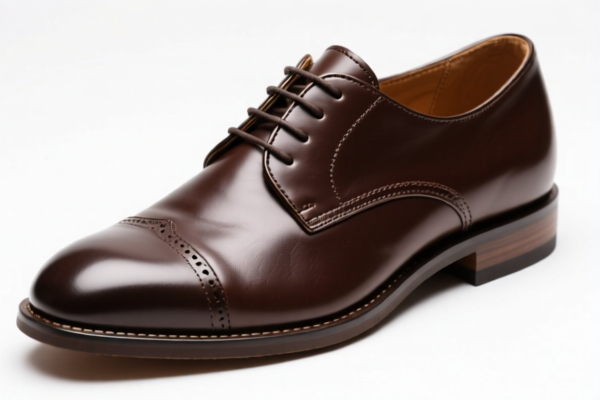
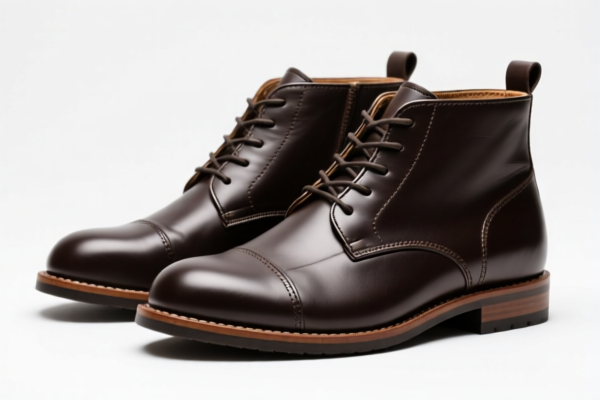
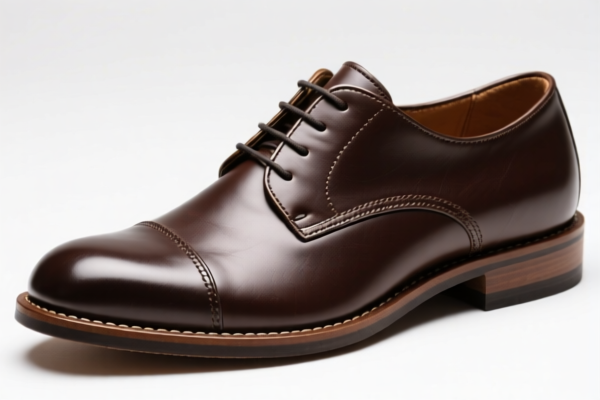
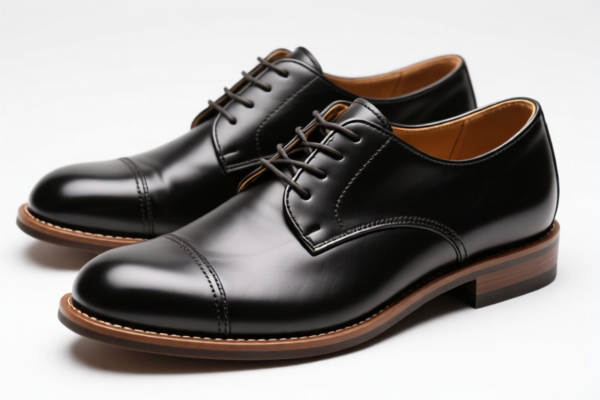
AI Analysis
🧵 Wet Salt/Corrosion-Resistant Leather (For Footwear)
🌐 HS Code Reference & Customs Clearance Guide | 2026 Latest Tariff Analysis | Professional Tier-1 Clearance Strategy
📌 I. Product Definition & Classification: Do You Really Understand "Leather for Footwear"?
Wet salt-preserved leather, also known as "green salted hides/skins," is the primary raw material in the global footwear industry. In international trade, its classification depends heavily on the animal source (bovine vs. equine), state (wet/damp vs. dry), and processing level (raw/rawhide vs. tanned/chrome-tanned).
Key Distinctions: * Raw/Unprocessed (Chapter 41): Hides that are only salted or preserved. These fall under headings 4101 (Bovine) or 4104/4107 (Other). * Tanned/Finished (Chapter 41): Hides that have undergone chemical treatment (e.g., chrome tanning). These fall under 4107. * Footwear Application: The intended use (upper/lining vs. sole) helps narrow down the specific subheadings but does not override the material state.
⚠️ Critical Classification Point:
- If the leather is wet/damp and untanned (only salted/preserved) → It is classified as Raw Hides/Skins (Headings 4101, 4104).
- If the leather is tanned (e.g., chrome-tanned) and used for footwear uppers → It is classified as Tanned Leather (Heading 4107).
- Do NOT classify salted raw hides as "finished leather" to avoid misclassification penalties.
📦 II. HS Code Classification Details (2026 Latest Tariff Authority Mapping)
Based on the provided data, here is the precise mapping for "Wet Salt/Corrosion-Resistant Leather (for Footwear)":
| HS Code | Product Description | Application/Feature | Tax Status |
|---|---|---|---|
4101.90.10.20 |
Wet/salted/preserved leather; for footwear; meets raw hide characteristics | Bovine/Equine raw hides, wet-salted | 🔴 High Duty (17.5%) |
4104.19.40.10 |
Wet-state leather; for footwear uppers; material/form match | Other animals (non-bovine/equine), wet raw | 🟡 Medium Duty (15.0%) |
4101.50.10.20 |
Salted-preserved leather; Bovine/Equine raw hides; no material conflict | Standard Bovine raw hides, salted | 🔴 High Duty (17.5%) |
4104.11.40.10 |
Wet-state leather; for footwear uppers/soles; fully matches material/usage | Other animals, wet raw, specific form | 🟡 Medium Duty (15.0%) |
4107.19.10.20 |
Tanned/Chrome-tanned leather; for footwear uppers/linings; salted is primary processing step | Tanned leather (different from raw) | 🔴 Highest Duty (35.0%) |
🔍 Key Insight:
- HS 4101/4104 codes apply to RAW leather (untanned, only preserved by salt). This is the most common state for "wet salted" imports. - HS 4107 applies only if the leather has been TANNED (e.g., chrome-tanned). If you import "wet salted" raw hides, DO NOT use 4107. Misclassification here leads to severe penalties because the duty rate difference is significant (17.5% vs. 35.0%).
💰 III. 2026 Latest Tariff Rate Breakdown (Including Additional Taxes & Policies)
✅ Applicable Country: United States (US)
✅ Origin: China (CN)
✅ Effective Date: Post-November 2025 (Current Policy)
🎯 1. 4101.90.10.20 & 4101.50.10.20 —— Bovine/Equine Raw Hides (Wet Salted)
| Item | Content |
|---|---|
| Base Duty Rate | 0.0% (Ad valorem) |
| Section 301 / "Add-on" Tariff | +7.5% |
| Section 122 Tariff | +10.0% (Specific to certain leather products) |
| Total Duty Rate | 17.5% |
| Tax Calculation | CIF Value × 17.5% |
| De Minimis Eligibility | ❌ No (De_minimis = False) |
| Legal Basis Path | Base:0% → Section 301:7.5% → Sec 122:10% → Total:17.5% |
📌 Explanation:
- These codes cover raw bovine or equine hides that are wet and salted.
- The 7.5% is the standard Section 301 additional tariff for many Chinese-origin goods.
- The 10% is the specific "Section 122" tariff applied to certain leather articles/hides.
- Total 17.5% is the baseline for raw bovine/equine wet salted leather.
🎯 2. 4104.19.40.10 & 4104.11.40.10 —— Other Animal Raw Hides (Wet State)
| Item | Content |
|---|---|
| Base Duty Rate | 5.0% (Ad valorem) |
| Section 301 / "Add-on" Tariff | 0.0% (Exempt for this subcategory) |
| Section 122 Tariff | +10.0% |
| Total Duty Rate | 15.0% |
| Tax Calculation | CIF Value × 15.0% |
| De Minimis Eligibility | ❌ No (De_minimis = False) |
| Legal Basis Path | Base:5% → Section 301:0% → Sec 122:10% → Total:15.0% |
📌 Note:
- These codes cover non-bovine, non-equine raw hides (e.g., goat, pig, sheep) in wet state.
- The base duty is higher (5%) but the Section 301 add-on is 0%, resulting in a lower total (15.0%) compared to bovine hides.
- Suitable for pigskin or goatskin footwear materials.
🎯 3. 4107.19.10.20 —— Tanned/Chrome-Tanned Leather (For Footwear)
| Item | Content |
|---|---|
| Base Duty Rate | 0.0% (Ad valorem) |
| Section 301 / "Add-on" Tariff | +25.0% |
| Section 122 Tariff | +10.0% |
| Total Duty Rate | 35.0% |
| Tax Calculation | CIF Value × 35.0% |
| De Minimis Eligibility | ❌ No (De_minimis = False) |
| Legal Basis Path | Base:0% → Section 301:25% → Sec 122:10% → Total:35.0% |
📌 Critical Warning:
- This code is for TANNED leather (e.g., chrome-tanned).
- If you import raw wet salted hides but declare them as tanned to try to match a different category, you face misdeclaration risks.
- However, if you are genuinely importing tanned leather, the 25% Section 301 rate makes this the most expensive option (35.0% total).
- Do not confuse "salted raw" (4101/4104) with "tanned" (4107).
🛠️ IV. Customs Clearance Practical Advice (Real-World Pitfall Avoidance)
✅ 1. Documentation Checklist (Non-Negotiable)
| Document | Required | Description |
|---|---|---|
| ✅ Product Specification Sheet | ✔️ | Must state: "Wet Salted," "Raw," "Untanned," Animal Type (Bovine/Equine/Other), Weight, Quantity. |
| ✅ Process Description | ✔️ | Explicitly state: "Preserved by Sodium Chloride (Salt)," "Not Tanned," "No Chrome/Chemical Tanning Agents Added." |
| ✅ Photos (Clear & Labeled) | ✔️ | Show texture, salt crystals, packaging, and any tags indicating "Raw Hide." |
| ✅ Commercial Invoice | ✔️ | Must clearly describe as "Wet Salted Raw Leather, Untanned, for Footwear Manufacturing." |
| ✅ Packing List | ✔️ | Detail net/gross weight per bundle. Weight is critical for duty calculation. |
| ✅ Origin Certificate (CO) | ✔️ | Proof of origin from China (triggers Section 301/122 tariffs). |
✅ 2. Declaration Tips (Key Mantras)
🔥 “Raw is Raw, Tanned is Tanned; Salted Means Raw, Not Finished!”
| Scenario | Correct Declaration | Wrong Practice |
|---|---|---|
| Wet, Salted, Untanned Bovine Hides | 4101.90.10.20 or 4101.50.10.20 |
Declaring as "Tanned Leather" (4107) → 35% Duty (Overpaying) |
| Wet, Salted, Untanned Pig/Goat Skins | 4104.19.40.10 or 4104.11.40.10 |
Declaring as Bovine (4101) → 17.5% Duty (Higher than needed) |
| Dry, Salted Hides | Check if still "Wet State" | If dry, HS code may change (not covered in this data set) |
| Chrome-Tanned Leather | 4107.19.10.20 |
Declaring as "Raw" → Smuggling/Misclassification Risk |
✅ 3. Special Handling Cases
| Case | Handling Advice |
|---|---|
| Mixed Shipments (Bovine + Non-Bovine) | Separate declarations! Do not mix 4101 and 4104 codes. Each bundle must be clearly identified. |
| "Corrosion-Resistant" Claim | Clarify if this refers to salt preservation (normal for raw hides) or a chemical treatment (could imply tanning). If chemical, it may be 4107. |
| Footwear Upper vs. Sole | The HS code is determined by material, not just use. However, specifying "for footwear uppers" helps customs verify the intended application under 4104/4107. |
| Damp vs. Wet | If the leather is too dry, it may be classified differently. Ensure "Wet State" is documented if claiming 4104 codes. |
🌍 V. Global Market Clearance Comparison (2026 Latest)
| Country/Region | Recommended HS Code (Bovine Raw) | Duty Rate | Certification/Notes |
|---|---|---|---|
| 🇺🇸 USA | 4101.90.10.20 / 4101.50.10.20 |
17.5% | Section 301 (7.5%) + Sec 122 (10%). High Cost. |
| 🇨🇳 China | 4101.90.10.20 |
Low/Zero | Generally lower import duties for raw materials. |
| 🇪🇺 EU | 4101.90 (NACE) | 0-10% | Check EU TARIC for specific "Green Wet Blue" codes. |
| 🇻🇳 Vietnam | 4101.90 | Low | Often used as intermediate processing; may have FTZ benefits. |
📌 Conclusion:
- The US market is the most expensive due to the combination of Section 301 and Section 122 tariffs.
- Raw hides (17.5%) are significantly cheaper than Tanned Leather (35.0%) if you are importing the same base material.
- Optimization Strategy: If you are importing raw hides, ensure they are correctly classified as 4101/4104 to avoid the 35% pitfall. If you are importing tanned leather, the 35% is unavoidable under current US policy.
📌 VI. Common Errors & Pitfalls (Lessons Learned)
❌ Error 1: Classifying "Wet Salted Raw Hides" as "Tanned Leather"
👉 Consequence: Overpaying 17.5% (17.5% vs 35.0%).
👉 Fix: Clearly state "Untanned" and "Raw" on the invoice.
❌ Error 2: Mixing Bovine (4101) and Non-Bovine (4104) in one declaration
👉 Consequence: Customs rejection, delays, and potential fines for inaccurate data.
👉 Fix: Separate shipments by animal species.
❌ Error 3: Ignoring the "Section 122" Tariff
👉 Consequence: Unexpected 10% charge at customs.
👉 Fix: Pre-calculate duties including Base + Sec 301 + Sec 122.
❌ Error 4: Claiming "De Minimis" for Leather Imports
👉 Consequence: Denied. Leather imports are not eligible for de minimis (Section 321) under current policies.
👉 Fix: Prepare for full formal entry and duty payment.
✅ Correct Practice:
"Wet Salted Raw Bovine Hides, Untanned, For Footwear Upper, 40 sq ft avg, 100 bundles, Origin: China, Incoterms: CIF"
🎯 VII. Conclusion: Professional Classification Saves Money!
🎯 Remember the Mantra:
🔹 "Raw is Raw: 4101/4104 (17.5%/15.0%)"
🔹 "Tanned is Tanned: 4107 (35.0%)"
🔹 "Salted ≠ Tanned! Do Not Confuse!"
🔹 "Total Duty = Base + 7.5% (Sec 301) + 10% (Sec 122) for Bovine Raw"
📌 Pro Tip:
- If your leather is tanned, consider sourcing from Vietnam or Thailand to potentially avoid US Section 301 tariffs (verify current FTZ rules).
- For raw hides, the 17.5% rate is fixed for China-origin bovine hides. Focus on reducing CIF value (negotiate freight/insurance) rather than changing HS codes.
📣 Immediate Action:
📞 Contact your customs broker with exact photos and process details (Salted? Tanned? Chrome?).
🚀 Apply for a Binding Ruling if unsure about the state of preservation.
💼 Precision in classification prevents costly delays and penalties!
✨ Professional Customs Clearance Starts with Accurate Classification!
💼 Every Dollar Saved is a Dollar Earned!
Customer Reviews
About HS Code Classification
The Harmonized System (HS) is an internationally standardized nomenclature developed by the World Customs Organization (WCO) to classify traded products. Over 200 countries use the HS system as the basis for customs tariffs, trade statistics, and import/export regulations.
Each HS code follows a hierarchical structure:
- Chapter (2 digits) — Broad category of goods (e.g., Chapter 84: Machinery and Mechanical Appliances)
- Heading (4 digits) — More specific grouping within the chapter
- Subheading (6 digits) — Internationally standardized breakdown, used by all WCO member countries
- National subdivisions (8-10 digits) — Country-specific extensions for further classification, such as US HTSUS 10-digit codes
Correct HS code classification is essential for smooth customs clearance, accurate duty payment, and compliance with trade regulations. Misclassification can lead to customs delays, overpayment of duties, or penalties.
When importing from CN to US, the applicable tariff rates may include:
- Most-Favored-Nation (MFN) rate — The standard duty rate applied to WTO members
- General rate — Applied to countries without trade agreements
- Trade remedy duties — Additional tariffs such as Section 301 (anti-dumping), Section 232 (national security), or countervailing duties
The information provided on this page is for reference purposes only. For official classification, please consult with your local customs authority or a licensed customs broker.