Wet Salted Leather Scraps
CN → US| HS Code | Tariff Rate | Origin | Destination | Doc |
|---|---|---|---|---|
| 4101901020 | 17.5% | CN | US | Official Doc |
| 4101901010 | 17.5% | CN | US | Official Doc |
| 4104115080 | 13.3% | CN | US | Official Doc |
| 4104195080 | 13.3% | CN | US | Official Doc |
| 411190 | 0.0% | CN | US | Official Doc |
| 411110 | 0.0% | CN | US | Official Doc |
Product Images
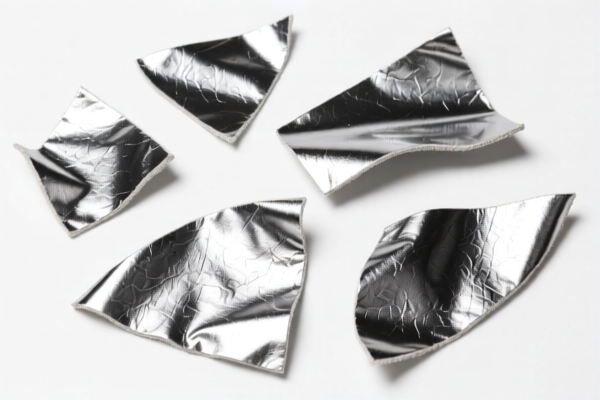
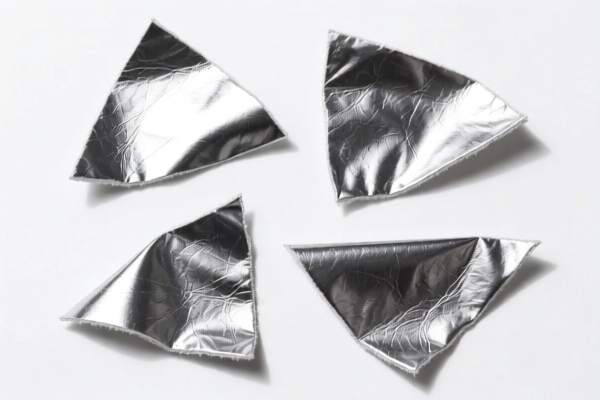
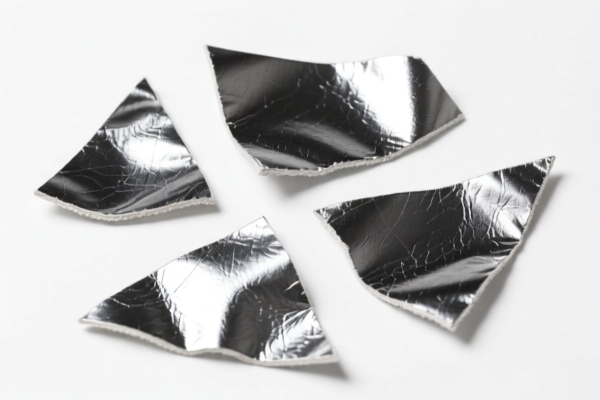
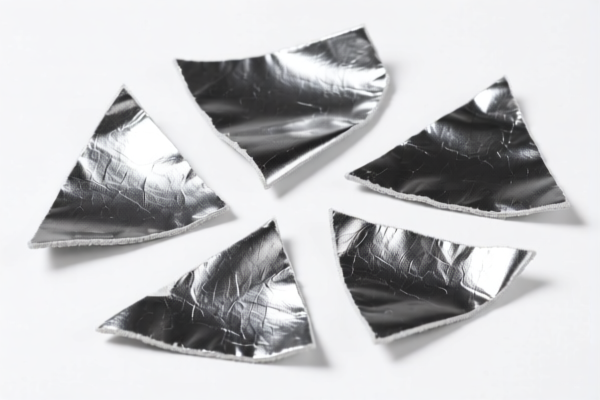
AI Analysis
🐄 Wet Salted Leather Scraps (Leather Waste & Offcuts)
🌐 HS Code Reference & Customs Clearance Guide | 2026 Latest Tariff Analysis | Professional Compliance Strategy
📌 I. Product Definition: What Are "Wet Salted Leather Scraps"?
"Wet Salted Leather Scraps" refer to leather waste, offcuts, or remnants that have undergone preliminary preservation processes—specifically liming, pickling, or salting—to prevent decay before further processing. These are not finished leather products nor hides intended for immediate manufacture of footwear/gloves (unless specified).
Key Characteristics: - State: Wet or salted (preserved); not fully tanned or dressed. - Form: Scraps, offcuts, or remnants (not full hides/skins). - Purpose: Typically intended for recycling, reconstitution, or further industrial processing (e.g., suede, bonded leather, glue base). - Exclusion: If intended specifically for manufacturing footwear or gloves, they fall under a different HS code.
⚠️ Critical Distinction:
- General Scrap/Pelts (Footwear/Gloves NOT intended): → HS 4111.90
- Scrap/Pelts FOR Footwear/Gloves: → HS 4111.10
- Raw Hides/Skins (Full, not scraps): → HS 4101.xx (Different category)
📦 II. HS Code Classification Details (2026 Tariff Authority)
| HS Code | Product Description | Intended Use | Tax Status |
|---|---|---|---|
4111.90 |
Wet salted leather scraps, not further prepared than limed, pickled, or similarly preserved, excluding those for footwear/gloves | General industrial use, recycling, other leather goods | ❌ Tax Retrieval Failed |
4111.10 |
Wet salted leather scraps, not further prepared, intended for footwear or gloves | Footwear lining, glove making, etc. | ❌ Tax Retrieval Failed |
4101.90.10.20 |
Raw bovine hides/skins, wet-salted, not pretanned (Other) | Note: This is for full hides, not scraps. | ✅ 7.5% (Base 0% + Additional 7.5%) |
4101.90.10.10 |
Raw bovine hides/skins, wet-salted, not pretanned (Butts and Bends) | Note: This is for full hides, not scraps. | ✅ 7.5% (Base 0% + Additional 7.5%) |
4104.11.50.80 |
Tanned/crust bovine hides, wet state, full grains, unsplit | Note: This is for tanned/crust leather, not raw scraps. | ✅ 0.0% |
4104.19.50.80 |
Tanned/crust bovine hides, wet state, other | Note: This is for tanned/crust leather, not raw scraps. | ✅ 0.0% |
🔍 Important Note:
- The term "Scraps" specifically maps to 4111.x0.
- Codes 4101.xx refer to raw hides/skins (full pelts), which are not classified as "scraps" unless explicitly stated as such.
- Codes 4104.xx refer to tanned/crust leather, which is further prepared than just wet-salted.
- Tax Data Limitation: For HS 4111.90 and 4111.10, the system indicates: "Failed to retrieve tax information" and "Total Tax: Error". This requires manual verification with customs authorities or a licensed broker.
💰 III. Tariff Rate Details (With Cautions)
✅ Applicable Country: Data indicates US-style tax structure (Base + Additional)
✅ Origin: Not specified in data, but assumed general
✅ Status: Tax Retrieval Failed for primary "Scraps" codes
🎯 1. 4111.90 —— Wet Salted Leather Scraps (General/Other)
| Item | Content |
|---|---|
| Description | Wet salted leather scraps, not further prepared than limed, pickled, or similarly preserved, excluding footwear/glove intent |
| Base Duty | ❌ Error / Not Retrieved |
| Additional Duty | ❌ Error / Not Retrieved |
| Total Tax | Error |
| Action Required | 📞 Contact Customs Broker Immediately for manual rate lookup |
📌 Explanation:
- The system could not retrieve the specific tax rate for this category.
- In many jurisdictions, leather scraps may have low or zero duty, but additional tariffs (e.g., Section 301 for China) may apply.
- Do NOT assume 0% or 7.5%. Verify with official tariff schedules.
🎯 2. 4111.10 —— Wet Salted Leather Scraps (For Footwear/Gloves)
| Item | Content |
|---|---|
| Description | Wet salted leather scraps, intended for footwear or gloves manufacturing |
| Base Duty | ❌ Error / Not Retrieved |
| Additional Duty | ❌ Error / Not Retrieved |
| Total Tax | Error |
| Action Required | 📞 Contact Customs Broker Immediately for manual rate lookup |
📌 Note:
- Same tax retrieval failure as4111.90.
- Intent declaration ("for footwear/gloves") changes the HS code but not the tax data availability.
🎯 3. 4101.90.10.20 & 4101.90.10.10 —— Raw Bovine Hides (For Reference Only)
| Item | Content |
|---|---|
| HS Code | 4101.90.10.20 (Other) / 4101.90.10.10 (Butts & Bends) |
| Description | Raw hides/skins of bovine animals, wet-salted, not pretanned |
| Base Duty | 0.0% |
| Additional Duty | 7.5% |
| Total Duty | 7.5% |
| Note | ⚠️ These are for FULL HIDES, not scraps. Do not misclassify scraps as full hides. |
🛠️ IV. Customs Clearance Practical Advice
✅ 1. Documentation Checklist (Must-Haves)
| Document | Required | Purpose |
|---|---|---|
| Commercial Invoice | ✔️ | Clearly state: "Wet Salted Leather Scraps" |
| Packing List | ✔️ | Detail weight, volume, and packaging method |
| Processing Certificate | ✔️ | Confirm liming/pickling/salting process |
| Declaration of Intent | ✔️ | Specify if for footwear/gloves (4111.10) or other (4111.90) |
| Photos of Goods | ✔️ | Show wet-salted condition, scrap size, and packaging |
| Customs Broker Contact | ✔️ | Essential due to tax retrieval error |
✅ 2. Classification Tips (Key Mnemonics)
🔥 "Scraps vs. Hides: Know the Difference!"
| Scenario | Correct HS Code | Why? |
|---|---|---|
| Small offcuts, wet-salted, for recycling | 4111.90 |
Not full hides, not for footwear/gloves |
| Small offcuts, wet-salted, for glove making | 4111.10 |
Specific intent for footwear/gloves |
| Full wet-salted cowhide (butts, bends, etc.) | 4101.90.10.xx |
Full hide, not a scrap |
| Tanned, wet blue leather scrap | ❌ Not Covered | Tanned leather falls under Chapter 41, but different subheading (e.g., 4104.xx) |
📌 Critical Warning:
- Do NOT classify "wet salted leather scraps" as 4101.xx (raw hides).
- Do NOT classify as 4104.xx (tanned/crust) unless the leather is further prepared beyond liming/pickling.
- Tax Error: Since4111.xxtax data is unavailable, always verify with a customs broker before shipment.
✅ 3. Special Cases
| Case | Handling Advice |
|---|---|
| Mixed Scraps | Separate by intent (footwear vs. general) to avoid misclassification |
| Non-Bovine Scraps | Verify if similar HS codes apply for sheep, goat, or pig skins |
| Dry vs. Wet Salted | Ensure description matches "wet-salted" or "limed/pickled" exactly |
| Tax Uncertainty | Request a Binding Tariff Ruling (BTR) from customs before importing |
🌍 V. Global Market Comparison (2026)
| Country/Region | Recommended HS Code | Estimated Duty | Certification | Notes |
|---|---|---|---|---|
| 🇺🇸 US | 4111.90 / 4111.10 |
❓ Error | None specific | Verify via USITC; possible Section 301 |
| 🇨🇳 China | 4111.90 |
❓ Error | None specific | Verify via China Customs |
| 🇪🇺 EU | 4111.90 |
❓ Error | REACH (if chemicals) | Verify via TARIC |
| 🇬🇧 UK | 4111.90 |
❓ Error | UKCA (if applicable) | Post-Brexit rules apply |
📌 Conclusion:
- Tax data is missing for all "scraps" categories (4111.xx).
- Raw hides (4101.xx) have clear rates (7.5% in US example), but scraps are different.
- Action: Always use a customs broker for4111.xxclassifications.
📌 VI. Common Mistakes & Pitfalls
❌ Mistake 1: Classifying wet-salted full hides as scraps (4111.xx)
👉 Result: Under-declaration, penalties, back taxes.
❌ Mistake 2: Assuming 0% duty for scraps because hides are low-duty
👉 Result: Unexpected tariffs due to Section 301 or local taxes.
❌ Mistake 3: Not declaring intent for footwear/gloves
👉 Result: Misclassification between 4111.90 and 4111.10, leading to delays.
✅ Correct Approach:
"Wet Salted Leather Scraps, Limed/Pickled, For General Use, Model XYZ, Weight: 500kg"
🎯 VII. Conclusion: Precision in Classification Saves Money!
🎯 Remember the Rule:
🔹 "Scraps ≠ Hides"
🔹 "Scraps ≠ Tanned Leather"
🔹 "Tax Error? Call Your Broker!"📌 Pro Tip:
If your supplier provides full hides that you cut into scraps, declare them as raw hides (4101.xx) before cutting, or ensure proper documentation if cutting occurs after import.
📣 Immediate Action:
📞 Contact a licensed customs broker to verify
4111.90and4111.10tax rates for your origin country.
🚀 Pre-shipment verification prevents costly delays and penalties.
✨ Professional Clearance, Start with Accurate Classification!
💼 Every HS Code is a Legal Commitment!
Customer Reviews
About HS Code Classification
The Harmonized System (HS) is an internationally standardized nomenclature developed by the World Customs Organization (WCO) to classify traded products. Over 200 countries use the HS system as the basis for customs tariffs, trade statistics, and import/export regulations.
Each HS code follows a hierarchical structure:
- Chapter (2 digits) — Broad category of goods (e.g., Chapter 84: Machinery and Mechanical Appliances)
- Heading (4 digits) — More specific grouping within the chapter
- Subheading (6 digits) — Internationally standardized breakdown, used by all WCO member countries
- National subdivisions (8-10 digits) — Country-specific extensions for further classification, such as US HTSUS 10-digit codes
Correct HS code classification is essential for smooth customs clearance, accurate duty payment, and compliance with trade regulations. Misclassification can lead to customs delays, overpayment of duties, or penalties.
When importing from CN to US, the applicable tariff rates may include:
- Most-Favored-Nation (MFN) rate — The standard duty rate applied to WTO members
- General rate — Applied to countries without trade agreements
- Trade remedy duties — Additional tariffs such as Section 301 (anti-dumping), Section 232 (national security), or countervailing duties
The information provided on this page is for reference purposes only. For official classification, please consult with your local customs authority or a licensed customs broker.