Wet Wipes
CN → US| HS Code | Tariff Rate | Origin | Destination | Doc |
|---|---|---|---|---|
| 4818900080 | 17.5% | CN | US | Official Doc |
| 4818200040 | 35.0% | CN | US | Official Doc |
| 3307900000 | 40.4% | CN | US | Official Doc |
Product Images
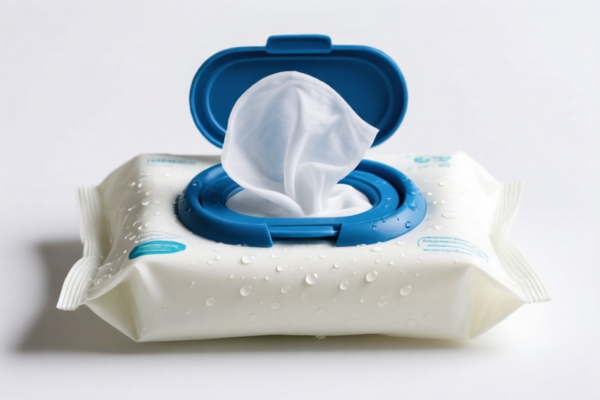
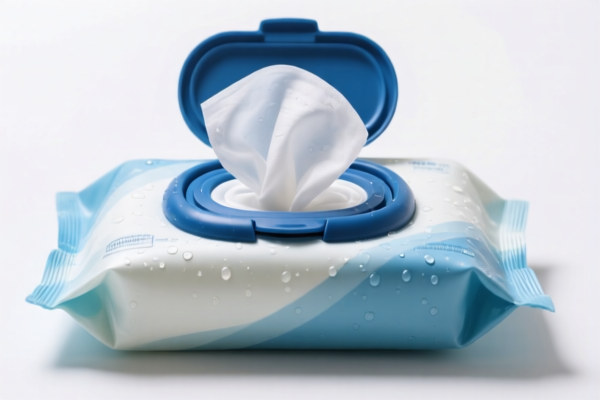
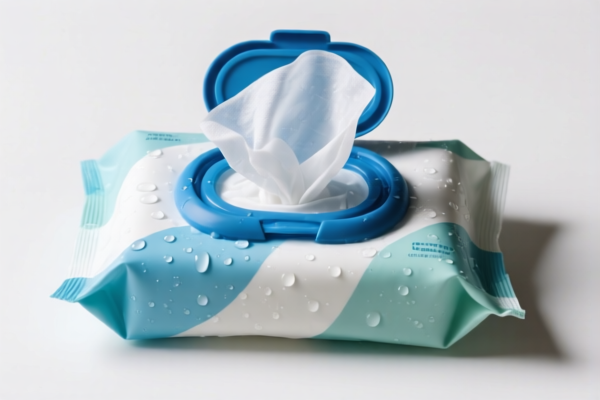
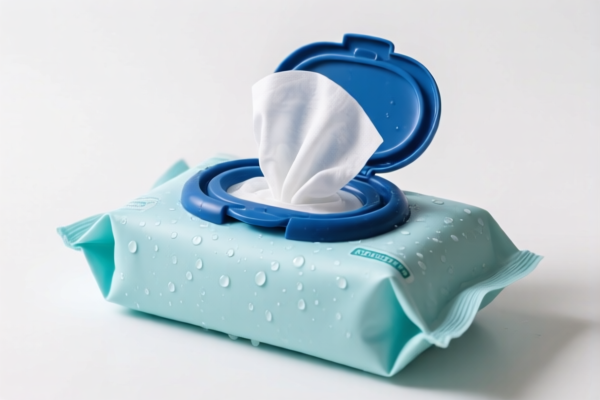
AI Analysis
🧻 Wet Wipes (Moist Tissues & Cleansing Towelettes)
🌐 HS Code Classification & Customs Clearance Guide | 2026 Tariff Breakdown | Strategic Entry Strategy
📌 I. Product Definition & Critical Distinction: Paper vs. Chemical?
Wet wipes are ubiquitous personal care and cleaning products, but in international trade, their classification hinges on a critical material and functional debate: Are they primarily paper products or chemical/cosmetic preparations?
1. Paper-Based Wipes (Hygiene/Cleaning Focus):
- Material: Non-woven fabric or paper, saturated with water/mild solution.
- Use: Toilet seat cleaning, surface wiping, general hygiene.
- Logic: Classified under Chapter 48 (Paper/Paperboard).
2. Personal Care/Cosmetic Wipes (Skin Care Focus):
- Material: Non-woven fabric saturated with lotions, oils, or medicated solutions.
- Use: Facial cleansing, baby care, medical antisepsis.
- Logic: Classified under Chapter 33 (Essential Oils/Toiletries).
⚠️ Key Differentiator:
- If the primary function is cleaning surfaces or general hygiene with minimal cosmetic additives → HS 4818.
- If the primary function is personal grooming, skin护理, or medicated → HS 3307.
- Misclassification Risk: Declaring cosmetic wipes as "paper" to avoid higher taxes can trigger audits, penalties, and shipment delays.
📦 II. HS Code Classification Matrix (2026 Latest Tariff Data)
| HS Code | Product Description | Primary Logic | Material Focus |
|---|---|---|---|
4818.90.00.80 |
Sanitary Paper & Similar Paper Articles (incl. Cleaning Tissues) | Hygiene/Cleaning | Paper/Cellulose-based |
4818.20.00.40 |
Handkerchiefs, Cleaning or Facial Tissues & Towels (Other) | Facial/Hand Cleaning | Paper-based "Other" |
3307.90.00.00 |
Pre-packed Toilet Preparations (incl. Wet Wipes for Skin) | Personal Care/Cosmetic | Chemical/Medicated Solution |
🔍 Critical Note:
- HS 4818 codes generally carry lower base duties but are subject to heavy Section 301 and IEEPA surcharges.
- HS 3307 is classified as a "Toiletry," which has a higher base duty but may fall under different trade remedy scopes.
- Do not guess: The saturation liquid’s composition (alcohol content, lotions, pH level) determines if it belongs in Ch. 48 or Ch. 33.
💰 III. 2026 Tariff Rate Breakdown (Detailed Tax Calculation)
✅ Applicable Country: United States (US)
✅ Origin: China (CN)
✅ Effective Date: Post-2025 Tariff Regime (Including 223 & IEEPA provisions)
🎯 1. 4818.90.00.80 — Sanitary Paper & Cleaning Tissues
Best for: Household cleaning wipes, toilet seat covers, general-purpose wet tissues.
| Item | Detail |
|---|---|
| Base Duty | 0.0% (Free) |
| Section 301 Surcharge | +7.5% |
| Section 232 Tariff | +10% |
| Total Effective Rate | 17.5% |
| Tax Calculation | CIF Value × 17.5% |
| De Minimis Exemption | ❌ Not Eligible (Section 301 goods >$800 excluded) |
| Legal Basis | USITC:4818.90.00.80 + Section 301 Footnote + IEEPA/232 Provisions |
📌 Explanation:
- This is the most cost-effective route for general cleaning/hygiene wipes.
- 0% base duty makes it attractive, but the 17.5% total is significant for high-volume shipments.
- Suitable for wipes with water-based or mild soap solutions, not heavy cosmetics.
🎯 2. 4818.20.00.40 — Facial Tissues & Towels (Other)
Best for: Premium facial wet tissues, baby wipes with simple moisturizers, hand cleansing wipes.
| Item | Detail |
|---|---|
| Base Duty | 0.0% (Free) |
| Section 301 Surcharge | +25.0% |
| Section 232 Tariff | +10% |
| Total Effective Rate | 35.0% |
| Tax Calculation | CIF Value × 35.0% |
| De Minimis Exemption | ❌ Not Eligible |
| Legal Basis | USITC:4818.20.00.40 + Section 301 High-Tariff List |
📌 Explanation:
- This code is a catch-all for paper tissues that don’t fit neatly into "sanitary paper" or "handkerchiefs."
- The 25% Section 301 surcharge is much higher than Code .80.
- Use this only if the product is clearly paper-based but fails to meet the strict "sanitary" definition of Code .80.
- Warning: High cost. Avoid if possible unless product attributes are strictly defined.
🎯 3. 3307.90.00.00 — Pre-packed Toilet Preparations (Wet Wipes)
Best for: Medicated wipes, alcohol-based sanitizers, cosmetic facial cleansing wipes, baby wipes with lotions.
| Item | Detail |
|---|---|
| Base Duty | 5.4% |
| Section 301 Surcharge | +25.0% |
| Section 232 Tariff | +10% |
| Total Effective Rate | 40.4% |
| Tax Calculation | CIF Value × 40.4% |
| De Minimis Exemption | ❌ Not Eligible |
| Legal Basis | USITC:3307.90.00.00 + Section 301 + IEEPA |
📌 Explanation:
- This is the most expensive option.
- Applies when wipes are clearly personal care items (e.g., "Facial Cleansing Wipe," "Medicated Antiseptic Wipe").
- Why so high? The 5.4% base duty reflects its status as a cosmetic/toiletry, and it is subject to the maximum 25% Section 301 surcharge.
- Strategy: Only use if the product cannot be reasonably classified under Chapter 48. Misclassifying cosmetic wipes as paper can lead to fraud allegations.
🛠️ IV. Customs Clearance Strategy & Practical Advice
✅ 1. Documentation Checklist (Mandatory)
| Document | Requirement | Reason |
|---|---|---|
| Product Specification Sheet | Must list active ingredients, pH level, and saturation solution composition | Determines if it’s "Paper" (Ch. 48) or "Cosmetic" (Ch. 33) |
| Material Breakdown | % of cellulose/paper vs. synthetic non-woven | Chapter 48 requires >50% paper/cellulose in some interpretations |
| Usage Instructions | Explicitly state intended use (e.g., "For cleaning tables" vs. "For facial cleansing") | Customs uses primary purpose to classify |
| Commercial Invoice | Detailed description: "Non-woven wet wipes, water-based, for surface cleaning" | Avoid vague terms like "Cleaning Tissues" without context |
| Certificate of Analysis (COA) | For medicated or alcohol-based wipes | Proves chemical content for Ch. 33 classification |
| FCC/CE/RoHS Certs | If applicable (e.g., for packaged devices or specific chemicals) | Ensures compliance with safety standards |
✅ 2. Classification Strategy: How to Choose?
| Product Type | Recommended HS Code | Why? |
|---|---|---|
| Toilet Seat Covers / Toilet Bowl Cleaning Wipes | 4818.90.00.80 |
Clear hygiene purpose, low cosmetic content. Lowest Tax (17.5%). |
| General Purpose Surface Wipes (Kitchen/Bathroom) | 4818.90.00.80 |
Cleaning function dominates. Avoid "fragrant" or "moisturizing" claims. |
| Baby Wipes with Moisturizer | 4818.20.00.40 or 3307.90.00.00 |
Gray Area. If moisturizer is light, try .20. If heavy/medicated, use .90. |
| Facial Cleansing Wipes / Makeup Remover Wipes | 3307.90.00.00 |
Clearly cosmetic. Higher tax but legally compliant. |
| Alcohol-Based Sanitizer Wipes | 3307.90.00.00 |
High alcohol content pushes it into toiletries/chemicals. |
🔥 Pro Tip:
To avoid the 35% and 40.4% rates, manufacturers should formulate products with minimal cosmetic additives and explicitly market them for general hygiene/cleaning rather than personal care.
- Example: Change "Facial Moisturizing Wipes" to "Hygienic Cleaning Tissues for Skin Contact".
✅ 3. Common Pitfalls & Mitigation
| Mistake | Consequence | Solution |
|---|---|---|
| Declaring Cosmetic Wipes as Paper | Customs audit, penalty, back-tariffs (up to 40.4%) | Provide ingredient list; be honest about use. |
| Vague Description "Wet Tissues" | Customs assigns highest possible duty | Specify: "Non-woven, water-based, for surface cleaning." |
| Ignoring Section 301/IEEPA | Unexpected 35-40% tax at border | Factor total landed cost into pricing strategy. |
| Misidentifying Material | Claiming 100% paper for non-woven | Non-woven polyester/polypropylene may not qualify for Ch. 48 if not cellulose-based. |
🌍 V. Global Market Comparison (2026)
| Region | HS Code | Duty Rate | Notes |
|---|---|---|---|
| 🇺🇸 USA | 4818.90.00.80 |
17.5% | Best for general cleaning. High Section 301 impact. |
| 🇪🇺 EU | 4818.90.00.80 |
6.5% (approx.) | No Section 301. Lower base duty. |
| 🇨🇳 China | 4818.90.00.80 |
5-10% | Import duty varies. No punitive tariffs. |
| 🇬🇧 UK | 4818.90.00.80 |
6.5% | Post-Brexit tariffs apply. |
📌 Conclusion:
- The US market is the most challenging due to Section 301 and IEEPA tariffs.
- China-to-USA wet wipe exporters must strictly optimize product formulation and description to qualify for4818.90.00.80(17.5%) and avoid3307.90.00.00(40.4%).
📌 VI. Final Recommendations
- Formulation Matters: Keep active ingredients minimal if targeting the 17.5% tax bracket. Avoid heavy lotions, oils, or medicated agents.
- Description is Key: Use terms like "Cleaning Tissue," "Hygienic Wipe," "Surface Cleaner" rather than "Facial Wipe," "Cleansing Towelette," or "Makeup Remover."
- Pre-Ruling: For large shipments, apply for an US Customs Ruling to secure the correct HS Code and avoid post-clearance penalties.
- Supply Chain Diversification: Consider sourcing from or assembling in countries not subject to Section 301 (e.g., Vietnam, Mexico) if US duties are prohibitive.
🎯 VII. Quick Reference Cheat Sheet
| HS Code | Tax Rate | Product Type | Risk Level |
|---|---|---|---|
4818.90.00.80 |
17.5% | General Hygiene/Cleaning | ✅ Low (if properly described) |
4818.20.00.40 |
35.0% | Other Paper Tissues | ⚠️ Medium (Higher tax, similar to .80) |
3307.90.00.00 |
40.4% | Cosmetic/Medicated Wipes | ❌ High (Costly, but legally required for cosmetics) |
📣 Action Item:
📞 Consult a Customs Broker: Before shipping, submit product specs for an advance classification ruling.
📄 Update Packaging: Ensure your product label clearly states intended use to support your chosen HS Code.
💸 Calculate Landed Cost: Include 17.5%-40.4% duties + freight + insurance in your pricing model.
✨ Smart Classification = Lower Taxes = Higher Profits!
💼 Don’t let customs ambiguity eat your margins.
🚀 Clarify, Classify, Clear!
Customer Reviews
About HS Code Classification
The Harmonized System (HS) is an internationally standardized nomenclature developed by the World Customs Organization (WCO) to classify traded products. Over 200 countries use the HS system as the basis for customs tariffs, trade statistics, and import/export regulations.
Each HS code follows a hierarchical structure:
- Chapter (2 digits) — Broad category of goods (e.g., Chapter 84: Machinery and Mechanical Appliances)
- Heading (4 digits) — More specific grouping within the chapter
- Subheading (6 digits) — Internationally standardized breakdown, used by all WCO member countries
- National subdivisions (8-10 digits) — Country-specific extensions for further classification, such as US HTSUS 10-digit codes
Correct HS code classification is essential for smooth customs clearance, accurate duty payment, and compliance with trade regulations. Misclassification can lead to customs delays, overpayment of duties, or penalties.
When importing from CN to US, the applicable tariff rates may include:
- Most-Favored-Nation (MFN) rate — The standard duty rate applied to WTO members
- General rate — Applied to countries without trade agreements
- Trade remedy duties — Additional tariffs such as Section 301 (anti-dumping), Section 232 (national security), or countervailing duties
The information provided on this page is for reference purposes only. For official classification, please consult with your local customs authority or a licensed customs broker.