Wettable Powder Plant Growth Regulator with Modified Aromatic Components
CN → US| HS Code | Tariff Rate | Origin | Destination | Doc |
|---|---|---|---|---|
| 3808935040 | 40.0% | CN | US | Official Doc |
| 2933992200 | 16.5% | CN | US | Official Doc |
| 2933992200 | 16.5% | CN | US | Official Doc |
| 3808931500 | 41.5% | CN | US | Official Doc |
| 2933392700 | 16.5% | CN | US | Official Doc |
Product Images

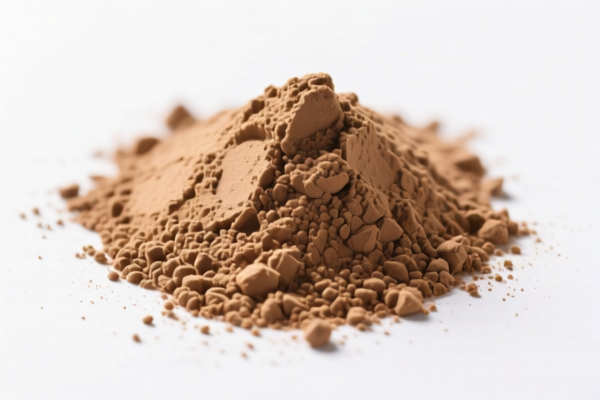
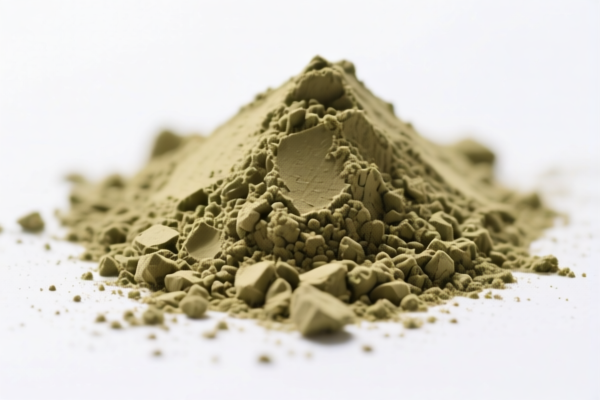
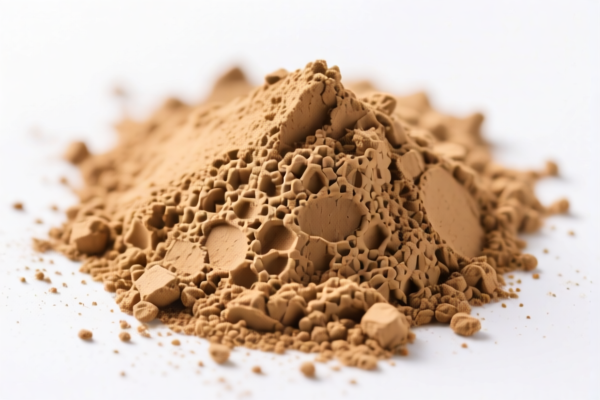
AI Analysis
Here is the professional, Wiki-style guide for Wettable Powder Plant Growth Regulator (Modified Aromatic Components), based strictly on your provided data.
🌱 Wettable Powder Plant Growth Regulator (Modified Aromatic Components)
🌐 HS Code Reference & Clearance Guide | 2026 Tariff Breakdown | Strategic Customs Strategy
📌 I. Product Definition & Classification: Decoding the "Wettable Powder" Challenge
Wettable Powder (WP) Plant Growth Regulators are concentrated agricultural formulations designed to be mixed with water before application. They control plant growth, development, and maturation. The key to classification lies in the chemical composition:
- Chemical Nature: These are Modified Aromatic Components. In chemical taxonomy, this often refers to Organic Nitrogen Heterocyclic Compounds (complex rings containing nitrogen and carbon) or general Aromatic Compounds acting as bioregulators.
- Physical Form: Dry powder (Wettable Powder) requiring dissolution.
- Dual Classification Paths:
- Chemical Specific: If the active ingredient is a specific nitrogen-containing heterocycle, it falls under Chapter 29 (Organic Chemicals).
- Formulation Specific: If the product is treated primarily as a preparation or pesticide formulation regardless of the specific chemical structure, it falls under Chapter 38 (Miscellaneous Chemical Products).
⚠️ Critical Distinction: - Chapter 29 (HS 2933.xx): Applied if the product is defined by its specific chemical structure (e.g., specific heterocyclic compounds). - Chapter 38 (HS 3808.93): Applied if the product is defined by its agricultural application as a "Plant Growth Regulator" preparation or pesticide mixture.
📦 II. HS Code Classification Matrix (Based on Provided Data)
Based on the provided dataset, here are the four potential classifications and their rationale:
| HS Code | Category Logic | Taxonomy Description | Tax Rate |
|---|---|---|---|
| 3808.93.50.40 | Formulation Focus | Classified as "Plant Growth Regulator (WP)", generic powder form, no material conflict with general pesticide preparations. | 40.0% |
| 2933.99.22.00 | Chemical Focus | Classified as "Plant Growth Regulator", Pesticide Application, powder form, fits Organic Nitrogen Heterocyclic Compound category. | 16.5% |
| 3808.93.15.00 | Formulation Focus | Classified as "Plant Growth Regulator (WP)", Pesticide Use, powder form, no material conflict. | 41.5% |
| 2933.39.27.00 | Chemical Focus | Classified as "Plant Growth Regulator", Pesticide Category, powder form, inferred as Organic Nitrogen Heterocyclic Compound. | 16.5% |
🔍 Key Observation: - Low Tax Path: HS 2933.xx codes (16.5%) apply if you can prove the product is a pure chemical compound (specifically nitrogen heterocycles). - High Tax Path: HS 3808.xx codes (40.0% - 41.5%) apply if the product is declared as a formulated preparation or generic pesticide mix.
💰 III. 2026 Tariff Rate Breakdown (Detailed Policy Analysis)
✅ Target Market: United States (US)
✅ Origin: China (CN)
✅ Context: Includes Base Tariff + Additional Tariffs (Section 301 / "122 Clause")
🎯 A. The "Chemical" Path (HS 2933.xx) — Lowest Cost Strategy
Applies to Codes: 2933.99.22.00 and 2933.39.27.00
| Tax Component | Rate | Description & Legal Basis |
|---|---|---|
| Base Tariff | 6.5% | Standard Most-Favored-Nation (MFN) rate for organic heterocyclic compounds. |
| Section 301 Tariff | 0.0% | Crucial Advantage: These specific chemical subheadings are currently exempt from the standard 25% Section 301 punitive tariff. |
| "122 Clause" Tariff | 10.0% | Additional punitive tax applicable to specific chemical imports (often linked to IEEPA or specific trade enforcement measures). |
| Total Effective Rate | 16.5% | 6.5% + 0% + 10% |
📌 Why this matters: If your product can be scientifically proven to be a pure organic nitrogen heterocyclic compound rather than a "mixture," you save 25% tariff compared to Chapter 38. This is a Massive Cost Saving!
🎯 B. The "Formulation" Path (HS 3808.xx) — Higher Cost Reality
Applies to Codes: 3808.93.50.40 and 3808.93.15.00
| Tax Component | Rate | Description & Legal Basis |
|---|---|---|
| Base Tariff | 5.0% - 6.5% | Standard rate for miscellaneous chemical preparations or pesticides. |
| Section 301 Tariff | 25.0% | The "Punitive" Tax: Generic pesticides and agricultural preparations are heavily targeted by Section 301. |
| "122 Clause" Tariff | 10.0% | Additional tax layer applied to these specific formulations. |
| Total Effective Rate | 40.0% - 41.5% | 5/6.5 + 25 + 10 |
📌 Why this matters: If Customs determines the product is a "preparation" (mixture of active ingredient + carriers/fillers) rather than a pure chemical, the 25% surcharge kicks in immediately. The difference between 16.5% and 41.5% is significant for profit margins.
🛠️ IV. Clearance & Operational Strategy (How to Save Money)
✅ 1. The "Pure Chemical" Argument (Critical)
To qualify for the 16.5% rate (HS 2933), you must argue that the product is a specific chemical compound, not a "mixture." * Action: Provide a Certificate of Analysis (COA) showing the purity of the active aromatic/heterocyclic component. * Action: Explicitly state in the description: "Pure Organic Nitrogen Heterocyclic Compound (Plant Growth Regulator)" rather than just "Pesticide Formulation."
✅ 2. Documentation Checklist
| Document | Requirement | Purpose |
|---|---|---|
| MSDS / SDS | Must highlight Chemical Structure | Prove it is a "Compound" (Ch 29) vs "Preparation" (Ch 38). |
| Chemical Synthesis Report | Detailed molecular formula | To justify HS 2933 classification (Nitrogen Heterocycle). |
| Product Label | Must show "Wettable Powder" but emphasize Chemical Identity. | Prevents misclassification as generic "Pesticide Mixture". |
| Technical Data Sheet | List of inert carriers vs. active ingredient | If inert content > 50%, risk of HS 3808 increases. |
✅ 3. Risk Mitigation: The "122 Clause" Warning
Regardless of the HS Code (2933 or 3808), the 10% "122 Clause" tariff is mandatory for this product category. * Strategy: You cannot avoid this 10%. It must be factored into your landed cost calculations immediately. * Note: The 25% Section 301 tariff is the variable you can potentially eliminate by choosing the correct HS Code (2933).
🚀 V. Final Recommendation & Action Plan
🎯 Target HS Code: 2933.99.22.00 or 2933.39.27.00 📉 Goal: Reduce Total Tariff from 41.5% to 16.5%.
🔥 The Golden Rule: "Do not sell it as a 'Pesticide Mixture' (3808). Sell it as a 'Specific Chemical Compound' (2933)."
Immediate Steps for Customs Broker:
1. Verify Purity: Confirm if the "Modified Aromatic Component" meets the definition of a pure nitrogen heterocyclic compound.
2. Update Description: Change申报 (Declaration) text from "Plant Growth Regulator Mixture" to "Organic Nitrogen Heterocyclic Compound, Wettable Powder Form".
3. Prepare for 10% Tax: Set aside funds for the mandatory "122 Clause" 10% tax immediately.
4. Avoid 3808.93: Only use 3808.93.15.00 or 3808.93.50.40 if the product is a complex mixture that cannot be chemically isolated.
📌 Summary Table: The Cost of Misclassification
| Scenario | HS Code | Base | Sec 301 | Clause 122 | Total Tax | Cost Impact |
|---|---|---|---|---|---|---|
| Optimal (Chemical) | 2933.99.22.00 |
6.5% | 0% | 10% | 16.5% | ✅ Savings: 25% of CIF |
| Risk (Formulation) | 3808.93.15.00 |
6.5% | 25% | 10% | 41.5% | ❌ Heavy Cost Penalty |
| Risk (Formulation B) | 3808.93.50.40 |
5.0% | 25% | 10% | 40.0% | ❌ Heavy Cost Penalty |
🌟 Expert Tip: If your supplier cannot prove the chemical structure is pure, you must prepare for the 40%+ tax rate under Chapter 38. Do not guess! Verify with a chemist.
✨ Professional Customs Clearance Starts with Precision! 💡 Remember: A 0.02 difference in chemical purity can save you 25% in taxes. Don't leave it to chance.
Customer Reviews
About HS Code Classification
The Harmonized System (HS) is an internationally standardized nomenclature developed by the World Customs Organization (WCO) to classify traded products. Over 200 countries use the HS system as the basis for customs tariffs, trade statistics, and import/export regulations.
Each HS code follows a hierarchical structure:
- Chapter (2 digits) — Broad category of goods (e.g., Chapter 84: Machinery and Mechanical Appliances)
- Heading (4 digits) — More specific grouping within the chapter
- Subheading (6 digits) — Internationally standardized breakdown, used by all WCO member countries
- National subdivisions (8-10 digits) — Country-specific extensions for further classification, such as US HTSUS 10-digit codes
Correct HS code classification is essential for smooth customs clearance, accurate duty payment, and compliance with trade regulations. Misclassification can lead to customs delays, overpayment of duties, or penalties.
When importing from CN to US, the applicable tariff rates may include:
- Most-Favored-Nation (MFN) rate — The standard duty rate applied to WTO members
- General rate — Applied to countries without trade agreements
- Trade remedy duties — Additional tariffs such as Section 301 (anti-dumping), Section 232 (national security), or countervailing duties
The information provided on this page is for reference purposes only. For official classification, please consult with your local customs authority or a licensed customs broker.