Wettable Powder Thioether Fungicide
CN → US| HS Code | Tariff Rate | Origin | Destination | Doc |
|---|---|---|---|---|
| 2930901000 | 41.5% | CN | US | Official Doc |
| 2930902900 | 41.5% | CN | US | Official Doc |
| 3808922400 | 35.0% | CN | US | Official Doc |
| 3808922800 | 38.7% | CN | US | Official Doc |
| 3802905000 | 39.8% | CN | US | Official Doc |
Product Images
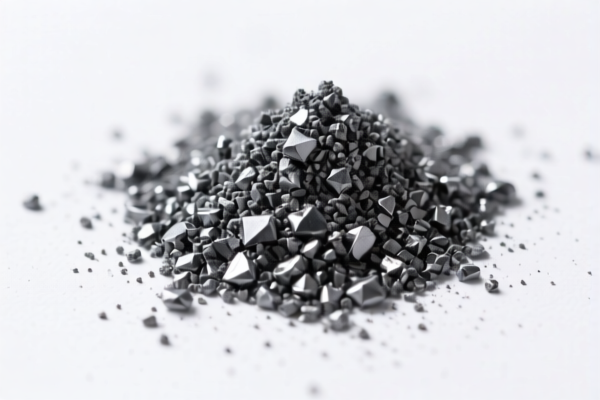
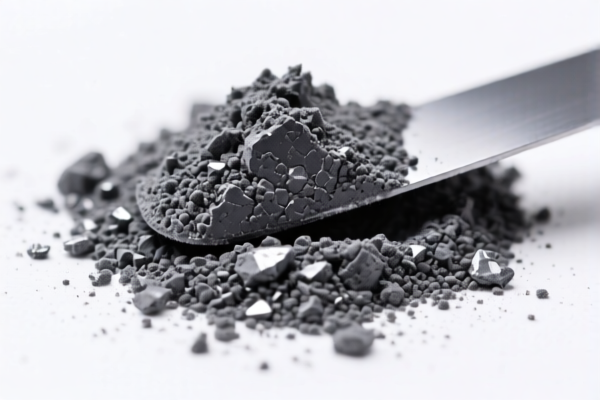
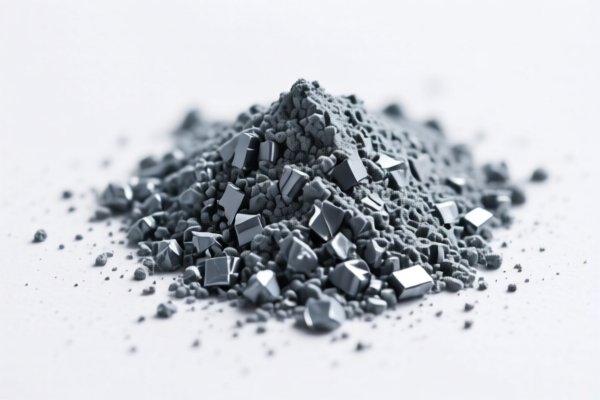
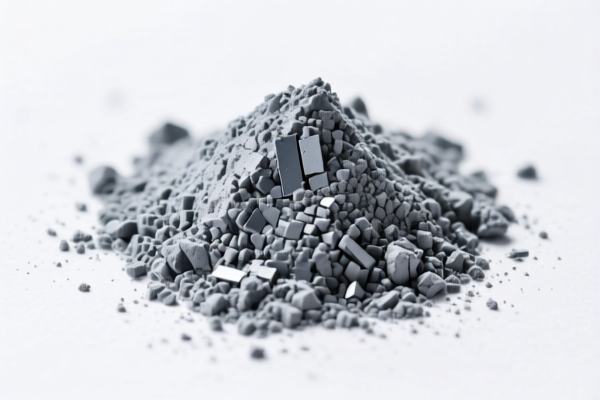
AI Analysis
🧪 Wettable Powder Thioether Fungicide
🌐 HS Code Reference & Customs Clearance Guide | 2026 Latest Tariff Analysis | Professional Import Strategy
📌 I. Product Definition & Classification: Do You Really Understand "Thioether Fungicide"?
Wettable powder thioether fungicides are high-efficiency sulfur-based agrochemicals used primarily in agricultural pest control. In international trade, the classification of these products depends heavily on their chemical structure (organic sulfur compounds vs. prepared pesticides) and formulation state (wettable powder).
Key Distinction:
- Organic Sulfur Compounds (Chapter 29): If the product is considered a pure chemical substance or a specific isomer/derivative, it may fall under Chapter 29.
- Prepared Pesticides (Chapter 38): If it is a formulated product (like a wettable powder mixed with carriers/adjuvants) intended for direct use as a pesticide, it typically falls under 3808.
⚠️ Critical Decision Point:
- Thioethers (sulfides) are often classified as aromatic organic sulfur compounds if they meet specific chemical purity/structure criteria (HS 2930).
- Thiourea/Sulfonamide derivatives or general sulfur-containing pesticide preparations often fall under 3808 (Pesticides, insecticides, fungicides).
- Activated Carbon/Derivatives: If the fungicide is carbon-based or uses specific mineral derivatives in a complex manner, it might erroneously or specifically be grouped under 3802.
📦 II. HS Code Classification Details (2026 Latest Tariff Matrix)
| HS Code | Product Description | Applicability | Key Chemical Feature |
|---|---|---|---|
2930.90.10.00 |
Thioether fungicide classified as aromatic organic sulfur compounds among organic sulfur compounds | Specific thioether isomers/aromatic structures | Aromatic thioether structure |
2930.90.29.00 |
Thioether fungicide classified as other aromatic or residual categories among organic sulfur compounds | Non-specific aromatic or "other" organic sulfur chemicals | General organic sulfur category |
3808.92.24.00 |
Thioether fungicide classified as fungicides containing sulfonamide/thio-like chemical components | Prepared pesticide formulation | Sulfonamide/thio-based active ingredient |
3808.92.28.00 |
Thioether fungicide classified as fungicides containing sulfonamide, thiourea, etc., sulfur-based chemicals | Broad range of sulfur-containing pesticide preparations | Sulfonamide, thiourea, or similar |
3802.90.50.00 |
Wettable Powder Thioether Fungicide classified as derivatives of activated carbon and related natural mineral products | Specific/Niche classification for certain carbon-derived or mineral-associated formulations | Carbon/mineral derivative basis |
🔍 Important Note:
- The classification into Chapter 29 implies a focus on the chemical identity (the thioether molecule itself).
- The classification into Chapter 38 implies a focus on the functional use (it is a prepared pesticide formulation).
- Chapter 3802 is unusual for typical thioethers but may apply if the product involves specific carbonized or mineral-derived carriers that define its customs identity under local interpretations.
💰 III. 2026 Latest Tariff Rate Breakdown (Including Surcharges & Policy Add-ons)
✅ Applicable Country: United States (US)
✅ Origin: China (CN)
✅ Effective Date: From November 10, 2025 (and subsequent imports)
🎯 1. 2930.90.10.00 & 2930.90.29.00 — Organic Sulfur Compounds (Thioethers)
| Item | Content |
|---|---|
| Base Tariff | 6.5% (Ad Valorem) |
| Section 301 Surcharge | +25.0% |
| Section 122 Tariff | +10.0% |
| Total Tax Rate | 41.5% |
| Tax Calculation | CIF Value × 41.5% |
| De Minimis Eligibility | ❌ No (High value, commercial shipment) |
| Legal Basis Path | USITC:2930.90.10.00 → Section 301 → Section 122 |
📌 Explanation:
- Base 6.5%: Standard Most Favored Nation (MFN) rate for organic sulfur chemicals.
- Section 301 (+25%): Tariffs on Chinese goods under Trade Act of 1974, Section 301.
- Section 122 (+10%): Additional surcharge applied to certain Chinese imports for trade balance reasons.
- Total 41.5%: This is a very high tariff. Proper chemical classification is critical here to ensure accuracy.
🎯 2. 3808.92.24.00 — Fungicides with Sulfonamide/Thio Components
| Item | Content |
|---|---|
| Base Tariff | 0.0% |
| Section 301 Surcharge | +25.0% |
| Section 122 Tariff | +10.0% |
| Total Tax Rate | 35.0% |
| Tax Calculation | CIF Value × 35.0% |
| De Minimis Eligibility | ❌ No |
| Legal Basis Path | USITC:3808.92.24.00 → Section 301 → Section 122 |
📌 Explanation:
- Base 0%: Pesticides often have zero base duty under USHTS.
- Total 35.0%: Despite 0% base, the surcharges make it expensive.
- Savings: Compared to Chapter 29 (41.5%), this saves 6.5% on the CIF value.
🎯 3. 3808.92.28.00 — Fungicides with Sulfonamide/Thiourea Components
| Item | Content |
|---|---|
| Base Tariff | 3.7% |
| Section 301 Surcharge | +25.0% |
| Section 122 Tariff | +10.0% |
| Total Tax Rate | 38.7% |
| Tax Calculation | CIF Value × 38.7% |
| De Minimis Eligibility | ❌ No |
| Legal Basis Path | USITC:3808.92.28.00 → Section 301 → Section 122 |
📌 Explanation:
- Base 3.7%: Slightly higher base than 3808.92.24.00.
- Total 38.7%: Intermediate cost.
🎯 4. 3802.90.50.00 — Wettable Powder Fungicide (Carbon/Mineral Derivative)
| Item | Content |
|---|---|
| Base Tariff | 4.8% |
| Section 301 Surcharge | +25.0% |
| Section 122 Tariff | +10.0% |
| Total Tax Rate | 39.8% |
| Tax Calculation | CIF Value × 39.8% |
| De Minimis Eligibility | ❌ No |
| Legal Basis Path | USITC:3802.90.50.00 → Section 301 → Section 122 |
📌 Explanation:
- Base 4.8%: Higher base due to classification under "Activated Carbon/Minerals".
- Total 39.8%: Nearly identical to Chapter 29 rates.
🛠️ IV. Customs Clearance Operational Advice (Practical Pitfall Avoidance)
✅ 1. Required Documentation Checklist (Non-negotiable)
| Document | Required | Description |
|---|---|---|
| ✅ Certificate of Analysis (COA) | ✔️ | Must specify chemical structure (e.g., "Thioether," "Sulfonamide") and purity. |
| ✅ Physical/Chemical Property Report | ✔️ | Includes MFDS (Material Safety Data Sheet), pH, solubility. |
| ✅ Product Photos (Label & Packaging) | ✔️ | Must clearly show "Wettable Powder," active ingredient name, and CAS number. |
| ✅ Formulation Details | ✔️ | List all inert ingredients (carriers, dispersants) to rule out "pesticide" misclassification. |
| ✅ Commercial Invoice | ✔️ | Must state HS Code and describe product accurately (e.g., "Thioether-based Fungicide, WP"). |
| ✅ Country of Origin Certificate | ✔️ | To confirm China origin for surcharge calculation. |
✅ 2. Declaration Strategy (Key Mantra)
🔥 “Identify the Core: Is it a Chemical (Ch29) or a Pesticide (Ch38)? Accuracy Saves Money!”
| Scenario | Correct Declaration | Wrong Practice |
|---|---|---|
| Pure Thioether Chemical | 2930.90.10.00 / 2930.90.29.00 |
Misdeclare as 3808 → Risk of penalty for misclassification. |
| Formulated Fungicide (WP) | 3808.92.24.00 / 3808.92.28.00 |
Misdeclare as 2930 → Higher base tax (6.5% vs 0-3.7%) + scrutiny. |
| Carbon/Mineral-based Formulation | 3802.90.50.00 |
Misdeclare as 3808 → Incorrect chemical basis, potential audit. |
📌 Critical Advice:
- If your product is a Wettable Powder, it is by definition a formulation. Therefore, Chapter 38 is generally more appropriate unless you are importing the active ingredient powder for further processing.
- If importing the Active Pharmaceutical/Agrochemical Ingredient (AI), use Chapter 29.
- If importing the Ready-to-Use Product, use Chapter 38.
✅ 3. Special Circumstances Handling
| Situation | Handling Advice |
|---|---|
| CAS Number Mismatch | Provide full CAS number and IUPAC name. Customs may reject vague terms like "Thioether." |
| Mixed Chemicals | If the product contains multiple sulfur compounds, the principal character determines the HS code. |
| EPA Registration | Ensure the product is EPA-registered in the US. Import of unregistered pesticides is prohibited. |
| Sample Shipment | Even samples are subject to tariffs and documentation. Do not declare as "Gift" or "No Value." |
🌍 V. Global Market Comparison (2026 Latest)
| Country/Region | Recommended HS Code | Tariff (China Origin) | Certification Requirement | Notes |
|---|---|---|---|---|
| 🇺🇸 USA | 3808.92.24.00 (if formulated) |
35.0% (Total) | EPA Registration + Label Compliance | High scrutiny on chemical identity. |
| 🇨🇳 China | 2930 or 3808 |
5-10% | CAIQ Registration | No Section 301/122 surcharges. |
| 🇪🇺 EU | 3808.94 |
6.5% (standard) | EU Biocidal Products Regulation (BPR) | Strict environmental compliance. |
| 🇯🇵 Japan | 3808.99 |
0-6% | JECFA/MAFF Approval | Low base tax, high regulatory barrier. |
📌 Conclusion:
- The US market is the most expensive due to the 35%-41.5% total tariff load.
- EU and Japan offer better tariff structures but have stricter regulatory hurdles (BPR, MAFF).
- China has the lowest tariff but requires strict domestic registration.
📌 VI. Common Mistakes & Pitfall Guide (Lessons Learned)
❌ Mistake 1: Declaring a Wettable Powder (Formulation) as a Pure Chemical (Ch29)
👉 Consequence: Customs may assess base tax 6.5% + surcharges, but also question the lack of formulation details. If deemed misclassification, penalties apply.
❌ Mistake 2: Using Generic Terms like "Fungicide Powder" without CAS Number
👉 Consequence: Customs cannot determine the correct subheading (e.g., 3808.92.24 vs 3808.92.28), leading to hold or higher duty assessment.
❌ Mistake 3: Ignoring Section 122 (10%) in cost calculation
👉 Consequence: Underestimating landed cost by 10%, leading to budget overruns and cash flow issues.
❌ Mistake 4: Assuming De Minimis Exemption applies
👉 Consequence: Agricultural chemicals are excluded from de minimis. All shipments are taxable.
✅ Best Practice:
“Thioether-based Fungicide, Wettable Powder, Active Ingredient: [Chemical Name] (CAS: XXXX-XX-X), EPA Reg. No.: XXXX-XXX”
🎯 VII. Conclusion: Professional Classification, Cost Optimization, Risk Mitigation
🎯 Remember the Mantra:
🔹 “Formulation is King (Ch38), Chemical is Queen (Ch29).”
🔹 “Surcharges Stack Fast (301+122), Total Tax is High (35-41%).”
🔹 “Specify CAS, Avoid Delays, Save Dollars.”
📌 Pro Tip:
- If your thioether fungicide has alternative chemical structures that fall under a lower base tariff in Chapter 38 (e.g., 0% base), ensure your formulation supports this classification.
- Consider Advance Rulings from US CBP if the chemical structure is ambiguous between
2930and3808.
📣 Immediate Action:
📞 Engage a licensed customs broker + Provide CAS Number & EPA Reg. # + Submit Advance Ruling Request
🚀 Ensure compliance, minimize duty, and accelerate clearance for your Thioether Fungicide!
✨ Professional Customs Clearance Starts with Precise Classification!
💼 Every Percent of Tax Saved is Pure Profit!
Customer Reviews
About HS Code Classification
The Harmonized System (HS) is an internationally standardized nomenclature developed by the World Customs Organization (WCO) to classify traded products. Over 200 countries use the HS system as the basis for customs tariffs, trade statistics, and import/export regulations.
Each HS code follows a hierarchical structure:
- Chapter (2 digits) — Broad category of goods (e.g., Chapter 84: Machinery and Mechanical Appliances)
- Heading (4 digits) — More specific grouping within the chapter
- Subheading (6 digits) — Internationally standardized breakdown, used by all WCO member countries
- National subdivisions (8-10 digits) — Country-specific extensions for further classification, such as US HTSUS 10-digit codes
Correct HS code classification is essential for smooth customs clearance, accurate duty payment, and compliance with trade regulations. Misclassification can lead to customs delays, overpayment of duties, or penalties.
When importing from CN to US, the applicable tariff rates may include:
- Most-Favored-Nation (MFN) rate — The standard duty rate applied to WTO members
- General rate — Applied to countries without trade agreements
- Trade remedy duties — Additional tariffs such as Section 301 (anti-dumping), Section 232 (national security), or countervailing duties
The information provided on this page is for reference purposes only. For official classification, please consult with your local customs authority or a licensed customs broker.