Wheel Cover
CN → US| HS Code | Tariff Rate | Origin | Destination | Doc |
|---|---|---|---|---|
| 8708706045 | 37.5% | CN | US | Official Doc |
| 7326908688 | 87.9% | CN | US | Official Doc |
| 8708995800 | 37.5% | CN | US | Official Doc |
| 7326190080 | 87.9% | CN | US | Official Doc |
| 7616995170 | 37.5% | CN | US | Official Doc |
Product Images
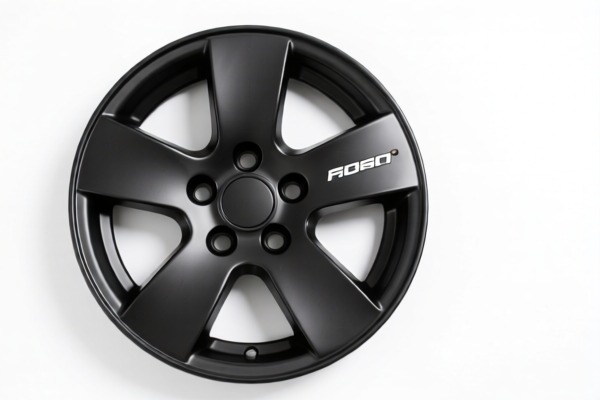
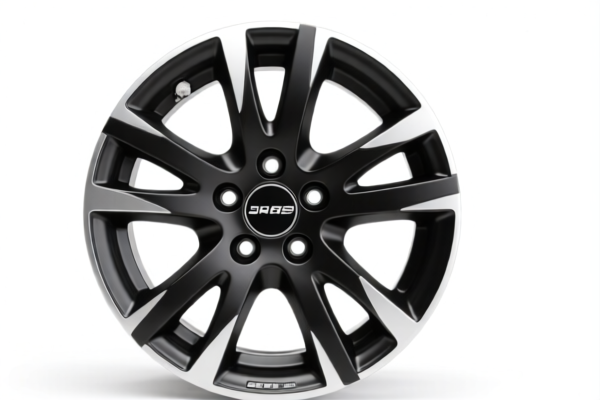
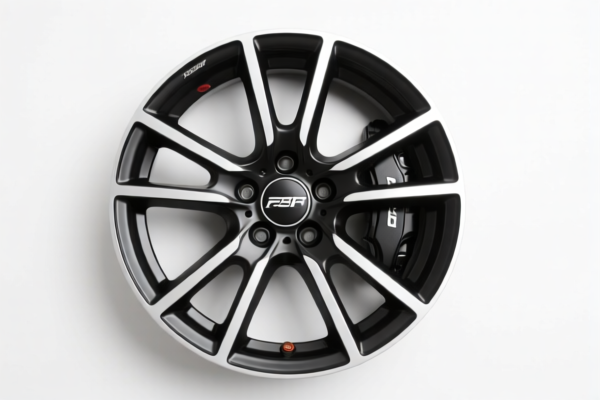
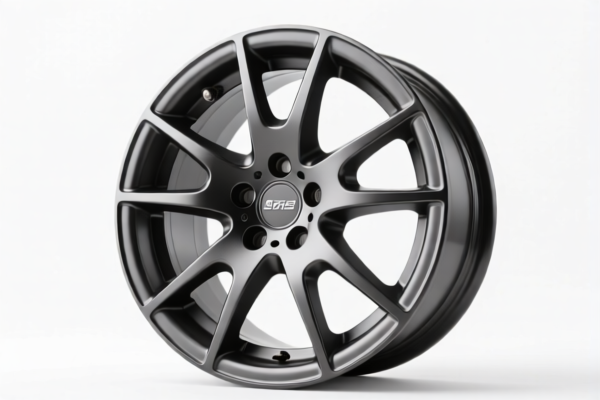
AI Analysis
🚗 Wheel Cover (Hub Cap & Ornamental Trim)
🌐 HS Code Reference & Customs Clearance Guide | 2026 Latest Tariff Analysis | Professional-Level Strategy for Import into the US
📌 I. Product Definition & Classification: Do You Really Understand "Wheel Covers"?
A Wheel Cover (often referred to as a Hub Cap, Hub Trim, or Ornamental Ring) is an exterior automotive part used to cover the wheel hub and lugs for aesthetic enhancement and protection against dust/rust. In international trade, the classification is highly sensitive to material composition and functional intent.
There are two primary classification paths depending on whether the item is viewed as an automotive accessory (Plastic/Composite) or a metal product (Steel/Aluminum):
⚠️ Key Distinction Point:
- If the item is primarily a decorative plastic cap or fits the general "auto parts" category without specific material designation → Chapter 87 (Vehicles).
- If the item is explicitly metal (Steel/Aluminum) and manufactured as a generic industrial product or specific metal fitting → Chapter 73 (Iron/Steel) or Chapter 76 (Aluminum).
📦 II. HS Code Classification Details (2026 Latest Tariff Authority Cross-Reference)
| HS Code | Product Description | Applicability | Material/Nature |
|---|---|---|---|
8708.70.60.45 |
Wheel Covers & Ornamental Rings; classified as hub caps, matching parts morphology, no material conflict | Aesthetic accessories, plastic/composite caps, standard hub covers | ✅ Plastic / General "Parts" |
7326.90.86.88 |
Automotive Wheels (Hub Assemblies); classified as metal products, based on Iron/Steel material | Steel wheel hubs, metal rims, forged steel components | ✅ Steel / Iron |
8708.99.58.00 |
Automotive Wheel Hubs; classified as vehicle parts, fitting the "other parts" catch-all logic | General steel/aluminum wheel hubs not specifically listed elsewhere | ✅ Mixed / Auto Parts |
7326.19.00.80 |
Other Articles of Iron/Steel; shape is stamped or forged component | Stamped steel wheel trims, heavy-duty metal wheel covers | ✅ Steel / Generic Metal |
7616.99.51.70 |
Automotive Wheel Hubs; classified as parts of aluminum or other metal articles, fitting default matching principles for parts | Aluminum wheel hubs, lightweight metal decorative covers | ✅ Aluminum / Metal |
🔍 Critical Reminder:
- Plastic/Composite Wheel Covers: Must be classified under Chapter 87 (Auto Parts). Misclassifying these as "Metal Goods" (Ch 73/76) due to incorrect description can lead to massive duty discrepancies.
- Metal Wheel Hubs/Caps: If the item is a structural metal part (Steel/Aluminum), it may fall under Ch 73 or Ch 76. However, if it is primarily an automotive component, Ch 87 is often preferred unless specific metal regulations override.
- Note on "Wheel" vs "Cover":7326and7616entries in the data refer to "Wheels" (Hubs) which may include structural metal covers. Pure decorative plastic "Hub Caps" strongly favor8708.70.60.45.
💰 III. 2026 Latest Tariff Rate Breakdown (Including Surcharges & Policy Add-ons)
✅ Applicable Country: United States (US)
✅ Country of Origin: China (CN)
✅ Effective Time: Ongoing (Section 301 & IEEPA measures active)
🎯 1. 8708.70.60.45 —— Wheel Covers (Hub Caps/Trim)
| Item | Content |
|---|---|
| Base Tariff Rate | 2.5% (ad valorem) |
| Section 301 Surcharge | +25.0% (USITC Footnote 9903.88.01 equivalent for auto parts) |
| Section 122 Tariff | +10% (Specific import restriction/add-on) |
| Total Tariff Rate | 37.5% |
| Tax Calculation | CIF Value × 37.5% |
| De Minimis Eligibility | ❌ Not Eligible (deny_de_minimis) |
| Legal Basis Path | Section 301: 9903.88.01 → Section 122: Auto Parts → HS: 8708.70.60.45 |
📌 Explanation:
- This is the optimal classification for plastic/composite hub caps.
- The 37.5% rate is significantly lower than the metal product rates below.
- Strategy: Ensure the product description emphasizes "Wheel Cover" or "Hub Cap" and material (e.g., "Plastic Wheel Cover") to justify Ch 87.
🎯 2. 7326.90.86.88 —— Automotive Wheel Hubs (Steel)
| Item | Content |
|---|---|
| Base Tariff Rate | 2.9% (ad valorem) |
| Section 301 Surcharge | +25.0% |
| Section 122 Tariff | +10% |
| Steel/Aluminum/Copper Add-on | +50% (High tariff for specific steel/aluminum products) |
| Total Tariff Rate | 87.9% |
| Tax Calculation | CIF Value × 87.9% |
| De Minimis Eligibility | ❌ Not Eligible |
| Legal Basis Path | Section 301 → Section 122 → Steel/Aluminum Surcharge: 50% → HS: 7326.90.86.88 |
📌 Warning:
- This is an extremely high tariff. It applies if the item is classified as a steel product under Ch 73.
- Avoid this classification for standard wheel covers unless they are structural steel hubs.
🎯 3. 8708.99.58.00 —— Automotive Wheel Hubs (Other Parts)
| Item | Content |
|---|---|
| Base Tariff Rate | 2.5% (ad valorem) |
| Section 301 Surcharge | +25.0% |
| Section 122 Tariff | +10% |
| Total Tariff Rate | 37.5% |
| Tax Calculation | CIF Value × 37.5% |
| De Minimis Eligibility | ❌ Not Eligible |
| Legal Basis Path | Section 301 → Section 122 → HS: 8708.99.58.00 |
📌 Strategy:
- This is a fallback classification for auto parts.
- Use this if the specific8708.70code is disputed but the item is clearly an auto part.
- Same 37.5% rate as8708.70.60.45.
🎯 4. 7326.19.00.80 —— Other Iron/Steel Articles (Stamped/Forged)
| Item | Content |
|---|---|
| Base Tariff Rate | 2.9% (ad valorem) |
| Section 301 Surcharge | +25.0% |
| Section 122 Tariff | +10% |
| Steel/Aluminum/Copper Add-on | +50% |
| Total Tariff Rate | 87.9% |
| Tax Calculation | CIF Value × 87.9% |
| De Minimis Eligibility | ❌ Not Eligible |
| Legal Basis Path | Section 301 → Section 122 → Steel Add-on: 50% → HS: 7326.19.00.80 |
📌 Warning:
- High risk classification. Applies to stamped or forged steel items.
- If you import steel wheel covers, expect 87.9% unless you can prove they are "Auto Parts" (Ch 87).
🎯 5. 7616.99.51.70 —— Aluminum/Other Metal Parts
| Item | Content |
|---|---|
| Base Tariff Rate | 2.5% (ad valorem) |
| Section 301 Surcharge | +25.0% |
| Section 122 Tariff | +10% |
| Total Tariff Rate | 37.5% |
| Tax Calculation | CIF Value × 37.5% |
| De Minimis Eligibility | ❌ Not Eligible |
| Legal Basis Path | Section 301 → Section 122 → HS: 7616.99.51.70 |
📌 Strategy:
- Note: The data shows 37.5% for this code, which is significantly lower than the 87.9% for steel.
- This suggests that Aluminum parts might be treated differently than Steel in this specific dataset context, or the 50% add-on was not applied here (possibly due to specific exemption or classification nuance).
- Check carefully: If your product is Aluminum, this code offers a low-tariff alternative (37.5%) compared to Steel (87.9%).
🛠️ IV. Customs Clearance Practical Advice (Real-World Pitfall Avoidance)
✅ 1. Preparation Checklist (Non-negotiable)
| Document | Mandatory | Notes |
|---|---|---|
| ✅ Product Specification Sheet | ✔️ | Must state Material (Plastic/Steel/Aluminum), Use (Auto Part), Weight, Dimensions. |
| ✅ Product Photos | ✔️ | Clear images of the item installed on a vehicle vs. standalone. |
| ✅ Commercial Invoice | ✔️ | Description must match HS Code logic (e.g., "Plastic Wheel Cover" vs. "Steel Wheel Hub"). |
| ✅ Proof of Origin | ✔️ | Crucial for verifying Country of Origin (China triggers 301/122 tariffs). |
| ✅ Packaging List | ✔️ | Show item quantity and packaging type. |
✅ 2. Declaration Tips (Key Mantras)
🔥 “Material Matters, Chapter 87 is King!”
| Scenario | Correct Declaration | Wrong Action |
|---|---|---|
| Plastic Hub Caps | HS: 8708.70.60.45 Desc: "Plastic Wheel Cover for Auto" |
Declare as "Metal Part" → 87.9% Tax! |
| Steel Wheel Hubs | HS: 8708.99.58.00 (Preferred) Desc: "Automotive Wheel Hub" |
Declare as 7326.90.86.88 → 87.9% Tax! |
| Aluminum Wheel Covers | HS: 7616.99.51.70 (Low Tax) Desc: "Aluminum Auto Part" |
Declare as Steel → 87.9% Tax! |
| Mixed Package | Declare as "Auto Parts Lot" | Split into wrong categories → Audit Risk |
✅ 3. Special Case Handling
| Situation | Recommendation |
|---|---|
| OEM Wheel Covers | Provide OEM invoice and design files to prove "Auto Part" status. |
| Aftermarket Plastic Caps | Strongly classify under 8708.70.60.45. Avoid metal chapters. |
| Steel Trim Rings | Try to classify under 8708 (Auto Parts) to avoid the 50% Steel Add-on. |
| Aluminum Parts | Consider 7616.99.51.70 (37.5%) if it doesn't fit Ch 87 perfectly, as it’s cheaper than Steel. |
🌍 V. Global Market Comparison (2026 Latest)
| Country/Region | Recommended HS Code | Tariff (China Origin) | Key Certification | Notes |
|---|---|---|---|---|
| 🇺🇸 USA | 8708.70.60.45 (Plastic) |
37.5% | No specific auto cert needed for parts | High tariffs due to 301/122 |
| 🇺🇸 USA | 7326.90.86.88 (Steel) |
87.9% | - | Avoid if possible |
| 🇨🇳 China | 8708.70.60.45 |
5% - 10% | CCC (if applicable) | No 301 tariffs |
| 🇪🇺 EU | 8708.70.60.45 |
0% - 4% | CE/ADR | No Section 301 |
| 🇬🇧 UK | 8708.70.60.45 |
4% | UKCA | Post-Brexit tariffs |
📌 Conclusion:
- USA is the highest-cost market for wheel covers due to Section 301 (25%) and Section 122 (10%) tariffs.
- Plastic covers (Ch 87) are the safest bet at 37.5%.
- Steel covers (Ch 73) are dangerous at 87.9%.
📌 VI. Common Errors & Pitfall Guide (Blood & Tears Lessons)
❌ Error 1: Declaring Plastic Wheel Covers as "Metal Parts"
👉 Consequence: Tax jumps from 37.5% to 87.9% → Loss of Profit!
❌ Error 2: Using Generic Term "Wheel" for Hub Caps
👉 Consequence: Customs may misclassify as structural steel/aluminum → 87.9% or Audit
❌ Error 3: Ignoring Section 122 Tariff
👉 Consequence: Underpayment by 10% → Penalties + Back Taxes
❌ Error 4: Mixing Steel and Aluminum in One Declaration
👉 Consequence: Complex audit, potential rejection → Delay in Clearance
✅ Correct Approach:
“Plastic Wheel Cover, Model ABC, for Toyota Camry, Made in China”
→ HS: 8708.70.60.45 → 37.5%
🎯 VII. Conclusion: Precise Classification Saves Money!
🎯 Remember the Mantra:
🔹 “Plastic is Ch87 (37.5%), Steel is Ch73 (87.9%)!”
🔹 “Don’t call a Hub Cap a ‘Steel Product’!”
🔹 “37.5% is the target, 87.9% is the trap!”
📌 Pro Tip:
If your product is Aluminum, check if 7616.99.51.70 (37.5%) is acceptable. It offers the same rate as Ch 87 but avoids potential "Auto Part" scrutiny.
Always request an Advance Ruling from US Customs for high-value shipments to lock in the 37.5% rate.
📣 Immediate Action:
📞 Consult a Licensed Customs Broker
📄 Provide Material Specs (Plastic vs. Steel vs. Aluminum)
🚀 Secure the 37.5% Rate, Avoid the 87.9% Trap!
✨ Professional Customs Clearance Starts with Precise Classification!
💼 Every Percentage Point Saved is Pure Profit!
Customer Reviews
About HS Code Classification
The Harmonized System (HS) is an internationally standardized nomenclature developed by the World Customs Organization (WCO) to classify traded products. Over 200 countries use the HS system as the basis for customs tariffs, trade statistics, and import/export regulations.
Each HS code follows a hierarchical structure:
- Chapter (2 digits) — Broad category of goods (e.g., Chapter 84: Machinery and Mechanical Appliances)
- Heading (4 digits) — More specific grouping within the chapter
- Subheading (6 digits) — Internationally standardized breakdown, used by all WCO member countries
- National subdivisions (8-10 digits) — Country-specific extensions for further classification, such as US HTSUS 10-digit codes
Correct HS code classification is essential for smooth customs clearance, accurate duty payment, and compliance with trade regulations. Misclassification can lead to customs delays, overpayment of duties, or penalties.
When importing from CN to US, the applicable tariff rates may include:
- Most-Favored-Nation (MFN) rate — The standard duty rate applied to WTO members
- General rate — Applied to countries without trade agreements
- Trade remedy duties — Additional tariffs such as Section 301 (anti-dumping), Section 232 (national security), or countervailing duties
The information provided on this page is for reference purposes only. For official classification, please consult with your local customs authority or a licensed customs broker.