Whey Protein Powder
CN → US| HS Code | Tariff Rate | Origin | Destination | Doc |
|---|---|---|---|---|
| 2106100000 | 41.4% | CN | US | Official Doc |
| 2106900900 | 0.0% | CN | US | Official Doc |
| 3502200000 | 17.5% | CN | US | Official Doc |
| 3502900000 | 35.0% | CN | US | Official Doc |
Product Images
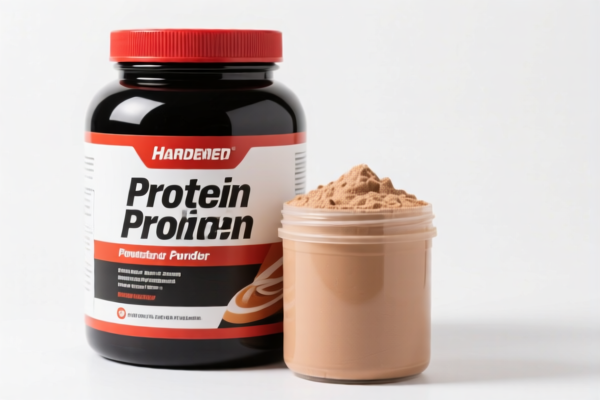
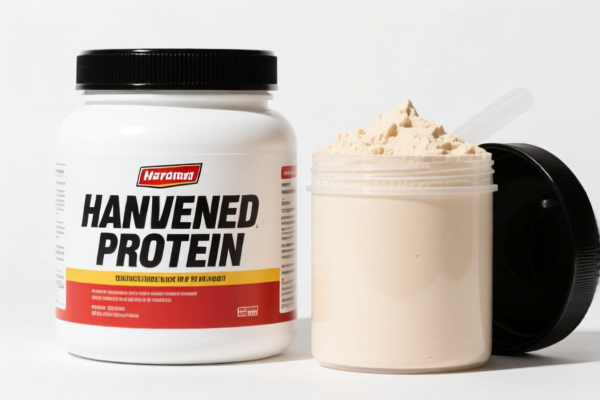
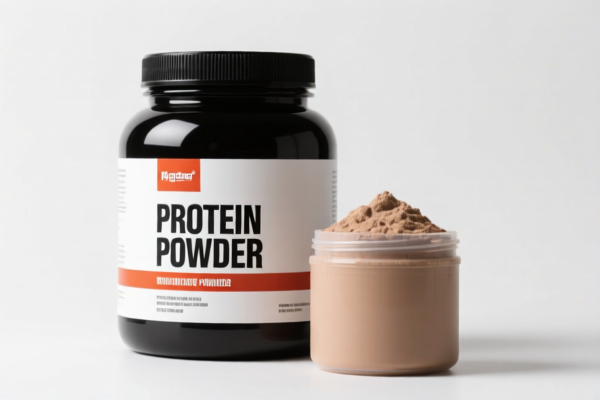
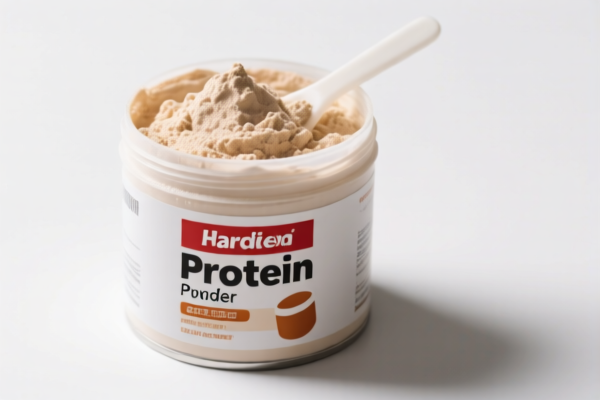
AI Analysis
🥛 Whey Protein Powder (The "Golden" Supplement)
🌐 HS Code Reference & Customs Clearance Guide | 2026 Latest Tariff Analysis | Professional Entry Strategies
📌 1. Product Definition & Classification: What Exactly is "Whey Protein Powder"?
Whey protein powder is a high-quality protein derived from milk during the cheese-making process. In international trade, its classification depends heavily on its chemical composition, processing degree, and intended use (food supplement vs. industrial chemical).
It is generally categorized into two main branches: * Chemical/Industrial Proteins (Chapter 35): Focused on the pure protein fraction (Albumin concentrates, derived products). * Food Preparations (Chapter 21): Focused on the product as a dietary supplement or food ingredient (Concentrates, dried whey derivatives).
⚠️ Key Classification Point:
- If the product is defined strictly as Albumin Concentrates or specific Protein Derivatives, it falls under Heading 3502.
- If the product is defined as a Protein Concentrate for food use or a Food Preparation, it falls under Heading 2106.
📦 2. HS Code Classification Details (2026 Latest Tariff Authority)
| HS Code | Product Description | Scenario | Tax Rate |
|---|---|---|---|
3502.20.00.00 |
Whey protein powder; material is whey protein, form is powder; fits the classification of Albumin Concentrates and Derivatives. | High-purity whey protein isolates/concentrates classified as chemical protein products. | 17.5% |
3502.90.00.00 |
Whey protein powder; material is whey protein, form is powder; belongs to Protein Derivatives, fits the "Other" category definition. | Whey protein derivatives not specifically listed as albumin concentrates. | 35.0% |
2106.10.00.00 |
Whey protein powder; whey is the protein source; powder fits the morphological characteristics of Protein Concentrates and Substances. | Food-grade whey protein concentrates used as dietary supplements. | 41.4% |
2106.90.09.00 |
Whey protein powder; material is whey derivative, form is food preparation; meets the requirements for Dried Whey Derivative Products. | Mixed whey protein preparations or dried whey-based food supplements. | 86.2¢/kg + 10.0% |
🔍 Key Reminder:
- Chapter 35 (3502) treats whey protein as a chemical/industrial material (Albumin/Protein Derivatives).
- Chapter 21 (2106) treats whey protein as a food product (Concentrates/Preparations).
- Misclassification between "Protein Derivative" (3502) and "Food Concentrate" (2106) can lead to significant tax discrepancies.
💰 3. 2026 Latest Tariff Rate Breakdown (Including Surtaxes & Policy Add-ons)
✅ Applicable Country: United States (US)
✅ Origin: China (CN)
✅ Effective Date: From November 10, 2025 (including subsequent imports)
🎯 1. 3502.20.00.00 — Whey Protein Powder (Albumin Concentrates/Derivatives)
| Item | Content |
|---|---|
| Basic Tariff | 0.0% (Ad Valorem) |
| Surtax (Section 301) | +7.5% |
| Section 122 Surtax | +10.0% |
| Total Tariff | 17.5% |
| Tax Calculation | CIF Value × 17.5% |
| De Minimis Exemption | ❌ Not Applicable |
| Legal Basis Path | Base Tariff → Surtax 7.5% → Section 122 10% |
📌 Explanation:
- This is the lowest tariff option among the four codes, provided the product is strictly classified as Albumin Concentrate/Derivative.
- Total Tax: 17.5%.
- Note: The basic tariff is 0%, but the addition of the 7.5% surtax and 10% Section 122 surtax brings it to 17.5%.
🎯 2. 3502.90.00.00 — Whey Protein Powder (Other Protein Derivatives)
| Item | Content |
|---|---|
| Basic Tariff | 0.0% |
| Surtax (Section 301) | +25.0% |
| Section 122 Surtax | +10.0% |
| Total Tariff | 35.0% |
| Tax Calculation | CIF Value × 35.0% |
| De Minimis Exemption | ❌ Not Applicable |
| Legal Basis Path | Base Tariff → Surtax 25% → Section 122 10% |
📌 Note:
- If the product does not meet the strict definition of "Albumin Concentrate" but is still a "Protein Derivative," it falls here.
- Total Tax: 35.0%, which is double the rate of3502.20.00.00.
🎯 3. 2106.10.00.00 — Whey Protein Powder (Protein Concentrates)
| Item | Content |
|---|---|
| Basic Tariff | 6.4% |
| Surtax (Section 301) | +25.0% |
| Section 122 Surtax | +10.0% |
| Total Tariff | 41.4% |
| Tax Calculation | CIF Value × 41.4% |
| De Minimis Exemption | ❌ Not Applicable |
| Legal Basis Path | Base Tariff 6.4% → Surtax 25% → Section 122 10% |
📌 Note:
- This code treats whey protein as a Food Preparation/Concentrate.
- The high basic tariff (6.4%) combined with heavy surtaxes makes this expensive.
- Total Tax: 41.4%.
🎯 4. 2106.90.09.00 — Whey Protein Powder (Other Food Preparations)
| Item | Content |
|---|---|
| Basic Tariff | 86.2 ¢/kg (Specific Duty) |
| Surtax (Section 301) | 0.0% |
| Section 122 Surtax | +10.0% (Ad Valorem) |
| Total Tariff | 86.2 ¢/kg + 10.0% |
| Tax Calculation | (Weight in kg × 86.2¢) + (CIF Value × 10%) |
| De Minimis Exemption | ❌ Not Applicable |
| Legal Basis Path | Specific Duty + Section 122 10% |
📌 Note:
- This code applies to mixed whey derivatives or dried whey products.
- The tax structure is complex: Specific Duty + Ad Valorem.
- For high-value, low-weight powders, the 10% ad valorem part might be significant. For low-value, high-weight shipments, the 86.2 ¢/kg dominates.
🛠️ 4. Customs Clearance Practical Advice (Avoid Pitfalls)
✅ 1. Document Checklist (Mandatory)
| Document | Required | Description |
|---|---|---|
| ✅ Product Specification | ✔️ | Must clearly state: Protein content %, Moisture %, Source (Whey), Form (Powder). |
| ✅ Certificate of Analysis (COA) | ✔️ | Detailed lab results proving protein content and composition. |
| ✅ Process Description | ✔️ | Explain the manufacturing process (e.g., Microfiltration, Ion Exchange) to justify classification. |
| ✅ Commercial Invoice | ✔️ | Clearly describe as "Whey Protein Powder" or "Whey Protein Concentrate/Isolate." |
| ✅ Origin Certificate | ✔️ | To prove origin for surtax calculations. |
| ✅ Packing List | ✔️ | Net/Gross weight must be accurate for specific duty calculations (if applicable). |
✅ 2. Declaration Tips (Key Strategy)
🔥 "Define the Nature, Choose the Chapter, Avoid the Penalty!"
| Scenario | Correct Declaration | Wrong Practice |
|---|---|---|
| High Purity Whey Protein | Declare as "Albumin Concentrate" under 3502.20.00.00 |
Declare as "Food Supplement" → 41.4% tax |
| Mixed Whey Derivative | Declare as "Food Preparation" under 2106.90.09.00 |
Declare as "Protein Powder" → Misclassification |
| Standard Whey Concentrate | Declare as "Protein Concentrate" under 2106.10.00.00 |
Declare as "Industrial Chemical" → Risk of audit |
✅ 3. Special Case Handling
| Case | Handling Advice |
|---|---|
| Low Protein Content (<80%) | May not qualify as "Albumin Concentrate." Likely falls under 2106.10.00.00 or 2106.90.09.00. |
| Fortified Protein Powder | If vitamins/minerals are added, it becomes a "Preparation" → 2106.90.09.00. |
| Bulk vs. Retail | Bulk shipments may face stricter scrutiny on protein content vs. declared weight. |
| Pre-Clearance | Apply for Advance Ruling if the product sits on the boundary between Chapter 35 and 21. |
🌍 5. Global Market Comparison (2026 Latest)
| Country/Region | Recommended HS Code | Tariff | Certification | Notes |
|---|---|---|---|---|
| 🇺🇸 USA | 3502.20.00.00 |
17.5% | FDA + GMP | Lowest tax if classified as Albumin. |
| 🇨🇳 China | 3502.20.00.00 |
10-15% | GB Standards | Varies by protein content. |
| 🇪🇺 EU | 3502.20.00.00 |
0% (if pure) | CE + HACCP | Zero tariff for pure proteins. |
| 🇬🇧 UK | 3502.20.00.00 |
0% | UKCA | Post-Brexit alignment with EU. |
| 🇦🇺 Australia | 3502.20.00.00 |
5% | FSANZ | Moderate tariff. |
📌 Conclusion:
- The USA imposes significant surtaxes, but3502.20.00.00remains the most cost-effective option (17.5%) if the product qualifies as an Albumin Concentrate.
- Classifying as Food (Chapter 21) leads to higher taxes (35%-41.4% + specific duties).
📌 6. Common Errors & Pitfalls (Lessons Learned)
❌ Error 1: Declaring Whey Protein as "Food Supplement" (2106.10.00.00) when it is pure protein.
👉 Result: Tax jumps from 17.5% to 41.4% → Extra Cost!
❌ Error 2: Using vague terms like "Protein Powder" without specifying "Albumin."
👉 Result: Customs may default to the higher-tax "Other Protein Derivatives" (3502.90.00.00) at 35.0%.
❌ Error 3: Ignoring the 122 Section Surcharge in calculations.
👉 Result: Underestimating total cost by 10%.
❌ Error 4: Mixing "Dried Whey" (Food) with "Whey Protein Isolate" (Chemical).
👉 Result: Mixed classification errors, potential audits.
✅ Correct Practice:
"Whey Protein Isolate, >90% Protein Content, Pure Albumin Concentrate, Powder Form, for Industrial/Supplement Use"
🎯 7. Conclusion: Precise Classification Saves Money!
🎯 Remember the Strategy:
🔹 "Albumin First, 17.5% Win; Food Prep Second, 41.4% Pain!"
🔹 "Define Protein Content, Choose Chapter 35, Avoid Chapter 21 Taxes!"
📌 Pro Tip:
If your whey protein powder is >80% protein and primarily used as a chemical/industrial protein source, push for classification under 3502.20.00.00 to benefit from the lowest surtax.
For food-grade supplements with additives, expect higher taxes under 2106.
📣 Action Required:
📞 Consult a Customs Broker to confirm if your product qualifies as Albumin Concentrate.
📄 Prepare COA (Certificate of Analysis) proving protein purity.
🚀 Clear Customs Smoothly, Maximize Margins!
✨ Professional Clearance Starts with Accurate Classification!
💼 Every Percent of Tax Matters!
Customer Reviews
About HS Code Classification
The Harmonized System (HS) is an internationally standardized nomenclature developed by the World Customs Organization (WCO) to classify traded products. Over 200 countries use the HS system as the basis for customs tariffs, trade statistics, and import/export regulations.
Each HS code follows a hierarchical structure:
- Chapter (2 digits) — Broad category of goods (e.g., Chapter 84: Machinery and Mechanical Appliances)
- Heading (4 digits) — More specific grouping within the chapter
- Subheading (6 digits) — Internationally standardized breakdown, used by all WCO member countries
- National subdivisions (8-10 digits) — Country-specific extensions for further classification, such as US HTSUS 10-digit codes
Correct HS code classification is essential for smooth customs clearance, accurate duty payment, and compliance with trade regulations. Misclassification can lead to customs delays, overpayment of duties, or penalties.
When importing from CN to US, the applicable tariff rates may include:
- Most-Favored-Nation (MFN) rate — The standard duty rate applied to WTO members
- General rate — Applied to countries without trade agreements
- Trade remedy duties — Additional tariffs such as Section 301 (anti-dumping), Section 232 (national security), or countervailing duties
The information provided on this page is for reference purposes only. For official classification, please consult with your local customs authority or a licensed customs broker.