Whiskey Glass
CN → US| HS Code | Tariff Rate | Origin | Destination | Doc |
|---|---|---|---|---|
| 6912004810 | 19.8% | CN | US | Official Doc |
| 6912004100 | 13.9% | CN | US | Official Doc |
| 6911108090 | 38.3% | CN | US | Official Doc |
| 7013221000 | 32.5% | CN | US | Official Doc |
| 7013282010 | 40.0% | CN | US | Official Doc |
Product Images
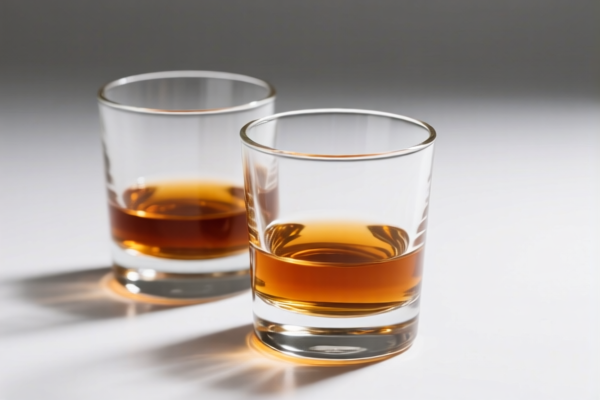
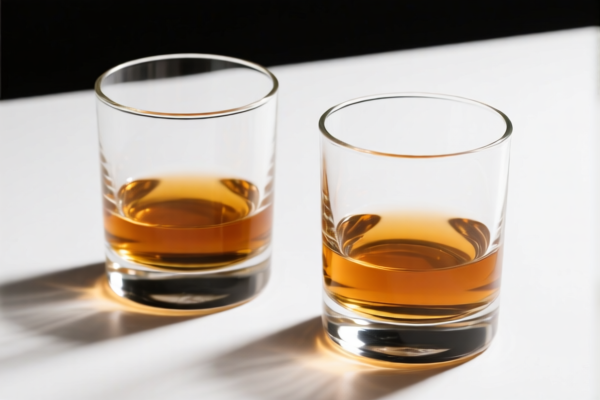


AI Analysis
🥃 Whiskey Glasses (Drinking Glassware)
🌐 HS Code Reference & Customs Clearance Guide | 2026 Latest Tariff Analysis | Professional Clearance Strategy
📌 I. Product Definition & Classification: Do You Really Know "Whiskey Glasses"?
Whiskey glasses are essential tableware for the consumption of spirits, particularly whiskey. In international trade, they are categorized based on material and function. The key distinction lies in whether the glass is made of ceramics/porcelain (less common for whiskey but possible) or glass (the standard).
⚠️ Key Distinction Points:
- Ceramic/Porcelain Whiskey Glasses: Rare, but if made of baked clay materials, they fall under Chapter 69. - Glass Whiskey Glasses: The vast majority of whiskey glasses (rocks glasses, tumblers, snifters) are made of glass or crystal. These fall under Chapter 70. - Material Conflict: The provided data suggests a lack of explicit material confirmation in the product name, leading to inference-based classification based on common sense and typical market standards.
📦 II. HS Code Classification Details (2026 Latest Tariff Authority Comparison)
| HS Code | Product Description | Applicable Scenario | Material Inference |
|---|---|---|---|
6912.00.48.10 |
Ceramic tableware, other | Unspecified material, but inferred as non-porcelain ceramic or similar heat-resistant material for food contact | 🧪 Ceramic/Clay (Non-Porcelain) |
6912.00.41.00 |
Ceramic tableware, other | Inferred as "other" ceramic material, typically for drinking vessels like wine/whiskey cups | 🧪 Ceramic/Clay ("Other") |
6911.10.80.90 |
Porcelain tableware | Based on common sense, high-end whiskey glasses might be inferred as porcelain if not clearly glass | 🧶 Porcelain/China |
7013.22.10.00 |
Glass tableware, lead crystal or other | Standard glass whiskey glasses; most common classification for typical glassware | 💎 Glass |
7013.28.20.10 |
Glass tableware, stemware | Specifically for stemmed whiskey glasses (snifters); often inferred as crystal or lead-free crystal | 💎 Crystal/Lead-Free Glass |
🔍 Critical Reminder:
- If the material is not explicitly stated in the product description, customs may infer based on common sense: Whiskey glasses are primarily glass. Therefore, HS Codes starting with 7013 are the most likely correct classifications. - Ceramic/Porcelain codes (69xx) are less likely unless the product is explicitly described as "ceramic whiskey glass" or "porcelain tumbler." - Stemmed vs. Non-Stemmed: Stemmed glasses (snifters) may fall under7013.28, while non-stemmed (rocks glasses/tumblers) fall under7013.22.
💰 III. 2026 Latest Tariff Rate Details (Including Surcharges & Policy Add-ons)
✅ Applicable Country: United States (US)
✅ Country of Origin: China (CN)
✅ Effective Date: From November 10, 2025 (including subsequent imports)
🎯 1. 6912.00.48.10 —— Ceramic Tableware, Other
| Item | Content |
|---|---|
| Base Tariff | 9.8% (ad valorem) |
| Section 301 Surcharge | 0.0% |
| Section 122 Surcharge | +10.0% |
| Total Tax Rate | 19.8% |
| Tax Calculation | CIF Value × 19.8% |
| De Minimis Eligibility | ❌ No (deny_de_minimis) |
| Legal Basis Path | USITC:6912.00.48.10 → SECTION_122:10% |
📌 Explanation:
- This classification applies to non-porcelain ceramic tableware. - The 10% Section 122 tariff is added on top of the base rate. - Total 19.8% is moderate compared to other glassware options.
🎯 2. 6912.00.41.00 —— Ceramic Tableware, Other ("Other" Category)
| Item | Content |
|---|---|
| Base Tariff | 3.9% |
| Section 301 Surcharge | 0.0% |
| Section 122 Surcharge | +10.0% |
| Total Tax Rate | 13.9% |
| Tax Calculation | CIF Value × 13.9% |
| De Minimis Eligibility | ❌ No (deny_de_minimis) |
| Legal Basis Path | USITC:6912.00.41.00 → SECTION_122:10% |
📌 Note:
- This is the lowest tariff among all listed HS codes for whiskey glasses. - Applies to ceramic tableware not specified as porcelain. - Inference Risk: If the product is actually glass, this classification is incorrect and may lead to penalties.
🎯 3. 6911.10.80.90 —— Porcelain Tableware
| Item | Content |
|---|---|
| Base Tariff | 20.8% |
| Section 301 Surcharge | 7.5% |
| Section 122 Surcharge | +10.0% |
| Total Tax Rate | 38.3% |
| Tax Calculation | CIF Value × 38.3% |
| De Minimis Eligibility | ❌ No (deny_de_minimis) |
| Legal Basis Path | USITC:6911.10.80.90 → SECTION_301:7.5% → SECTION_122:10% |
📌 Warning:
- Highest tariff among ceramic options. - Applies only if the product is explicitly porcelain. - Risk: If misclassified as porcelain when it is glass, customs may reject the declaration.
🎯 4. 7013.22.10.00 —— Glass Tableware, Non-Stemmed (Rocks/Tumblers)
| Item | Content |
|---|---|
| Base Tariff | 15.0% |
| Section 301 Surcharge | 7.5% |
| Section 122 Surcharge | +10.0% |
| Total Tax Rate | 32.5% |
| Tax Calculation | CIF Value × 32.5% |
| De Minimis Eligibility | ❌ No (deny_de_minimis) |
| Legal Basis Path | USITC:7013.22.10.00 → SECTION_301:7.5% → SECTION_122:10% |
📌 Explanation:
- Most common classification for standard whiskey rocks glasses (non-stemmed). - Glass material is inferred based on common sense. - Total 32.5% is high due to Section 301 and 122 tariffs.
🎯 5. 7013.28.20.10 —— Glass Tableware, Stemware (Snifters/Crystal)
| Item | Content |
|---|---|
| Base Tariff | 22.5% |
| Section 301 Surcharge | 7.5% |
| Section 122 Surcharge | +10.0% |
| Total Tax Rate | 40.0% |
| Tax Calculation | CIF Value × 40.0% |
| De Minimis Eligibility | ❌ No (deny_de_minimis) |
| Legal Basis Path | USITC:7013.28.20.10 → SECTION_301:7.5% → SECTION_122:10% |
📌 Note:
- Applies to stemmed whiskey glasses (snifters). - Often inferred as crystal or lead-free crystal. - Highest tariff among all listed HS codes (40.0%). - Recommendation: Avoid this classification unless the product is explicitly stemmed and crystal.
🛠️ IV. Customs Clearance Practical Advice (Battle-Proven Pitfall Guide)
✅ 1. Preparation Checklist (None of the Above Is Optional)
| Document | Required | Explanation |
|---|---|---|
| ✅ Product Specification Sheet | ✔️ | Must include: Material (Glass/Ceramic), Shape (Stemmed/Non-Stemmed), Capacity, Volume |
| ✅ Product Photos (Including Label) | ✔️ | Clear view of material, any markings (e.g., "Crystal," "Lead-Free"), and packaging |
| ✅ Commercial Invoice | ✔️ | Must explicitly state: "Glass Whiskey Glasses" or "Ceramic Whiskey Glasses" – DO NOT just say "Glasses" |
| ✅ Packing List | ✔️ | List item by item, ensuring weight/volume matches invoice |
| ✅ Origin Certificate (CO) | ✔️ | If not from China, may reduce tariffs |
| ✅ Material Test Report | ✔️ | If claiming "Crystal" or "Lead-Free," provide lab test results to justify HS Code |
✅ 2. Declaration Tips (Key Mantras)
🔥 "Material First, Shape Second, Name Specific, Tariff Smart!"
| Scenario | Correct Declaration | Incorrect Practice |
|---|---|---|
| Standard Rocks Glass (Non-Stemmed) | 7013.22.10.00 |
Misclassified as ceramic → Wrong tariff |
| Stemmed Snifter (Crystal) | 7013.28.20.10 |
Not declared as stemmed → Risk of penalty |
| Ceramic Whiskey Glass | 6912.00.48.10 or 6912.00.41.00 |
Declared as glass → Customs rejection |
| Unspecified Material | Clarify material first! | Guessing → Risk of high tariff or seizure |
✅ 3. Special Case Handling
| Scenario | Handling Advice |
|---|---|
| OEM Custom Glasses | Provide design files + material spec sheet to justify classification |
| Mixed Materials | If glass base with ceramic handle, declare based on main component (usually glass) |
| Gift Sets | If boxed with other items, declare glassware separately if possible |
| "Crystal" Labeling | If labeled "Crystal," ensure it meets lead crystal standards; otherwise, use "Glass" |
🌍 V. Global Market Customs Comparison (2026 Latest)
| Country/Region | Recommended HS Code | Tariff | Certification Requirement | Notes |
|---|---|---|---|---|
| 🇺🇸 USA | 7013.22.10.00 |
32.5% (Glass) | FDA (if for food contact) | 40% for crystal/stemmed |
| 🇨🇳 China | 7013.22.10.00 |
5% | No special certs | Low tariff, easy clearance |
| 🇪🇺 EU | 7013.22.10.00 |
0% (if CE marked) | CE + RoHS | No additional tariffs |
| 🇦🇺 Australia | 7013.22.10.00 |
5% | RCM | No surcharges |
| 🇯🇵 Japan | 7013.22.10.00 |
0% | PSE | No surcharges |
📌 Conclusion:
- USA has the highest effective tariff due to Section 301 and 122 surcharges. - China and EU have low or zero tariffs for standard glassware. - Recommendation: For US imports, minimize material ambiguity to avoid misclassification penalties.
📌 VI. Common Errors & Pitfall Guide (Lessons Learned)
❌ Error 1: Declaring "Whiskey Glasses" without specifying material
👉 Consequence: Customs may infer glass (32.5%) even if ceramic (13.9%), leading to overpayment or underpayment penalties.
❌ Error 2: Using "Glasses" as the product name
👉 Consequence: Ambiguous description → Customs delay, additional questioning, potential detention.
❌ Error 3: Claiming "Crystal" without proof
👉 Consequence: If not lead crystal, may be reclassified as standard glass → Tariff discrepancy.
❌ Error 4: Ignoring Section 122 Tariff
👉 Consequence: Underestimating total cost by 10%, affecting profit margins.
✅ Correct Practice:
"Lead-Free Glass Whiskey Rocks Glasses, 10oz, Non-Stemmed, Model ABC, FDA Compliant"
🎯 VII. Conclusion: Professional Declaration, Save Time & Money!
🎯 Remember the Mantra:
🔹 "Material is King, Shape is Queen, Name is Specific, Tariff is Precise!"
🔹 "HS Code Determines Cost, 10% Surcharge is Mandatory, Ambiguity is Penalty!"
📌 Pro Tip:
If your whiskey glasses are originating from Vietnam, Mexico, or Thailand, you may qualify for IEEPA Exemptions, reducing tariffs to 0%~5%.
Recommendation: Apply for an Advance Ruling before shipment to avoid clearance risks.
📣 Immediate Action:
📞 Contact Professional Customs Broker + Provide Product Images + Apply for HS Code Advance Ruling
🚀 Ensure Your Whiskey Glasses Clear Customs Smoothly, Maximize Profit, and Avoid Penalties!
✨ Professional Clearance Starts with Accurate Classification!
💼 Every Cent of Your Cost Deserves Precise Calculation!
Customer Reviews
About HS Code Classification
The Harmonized System (HS) is an internationally standardized nomenclature developed by the World Customs Organization (WCO) to classify traded products. Over 200 countries use the HS system as the basis for customs tariffs, trade statistics, and import/export regulations.
Each HS code follows a hierarchical structure:
- Chapter (2 digits) — Broad category of goods (e.g., Chapter 84: Machinery and Mechanical Appliances)
- Heading (4 digits) — More specific grouping within the chapter
- Subheading (6 digits) — Internationally standardized breakdown, used by all WCO member countries
- National subdivisions (8-10 digits) — Country-specific extensions for further classification, such as US HTSUS 10-digit codes
Correct HS code classification is essential for smooth customs clearance, accurate duty payment, and compliance with trade regulations. Misclassification can lead to customs delays, overpayment of duties, or penalties.
When importing from CN to US, the applicable tariff rates may include:
- Most-Favored-Nation (MFN) rate — The standard duty rate applied to WTO members
- General rate — Applied to countries without trade agreements
- Trade remedy duties — Additional tariffs such as Section 301 (anti-dumping), Section 232 (national security), or countervailing duties
The information provided on this page is for reference purposes only. For official classification, please consult with your local customs authority or a licensed customs broker.