White Bottle Brush
CN → US| HS Code | Tariff Rate | Origin | Destination | Doc |
|---|---|---|---|---|
| 9603109000 | 27.5% | CN | US | Official Doc |
| 7326908688 | 87.9% | CN | US | Official Doc |
| 3926909989 | 22.8% | CN | US | Official Doc |
| 3926909910 | 22.8% | CN | US | Official Doc |
| 9603908050 | 70.3% | CN | US | Official Doc |
Product Images
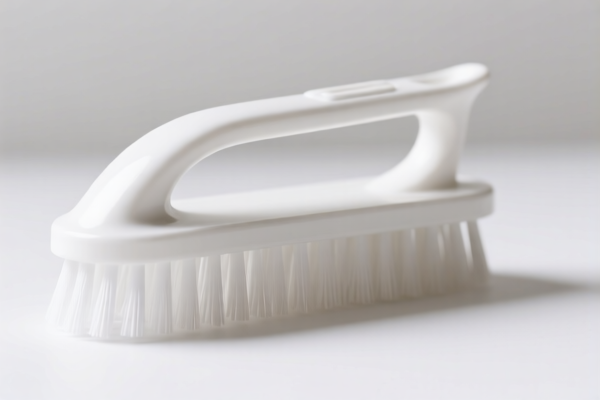
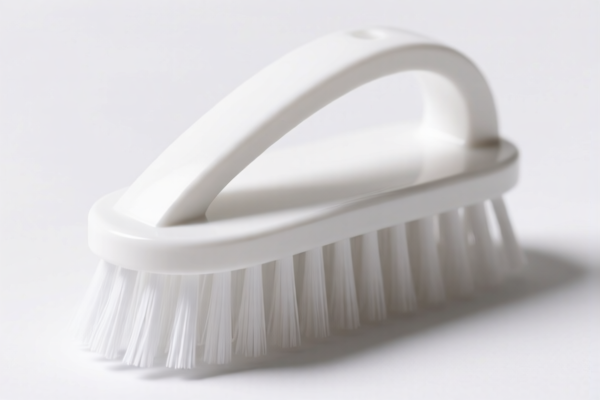
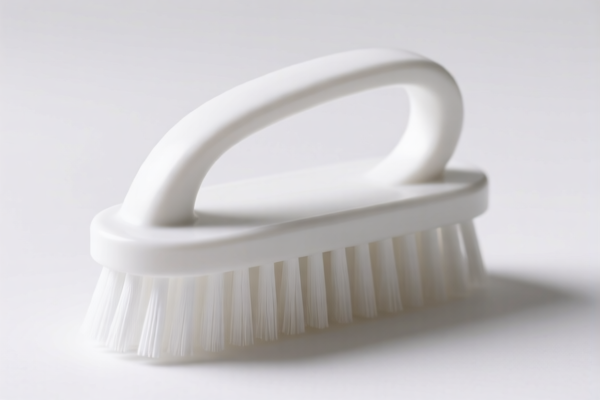
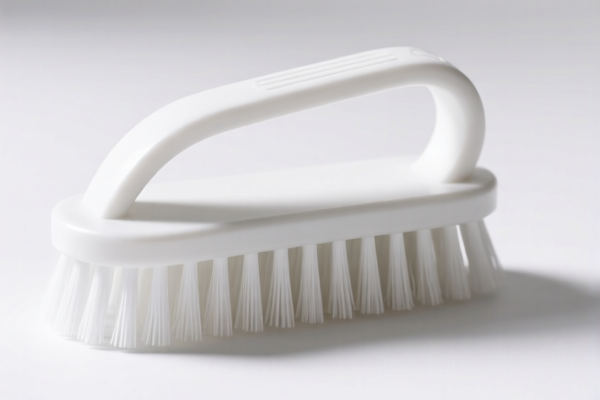
AI Analysis
🧪 White Bottle Brush (瓶刷)
🌐 HS Code Reference & Customs Clearance Guide | 2024/2025 Latest Tariff Analysis | Professional Compliance Strategy
📌 1. Product Definition & Classification: Do You Really Know the "White Bottle Brush"?
A White Bottle Brush is a cleaning tool typically consisting of a handle and bristles (often nylon or plastic) used for cleaning narrow-necked containers, laboratory glassware, or baby bottles. The term "White" usually refers to the color of the bristles or the handle material (often white plastic). In international trade, its classification depends heavily on material composition and primary use.
⚠️ Key Distinction:
- If it is a generic cleaning brush (like a kitchen or lab brush), it falls under Chapter 96.
- If it is specifically identified as a part of a machine or a specific industrial component, it might fall under Chapter 73 (if steel) or Chapter 39 (if plastic), though this is less common for standard consumer/lab brushes.
- The "white" color itself does not dictate the HS Code, but the material (plastic vs. steel/metal) does.
📦 2. HS Code Classification Details (Based on Provided Data)
Based on the provided dataset, there are 5 potential HS Codes for a "White Bottle Brush." The correct classification depends on the specific material and intended use described in your commercial invoice and product specs.
| HS Code | Product Description | Key Attributes & Logic | Total Tax Rate |
|---|---|---|---|
9603.10.90.00 |
Bottle Brushes (General) | Classified as a Brush. Fits the definition of sweeping/cleaning brushes. No material conflict if generic. | 27.5% |
7326.90.86.88 |
Articles of Iron or Steel | The brush is made of Iron or Steel (e.g., wire bristles or metal handle). Fits "Other articles of iron/steel." | 87.9% |
3926.90.99.89 |
Other Plastic Articles | The brush is primarily made of Plastic. Fits "Other articles of plastic." | 22.8% |
3926.90.99.10 |
Plastic Articles for Lab/Daily Use | Plastic brush specifically for Laboratory or daily vessel use. | 22.8% |
9603.90.80.50 |
Other Brushes | Brush made of plastic or bristles, falling under "Other brushes." Often used if 9603.10 is too specific or if material triggers steel tariffs. |
70.3% |
🔍 Critical Note:
- Plastic Brushes (3926series) generally have the lowest total tax (22.8%).
- Steel/Iron Brushes (7326) have the highest total tax (87.9%) due to heavy steel/aluminum tariffs.
- Generic Brush Classification (9603) is the middle ground (27.5% - 70.3%) but requires careful justification.
💰 3. Detailed Tariff Rate Breakdown (Including Surcharges)
✅ Applicable Market: United States (US)
✅ Origin: China (CN)
✅ Effective Time: 2025/2026 (Current Trade Environment)
🎯 1. 9603.10.90.00 —— Bottle Brushes (Generic)
| Item | Detail |
|---|---|
| Base Tariff | 10.0% |
| Section 301 Surtax | 7.5% |
| Section 122 Tariff | 10.0% |
| Total Rate | 27.5% |
| Calculation | CIF Value × 27.5% |
| De Minimis Eligibility | ❌ No (High tariff goods usually excluded or scrutinized) |
📌 Explanation:
This is the most straightforward classification for a standard bottle brush. It avoids the high steel tariffs if the brush is not predominantly metal. The 27.5% rate is moderate compared to steel articles.
🎯 2. 7326.90.86.88 —— Iron/Steel Articles
| Item | Detail |
|---|---|
| Base Tariff | 2.9% |
| Section 301 Surtax | 25.0% |
| Section 122 Tariff | 10.0% |
| Steel/Aluminum/Copper Surcharge | 50.0% |
| Total Rate | 87.9% |
| Calculation | CIF Value × 87.9% |
| De Minimis Eligibility | ❌ No |
📌 Warning:
This is the most expensive classification. If your "White Bottle Brush" has a steel wire core or steel handle, US Customs may classify it here. Avoid this if possible by proving plastic dominance.
🎯 3. 3926.90.99.89 & 3926.90.99.10 —— Plastic Articles
| Item | Detail |
|---|---|
| Base Tariff | 5.3% |
| Section 301 Surtax | 7.5% |
| Section 122 Tariff | 10.0% |
| Total Rate | 22.8% |
| Calculation | CIF Value × 22.8% |
| De Minimis Eligibility | ❌ No |
📌 Advantage:
If the brush is primarily plastic (e.g., plastic handle, plastic bristles), this is the best-case scenario with the lowest total tariff (22.8%).
-3926.90.99.10is preferred if you can specify it is for Lab/Daily Vessel use.
-3926.90.99.89is the catch-all for other plastic articles.
🎯 4. 9603.90.80.50 —— Other Brushes
| Item | Detail |
|---|---|
| Base Tariff | 2.8% |
| Section 301 Surtax | 7.5% |
| Section 122 Tariff | 10.0% |
| Steel/Aluminum/Copper Surcharge | 50.0% |
| Total Rate | 70.3% |
| Calculation | CIF Value × 70.3% |
| De Minimis Eligibility | ❌ No |
📌 Risk:
Even though it’s under "Brushes," if customs determines it contains steel components (bristles, core), the 50% steel surcharge applies, skyrocketing the tax to 70.3%.
🛠️ 4. Customs Clearance Practical Advice (Real-World Pitfall Guide)
✅ 1. Preparation Checklist (All Items Required)
| Document | Required | Notes |
|---|---|---|
| ✅ Product Specifications | ✔️ | Must specify Material Composition (e.g., "Handle: PP Plastic, Bristles: Nylon"). |
| ✅ Product Photos | ✔️ | Clear images showing the brush, especially the bristle material and handle. |
| ✅ Commercial Invoice | ✔️ | Must accurately describe the item as "Plastic Bottle Brush" or "Nylon Bristle Brush." |
| ✅ Packing List | ✔️ | Weight and dimensions for freight calculation. |
| ✅ HS Code Pre-Ruling (Optional) | ✔️ | Recommended if unsure about plastic vs. steel classification. |
✅ 2. Classification Strategy (Key Mantras)
🔥 "Material First, Plastic Wins, Steel Loses, Be Specific!"
| Scenario | Recommended HS Code | Reason |
|---|---|---|
| Plastic Handle + Nylon Bristles | 3926.90.99.10 or 3926.90.99.89 |
Plastic is the primary material. Lowest tax (22.8%). |
| Generic Bottle Brush (Mixed/Material Unknown) | 9603.10.90.00 |
Safe general category for brushes. Moderate tax (27.5%). |
| Steel Wire Bristles or Steel Core | 7326.90.86.88 |
Avoid if possible. High tax (87.9%). |
| Brush with Steel Bristles | 9603.90.80.50 |
Risky. Steel surcharge applies. High tax (70.3%). |
✅ 3. Special Considerations
| Situation | Advice |
|---|---|
| "White" Color | Do not include "White" as a primary classifier in HS Code. It is a cosmetic feature. Focus on Material. |
| Laboratory Use | If used in labs, emphasize "Laboratory Plasticware" to support 3926.90.99.10. |
| Baby Bottle Brush | If marketed for baby bottles, still classify by material. Plastic is preferred for lower tariffs. |
| Mixed Shipment | If you have plastic and steel brushes in one container, declare separately to avoid cross-contamination of tax rates. |
🌍 5. Global Market Comparison (2024/2025)
| Country/Region | Recommended HS Code | Est. Total Tariff | Key Requirements |
|---|---|---|---|
| 🇺🇸 USA | 3926.90.99.10 (Plastic) |
22.8% | IEEPA & Section 301 taxes apply. Avoid steel classifications. |
| 🇺🇸 USA | 9603.10.90.00 (Brush) |
27.5% | Acceptable if material is unclear. |
| 🇨🇳 China | 9603.10.90.00 |
~10% | Standard export tariff. |
| 🇪🇺 EU | 9603.10.00 |
0% - 4% | Generally low tariffs. No US-style Section 301 taxes. |
📌 Conclusion:
- For US Imports: Plastic classification (3926) is the most cost-effective.
- Avoid Steel: Do not declare steel bottle brushes unless necessary, as the 87.9% tax is prohibitive.
- Documentation: Clearly state "Plastic Bottle Brush, Nylon Bristles" on the invoice to support the 22.8% rate.
📌 6. Common Errors & Pitfalls (Lessons Learned)
❌ Error 1: Declaring a Plastic Brush as 9603.90.80.50 (Other Brushes)
👉 Result: If customs detects steel components, the 50% steel surcharge applies, raising tax to 70.3%.
✅ Fix: Use 3926.90.99.10 for plastic brushes.
❌ Error 2: Ignoring the "Steel" component
👉 Result: If the brush has a steel wire core, declaring it as pure plastic (3926) can lead to customs audits, penalties, and back-taxes.
✅ Fix: Be honest about materials. If it’s mixed, consult a customs broker.
❌ Error 3: Using "White Bottle Brush" as the only description
👉 Result: Customs may classify it arbitrarily or apply the highest duty rate due to ambiguity.
✅ Fix: Use "Plastic Bottle Brush with Nylon Bristles".
🎯 7. Conclusion: Smart Classification Saves Money!
🎯 Remember the Rule:
🔹 "Plastic Brush = 22.8% Tax"
🔹 "Generic Brush = 27.5% Tax"
🔹 "Steel Brush = 87.9% Tax (Avoid!)"
📌 Pro Tip:
If your product is primarily plastic, always aim for 3926.90.99.10 or 3926.90.99.89. This saves you 50%+ in tariffs compared to steel classifications.
📣 Action Required:
📞 Verify Material: Confirm if your brush is 100% plastic or has steel parts.
📄 Update Invoice: Change description to "Plastic Bottle Brush, Nylon Bristles."
🚀 Clear Customs Smoothly: With the right HS Code, your costs drop significantly!
✨ Professional Customs Clearance Starts with Accurate Classification!
💼 Every Dollar Saved on Tariffs is Pure Profit!
Customer Reviews
About HS Code Classification
The Harmonized System (HS) is an internationally standardized nomenclature developed by the World Customs Organization (WCO) to classify traded products. Over 200 countries use the HS system as the basis for customs tariffs, trade statistics, and import/export regulations.
Each HS code follows a hierarchical structure:
- Chapter (2 digits) — Broad category of goods (e.g., Chapter 84: Machinery and Mechanical Appliances)
- Heading (4 digits) — More specific grouping within the chapter
- Subheading (6 digits) — Internationally standardized breakdown, used by all WCO member countries
- National subdivisions (8-10 digits) — Country-specific extensions for further classification, such as US HTSUS 10-digit codes
Correct HS code classification is essential for smooth customs clearance, accurate duty payment, and compliance with trade regulations. Misclassification can lead to customs delays, overpayment of duties, or penalties.
When importing from CN to US, the applicable tariff rates may include:
- Most-Favored-Nation (MFN) rate — The standard duty rate applied to WTO members
- General rate — Applied to countries without trade agreements
- Trade remedy duties — Additional tariffs such as Section 301 (anti-dumping), Section 232 (national security), or countervailing duties
The information provided on this page is for reference purposes only. For official classification, please consult with your local customs authority or a licensed customs broker.