White Chalk Powder
CN → US| HS Code | Tariff Rate | Origin | Destination | Doc |
|---|---|---|---|---|
| 9609904000 | 17.5% | CN | US | Official Doc |
| 9609908000 | 17.5% | CN | US | Official Doc |
| 3206190000 | 41.0% | CN | US | Official Doc |
| 3206496050 | 38.1% | CN | US | Official Doc |
| 3206496050 | 38.1% | CN | US | Official Doc |
Product Images
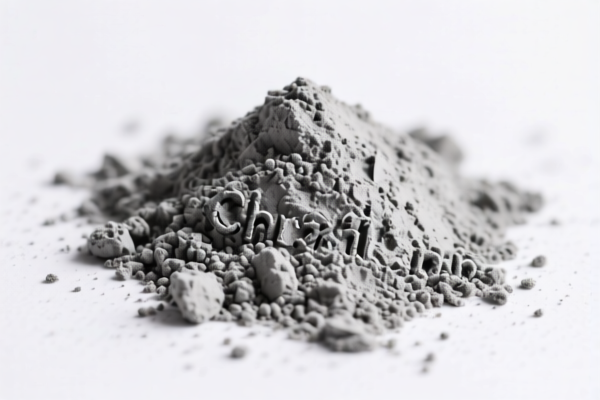
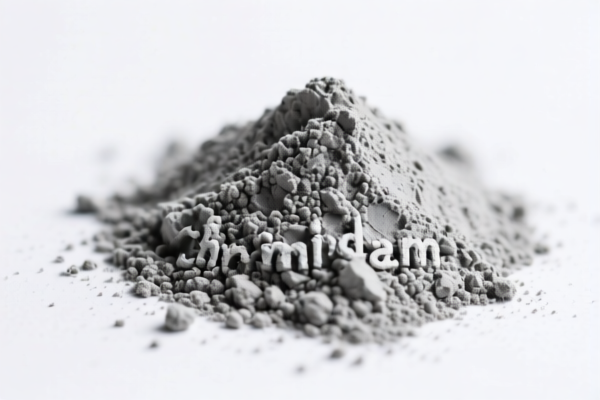
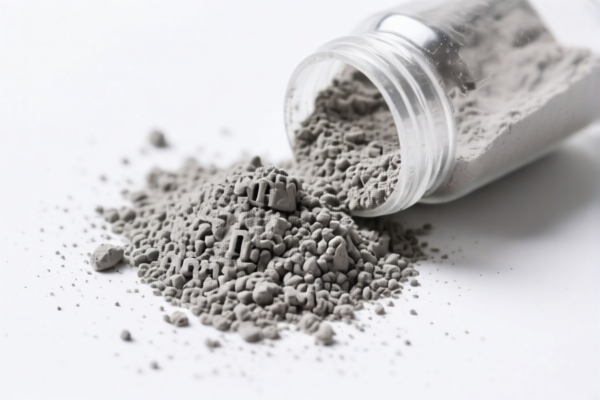
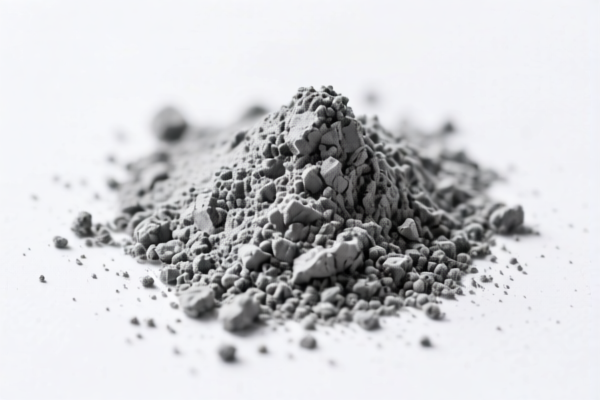
AI Analysis
🖍️ White Chalk Powder (White Pigment Chalk Dust)
🌐 HS Code Reference & Customs Clearance Guide | 2026 Latest Tariff Analysis | Professional Clearance Strategy
📌 I. Product Definition & Classification: What Exactly is "White Chalk Powder"?
"White Chalk Powder" is a dual-nature commodity in international trade. Depending on its form, packaging, and intended use, it can be classified either as a writing instrument (chalk) or as an industrial pigment (pigment powder). This distinction is critical because the tax rates vary significantly (from 17.5% to 41.0%).
1. Chalk Forms (Writing Instruments): - Form: Solid rods, sticks, or pre-molded pieces used for drawing or writing on blackboards/whiteboards. - Core Characteristic: Physical shape matches "writing chalk." - Classification Logic: Classified under Heading 9609 (Chalks and pastels, drawing chalks and tailor’s chalks, writing or drawing slates and plates, of paper or cardboard).
2. Pigment Forms (Raw Material): - Form: Loose powder, often in bags or drums, used as a raw material for paints, coatings, plastics, or cosmetics. - Core Characteristic: Chemical composition is primarily Titanium Dioxide (TiO2) or similar white pigments. - Classification Logic: Classified under Heading 3206 (Other coloring matter and coloring matter preparations; paints and varnishes...).
⚠️ Key Distinction Point:
- If the product is shaped into sticks/chalks for writing/drawing → Go to 9609 (Lower Tax: 17.5%).
- If the product is loose powder intended for industrial/pigment use → Go to 3206 (Higher Tax: 38.1% - 41.0%).
📦 II. HS Code Classification Details (2026 Latest Tariff Authority Comparison)
| HS Code | Product Description | Applicable Scenario | Tax Rate | Key Condition |
|---|---|---|---|---|
9609.90.40.00 |
Chalks and pastels (Drawing chalks); specifically white pigment chalk sticks | Pre-molded white chalk sticks for classroom/art use | 17.5% | Must be in chalk form (sticks/shapes), not loose powder. |
9609.90.80.00 |
Other chalks and pastels (No specific material conflict) | General white chalk sticks, alternative writing tools | 17.5% | Broad category for chalk shapes not specifically listed elsewhere. |
3206.19.00.00 |
Pigments and preparations based on Titanium Dioxide (TiO2) | Loose white pigment powder where TiO2 is the core component | 41.0% | Must be identified as pigment powder (raw material), not writing chalk. |
3206.49.60.50 |
Other coloring matters and preparations (Loose pigment powder) | Loose white powder used as a coloring agent in paints/plastics | 38.1% | Loose powder format, classified as "other coloring preparations." |
🔍 Critical Reminder:
- Misclassification Risk: Shipping loose powder but declaring it as 9609 (Chalk) may lead to customs rejection or reclassification to 3206, resulting in higher duties and penalties.
- Packaging Matters: Loose bags/pails strongly suggest HS 3206. Pre-packaged sticks suggest HS 9609.
💰 III. 2026 Latest Tariff Rate Breakdown (Including Surtaxes & Policy Surcharges)
✅ Applicable Country: United States (US)
✅ Origin: China (CN)
✅ Effective Date: From Nov 10, 2025 (including subsequent imports)
🎯 1. 9609.90.40.00 & 9609.90.80.00 —— White Chalk Sticks (Writing Instruments)
| Item | Content |
|---|---|
| Base Tariff | 0.0% |
| USITC Surtax (Section 301) | +7.5% |
| IEEPA Surtax (Section 122/Other) | +10.0% |
| Total Tariff Rate | 17.5% |
| Tax Calculation | CIF Value × 17.5% |
| De Minimis Exemption | ❌ Not Eligible (For China-origin goods) |
| Legal Basis Path | IEEPA:9903.01.25 → USITC:9609.90.40.00 / 9609.90.80.00 |
📌 Explanation:
- These codes fall under Writing Chalks.
- The 17.5% total is composed of a 7.5% Section 301 surtax and a 10% IEEPA surtax.
- This is the most cost-effective classification if the product is physically in chalk stick form.
🎯 2. 3206.19.00.00 —— White Pigment Powder (Titanium Dioxide Based)
| Item | Content |
|---|---|
| Base Tariff | 6.0% |
| USITC Surtax (Section 301) | +25.0% |
| IEEPA Surtax (Section 122/Other) | +10.0% |
| Total Tariff Rate | 41.0% |
| Tax Calculation | CIF Value × 41.0% |
| De Minimis Exemption | ❌ Not Eligible (For China-origin goods) |
| Legal Basis Path | IEEPA:9903.01.25 → USITC:3206.19.00.00 |
📌 Explanation:
- This is the highest tax bracket for this product.
- Applicable only when declared as industrial pigment powder (raw material).
- The 25% Section 301 tax is standard for many chemical/pigment categories from China.
🎯 3. 3206.49.60.50 —— Other Coloring Matters (Loose Powder)
| Item | Content |
|---|---|
| Base Tariff | 3.1% |
| USITC Surtax (Section 301) | +25.0% |
| IEEPA Surtax (Section 122/Other) | +10.0% |
| Total Tariff Rate | 38.1% |
| Tax Calculation | CIF Value × 38.1% |
| De Minimis Exemption | ❌ Not Eligible (For China-origin goods) |
| Legal Basis Path | IEEPA:9903.01.25 → USITC:3206.49.60.50 |
📌 Note:
- Slightly lower than the TiO2-specific code but still high compared to chalk sticks.
- Used for loose white powder not strictly defined as TiO2-based pigments.
🛠️ IV. Customs Clearance Practical Advice (Battle-Tested Pitfall Guide)
✅ 1. Required Documentation Checklist (Non-Negotiable)
| Document | Mandatory? | Explanation |
|---|---|---|
| ✅ Product Specifications | ✔️ | Must clearly state: Form (Powder vs. Stick), Composition (TiO2 %, Binders), Intended Use. |
| ✅ Product Photos | ✔️ | Show packaging (bag vs. box of sticks) and physical shape (powder heap vs. chalk rod). |
| ✅ Commercial Invoice | ✔️ | Description must match HS Code: "White Chalk Sticks" vs. "White Pigment Powder." |
| ✅ Certificate of Origin (CO) | ✔️ | Required for origin verification (China origin triggers surtaxes). |
| ✅ Material Safety Data Sheet (MSDS) | ✔️ | Required for chemical/pigment classification (HS 3206). |
✅ 2. Declaration Strategy (Key Mantras)
🔥 "Shape Dictates Code, Form Defines Tax!"
| Scenario | Correct Declaration | Incorrect Practice | Consequence |
|---|---|---|---|
| White Chalk Sticks | 9609.90.40.00 / 9609.90.80.00 |
Declare as "Pigment Powder" | Under-declaration Risk: Pay 17.5% but get audited for 41% + penalties. |
| Loose White Powder | 3206.19.00.00 / 3206.49.60.50 |
Declare as "Chalk Sticks" | Over-declaration/Rejection: Customs will reclassify, impose 41%, plus fines for false declaration. |
| Mixed Shipment (Sticks + Powder) | Split Declaration | Combine into one line item | Complex Audit: Each item must be classified separately. |
✅ 3. Special Handling Tips
| Situation | Handling Advice |
|---|---|
| OEM Custom Chalk | Provide customer design drawings. Ensure "Chalk" is in the product name. |
| Powder in Small Bags | If intended for retail/consumer use as writing chalk, consider if it can be molded into sticks for 17.5% tax. Loose powder is 38-41%. |
| Pigment for Paint Industry | Must declare as "Pigment Preparation." Provide SDS and chemical analysis report. |
| Mispackaging | If you ship sticks but label as "powder," customs may seize or reclassify. Consistency is key. |
🌍 V. Global Market Clearance Comparison (2026 Latest)
| Country/Region | Recommended HS Code | Total Tariff (China Origin) | Certification Requirements | Notes |
|---|---|---|---|---|
| 🇺🇸 USA | 9609.90.40.00 (Sticks) |
17.5% | FCC (if electronic, N/A here), ASTM | Best Rate. |
| 🇺🇸 USA | 3206.19.00.00 (Powder) |
41.0% | TSCA, SDS | High Cost. |
| 🇨🇳 China | 9609.90.40.00 |
0-5% | CCC (if applicable) | Low import duty. |
| 🇪🇺 EU | 9609.90.40.00 |
0% | CE, REACH | Free trade for chalks. |
| 🇪🇺 EU | 3206.19.00.00 |
6.5% | REACH, CLP | Standard chemical duty. |
📌 Conclusion:
- USA imposes heavy surtaxes on Chinese goods.
- Choosing the correct form (Stick vs. Powder) can save 23.5% - 25.5% in tariffs.
- EU and China have lower or no surtaxes, but compliance (REACH/CCC) is key.
📌 VI. Common Errors & Pitfall Guide (Lessons Learned)
❌ Error 1: Declaring Loose Powder as Chalk Sticks (9609)
👉 Result: Customs rejects, reclassifies to 3206, charges 41%, plus penalties and storage fees.
❌ Error 2: Declaring Chalk Sticks as Pigment Powder (3206)
👉 Result: Overpaying 23.5% (41% vs 17.5%). No penalty, but pure profit loss.
❌ Error 3: Missing MSDS/SDS for Powder Shipments
👉 Result: Delayed clearance, potential hazmat review, or return.
❌ Error 4: Ambiguous Product Name "White Powder"
👉 Result: Customs officer has discretion. They may choose the higher tax code 3206 due to ambiguity.
✅ Correct Approach:
For Sticks: "White Drawing Chalk Sticks, Calcium Sulfate Based, Model XYZ, 12mm Diameter"
For Powder: "White Titanium Dioxide Pigment Powder, Rutile Form, 98% Purity, Industrial Grade, Bagged"
🎯 VII. Conclusion: Professional Declaration Saves Money!
🎯 Remember the Mantra:
🔹 "Sticks are 17.5%, Powder is 41%!"
🔹 "HS Code Choice = Profit Margin!"
📌 Pro Tip:
If your product is loose powder but you have the capability to mold it into sticks before export, DO IT. The tax saving of 23.5% is massive.
If you must ship powder, ensure all documentation (SDS, Composition) strictly supports the 3206 classification to avoid reclassification penalties.
📣 Immediate Action:
📞 Contact your freight forwarder with photos and specifications.
📄 Request an Advance Ruling if the product form is ambiguous.
🚀 Clear customs smoothly, maximize profit!
✨ Professional Customs Clearance Starts with Accurate Classification!
💼 Every Percentage Point Counts in Global Trade!
Customer Reviews
About HS Code Classification
The Harmonized System (HS) is an internationally standardized nomenclature developed by the World Customs Organization (WCO) to classify traded products. Over 200 countries use the HS system as the basis for customs tariffs, trade statistics, and import/export regulations.
Each HS code follows a hierarchical structure:
- Chapter (2 digits) — Broad category of goods (e.g., Chapter 84: Machinery and Mechanical Appliances)
- Heading (4 digits) — More specific grouping within the chapter
- Subheading (6 digits) — Internationally standardized breakdown, used by all WCO member countries
- National subdivisions (8-10 digits) — Country-specific extensions for further classification, such as US HTSUS 10-digit codes
Correct HS code classification is essential for smooth customs clearance, accurate duty payment, and compliance with trade regulations. Misclassification can lead to customs delays, overpayment of duties, or penalties.
When importing from CN to US, the applicable tariff rates may include:
- Most-Favored-Nation (MFN) rate — The standard duty rate applied to WTO members
- General rate — Applied to countries without trade agreements
- Trade remedy duties — Additional tariffs such as Section 301 (anti-dumping), Section 232 (national security), or countervailing duties
The information provided on this page is for reference purposes only. For official classification, please consult with your local customs authority or a licensed customs broker.