White Gloves
CN → US| HS Code | Tariff Rate | Origin | Destination | Doc |
|---|---|---|---|---|
| 6216009000 | 21.3% | CN | US | Official Doc |
| 4015900010 | 39.0% | CN | US | Official Doc |
| 3926201020 | 10.0% | CN | US | Official Doc |
| 4015900050 | 39.0% | CN | US | Official Doc |
| 3926204010 | 16.5% | CN | US | Official Doc |
Product Images


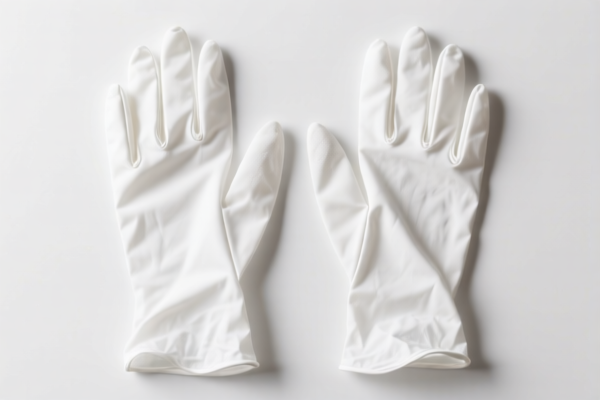

AI Analysis
🧤 White Gloves: HS Code Classification & Tariff Breakdown (2026 Update)
🌐 HS Code Reference & Customs Clearance Guide | 2026 Latest Tariff Analysis | Professional Compliance Strategy
📌 1. Product Definition & Classification: What Exactly Are "White Gloves"?
White gloves are a broad category of hand coverings, varying significantly by material and intended use. In international trade, they are classified based on their composition (fabric, rubber, plastic) and function (protection, decoration, hygiene). The material determines the HS Code chapter, which drastically impacts the total tax liability.
⚠️ Key Distinction Point:
- Fabric/Lace Gloves: Decorative or light protection → Chapter 62
- Rubber/Gloves: Protective, elastic, or industrial → Chapter 40
- Plastic/Gloves: Disposable, hygienic, or single-use → Chapter 39
📦 2. HS Code Classification Details (2026 Latest Tariff Authority Comparison)
The following table maps specific types of "White Gloves" to their respective HS Codes and descriptions based on the provided data.
| HS Code | Product Description | Material Type | Total Tax Rate |
|---|---|---|---|
6216.00.90.00 |
White Lace Gloves | Textile/Fabric | 21.3% |
4015.90.00.10 |
White Rubber/Synthetic Rubber Shoe-Cover Type Gloves | Rubber/Synthetic | 39.0% |
3926.20.10.20 |
White Disposable Plastic Gloves | Plastic | 10.0% |
4015.90.00.50 |
White Vulcanized Rubber Gloves | Vulcanized Rubber | 39.0% |
3926.20.40.10 |
White Plastic Gloves (Disposable/Fashion) | Plastic | 16.5% |
🔍 Critical Note:
- Rubber Gloves (4015...) attract the highest tariff burden due to Section 301 and IEEPA penalties.
- Plastic Gloves (3926...) vary significantly based on specific usage (disposable vs. fashion accessory), with rates ranging from 10% to 16.5%.
- Lace/Textile Gloves (6216...) have a moderate total rate, driven primarily by Section 301 tariffs.
💰 3. 2026 Latest Tariff Rate Breakdown (Including Additional Taxes & Policy Surcharges)
✅ Applicable Country: United States (US)
✅ Origin: China (CN)
✅ Effective Time: Current rates apply (including Section 301 & IEEPA surcharges)
🎯 1. 6216.00.90.00 — White Lace Gloves (Textile)
| Item | Content |
|---|---|
| Base Tariff | 3.8% |
| Section 301 Surcharge | 7.5% |
| IEEPA Surcharge (Section 122) | 10.0% |
| Total Rate | 21.3% |
| Tax Calculation | CIF Value × 21.3% |
| De Minimis Exemption | ❌ Not Eligible (Deny De Minimis) |
| Legal Basis | HTSUS 6216.00.90.00 + Trade Policy Surcharges |
📌 Explanation:
- The 7.5% Section 301 tariff is the primary additional cost for textile gloves from China.
- The 10% IEEPA surcharge is applied uniformly to many Chinese imports under current emergency powers.
- Total 21.3% is significant for low-margin decorative items.
🎯 2. 4015.90.00.10 & 4015.90.00.50 — Rubber Gloves (Protective/Industrial)
| Item | Content |
|---|---|
| Base Tariff | 4.0% |
| Section 301 Surcharge | 25.0% |
| IEEPA Surcharge (Section 122) | 10.0% |
| Total Rate | 39.0% |
| Tax Calculation | CIF Value × 39.0% |
| De Minimis Exemption | ❌ Not Eligible (Deny De Minimis) |
| Legal Basis | HTSUS 4015.90.00.10 / 50 + Trade Policy Surcharges |
📌 Warning:
- Rubber gloves face the highest Section 301 surcharge (25%), reflecting trade restrictions on industrial and protective goods.
- Whether they are "shoe-cover type" (...10) or "vulcanized" (...50), the 39% total rate applies.
- High compliance risk: Misclassification here can lead to severe back-taxes.
🎯 3. 3926.20.10.20 & 3926.20.40.10 — Plastic Gloves (Disposable/Fashion)
| HS Code | Sub-Type | Base Tariff | Section 301 | IEEPA | Total Rate |
|---|---|---|---|---|---|
3926.20.10.20 |
Disposable Plastic Gloves | 0.0% | 0.0% | 10.0% | 10.0% |
3926.20.40.10 |
Plastic Gloves (General/Fashion) | 6.5% | 0.0% | 10.0% | 16.5% |
📌 Explanation:
- Disposable Plastic Gloves (...20) are exempt from Base and Section 301 tariffs, paying only the 10% IEEPA surcharge.
- Other Plastic Gloves (...10) incur a 6.5% base tariff but no Section 301 surcharge, resulting in a 16.5% total.
- Key Takeaway: Plastic gloves generally have the lowest tax burden among the three material types, especially the disposable variant.
🛠️ 4. Customs Clearance Operational Advice (Practical Pitfall Avoidance Guide)
✅ 1. Documentation Checklist (Missing Documents = Delay)
| Document | Required | Notes |
|---|---|---|
| ✅ Product Specification Sheet | ✔️ | Must clearly state material (e.g., "100% Cotton Lace" vs. "Vulcanized Rubber"). |
| ✅ Material Composition Certificate | ✔️ | Critical for distinguishing between Chapter 39 (Plastic) and Chapter 40 (Rubber). |
| ✅ Product Photos | ✔️ | Show texture, transparency, and packaging. |
| ✅ Commercial Invoice | ✔️ | Must describe goods accurately: "White Disposable Nitrile Gloves" not just "Gloves". |
| ✅ Packing List | ✔️ | Weight and quantity per box. |
| ✅ Import License (if applicable) | ✔️ | Some protective medical gloves may require FDA registration. |
✅ 2. Classification Strategy (Key Mantras)
🔥 "Material Defines Code, Description Defines Rate!"
| Scenario | Correct HS Code | Incorrect Code | Consequence |
|---|---|---|---|
| Lace/Textile Gloves | 6216.00.90.00 |
3926.90... |
Over/Underpayment; Audit risk. |
| Disposable Medical/Utility Gloves | 3926.20.10.20 |
4015... |
Tax Difference: 29%! (10% vs 39%) |
| Heavy-Duty Rubber Gloves | 4015.90.00.50 |
3926.20... |
Tax Difference: 22.5%! (39% vs 16.5%) |
| Fashion Plastic Gloves | 3926.20.40.10 |
6216.00... |
Misclassification of material. |
📌 Critical Tip:
- "Rubber" vs. "Latex": Natural latex is often under Chapter 40. Ensure your supplier specifies "Natural Rubber" or "Synthetic Rubber" to confirm Chapter 40.
- "Disposable" vs. "Reusable": Disposable items are more likely to fall under3926.20.10.20(lower tax), while reusable heavy-duty gloves fall under Chapter 40 (higher tax).
✅ 3. Special Handling Cases
| Case | Handling Advice |
|---|---|
| Mixed Shipment | If a shipment contains both lace and plastic gloves, separate entries are recommended to avoid blanket misclassification. |
| Medical Grade Rubber Gloves | If intended for medical use, ensure FDA 510(k) clearance is attached. Without it, customs may detain the shipment. |
| OEM Private Label | Ensure the invoice lists the manufacturer's name. Customs may verify origin to apply IEEPA surcharges correctly. |
| "White" Color | The color "white" does not change the HS Code, but it may affect anti-dumping investigations if specific countries are targeted for dyed goods (rare for plain white, but check current trade actions). |
🌍 5. Global Market Comparison (2026 Overview)
| Country/Region | Recommended HS Code | Est. Tariff (China Origin) | Certification | Notes |
|---|---|---|---|---|
| 🇺🇸 USA | Depends on Material | 10% - 39% | IEEPA + Sec 301 | Highest Complexity due to layered surcharges. |
| 🇪🇺 EU | Varies by Chapter | 0% - 6.5% | CE (if protective) | No Section 301 equivalent; lower base tariffs. |
| 🇨🇳 China | Varies | 5% - 14% | CCC (if electrical/medical) | Base tariff only; no punitive surcharges. |
| 🇯🇵 Japan | Varies | 0% - 10% | PSE (if applicable) | Stable tariffs; no political surcharges. |
📌 Conclusion:
- USA is the most expensive market for gloves due to the combination of base tariffs, Section 301, and IEEPA.
- Plastic disposable gloves offer the best tax efficiency in the US (10%).
- Rubber gloves are the most tax-heavy (39%).
📌 6. Common Errors & Pitfalls (Lessons Learned)
❌ Error 1: Classifying Disposable Plastic Gloves as Rubber Gloves
👉 Result: Paying 39% instead of 10% → Overpayment of 29%!
❌ Error 2: Classifying Lace Gloves as Plastic
👉 Result: Incorrect material declaration → Fines & Seizure for false customs entry.
❌ Error 3: Ignoring IEEPA 10% Surcharge
👉 Result: All listed HS Codes above include this. Failing to account for it leads to underpayment and penalties.
❌ Error 4: Vague Description "Gloves" on Invoice
👉 Result: Customs officer guesses the classification → Highest possible rate applied.
✅ Correct Practice:
"White Disposable Polyethylene Gloves, Single Use, Non-Medical, 100% Plastic, Model XYZ"
🎯 7. Conclusion: Precise Classification, Cost Savings, Risk Mitigation!
🎯 Remember the Mantra:
🔹 "Plastic is Cheapest (10-16.5%), Textile is Middle (21.3%), Rubber is Most Expensive (39%)."
🔹 "Material Matters More Than Color. Describe the Substance, Not Just the Look."
📌 Pro Tip:
- If you are importing large volumes of rubber gloves, consider Supply Chain Diversification (e.g., from Vietnam or India) to mitigate Section 301 and IEEPA risks.
- For disposable plastic gloves, the 10% rate is relatively favorable, but ensure the product strictly meets the "disposable" definition to avoid misclassification.
📣 Immediate Action:
📞 Consult a Licensed Customs Broker
📄 Provide Material Composition Details
🚀 Verify HTSUS Codes Before Shipment
💼 Ensure Your Invoice Matches the HS Code Description Exactly!
✨ Professional Clearance Starts with Accurate Classification!
💼 Every Percent of Tariff Matters in Your Profit Margin!
Customer Reviews
About HS Code Classification
The Harmonized System (HS) is an internationally standardized nomenclature developed by the World Customs Organization (WCO) to classify traded products. Over 200 countries use the HS system as the basis for customs tariffs, trade statistics, and import/export regulations.
Each HS code follows a hierarchical structure:
- Chapter (2 digits) — Broad category of goods (e.g., Chapter 84: Machinery and Mechanical Appliances)
- Heading (4 digits) — More specific grouping within the chapter
- Subheading (6 digits) — Internationally standardized breakdown, used by all WCO member countries
- National subdivisions (8-10 digits) — Country-specific extensions for further classification, such as US HTSUS 10-digit codes
Correct HS code classification is essential for smooth customs clearance, accurate duty payment, and compliance with trade regulations. Misclassification can lead to customs delays, overpayment of duties, or penalties.
When importing from CN to US, the applicable tariff rates may include:
- Most-Favored-Nation (MFN) rate — The standard duty rate applied to WTO members
- General rate — Applied to countries without trade agreements
- Trade remedy duties — Additional tariffs such as Section 301 (anti-dumping), Section 232 (national security), or countervailing duties
The information provided on this page is for reference purposes only. For official classification, please consult with your local customs authority or a licensed customs broker.