White Paper Cup
CN → US| HS Code | Tariff Rate | Origin | Destination | Doc |
|---|---|---|---|---|
| 4823690020 | 35.0% | CN | US | Official Doc |
| 4823610020 | 35.0% | CN | US | Official Doc |
| 4819200020 | 35.0% | CN | US | Official Doc |
| 4819100020 | 35.0% | CN | US | Official Doc |
| 4823690020 | 35.0% | CN | US | Official Doc |
Product Images
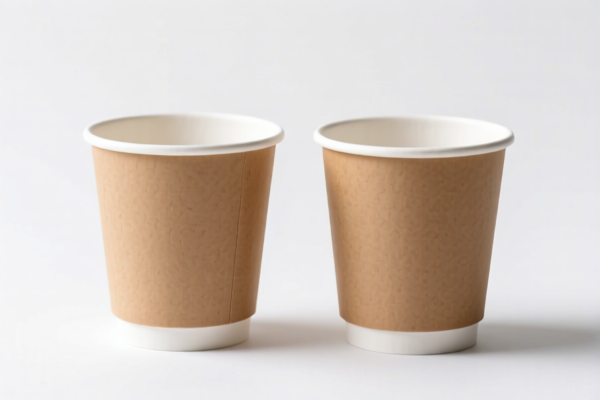
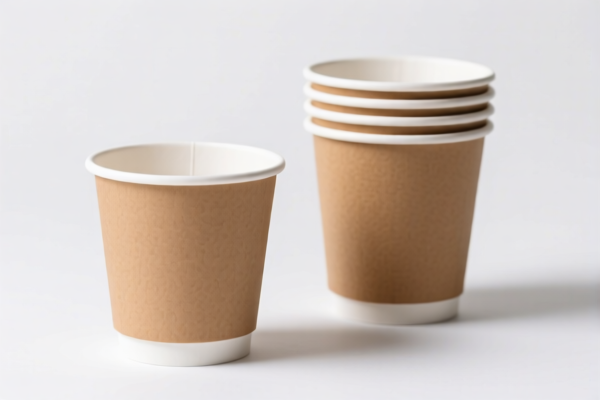
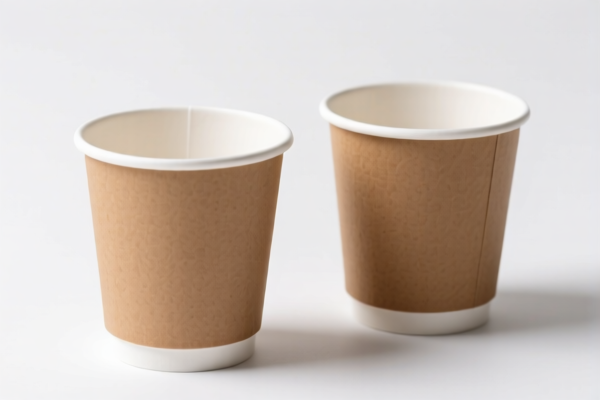
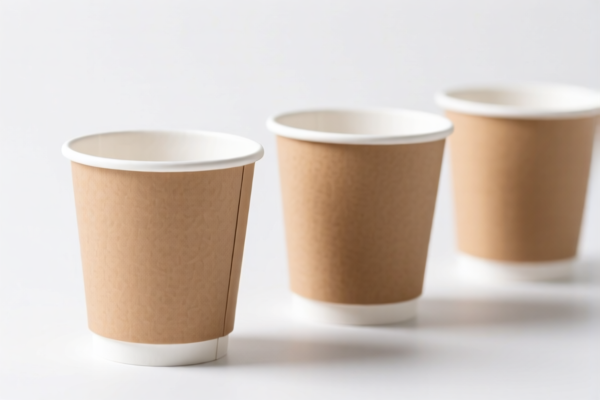
AI Analysis
🥤 Paper Cups (White Paper Cups for Beverages)
🌐 HS Code Reference & Customs Clearance Guide | 2026 Latest Tariff Breakdown | Professional Clearance Strategy
📌 1. Product Definition & Classification: Do You Really Understand "Paper Cups"?
White paper cups are among the most common single-use beverage containers in global trade. While they may seem simple, their classification depends strictly on material composition, structure, and specific use. In international trade, they are generally categorized under Chapter 48 (Paper and Paperboard), but nuances exist between "disposable cups" and "food containers."
⚠️ Critical Distinction Points:
- If the cup is made of paper and shaped specifically as a drinking vessel → It falls under 4823.61.00.20 or 4823.69.00.20.
- If the cup is made of non-corrugated paperboard and functions as a general food/beverage container → It may fall under 4819.20.00.20 or 4819.10.00.20.
- Note: All listed HS Codes below carry the same tax burden due to current US trade policies against Chinese-origin goods.
📦 2. HS Code Classification Details (2026 Latest Tariff Authority Comparison)
| HS Code | Product Description | Key Characteristics | Application Scenario |
|---|---|---|---|
4823.61.00.20 |
Paper Cups | Material: Paper; Form: Cup; Definition: Matches "Paper Cups and Similar Articles" | Standard white paper cups, direct beverage use |
4823.69.00.20 |
Paper Beverage Cups | Material: Paper; Use: Beverage Cup; Definition: Matches "Cups and Circular Nesting Food Containers" | Cups designed specifically for hot/cold drinks, nesting design |
4819.20.00.20 |
Paper Cups | Material: Non-corrugated Paperboard; Form: Container; Use: Beverage Container | Thicker paperboard cups, often for larger volumes |
4819.10.00.20 |
Paper Containers | Material: Paper; Form: Cup; Use: Beverage Container | General paper containers shaped as cups |
🔍 Key Reminder:
- The distinction between 4823 (Other paper articles) and 4819 (Paper packaging containers) can be subtle. However, for white paper cups specifically intended for drinking, 4823.61 and 4823.69 are the most precise classifications for "cups."
- 4819 codes are broader and may apply if the item is considered a generic "paper container" rather than a specialized "cup."
- All these HS Codes are subject to the same high tariff rate.
💰 3. 2026 Latest Tariff Rate Breakdown (Including Additional Taxes & Policy Surcharges)
✅ Applicable Country: United States (US)
✅ Origin: China (CN)
✅ Effective Date: 2025年11月10日起 (Including subsequent imports)
🎯 1. 4823.61.00.20 – Paper Cups
| Item | Content |
|---|---|
| Base Tariff | 0.0% (ad valorem) |
| Section 301 Additional Tariff | +25.0% (Added tariff) |
| Section 122 Tariff | +10.0% (122 Clause Tariff) |
| Total Tax Rate | 35.0% |
| Tax Calculation | CIF Value × 35% |
| De Minimis Eligibility | ❌ Not Eligible (deny_de_minimis) |
| Legal Basis Path | 301 Tariff: 4823.61.00.20 → 122 Clause: 4823.61.00.20 |
📌 Explanation:
- The 35% total rate is composed of a 0% base tariff, a 25% Section 301 additional tariff, and a 10% Section 122 tariff.
- This is a high tariff entry. There are no exemptions for small-value shipments (de minimis does not apply).
🎯 2. 4823.69.00.20 – Paper Beverage Cups
| Item | Content |
|---|---|
| Base Tariff | 0.0% |
| Section 301 Additional Tariff | +25.0% |
| Section 122 Tariff | +10.0% |
| Total Tax Rate | 35.0% |
| Tax Calculation | CIF × 35% |
| De Minimis Eligibility | ❌ Not Eligible |
| Legal Basis Path | 301 Tariff: 4823.69.00.20 → 122 Clause: 4823.69.00.20 |
📌 Note:
- Identical tax structure to4823.61.00.20.
- Applies to cups categorized under "Cups and Circular Nesting Food Containers."
🎯 3. 4819.20.00.20 – Paper Cups (Non-corrugated Paperboard)
| Item | Content |
|---|---|
| Base Tariff | 0.0% |
| Section 301 Additional Tariff | +25.0% |
| Section 122 Tariff | +10.0% |
| Total Tax Rate | 35.0% |
| Tax Calculation | CIF × 35% |
| De Minimis Eligibility | ❌ Not Eligible |
| Legal Basis Path | 301 Tariff: 4819.20.00.20 → 122 Clause: 4819.20.00.20 |
📌 Note:
- Even if classified under packaging containers (4819), the 35% total rate remains unchanged due to the specific origin (China) and product type.
🎯 4. 4819.10.00.20 – Paper Containers
| Item | Content |
|---|---|
| Base Tariff | 0.0% |
| Section 301 Additional Tariff | +25.0% |
| Section 122 Tariff | +10.0% |
| Total Tax Rate | 35.0% |
| Tax Calculation | CIF × 35% |
| De Minimis Eligibility | ❌ Not Eligible |
| Legal Basis Path | 301 Tariff: 4819.10.00.20 → 122 Clause: 4819.10.00.20 |
📌 Note:
- Same tax burden. Classification as a generic "paper container" does not reduce the tariff.
🛠️ 4. Customs Clearance Practical Advice (Battle-Tested Pitfall Avoidance Guide)
✅ 1. Required Documentation Checklist (No Exceptions)
| Document | Required? | Description |
|---|---|---|
| ✅ Product Specification Sheet | ✔️ | Must detail material (e.g., "Food-grade paper," "Non-corrugated"), liner type (e.g., PE coating), and dimensions. |
| ✅ Product Photos | ✔️ | Clear images showing the cup shape, branding, and any nesting features. |
| ✅ Commercial Invoice | ✔️ | Must clearly state "Paper Cups for Beverage Use" and match HS Code description. |
| ✅ Packing List | ✔️ | Show weight, quantity, and packaging details to verify volume/weight ratios. |
| ✅ Certificate of Origin (CO) | ✔️ | If non-Chinese origin, may qualify for lower rates. For China origin, confirms surcharge applicability. |
✅ 2. Declaration Tips (Key Mnemonic)
🔥 "Be Precise: 'Paper Cup' vs. 'Paperboard Container' Matters Less Than Origin!"
| Scenario | Correct Declaration | Wrong Practice | Consequence |
|---|---|---|---|
| Standard White Paper Cup | 4823.61.00.20 or 4823.69.00.20 |
Vague term "Disposable Tableware" | Customs may reject or reclassify, causing delays. |
| Thick Paperboard Cup | 4819.20.00.20 |
Calling it "Thin Paper Cup" | Misdeclaration of material. |
| Any Paper Cup from China | All codes above | Assuming "De Minimis" exemption | 35% tax applied regardless of value. |
📌 Crucial Point:
- Do NOT rely on the $800 de minimis exemption for Chinese-origin goods under these HS codes. The 35% tariff is strictly enforced.
- Ensure the HS Code suffix (.20) is included, as it often denotes specific origin-based tariff treatments in US customs systems.
✅ 3. Special Case Handling
| Case | Handling Advice |
|---|---|
| Cups with Plastic Lining | Still classified under Chapter 48. The paper content is dominant. Do not classify under Chapter 39 (Plastics). |
| Printed vs. Plain White | Both fall under the same HS codes. Printing does not change the classification. |
| Stackable/Nesting Cups | Clearly state "Nesting Design" in the description. This may favor 4823.69.00.20 ("Circular Nesting Food Containers"). |
| Non-Chinese Origin | If manufactured in Vietnam, Mexico, etc., provide full supply chain proof to avoid the 35% surcharge. |
🌍 5. Global Market Clearance Comparison (2026 Latest)
| Country/Region | Recommended HS Code | Tariff (China Origin) | Certification Requirement | Notes |
|---|---|---|---|---|
| 🇺🇸 United States | 4823.61.00.20 / 4823.69.00.20 |
35% (0% + 25% + 10%) | FDA Food Contact Compliance | High Cost. De minimis does not apply. |
| 🇨🇳 China | 4823.61 / 4823.69 |
5-10% | No specific export certification | Low cost, but import duty applies. |
| 🇪🇺 European Union | 4823.69 |
0-6.5% | LFGB (Germany), FDA (US-style) | No punitive tariffs, but strict food safety norms. |
| 🇬🇧 United Kingdom | 4823.69 |
0-6.5% | UKCA Marking | Post-Brexit rules apply. |
| 🇨🇦 Canada | 4823.69 |
0-5% | FDA/CFIA Compliance | Competitive market, low tariffs. |
📌 Conclusion:
- The US market is significantly more expensive due to the 35% combined tariff (Section 301 + Section 122).
- For US-bound white paper cups, cost optimization strategies (e.g., sourcing from non-China countries) are critical.
- European and Canadian markets remain more tariff-friendly.
📌 6. Common Mistakes & Pitfall Guide (Blood-Tears Lessons)
❌ Mistake 1: Assuming "De Minimis" ($800) applies to paper cups from China.
👉 Result: 35% tax charged on every shipment, even small samples. Do not risk it.
❌ Mistake 2: Misclassifying as "Plastic Cups" (HS 3924).
👉 Result: If the liner is thin, customs may still classify as Paper. However, if misdeclared, you face penalties for incorrect declaration. Stick to Chapter 48.
❌ Mistake 3: Using vague descriptions like "Paper Products."
👉 Result: Customs may impose highest possible duty or detain the cargo for detailed inspection. Be specific: "White Paper Beverage Cups."
✅ Correct Practice:
"White Paper Cups, PE Lined, for Hot/Cold Beverages, Non-Corrugated Paper, Model XYZ, Made in China"
🎯 7. Conclusion: Professional Declaration, Cost Control, Efficient Clearance!
🎯 Remember the Mantra:
🔹 "China Origin = 35% Tariff (No Exemption)."
🔹 "Be Specific: HS Code .20 is Critical."
🔹 "De Minimis Does Not Apply! Pay Your Taxes!"
📌 Pro Tip:
If your paper cups are originating from Vietnam, Malaysia, or Mexico, you may exempt the 25% Section 301 and 10% Section 122 tariffs.
Recommendation: Obtain a Certificate of Origin and apply for an Advance Ruling to confirm eligibility for lower tariffs.
📣 Act Now:
📞 Contact a Professional Customs Broker + Provide Product Specs + Verify Origin Rules
🚀 Ensure Your Paper Cups Clear Customs Smoothly, Avoiding 35% Surcharges!
✨ Professional Clearance Starts with Precise Classification!
💼 Every Dollar of Tariff Must Be Calculated Precisely!
Customer Reviews
About HS Code Classification
The Harmonized System (HS) is an internationally standardized nomenclature developed by the World Customs Organization (WCO) to classify traded products. Over 200 countries use the HS system as the basis for customs tariffs, trade statistics, and import/export regulations.
Each HS code follows a hierarchical structure:
- Chapter (2 digits) — Broad category of goods (e.g., Chapter 84: Machinery and Mechanical Appliances)
- Heading (4 digits) — More specific grouping within the chapter
- Subheading (6 digits) — Internationally standardized breakdown, used by all WCO member countries
- National subdivisions (8-10 digits) — Country-specific extensions for further classification, such as US HTSUS 10-digit codes
Correct HS code classification is essential for smooth customs clearance, accurate duty payment, and compliance with trade regulations. Misclassification can lead to customs delays, overpayment of duties, or penalties.
When importing from CN to US, the applicable tariff rates may include:
- Most-Favored-Nation (MFN) rate — The standard duty rate applied to WTO members
- General rate — Applied to countries without trade agreements
- Trade remedy duties — Additional tariffs such as Section 301 (anti-dumping), Section 232 (national security), or countervailing duties
The information provided on this page is for reference purposes only. For official classification, please consult with your local customs authority or a licensed customs broker.