White Plastic Toilet Seat
CN → US| HS Code | Tariff Rate | Origin | Destination | Doc |
|---|---|---|---|---|
| 9403708031 | 35.0% | CN | US | Official Doc |
| 9403708002 | 35.0% | CN | US | Official Doc |
| 3926902100 | 21.7% | CN | US | Official Doc |
| 3926909950 | 22.8% | CN | US | Official Doc |
| 9403708031 | 35.0% | CN | US | Official Doc |
Product Images
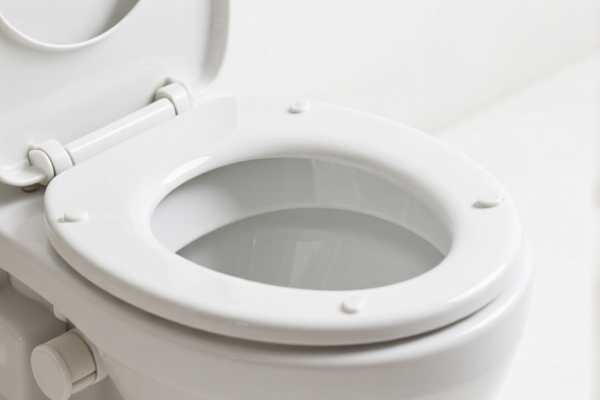
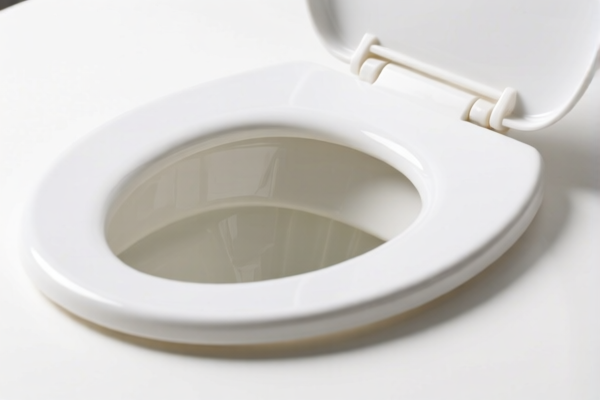
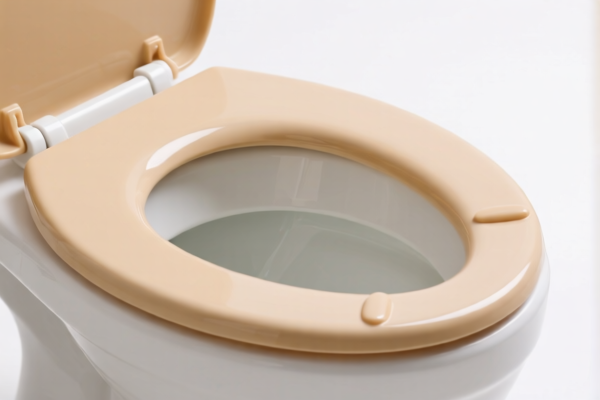
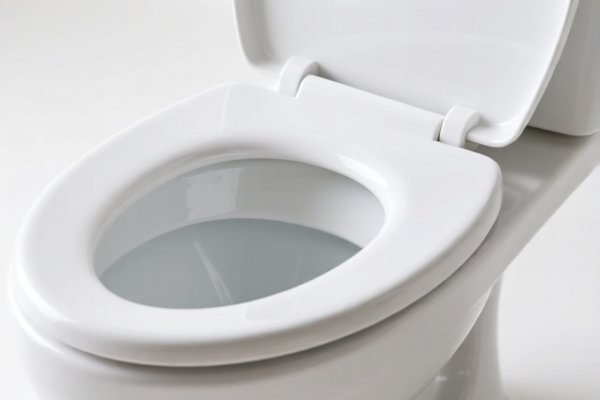
AI Analysis
🚽 White Plastic Toilet Seat (Residential Plastic Toilet Seat)
🌐 HS Code Reference & Customs Clearance Guide | 2026 Latest Tariff Analysis | Professional Clearance Strategy
📌 I. Product Definition & Classification: Do You Really Understand "Toilet Seats"?
A residential plastic toilet seat is a sanitary accessory used in home bathrooms. In international trade, its classification depends heavily on whether it is viewed as a furniture component (Chapter 94) or a plastic article (Chapter 39). This distinction drastically affects the tariff burden.
Key Classification Split: 1. Furniture Part (Ch 94): Viewed as an attachment to sanitary furniture (toilets are considered furniture in HTSUS context). 2. Plastic Article (Ch 39): Viewed as a molded plastic household item.
⚠️ Critical Distinction:
- If declared as a "Part of Furniture" → HS Codes starting with 9403 (Higher Tax Burden: 35%)
- If declared as a "Plastic Article" → HS Codes starting with 3926 (Lower Tax Burden: 21.7% - 22.8%)
📦 II. HS Code Classification Details (2026 Latest Tariff Authority Comparison)
| HS Code | Product Description | Applicable Scenario | Tax Rate | Legal Basis |
|---|---|---|---|---|
9403.70.80.31 |
Plastic Toilet Seat, classified as Plastic Furniture Part | Standard residential use, white or colored plastic | 35.0% | Ch 94 (Furniture Parts) |
9403.70.80.02 |
Plastic Toilet Seat, classified as Furniture/Household Accessory | General household plastic seat | 35.0% | Ch 94 (Furniture Parts) |
3926.90.21.00 |
Plastic Toilet Seat, classified as Other Plastic Article | Home accessory, non-furniture part designation | 21.7% | Ch 39 (Plastics) |
3926.90.99.50 |
Plastic Toilet Seat, No Medical Use | Generic plastic article, general purpose | 22.8% | Ch 39 (Plastics) |
🔍 Key Reminder:
- HS 9403 treats the toilet seat as a part of a sanitary fixture/furniture. The base tariff is 0%, but Section 301 (25%) + Section 122 (10%) apply, totaling 35%. - HS 3926 treats the seat as a plastic manufactured article. The base tariff is 4.2% - 5.3%, plus Section 301 (7.5%) + Section 122 (10%), totaling 21.7% - 22.8%.
💰 III. 2026 Latest Tariff Rate Breakdown (Including Surtaxes & Policy Add-ons)
✅ Applicable Country: USA (US)
✅ Origin: China (CN)
✅ Effective Time: Current US Tariff Structure (Post-2024 Adjustments)
🎯 1. 9403.70.80.31 / 9403.70.80.02 —— Plastic Toilet Seat (Furniture Part)
| Item | Content |
|---|---|
| Base Tariff | 0.0% (ad valorem) |
| Section 301 Surtax | +25.0% (Trade Act Section 301) |
| Section 122 Surtax | +10.0% (Section 122 of the Trade Expansion Act) |
| Total Tariff Rate | 35.0% |
| Tax Calculation | CIF Value × 35% |
| De Minimis Eligibility | ❌ No (High risk of audit, low value threshold doesn't apply effectively for bulk) |
| Legal Path | HTSUS:9403.70.80.31 → USITC Footnote 301:25% → Section 122:10% |
📌 Explanation:
- The base duty is 0%, but the Section 301 (25%) and Section 122 (10%) surcharges are fully applicable to Chinese-origin plastic furniture parts. - Total 35% is a significant cost driver. Many importers try to avoid this by arguing the item is a "plastic article" (Ch 39) rather than a "furniture part."
🎯 2. 3926.90.21.00 —— Plastic Toilet Seat (Plastic Article)
| Item | Content |
|---|---|
| Base Tariff | 4.2% (ad valorem) |
| Section 301 Surtax | +7.5% (Reduced Section 301 rate for certain plastics) |
| Section 122 Surtax | +10.0% |
| Total Tariff Rate | 21.7% |
| Tax Calculation | CIF Value × 21.7% |
| De Minimis Eligibility | ❌ No |
| Legal Path | HTSUS:3926.90.21.00 → USITC Footnote 301:7.5% → Section 122:10% |
📌 Note:
- This is the most cost-effective classification if justifiable.
- The product is described as "Other plastic articles, other" with a specific subheading for household accessories.
- Savings: ~13.3% lower than the 9403 classification.
🎯 3. 3926.90.99.50 —— Plastic Toilet Seat (No Medical Use)
| Item | Content |
|---|---|
| Base Tariff | 5.3% (ad valorem) |
| Section 301 Surtax | +7.5% |
| Section 122 Surtax | +10.0% |
| Total Tariff Rate | 22.8% |
| Tax Calculation | CIF Value × 22.8% |
| Legal Path | HTSUS:3926.90.99.50 → USITC Footnote 301:7.5% → Section 122:10% |
📌 Note:
- Slightly higher than3926.90.21.00due to the higher base rate (5.3% vs 4.2%).
- Used if3926.90.21.00is deemed too specific or if the product doesn't fit the "household accessory" sub-paragraph precisely.
🛠️ IV. Customs Clearance Practical Advice (Pitfall Avoidance Guide)
✅ 1. Preparation Checklist (Non-negotiable)
| Document | Required | Explanation |
|---|---|---|
| ✅ Product Specifications | ✔️ | Material: 100% Plastic (PP, ABS, etc.), Dimensions, Weight |
| ✅ Product Photos | ✔️ | Clear images of the seat, hinge, and any packaging |
| ✅ Commercial Invoice | ✔️ | Must clearly state "Plastic Toilet Seat" and HS Code |
| ✅ Origin Certificate | ✔️ | Proof of Chinese origin (triggers Section 301/122) |
| ✅ Bill of Lading/Air Waybill | ✔️ | Standard shipping docs |
✅ 2. Declaration Strategy (Key Mnemonic)
🔥 "Classify as Plastic, Not Furniture; Save 13% Instantly!"
| Scenario | Correct Declaration | Incorrect Declaration |
|---|---|---|
| Standard Plastic Seat | 3926.90.21.00 (Plastic Article) |
9403.70.80.31 (Furniture Part) |
| White Plastic Seat | 3926.90.21.00 |
9403.70.80.31 |
| Seat with Hinges | Still 3926 if primarily plastic |
Splitting parts → Complex & Risky |
📌 Strategic Advice:
- Argument for Ch 39: The toilet seat is a disposable/renewable accessory made primarily of plastic. It does not provide structural integrity to the toilet bowl (furniture). It is a consumable household item, not a structural furniture part.
- Argument for Ch 94: If the seat is integrated, heavy-duty, or marketed as a "sanitary fixture component," customs may default to Ch 94.
✅ 3. Special Cases
| Case | Handling Advice |
|---|---|
| Mixed Materials (e.g., Plastic seat + Stainless Steel Hinge) | If plastic >50% by weight/value, declare as 3926. Disclose hinge material in remarks. |
| OEM Custom Colors | Ensure description matches "Plastic Toilet Seat." Avoid "Furniture Part" in the name. |
| Sample Shipments | High scrutiny. Ensure HS Code matches commercial invoice exactly. |
🌍 V. Global Market Clearance Comparison (2026)
| Country/Region | Recommended HS Code | Tariff | Certification | Note |
|---|---|---|---|---|
| 🇺🇸 USA | 3926.90.21.00 |
21.7% | None (Standard) | Lowest US Rate. Avoid 9403 (35%) if possible. |
| 🇨🇳 China | 3926.90.90.90 |
5% - 10% | CCC (if applicable) | Domestic trade rate. |
| 🇪🇺 EU | 3926.90.97 |
3.7% - 6.5% | CE (if plastic toys/electronics) | Generally lower than US. |
| 🇬🇧 UK | 3926.90.97 |
4.5% | UKCA | Post-Brexit rules. |
| 🇦🇺 Australia | 3926.90.90 |
5% | SAA | No high surtaxes. |
📌 Conclusion:
- USA is the most challenging market due to Section 301 and 122 surcharges.
- Optimization Goal: Push for Ch 39 classification to reduce total tax from 35% to ~21.7%.
📌 VI. Common Mistakes & Pitfall Guide (Lessons Learned)
❌ Mistake 1: Declaring as 9403.70.80.31 (Furniture Part) without justification
👉 Result: Pay 35% tax. Unnecessary cost if product is a simple plastic accessory.
❌ Mistake 2: Using "Toilet Seat" as the only description
👉 Result: Customs may guess 9403. Always specify "Plastic Toilet Seat" or "Plastic Household Accessory".
❌ Mistake 3: Ignoring Section 122 (10%)
👉 Result: Underestimating total landed cost. Total = Base + 301 + 122.
❌ Mistake 4: Splitting plastic seat and plastic lid into separate packages
👉 Result: No benefit. Both are still subject to the same tariff. Declare as a set or single item.
✅ Correct Practice:
"Plastic Toilet Seat, Model XYZ, Material: PP, Color: White, For Home Bathroom Use"
HS Code:3926.90.21.00
🎯 VII. Conclusion: Smart Classification Saves Money!
🎯 Remember the Rule:
🔹 "Plastic Article > Furniture Part; 21.7% < 35%!"
🔹 "Don't call it Furniture, Call it Plastic!"
🔹 "Base 4.2% + 301 7.5% + 122 10% = 21.7% (Win!)"
📌 Pro Tip:
- If you are unsure, request a Binding Ruling (Pre-Ruling) from US Customs and Border Protection (CBP).
- Keep material composition reports handy. If the seat is >50% plastic by weight, Ch 39 is defensible.
📣 Immediate Action:
📞 Consult a Customs Broker
📄 Review Material Composition
🚀 Optimize HS Code for 3926.90.21.00
💰 Save 13.3% on every shipment!
✨ Professional Clearance Starts with Precise Classification!
💼 Every Percent Counts in Global Trade!
Customer Reviews
About HS Code Classification
The Harmonized System (HS) is an internationally standardized nomenclature developed by the World Customs Organization (WCO) to classify traded products. Over 200 countries use the HS system as the basis for customs tariffs, trade statistics, and import/export regulations.
Each HS code follows a hierarchical structure:
- Chapter (2 digits) — Broad category of goods (e.g., Chapter 84: Machinery and Mechanical Appliances)
- Heading (4 digits) — More specific grouping within the chapter
- Subheading (6 digits) — Internationally standardized breakdown, used by all WCO member countries
- National subdivisions (8-10 digits) — Country-specific extensions for further classification, such as US HTSUS 10-digit codes
Correct HS code classification is essential for smooth customs clearance, accurate duty payment, and compliance with trade regulations. Misclassification can lead to customs delays, overpayment of duties, or penalties.
When importing from CN to US, the applicable tariff rates may include:
- Most-Favored-Nation (MFN) rate — The standard duty rate applied to WTO members
- General rate — Applied to countries without trade agreements
- Trade remedy duties — Additional tariffs such as Section 301 (anti-dumping), Section 232 (national security), or countervailing duties
The information provided on this page is for reference purposes only. For official classification, please consult with your local customs authority or a licensed customs broker.