Whole Buffalo Leather for Furniture
CN → US| HS Code | Tariff Rate | Origin | Destination | Doc |
|---|---|---|---|---|
| 4104413060 | 12.4% | CN | US | Official Doc |
| 4101203500 | 19.9% | CN | US | Official Doc |
| 4104113010 | 12.4% | CN | US | Official Doc |
| 4101503500 | 19.9% | CN | US | Official Doc |
| 4107915000 | 12.8% | CN | US | Official Doc |
Product Images
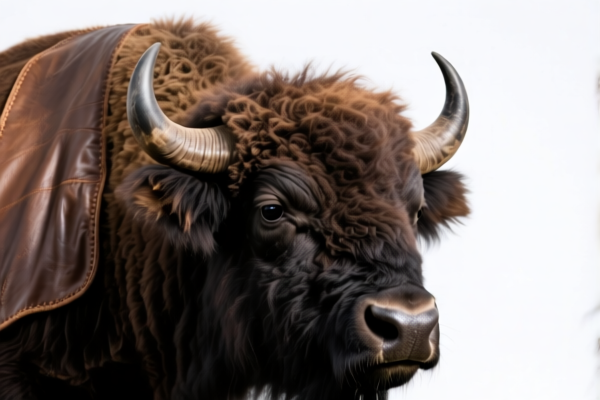
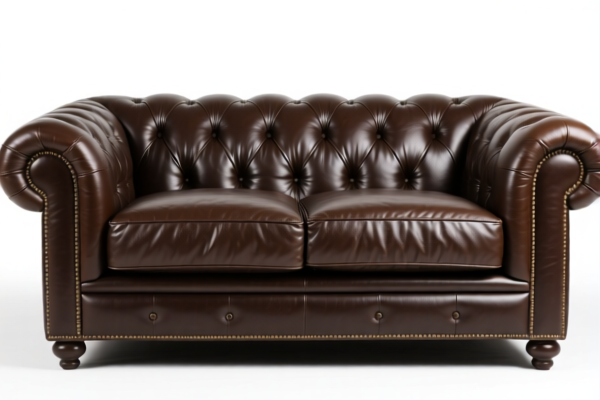
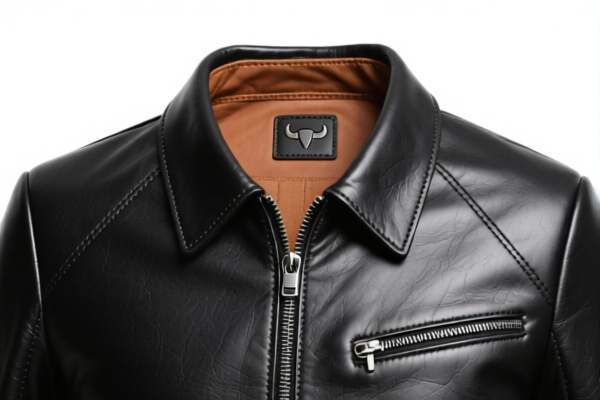
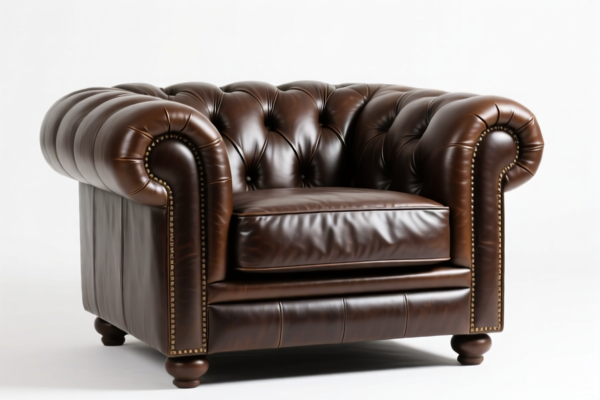
AI Analysis
🐂 Whole Buffalo Leather for Furniture (Unprocessed & Processed)
🌐 HS Code Reference & Customs Clearance Guide | 2026 Latest Tariff Analysis | Professional Entry Strategy
📌 I. Product Definition & Classification: What Exactly is "Whole Buffalo Leather for Furniture"?
In international trade, "Whole Buffalo Leather for Furniture" is not a single unified commodity. Its classification depends entirely on its tanning state (raw vs. processed) and physical form (whole hide vs. split).
The term broadly covers two distinct categories under Chapter 41 (Leather):
- Raw/Unprocessed Hides (Crd): Whole buffalo hides that have been salted or dried but not yet chemically tanned or dressed for final use.
- Processed/Finished Leather: Hides that have undergone the tanning process (e.g., crust leather, finished leather) and are ready for upholstery, sofas, and interior furnishing.
⚠️ Key Distinction Point:
- If the material is untanned raw hide (white salted, dry, or green), it falls under Heading 4101.
- If the material is tanned/finished (ready for furniture), it falls under Heading 4104 or 4107.
- Misclassification Risk: Declaring raw hides as finished leather (or vice versa) leads to severe duty mismatches and customs delays.
📦 II. HS Code Classification Details (2026 Latest Tariff Cross-Reference)
Based on the provided data, here are the specific HS codes matched to Water Buffalo Hide (Whole) intended for furniture applications.
| HS Code | Product Description | Applicable State | Furniture Relevance |
|---|---|---|---|
4104.41.30.60 |
Tanned leather, whole size, bovine (including buffalo), smooth-grain | ✅ Finished/Processed | Primary Match: Standard finished buffalo leather for upholstery. |
4101.20.35.00 |
Unprocessed bovine (including buffalo) hides, whole, weight > 120 kg | ❌ Raw/Unprocessed | Raw Material: Salted/dried raw hides before tanning. |
4104.11.30.10 |
Tanned leather, whole size, bovine (including buffalo), smooth-grain (Shoe upper type) | ✅ Finished/Processed | Secondary Match: Material matches form, but end-use is shoe. Still classified under processed leather. |
4101.50.35.00 |
Unprocessed bovine (including buffalo) hides, whole, weight 60-120 kg | ❌ Raw/Unprocessed | Raw Material: Smaller raw hides before tanning. |
4107.91.50.00 |
Tanned leather, whole size, bovine (including buffalo), full-grain, for furnishing | ✅ Finished/Processed | Premium Match: Specifically noted for "furnishing laying" use, full-grain. |
🔍 Critical Reminder:
-4101.xxxxcodes apply ONLY to raw, un-tanned hides.
-4104.xxxxand4107.xxxxcodes apply to tanned/finished leather.
- If your product is a "buffalo hide ready to be sewn into a sofa," you are likely in the 4104/4107 range. If it is a "salted hide waiting for a tannery," you are in the 4101 range.
💰 III. 2026 Latest Tariff Rate Breakdown (Including Surtaxes & Policy Add-ons)
✅ Applicable Country: China (CN) Export / US Import Context
✅ Commodity: Whole Buffalo Leather (Bovine)
✅ Effective Time: Current regulations including Section 122 and 301 duties.
🎯 1. 4104.41.30.60 & 4104.11.30.10 —— Processed Buffalo Leather (Furniture/Shoe Use)
These codes represent finished or semi-finished tanned leather. They are subject to significant trade barriers.
| Item | Content |
|---|---|
| Base Duty Rate | 2.4% (Most Favored Nation / Standard) |
| Additional Duty (Trade War) | 0.0% (No Section 301 surcharge for these specific sub-codes in this dataset) |
| Section 122 Duty | 10% (Specific add-on for certain leather categories) |
| Total Effective Tax Rate | 12.4% |
| Tax Calculation | CIF Value × 12.4% |
| Legal Basis Path | Base Rate (2.4%) + Sec 122 (10%) |
📌 Explanation:
- Although the base duty is low (2.4%), the 10% Section 122 duty significantly impacts the total cost.
- This applies to processed leather. If you declare processed leather but it is found to be raw, or vice versa, penalties apply.
- Note:4104.11.30.10is listed here because the material form (whole, bovine) matches, even if the summary mentions "shoe upper." The tariff structure for whole bovine leather is consistent here.
🎯 2. 4101.20.35.00 & 4101.50.35.00 —— Unprocessed Raw Buffalo Hides
These codes represent raw, un-tanned hides. They carry the highest tariff burden due to combined trade sanctions.
| Item | Content |
|---|---|
| Base Duty Rate | 2.4% |
| Additional Duty (Trade War) | 7.5% (Section 301 Surcharge) |
| Section 122 Duty | 10% |
| Total Effective Tax Rate | 19.9% |
| Tax Calculation | CIF Value × 19.9% |
| Legal Basis Path | Base (2.4%) + Section 301 (7.5%) + Sec 122 (10%) |
📌 Critical Warning:
- 19.9% is a very high effective rate.
- The 7.5% Section 301 duty applies specifically to these raw hide classifications in this dataset.
- Do not confuse raw hides with finished leather. If you ship raw hides but label them as "finished furniture leather," customs may reclassify and apply penalties, or if you ship finished leather as "raw," you might be under-declaring duties if the system expects a different code.
🎯 3. 4107.91.50.00 —— Full-Grain Furnishing Leather
A premium classification specifically identified for furnishing laying use.
| Item | Content |
|---|---|
| Base Duty Rate | 2.8% (Slightly higher base due to specific sub-heading) |
| Additional Duty (Trade War) | 0.0% |
| Section 122 Duty | 10% |
| Total Effective Tax Rate | 12.8% |
| Tax Calculation | CIF Value × 12.8% |
| Legal Basis Path | Base (2.8%) + Sec 122 (10%) |
📌 Note:
- This code has a 0.4% higher base duty than4104codes but avoids the Section 301 surcharge (similar to4104).
- It is specifically tailored for furniture applications ("laying use"). Use this if your product is high-quality full-grain leather intended strictly for upholstery.
🛠️ IV. Customs Clearance Practical Advice (Battle-Tested Guide)
✅ 1. Required Documentation Checklist (Non-Negotiable)
| Document | Mandatory? | Purpose |
|---|---|---|
| ✅ Commercial Invoice | ✔️ | Must clearly state: "Whole Buffalo Hide, [Weight], [Tanned/Untanned], For Furniture Use." |
| ✅ Packing List | ✔️ | Detail gross/net weight, number of hides, and dimensions. |
| ✅ Certificate of Origin | ✔️ | Crucial for verifying country of origin to apply correct Section 301/Sec 122 rules. |
| ✅ Processing Sheet / Tanning Certificate | ✔️ | Critical: Proves if the hide is Raw (4101) or Tanned (4104/4107). |
| ✅ Product Photos | ✔️ | Show the grain side, flesh side, and any markings/labels. |
| ✅ Weight Declaration | ✔️ | Raw hides (4101) are heavily tied to weight brackets (>120kg vs 60-120kg). |
✅ 2. Declaration Strategy (Key Mantras)
🔥 “Know Your State: Raw vs. Tanned; Check the Weight; Declare the Use!”
| Scenario | Correct HS Code Range | Common Mistake | Consequence |
|---|---|---|---|
| Salted/Dried Raw Hide | 4101.20.35.00 or 4101.50.35.00 |
Declaring as "Finished Leather" | 19.9% vs 12.4%: You might try to underpay, but customs will reclassify and penalize. |
| Finished Furniture Leather | 4104.41.30.60 or 4107.91.50.00 |
Declaring as "Raw Hide" | Wrong classification leads to delays; also, duty differences exist. |
| Weight < 60kg | Not in dataset | Forcing 4101 codes |
Data provided is for whole hides >60kg. Verify if smaller hides have different codes. |
| Split Leather (Not Whole) | Not in dataset | Declaring as "Whole Hide" | Fraud Risk: Splits are different HS codes with different duties. |
✅ 3. Special Situations & Pitfalls
| Situation | Handling Advice |
|---|---|
| Mixed Batches (Raw & Finished) | Never mix in one shipment declaration. Ship separately or clarify packaging. Mixed shipments cause total rejection. |
| "Furniture Use" Ambiguity | If using 4104.11.30.10 (Shoe Upper code) for furniture, be prepared to explain why. Prefer 4104.41.30.60 or 4107.91.50.00 for furniture. |
| Section 122 Impact | Remember: All listed codes here carry a 10% Section 122 duty. This is a fixed add-on. Do not try to avoid it by mislabeling unless the product truly falls outside Chapter 41. |
| Origin Verification | Ensure the Certificate of Origin matches the importer's claims. Errors here trigger the 7.5% Section 301 or higher penalties. |
🌍 V. Global Market Comparison (2026 Context)
| Region | Recommended HS Code | Est. Total Duty | Key Requirement |
|---|---|---|---|
| 🇨🇳 China (Export) | 4101 / 4104 / 4107 |
Varies by dest. | Accurate tanning status declaration. |
| 🇺🇸 USA (Import) | 4104.41.30.60 |
12.4% | Section 122 (10%) + Base (2.4%). No Sec 301 on this specific sub-code in dataset. |
| 🇺🇸 USA (Import - Raw) | 4101.20.35.00 |
19.9% | Section 301 (7.5%) + Sec 122 (10%) + Base (2.4%). High Cost! |
| 🇪🇺 EU | Similar (4101/4104) | ~10-12% | CE marking not required for raw leather; ensure REACH compliance for chemicals in tanning. |
📌 Conclusion:
- Finished Leather (4104/4107) is cheaper to import into the US under these specific rules (12.4%) than Raw Hides (19.9%).
- However, Raw Hides (4101) are subject to the 7.5% Section 301 tariff in this dataset, making them significantly more expensive.
- Strategy: If you are exporting from China, ensure your tanning status is correctly documented to avoid unexpected 7.5% surcharges if misclassified.
📌 VI. Common Errors & Pitfall Avoidance (Lessons Learned)
❌ Error 1: Declaring Raw Hides as Finished Leather to avoid Sec 301.
👉 Consequence: Customs labs will test the chemical composition. If tanning agents are missing, it will be reclassified to 4101, and you will owe the difference + fines.
❌ Error 2: Ignoring the Section 122 Duty.
👉 Consequence: All codes in this list include a 10% Sec 122 duty. If your broker omits this, the shipment will be held, and you will face back-taxes and storage fees.
❌ Error 3: Confusing Weight Brackets for Raw Hides.
👉 Consequence: 4101.20.35.00 is for >120kg, 4101.50.35.00 is for 60-120kg. Misdeclaring weight can lead to incorrect HS code assignment and audits.
✅ Correct Approach:
"Specify State: Tanned or Untanned? Specify Weight: >120kg or 60-120kg? Specify Use: Furniture or Shoe?"
🎯 VII. Conclusion: Professional Clearance, Cost Control, Efficiency!
🎯 Remember the Mantras:
🔹 "Raw Hides = 19.9% (High Tax) | Finished Leather = 12.4%~12.8% (Lower Tax)"
🔹 "Section 122 is 10% everywhere here. Don't forget it!"
🔹 "Tanning Certificate is your best friend. Keep it ready."
📌 Pro Tip:
If your supplier provides crust leather (tanned but not finished), it still falls under 4104 or 4107 (Processed), not 4101 (Raw). Ensure your invoice says "Tanned Buffalo Leather" not "Raw Hide" to apply the correct 12.4% rate instead of 19.9%.
📣 Immediate Action:
📞 Contact your customs broker BEFORE shipment.
📄 Provide the Tanning Certificate and Weight Details.
🚀 Apply for a Binding Tariff Information (BTI) or Advance Ruling if importing large volumes to lock in the 12.4% rate for finished goods.
✨ Professional clearance starts with accurate classification!
💼 Every percentage point counts in leather trade!
Customer Reviews
About HS Code Classification
The Harmonized System (HS) is an internationally standardized nomenclature developed by the World Customs Organization (WCO) to classify traded products. Over 200 countries use the HS system as the basis for customs tariffs, trade statistics, and import/export regulations.
Each HS code follows a hierarchical structure:
- Chapter (2 digits) — Broad category of goods (e.g., Chapter 84: Machinery and Mechanical Appliances)
- Heading (4 digits) — More specific grouping within the chapter
- Subheading (6 digits) — Internationally standardized breakdown, used by all WCO member countries
- National subdivisions (8-10 digits) — Country-specific extensions for further classification, such as US HTSUS 10-digit codes
Correct HS code classification is essential for smooth customs clearance, accurate duty payment, and compliance with trade regulations. Misclassification can lead to customs delays, overpayment of duties, or penalties.
When importing from CN to US, the applicable tariff rates may include:
- Most-Favored-Nation (MFN) rate — The standard duty rate applied to WTO members
- General rate — Applied to countries without trade agreements
- Trade remedy duties — Additional tariffs such as Section 301 (anti-dumping), Section 232 (national security), or countervailing duties
The information provided on this page is for reference purposes only. For official classification, please consult with your local customs authority or a licensed customs broker.