Whole Horsehide Unsplit Full Grain Unrefined Leather
CN → US| HS Code | Tariff Rate | Origin | Destination | Doc |
|---|---|---|---|---|
| 4107917090 | 15.0% | CN | US | Official Doc |
| 4104411020 | 35.0% | CN | US | Official Doc |
| 4107117090 | 15.0% | CN | US | Official Doc |
| 4101501091 | 17.5% | CN | US | Official Doc |
| 4101201020 | 17.5% | CN | US | Official Doc |
| 4104415000 | 13.3% | CN | US | Official Doc |
Product Images
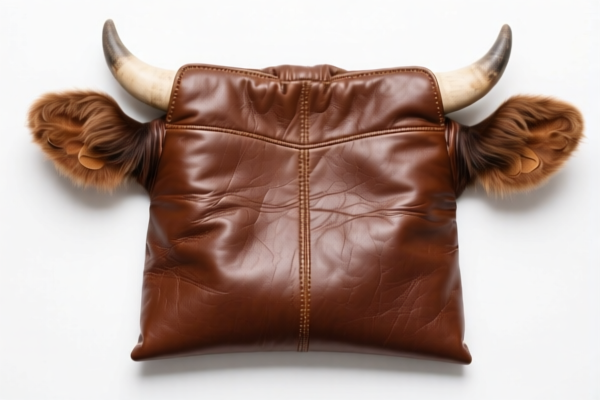

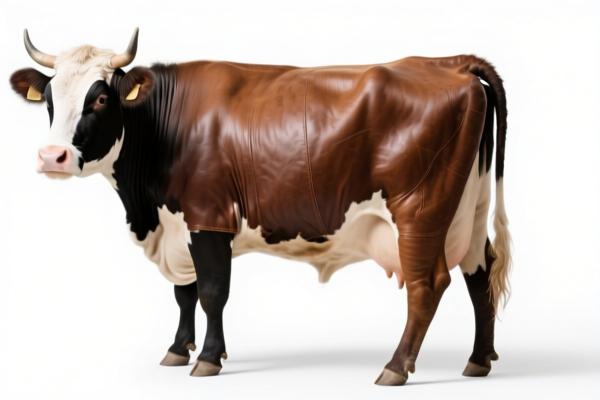
AI Analysis
🐎 Full Grain Unsplit Horsehide Leather (Unrefined)
🌐 HS Code Reference & Clearance Guide | 2026 Latest Tariff Analysis | Professional Customs Strategy
📌 I. Product Definition & Classification: What Exactly is "Unrefined Horsehide"?
This product is described as "Whole Horsehide Unsplit Full Grain Unrefined Leather." In international trade, this refers to leather derived from horse hide (Equidae) that has undergone tanning but remains in its natural grain state (full grain), has not been split (unsplit/thickness retained), and is unrefined (natural surface, no heavy pigment/coating).
Key Distinctions for Classification: * Material: Horsehide (vs. Cowhide/Bovine). * State: Tanned/Processed (Leather), not raw skin. * Structure: Unsplit (Whole thickness), Full Grain (Outer layer intact). * Finish: Unrefined (Natural texture preserved).
⚠️ Critical Classification Nuance:
- The distinction between Chapter 41 (Leather) subheadings often depends on whether the product is considered "other" (non-bovine) or if specific "horse" categories exist.
- Note: The provided data contains a mix of HS Codes referencing Horse (4107, 4101) and Cow/Bovine (4104). See Section II for detailed mapping based on the provided valid matches.
📦 II. HS Code Classification Details (Based on Provided Data)
The following table maps the product description to the valid HS Codes found in the input data, along with their specific tax implications.
| HS Code | Product Description Summary | Key Attributes Match | Total Tax Rate |
|---|---|---|---|
4107.91.70.90 |
Full Grain Horse Leather, Unsplit, Non-Specific Use | ✅ Horsehide, Full Grain, Unsplit, "Other" category | 15.0% |
4104.41.10.20 |
Full Grain Bovine Leather (Cow/Horse mix in data) | ✅ Full Grain, Dry State, "Bovine" classification in data | 35.0% |
4107.11.70.90 |
Full Grain Horse Leather, Unsplit/Unseparated | ✅ Horsehide, Full Grain, Unsplit, "Other" category | 15.0% |
4101.50.10.91 |
Unpreprocessed/Unrefined Horsehide (Raw Skin context) | ✅ Horse, Full Grain, Unrefined/Unpreprocessed | 17.5% |
4101.20.10.20 |
Unpreprocessed Horsehide (Equidae) | ✅ Horsehide, Full Grain, Unrefined | 17.5% |
4104.41.50.00 |
Full Grain Horsehide (Bovine Code in data) | ✅ Horsehide, Full Grain, Tanned/Semi-Tanned | 13.3% |
🔍 Key Insight from Data:
- The system identifies Horsehide primarily under 4107 (Leather) and 4101 (Raw Skins/Unrefined).
- Two codes (4104.41.10.20and4104.41.50.00) are labeled under 4104 (Bovine Leather) in the data but matched to "Horsehide." This suggests a potential data mapping overlap or specific regulatory handling where horsehide may be grouped with bovine for certain tariff lines. Use caution and verify with local customs.
- Lowest Tax:4104.41.50.00at 13.3%.
- Highest Tax:4104.41.10.20at 35.0%.
- Standard Horse Leather Tax:4107.xxcodes at 15.0%.
💰 III. 2026 Latest Tariff Rate Breakdown (Detailed Tax Clauses)
✅ Applicable Country: USA (US)
✅ Origin: China (CN)
✅ Effective Date: Post-November 2025 (Current 2026 Context)
🎯 1. 4107.91.70.90 & 4107.11.70.90 — Horse Leather (Other, Full Grain)
Best for: Standard Tanned Horsehide, Unsplit, Natural Finish
| Item | Content |
|---|---|
| Base Duty | 5.0% (Ad Valorem) |
| Section 301 / Additional Duty | 0.0% |
| 122 Clause Duty | 10.0% |
| Total Rate | 15.0% |
| Tax Calculation | CIF Value × 15% |
| De Minimis Eligibility | ❌ No (High-risk commodity for small parcels) |
| Legal Basis Path | HTSUS:4107.91.70.90 → Section 301: 0% → 122 Clause: 10% |
📌 Explanation:
- Base 5%: Standard MFN rate for "Other leather" of equidae.
- 122 Clause (10%): A specific trade provision (often related to retaliatory tariffs or specific trade agreement penalties) adding 10%.
- No Section 301: This specific subheading appears exempt from the 25% Section 301 tariff, making it more favorable than bovine leather in some cases.
🎯 2. 4101.50.10.91 & 4101.20.10.20 — Unrefined/Unpreprocessed Horsehide
Best for: Lightly Tanned, "Unrefined" Surface, Raw-State Leather
| Item | Content |
|---|---|
| Base Duty | 0.0% |
| Section 301 / Additional Duty | 7.5% |
| 122 Clause Duty | 10.0% |
| Total Rate | 17.5% |
| Tax Calculation | CIF Value × 17.5% |
| De Minimis Eligibility | ❌ No |
| Legal Basis Path | HTSUS:4101.xx → Section 301: 7.5% → 122 Clause: 10% |
📌 Explanation:
- Base 0%: Raw/unprocessed hides often have lower base duties.
- 7.5% Additional: Likely a specific anti-dumping or countervailing duty (CVD/AD) or a specific Section 301 rate for raw hides.
- 122 Clause (10%): Still applies.
- Total 17.5%: Higher than the tanned4107codes due to the 7.5% additional duty.
🎯 3. 4104.41.50.00 — Horsehide Classified under Bovine Leather
Best for: Specific Tanned Horsehide, Full Grain
| Item | Content |
|---|---|
| Base Duty | 3.3% |
| Section 301 / Additional Duty | 0.0% |
| 122 Clause Duty | 10.0% |
| Total Rate | 13.3% |
| Tax Calculation | CIF Value × 13.3% |
| De Minimis Eligibility | ❌ No |
| Legal Basis Path | HTSUS:4104.41.50.00 → Section 301: 0% → 122 Clause: 10% |
📌 Explanation:
- Lowest Tax Bracket (13.3%): If customs accepts this classification for horsehide, it is the most cost-effective.
- Why? Base duty is low (3.3%) and no additional Section 301 tax.
- Risk: Must ensure documentation supports "Horsehide" despite being under a "Bovine" code. Misclassification can lead to penalties.
🎯 4. 4104.41.10.20 — Horsehide Classified under Bovine Leather (High Tax)
Best for: Specific Dry-State Bovine/Horse Leather
| Item | Content |
|---|---|
| Base Duty | 0.0% |
| Section 301 / Additional Duty | 25.0% |
| 122 Clause Duty | 10.0% |
| Total Rate | 35.0% |
| Tax Calculation | CIF Value × 35.0% |
| De Minimis Eligibility | ❌ No |
| Legal Basis Path | HTSUS:4104.41.10.20 → Section 301: 25% → 122 Clause: 10% |
📌 Explanation:
- Highest Tax (35.0%): Includes the full 25% Section 301 tariff.
- Avoid if Possible: This classification is significantly more expensive. Only use if no other code fits the physical description.
🛠️ IV. Customs Clearance Practical Advice (Anti-Pitfall Guide)
✅ 1. Document Checklist (Essential)
| Document | Required? | Notes |
|---|---|---|
| ✅ Product Specification Sheet | ✔️ | Must clearly state: "Horsehide," "Full Grain," "Unsplit," "Unrefined/Natural." |
| ✅ Material Certificate | ✔️ | Proof of animal origin (Horse/Equidae). |
| ✅ Photos (Label/Grain) | ✔️ | Show natural grain texture (full grain) and lack of splitting. |
| ✅ Commercial Invoice | ✔️ | Declare exact HS Code and description. |
| ✅ Packing List | ✔️ | Weight, dimensions, number of hides/pieces. |
✅ 2. Declaration Tips (Key Mnemonic)
🔥 "Horse is Horse, Not Cow; Unsplit Full Grain, Tax Can Vary!"
| Scenario | Correct HS Code Approach | Wrong Approach |
|---|---|---|
| Tanned Horsehide, Full Grain | 4107.91.70.90 or 4107.11.70.90 (15%) |
Misclassifying as 4104 (Bovine) with 25% tax. |
| Unrefined/Unprocessed | 4101.xx (17.5%) |
Declaring as "Finished Leather" to avoid raw hide regulations. |
| Cost-Optimized | 4104.41.50.00 (13.3%) if supported |
Assuming all Bovine codes are 35%. |
| Split Leather | ❌ Not applicable | This product is Unsplit. Splitting changes classification. |
✅ 3. Special Handling
| Situation | Recommendation |
|---|---|
| Customs Query on Origin | Provide veterinary certificates or supplier declarations confirming Equidae origin. |
| 122 Clause Application | Ensure the 122 Clause (10%) is correctly applied in the entry summary. It is a fixed add-on in all provided codes. |
| Section 301 Exemption | Verify if the specific 4107 subheadings are truly exempt from the 25% tariff (as indicated by 0% additional tax in data). |
| De Minimis (Section 321) | Not Eligible. Leather goods from China are subject to scrutiny and taxes. Do not use de minimis for commercial shipments. |
🌍 V. Global Market Clearance Comparison (2026)
| Country/Region | Recommended HS Code | Estimated Duty | Certification/Notes |
|---|---|---|---|
| 🇺🇸 USA | 4107.91.70.90 |
15.0% | 122 Clause (10%) + Base (5%). No 301. |
| 🇨🇳 China | 4107.11.00.00 |
8.0%-10% | Check local MOFCOM updates. |
| 🇪🇺 EU | 4107 20 00 |
4.0% | Standard MFN for equidae leather. No additional tariffs. |
| 🇬🇧 UK | 4107 20 00 |
4.0% | Post-Brexit tariff alignment with EU. |
| 🇯🇵 Japan | 4107.11.000 |
1.5% | Very low duty for equidae leather. |
📌 Conclusion:
- USA has a complex tariff structure due to the 122 Clause (10%), but hides from equidae generally avoid the harsh 25% Section 301 tariff when classified correctly under4107.
- EU/UK/Japan are significantly more favorable, with rates under 5%.
- Risk Area: Misclassifying horsehide as bovine (4104) can trigger the 35% tax in the US.
📌 VI. Common Errors & Pitfalls (Blood & Tears Lessons)
❌ Error 1: Declaring "Horsehide" as "Cowhide" to simplify paperwork
👉 Consequence: If caught, penalties + back taxes. If wrongly classified as 4104.41.10.20, you pay 35% instead of 15%.
❌ Error 2: Ignoring the 122 Clause (10%)
👉 Consequence: Underpayment of duty → Customs audit, fines, and shipment delay.
❌ Error 3: Claiming "Unrefined" for Fully Tanned Leather
👉 Consequence: Misclassification. Tanned leather belongs in 4107, not 4101. 4101 (17.5%) is higher than 4107 (15%).
❌ Error 4: Assuming De Minimis Applies
👉 Consequence: Seizure of goods. Leather from China is not eligible for Section 321 de minimis entry.
✅ Correct Declaration Example:
"Horsehide Leather, Full Grain, Unsplit, Unrefined Finish, Tanned. HS: 4107.91.70.90. Origin: China. Subject to 15% Duty (5% Base + 10% 122 Clause)."
🎯 VII. Conclusion: Professional Declaration for Cost Efficiency
🎯 Key Takeaways:
🔹 Best Tax Rate:
4104.41.50.00at 13.3% (if accepted for horsehide).
🔹 Safest Standard Rate:4107.91.70.90at 15.0% (Explicitly Horse, No 301).
🔹 Avoid:4104.41.10.20at 35.0% (High 301 tariff).
🔹 Always Account For: The 122 Clause (10%) on all these codes.
📌 Pro Tip:
- For high-value shipments, consider applying for an Advance Ruling (Pre-Ruling) from CBP to confirm the applicability of
4107vs.4104for your specific horsehide product.- Ensure your supplier's description matches the Customs Declaration exactly: "Horsehide," not just "Leather."
📣 Immediate Action:
📞 Contact your customs broker with the product photos and specification sheet.
🚀 Verify the 122 Clause application in your entry software.
💼 Optimize your HS Code to4107.91.70.90or4104.41.50.00to save up to 22% in duties compared to the highest bracket.
✨ Professional Clearance Starts with Precise Classification!
💼 Your Duty Cost is Calculated to the Cent!
Customer Reviews
About HS Code Classification
The Harmonized System (HS) is an internationally standardized nomenclature developed by the World Customs Organization (WCO) to classify traded products. Over 200 countries use the HS system as the basis for customs tariffs, trade statistics, and import/export regulations.
Each HS code follows a hierarchical structure:
- Chapter (2 digits) — Broad category of goods (e.g., Chapter 84: Machinery and Mechanical Appliances)
- Heading (4 digits) — More specific grouping within the chapter
- Subheading (6 digits) — Internationally standardized breakdown, used by all WCO member countries
- National subdivisions (8-10 digits) — Country-specific extensions for further classification, such as US HTSUS 10-digit codes
Correct HS code classification is essential for smooth customs clearance, accurate duty payment, and compliance with trade regulations. Misclassification can lead to customs delays, overpayment of duties, or penalties.
When importing from CN to US, the applicable tariff rates may include:
- Most-Favored-Nation (MFN) rate — The standard duty rate applied to WTO members
- General rate — Applied to countries without trade agreements
- Trade remedy duties — Additional tariffs such as Section 301 (anti-dumping), Section 232 (national security), or countervailing duties
The information provided on this page is for reference purposes only. For official classification, please consult with your local customs authority or a licensed customs broker.