Whole Wild Mink Skin with Claws
CN → US| HS Code | Tariff Rate | Origin | Destination | Doc |
|---|---|---|---|---|
| 4103901190 | 17.5% | CN | US | Official Doc |
| 4302110010 | 37.1% | CN | US | Official Doc |
| 4302110020 | 37.1% | CN | US | Official Doc |
| 4301800260 | 17.5% | CN | US | Official Doc |
| 4301900000 | 10.0% | CN | US | Official Doc |
Product Images
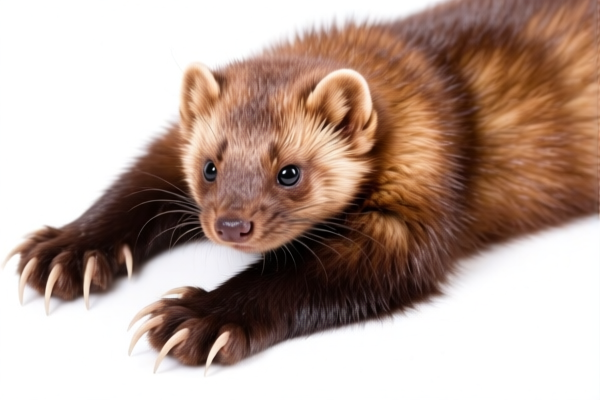
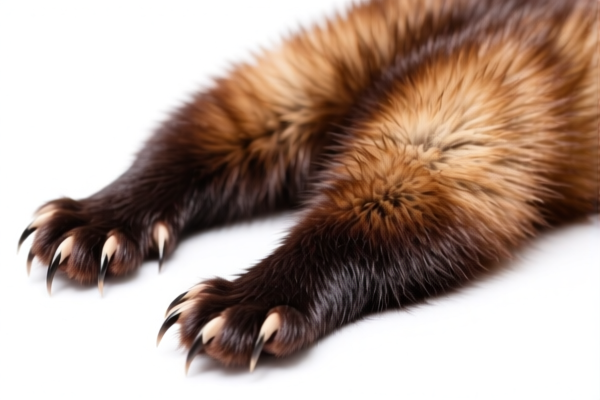
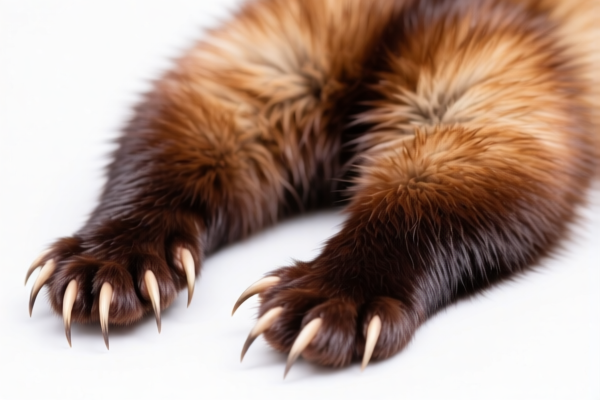
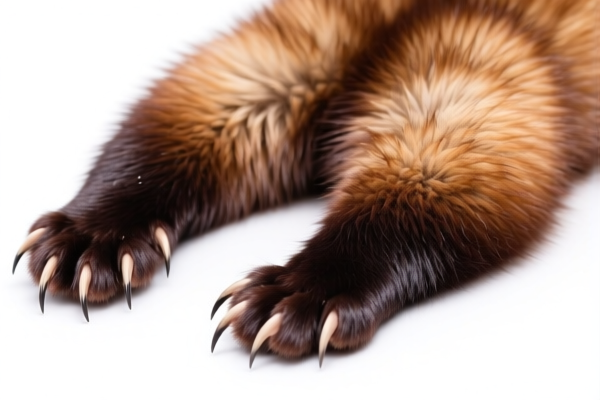
AI Analysis
🐾 Whole Wild Mink Skins with Claws (Raw & Tanned Variants)
🌐 HS Code Reference & Customs Clearance Guide | 2026 Latest Tariff Analysis | Professional Clearance Strategy
Mink skins are high-value luxury materials used in the fashion industry. However, their classification and taxation depend strictly on processing status (raw vs. tanned) and product integrity (whole vs. fragments). Misclassification can lead to significant tariff discrepancies and customs delays.
⚠️ Critical Distinction: - Raw (Un-tanned): Skins preserved by salting or chilling, not yet chemically processed for leather use. - Tanned (Leather): Skins that have undergone chemical or physical processing to become durable leather. - With Claws/Head/Feet: Specifies the degree of completeness of the skin.
📦 1. HS Code Classification Details (2026 Authoritative Match)
Based on the provided <DATA>, here is the precise mapping for "Whole Wild Mink Skin with Claws". Note that "Mink" (水貂) and "Zibeline/Sable" (紫貂) are often grouped or distinguished by species, but for general mink imports, Chapter 41 (Raw Hides) and Chapter 43 (Prepared Furs) are the key categories.
| HS Code | Product Description | Taxonomy | Status |
|---|---|---|---|
4103.90.11.90 |
Raw Mink Skins with Claws (Whole skins, raw/un-tanned) |
Raw Hides (Chapter 41) | ✅ Un-tanned (Raw/Preserved) |
4302.11.00.10 |
Whole Mink Skins with Head (Tanned, unassembled) |
Prepared Furs (Chapter 43) | ✅ Tanned (Raw state before assembly) |
4302.11.00.20 |
Whole Mink Skins with Head (Tanned, unassembled, fully processed) |
Prepared Furs (Chapter 43) | ✅ Tanned (Finished leather state) |
🔍 Key Clarification: - The user input "Whole Wild Mink Skin with Claws" most directly aligns with
4103.90.11.90if the skins are raw/un-tanned. - If the skins are tanned (processed into leather but not sewn into garments), they fall under4302.11.00.10or4302.11.00.20. - Note on "Zibeline": The data also includes HS codes for Zibeline/Sable (4301.80.02.60,4301.90.00.00). While Mink (水貂) and Zibeline (紫貂) are different species, if your "Wild Mink" is actually high-grade Sable, check4301.80.02.60. However, standard "Mink" (Mustela vison) generally falls under the4302.11series.
💰 2. 2026 Latest Tariff Rate Breakdown (Detailed Tax Analysis)
✅ Applicable Country: China (CN) Exporting to US (US)
✅ Origin: China (CN)
✅ Effective Time: Current Trade War Tariffs (Section 301 & Section 232/122 Clause)
🎯 A. 4103.90.11.90 —— Raw Mink Skins with Claws (Un-tanned)
| Item | Detail |
|---|---|
| Basic Duty | 0.0% |
| Additional Tariff (Section 301) | +7.5% |
| Section 122 Tariff | +10.0% |
| Total Tax Rate | 17.5% |
| Tax Calculation | CIF Value × 17.5% |
| De Minimis Eligibility | ❌ Not Eligible (High-value textile/fur goods are restricted) |
| Legal Basis | Standard MFN + Section 301 + Section 122 Specifics |
📌 Explanation:
- Raw hides have a 0% basic duty, which is significantly lower than tanned leather.
- The 17.5% total rate is composed of the 7.5% Section 301 tariff and the 10% Section 122 tariff.
- Why this code? If the skin is merely salted/dried (raw) and retains claws/head, it is classified under Chapter 41 (Raw Hides), attracting lower base duties but still subject to trade war surcharges.
🎯 B. 4302.11.00.10 & 4302.11.00.20 —— Tanned Whole Mink Skins (With Head)
| Item | Detail |
|---|---|
| Basic Duty | 2.1% |
| Additional Tariff (Section 301) | +25.0% |
| Section 122 Tariff | +10.0% |
| Total Tax Rate | 37.1% |
| Tax Calculation | CIF Value × 37.1% |
| De Minimis Eligibility | ❌ Not Eligible |
| Legal Basis | Standard MFN + Section 301 + Section 122 Specifics |
📌 Explanation:
- Once the mink skin is tanned (processed into leather), it moves to Chapter 43.
- The basic duty increases to 2.1%.
- The Section 301 tariff jumps to 25% (standard high-tier rate for many leather/fur products), leading to a total of 37.1%.
-4302.11.00.10vs4302.11.00.20: Both have the same tax rate (37.1%). The distinction is administrative (e.g., unassembled vs. specific processing stage), but the financial impact is identical.
🎯 C. Special Case: 4301.80.02.60 & 4301.90.00.00 (Zibeline/Sable Comparison)
If your "Wild Mink" is actually Zibeline (Sable), the rates differ:
| HS Code | Product | Total Tax | Breakdown |
|---|---|---|---|
4301.80.02.60 |
Whole Zibeline Skins with Claws | 17.5% | 0% Basic + 7.5% Sec 301 + 10% Sec 122 |
4301.90.00.00 |
Zibeline Skins (Fragments/Parts) | 10.0% | 0% Basic + 0% Sec 301 + 10% Sec 122 |
⚠️ Warning: Do not misdeclare Mink as Sable to claim lower rates. Customs will inspect physical specimens.
🛠️ 3. Customs Clearance Practical Advice (Avoiding Pitfalls)
✅ 1. Essential Documentation Checklist
| Document | Required? | Description |
|---|---|---|
| ✅ Commercial Invoice | ✔️ | Must clearly state: "Raw Mink Skins" OR "Tanned Mink Skins", not just "Mink Pelts". |
| ✅ Packing List | ✔️ | Detail number of skins, average weight, and whether heads/claws/feet are included. |
| ✅ Species Declaration | ✔️ | Confirm Mustela vison (Mink) vs. Martes zibellina (Zibeline). Misidentification leads to severe penalties. |
| ✅ CITES Permit | ✔️ | If wild-caught, verify CITES status. Most farmed mink are exempt, but wild mink may require CITES documentation. |
| ✅ Processing Certificate | ✔️ | Prove whether skins are "Raw" (salted) or "Tanned" to justify HS Code 41 vs 43. |
✅ 2. Declaration Best Practices
🔥 "Raw is 17.5%, Tanned is 37.1%: Know Your State!"
| Scenario | Correct HS Code | Reason |
|---|---|---|
| Skins are salted/chilled, claws/head attached, not chemically tanned | 4103.90.11.90 |
Classified as Raw Hide. Lower base duty (0%). |
| Skins are tanned (leather texture), but not sewn into garments | 4302.11.00.10 / .20 |
Classified as Prepared Fur. Higher base duty (2.1%) + higher Sec 301 (25%). |
| Skins are sewn into coats/jackets | Not in Data | Would fall under Chapter 42 or 61/62 (Garments). Different tax rules apply. |
| Skins are fragments (no head/claws) | 4301.90.00.00 (if Zibeline) |
Lower tax (10%) for Zibeline fragments. Check if Mink has a similar fragment code. (Data suggests Mink fragments may not have a specific low-rate code in the provided list, so assume full skin rates). |
✅ 3. Common Mistakes & Risks
❌ Mistake 1: Declaring Tanned Mink as Raw Mink (4103.90.11.90).
👉 Consequence: Tax evasion suspicion. Customs will inspect skin texture. If tanned, they will reassess at 37.1% + penalties + interest.
❌ Mistake 2: Declaring Mink as Zibeline/Sable (4301.80.02.60) to get lower tax.
👉 Consequence: Fraud. Mink and Sable are distinct species. Physical inspection will reveal size, fur thickness, and skin quality differences. Seizure is likely.
❌ Mistake 3: Ignoring Section 122 Tariff.
👉 Consequence: The 10% Section 122 tariff applies to both raw and tanned mink in the provided data. Forgetting this leads to underpayment.
🌍 4. Global Market Comparison (2026)
| Region | Recommended HS Code | Est. Total Duty | Notes |
|---|---|---|---|
| 🇺🇸 USA | 4103.90.11.90 (Raw) |
17.5% | Includes 7.5% Sec 301 + 10% Sec 122 |
| 🇺🇸 USA | 4302.11.00.10 (Tanned) |
37.1% | Includes 25% Sec 301 + 10% Sec 122 + 2.1% Basic |
| 🇨🇳 China | 4103.90.11.90 |
Low/Moderate | Check FTAs for reductions |
| 🇪🇺 EU | 4103.90.11 |
Varies | Generally lower than US, no Sec 301 equivalent |
📌 Conclusion:
- USA imposes significant additional tariffs on Chinese mink skins.
- Raw skins (17.5%) are significantly cheaper to import than Tanned skins (37.1%) due to lower Section 301 rates.
- Strategic Tip: If importing raw skins, ensure they are truly un-tanned. If they are already tanned, the cost difference is substantial.
📌 5. Final Clearance Checklist
- Verify Species: Is it Mink (Mustela vison) or Zibeline (Martes zibellina)?
- Verify State: Is it Raw (salted) or Tanned (leather)?
- Check Completeness: Does it have Head/Claws/Feet? (Affects HS Code sub-category).
- Calculate Tax:
- Raw Mink: 17.5%
- Tanned Mink: 37.1%
- Prepare Docs: Invoice, Packing List, CITES (if wild), Species Declaration.
🎯 Conclusion: Precision in Classification Saves Money
🔹 "Raw = 17.5%, Tanned = 37.1%: Don't Pay Double for the Same Skin!"
🔹 "Claws & Head: Required for Full Skin Classification, Avoid Fragment Codes for Mink"
🔹 "Section 122 is Always 10%: Factor it in Every Time"
📌 Pro Tip:
If you are importing large volumes, consider applying for an Advance Ruling from US Customs (CBP) to confirm the HS Code for your specific batch, especially if the distinction between "Raw" and "Tanned" is borderline.
📣 Immediate Action:
📞 Consult Customs Broker: Confirm if your supplier's "Tanned" process meets the specific definition for
4302.11.
📄 Document Everything: Keep photos of raw vs. tanned skins for audit purposes.
🚀 Optimize Supply Chain: If possible, import Raw Skins (17.5%) and process them domestically, if legally permitted and economically viable, to save 19.6% in duties.
✨ Smart Classification, Lower Costs, Faster Clearance!
💼 Your Fur Business Depends on Precise HS Codes!
Customer Reviews
About HS Code Classification
The Harmonized System (HS) is an internationally standardized nomenclature developed by the World Customs Organization (WCO) to classify traded products. Over 200 countries use the HS system as the basis for customs tariffs, trade statistics, and import/export regulations.
Each HS code follows a hierarchical structure:
- Chapter (2 digits) — Broad category of goods (e.g., Chapter 84: Machinery and Mechanical Appliances)
- Heading (4 digits) — More specific grouping within the chapter
- Subheading (6 digits) — Internationally standardized breakdown, used by all WCO member countries
- National subdivisions (8-10 digits) — Country-specific extensions for further classification, such as US HTSUS 10-digit codes
Correct HS code classification is essential for smooth customs clearance, accurate duty payment, and compliance with trade regulations. Misclassification can lead to customs delays, overpayment of duties, or penalties.
When importing from CN to US, the applicable tariff rates may include:
- Most-Favored-Nation (MFN) rate — The standard duty rate applied to WTO members
- General rate — Applied to countries without trade agreements
- Trade remedy duties — Additional tariffs such as Section 301 (anti-dumping), Section 232 (national security), or countervailing duties
The information provided on this page is for reference purposes only. For official classification, please consult with your local customs authority or a licensed customs broker.