Whole wheat sandwich bread
CN → US| HS Code | Tariff Rate | Origin | Destination | Doc |
|---|---|---|---|---|
| 1905901070 | 35.0% | CN | US | Official Doc |
| 1905909090 | 22.0% | CN | US | Official Doc |
Product Images
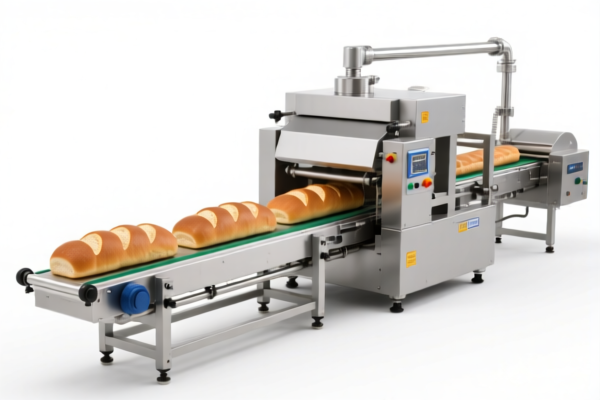
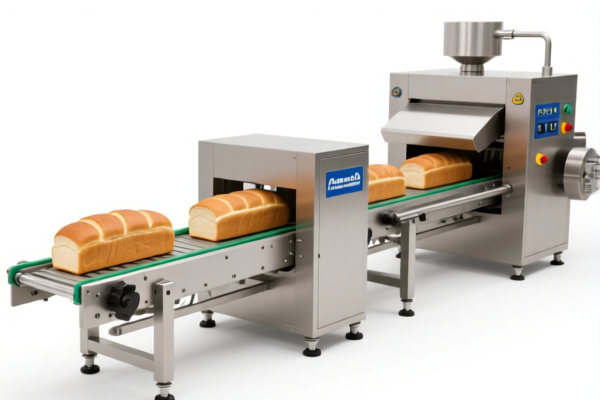
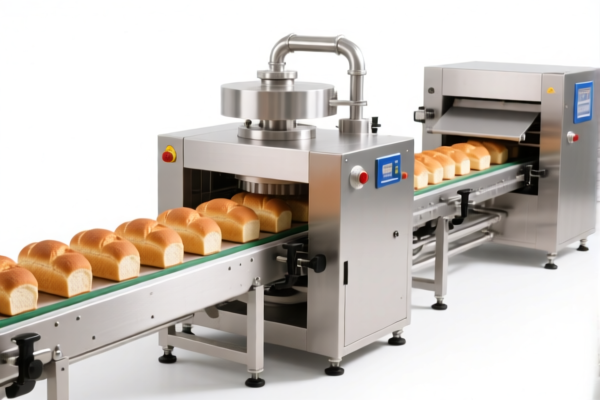
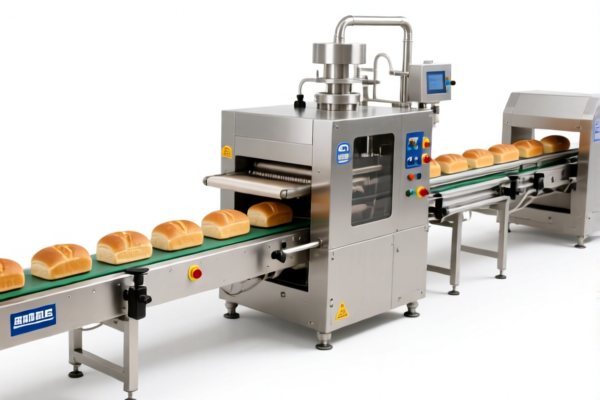
AI Analysis
🍞 Whole Wheat Sandwich Bread (1905.90.10.70 & 1905.90.90.90)
🌐 HS Code Reference & Customs Clearance Guide | 2026 Latest Tariff Analysis | Professional Strategy
📌 I. Product Definition & Classification: Understanding "Bread"
Whole Wheat Sandwich Bread is a staple bakery item made from flour containing the entire grain (bran, germ, and endosperm). In international trade, bakery products are broadly categorized under Chapter 19 (Preparations of Cereals, Flour, Starch or Milk; Pastrycooks’ Products). Specifically, bread falls under Heading 1905, which covers "Bread, pastry, cakes, biscuits and other bakers' wares, whether or not containing cocoa."
For "Sandwich Bread" specifically, it is distinct from pastries or cakes due to its primary function as a staple food item rather than a sweet dessert. The classification hinges on whether it is considered a standard "bread" product or a more processed "other" baked good.
⚠️ Key Distinction:
- If the product is strictly defined as Bread (leavened, sliced, packaged for sandwich use) → It may fall under 1905.90.10.70.
- If the product is considered a generic bakery item that doesn't fit the specific sub-category of "Bread" (or if the specific national tariff line for "Bread" is not available/applicable in certain contexts, though rare for US imports) → It falls under 1905.90.90.90.
Note: In the provided data, we have two distinct codes for "Bread" vs "Other". We must evaluate both based on the description.
📦 II. HS Code Classification Details (2026 Latest Tariff Authority)
Based on the provided <DATA>, here are the two potential classifications for Whole Wheat Sandwich Bread:
| HS Code | Product Description | Application Scenario | Tax Rate (Total) |
|---|---|---|---|
1905.90.10.70 |
Bread: Bread, pastry, cakes, biscuits and similar baked products, and puddings, whether or not containing chocolate, fruit, nuts or confectionery. Other: Bread | Standard sliced whole wheat sandwich bread, loaves, packaged bakery bread. | 25.0% |
1905.90.90.90 |
Other: Bread, pastry, cakes, biscuits and other bakers' wares... Other: Other | Generic bakery items not specified elsewhere, or if the "Bread" sub-heading is deemed inapplicable due to specific processing/form. | 12.0% |
🔍 Critical Analysis:
-1905.90.10.70is the most likely correct classification for standard "Whole Wheat Sandwich Bread" because the description explicitly lists "Bread" under the "Other: Bread" sub-category.
-1905.90.90.90is the residual category ("Other"). It should generally be avoided for standard bread unless there is a specific regulatory reason why it does not fit1905.90.10.70.
- Tax Difference: The difference between the two codes is 13% (25% vs 12%). Misclassification can lead to significant overpayment or, if under-reported, penalties.
💰 III. 2026 Latest Tariff Rate Breakdown (Detailed)
✅ Applicable Country: United States (US)
✅ Origin: China (CN) [Assumed based on typical high-tariff context in examples]
✅ Effective Time: Current rates apply (as per provided data)
🎯 1. 1905.90.10.70 —— Bread (Specifically "Bread" sub-category)
| Item | Content |
|---|---|
| Base Tariff | 0.0% (ad valorem) |
| Additional Tariff (Section 301) | +25.0% |
| Total Tariff | 25.0% |
| Tax Calculation | CIF Value × 25% |
| De Minimis Exemption | ❌ Not Applicable (Bakery products from China are typically subject to Section 301 tariffs regardless of value, though de minimis rules vary by shipment type; generally, high tariffs apply to commercial imports). |
| Legal Basis Path | USITC:1905.90.10.70 → FOOTNOTE:301 |
📌 Explanation:
- The base tariff is 0%, which is favorable for many food items.
- However, the 25% additional tariff is imposed under Section 301 of the Trade Act of 1974, targeting specific Chinese-origin goods.
- Total Cost Impact: For every $1,000 of CIF value, you pay $250 in duties.
🎯 2. 1905.90.90.90 —— Other Bakery Products (Residual Category)
| Item | Content |
|---|---|
| Base Tariff | 4.5% (ad valorem) |
| Additional Tariff (Section 301) | +7.5% |
| Total Tariff | 12.0% |
| Tax Calculation | CIF Value × 12% |
| De Minimis Exemption | ❌ Not Applicable (Same as above). |
| Legal Basis Path | USITC:1905.90.90.90 → FOOTNOTE:301 |
📌 Explanation:
- This code has a higher base rate (4.5%) but a lower additional rate (7.5%).
- Total Cost Impact: For every $1,000 of CIF value, you pay $120 in duties.
- ⚠️ Warning: Using this code for standard bread is likely a misclassification error. Customs may audit and reassess to1905.90.10.70, resulting in back taxes + penalties.
🛠️ IV. Customs Clearance Practical Advice (Avoid Pitfalls)
✅ 1. Required Documentation Checklist
| Document | Mandatory? | Description |
|---|---|---|
| ✅ Commercial Invoice | ✔️ | Must clearly state "Whole Wheat Sandwich Bread" and HS Code 1905.90.10.70. |
| ✅ Packing List | ✔️ | Detail weight, quantity, and packaging type (e.g., plastic bags, boxes). |
| ✅ Certificate of Origin (CO) | ✔️ | Proof of origin (China). Required for Section 301 determination. |
| ✅ Product Specification | ✔️ | Ingredients list, shelf life, storage conditions. |
| ✅ FDA Prior Notice | ✔️ | Crucial for Food! Must be filed with FDA before arrival in the US. |
| ✅ Labeling Compliance | ✔️ | US Food Labeling (Nutrition Facts, allergens like wheat) must be present on the product. |
✅ 2. Classification Strategy (Key Mantra)
🔥 "Bread is Bread: Use 1905.90.10.70. Don't guess 'Other'!"
| Scenario | Correct HS Code | Incorrect HS Code | Consequence |
|---|---|---|---|
| Standard Sliced Bread | 1905.90.10.70 (25%) |
1905.90.90.90 (12%) |
Overpayment of 13% if you use the wrong one? No, you underpay by using 1905.90.90.90, leading to penalties if audited. |
| Sweet Pastries/Croissants | 1905.90.90.90 (12%) |
1905.90.10.70 (25%) |
Overpayment of 13% if misclassified as bread. |
| Biscuits/Crackers | 1905.90.90.90 (12%) |
1905.90.10.70 (25%) |
Overpayment of 13% if misclassified as bread. |
📌 Advice:
- If your product is unequivocally Bread (leavened, sliced, staple food), use1905.90.10.70.
- Do not intentionally use1905.90.90.90to save 13% in duties. US Customs and Border Protection (CBP) actively audits bakery products. Misclassification can result in duties + interest + penalties (25-100% of evaded duty).
✅ 3. Special Cases
| Case | Handling Advice |
|---|---|
| Frozen Bread | Still classified under 1905.90.10.70. Ensure proper cold chain documentation. |
| Organic Whole Wheat | No tariff advantage. Still 1905.90.10.70. Provide Organic Certification for marketing, not customs. |
| Small Sample Shipments | Even small shipments are subject to the 25% tariff if from China. De minimis exemptions (Section 321) do not apply to goods subject to Section 301 tariffs. |
🌍 V. Global Market Comparison (2026 Latest)
| Country/Region | Recommended HS Code | Tariff Rate (China Origin) | Certification Required | Notes |
|---|---|---|---|---|
| 🇺🇸 USA | 1905.90.10.70 |
25% (0% base + 25% Section 301) | FDA Prior Notice, Labeling | High tariff impact. |
| 🇨🇳 China | 1905.90.10.70 |
6.0% (MFN) | GB Standard Compliance | Lower tariff for imports into China. |
| 🇪🇺 EU | 1905.31 (Bread) |
~6.0% | EU Food Safety Standards | No Section 301 equivalent, but strict food safety rules. |
| 🇯🇵 Japan | 1905.90 |
6.5% | JAS Standard | Moderate tariff. |
📌 Conclusion:
- The USA is the most expensive market for Chinese-origin bread due to the 25% Section 301 tariff.
- Plan your pricing strategy to absorb or pass on this 25% cost.
📌 VI. Common Mistakes & Pitfalls (Lessons Learned)
❌ Mistake 1: Using 1905.90.90.90 for Bread to save 13%
👉 Consequence: Customs audit reveals misclassification. You must pay the 25% tariff + 25% penalty on the difference.
👉 Correct Action: Always classify Bread under 1905.90.10.70.
❌ Mistake 2: Ignoring FDA Requirements
👉 Consequence: Shipment held at port, potential destruction or re-export.
👉 Correct Action: File FDA Prior Notice at least 4 hours before arrival (by vessel) or 2 hours (by air).
❌ Mistake 3: Vague Description ("Bakery Products")
👉 Consequence: Customs may classify as "Other" (1905.90.90.90) or reject the entry for insufficient info.
👉 Correct Action: Use specific description: "Whole Wheat Sandwich Bread, Sliced, 20oz Loaf, Preserved".
✅ Correct Practice:
"Whole Wheat Sandwich Bread, 20oz, Sliced, Pre-packaged, HS Code: 1905.90.10.70, Origin: China"
🎯 VII. Conclusion: Professional Classification, Smooth Clearance!
🎯 Remember the Mantra:
🔹 "Bread is 1905.90.10.70 (25%). Other Bakery is 1905.90.90.90 (12%). Don't mix them!"
🔹 "Section 301 hits hard: 25% on Chinese Bread. Plan for it!"
📌 Pro Tip:
If you are importing small quantities for testing, remember that Section 301 tariffs still apply. There is no de minimis exemption for goods subject to Section 301. Calculate your landed cost accurately:
Landed Cost = Product Cost + Freight + Insurance + (CIF × 25%) + Customs Broker Fees + FDA Fees
📣 Immediate Action:
📞 Verify Ingredient List & Formulation with a customs broker.
📝 File FDA Prior Notice before shipping.
💰 Budget for 25% Duty in your P&L.
🚀 Ensure Accurate Labeling to avoid FDA delays.
✨ Professional Customs Clearance Starts with Accurate Classification!
💼 Your Profit Margin Depends on Precise Tariff Calculation!
Customer Reviews
About HS Code Classification
The Harmonized System (HS) is an internationally standardized nomenclature developed by the World Customs Organization (WCO) to classify traded products. Over 200 countries use the HS system as the basis for customs tariffs, trade statistics, and import/export regulations.
Each HS code follows a hierarchical structure:
- Chapter (2 digits) — Broad category of goods (e.g., Chapter 84: Machinery and Mechanical Appliances)
- Heading (4 digits) — More specific grouping within the chapter
- Subheading (6 digits) — Internationally standardized breakdown, used by all WCO member countries
- National subdivisions (8-10 digits) — Country-specific extensions for further classification, such as US HTSUS 10-digit codes
Correct HS code classification is essential for smooth customs clearance, accurate duty payment, and compliance with trade regulations. Misclassification can lead to customs delays, overpayment of duties, or penalties.
When importing from CN to US, the applicable tariff rates may include:
- Most-Favored-Nation (MFN) rate — The standard duty rate applied to WTO members
- General rate — Applied to countries without trade agreements
- Trade remedy duties — Additional tariffs such as Section 301 (anti-dumping), Section 232 (national security), or countervailing duties
The information provided on this page is for reference purposes only. For official classification, please consult with your local customs authority or a licensed customs broker.