Wicker Dusting Mat
CN → US| HS Code | Tariff Rate | Origin | Destination | Doc |
|---|---|---|---|---|
| 5705001000 | 35.0% | CN | US | Official Doc |
| 5705002090 | 38.3% | CN | US | Official Doc |
| 4602191200 | 40.8% | CN | US | Official Doc |
| 4602191700 | 35.0% | CN | US | Official Doc |
Product Images
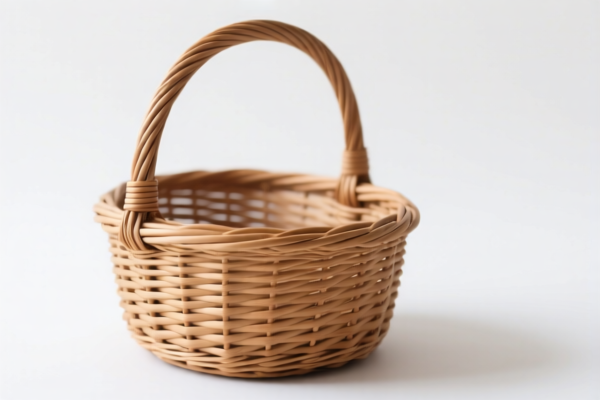
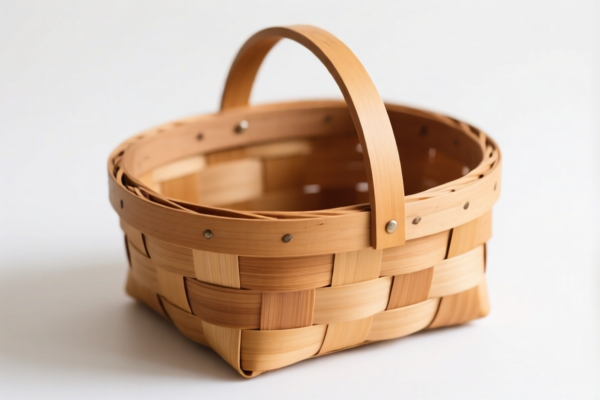
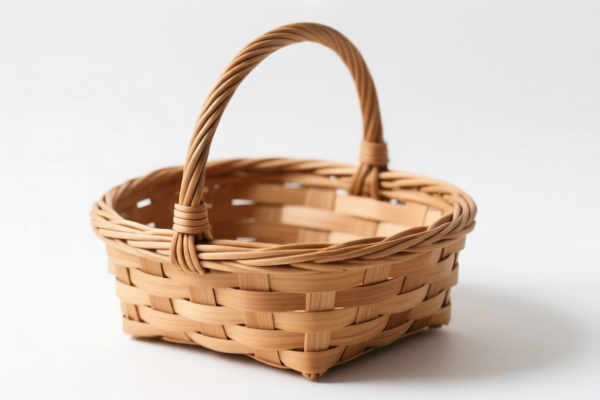
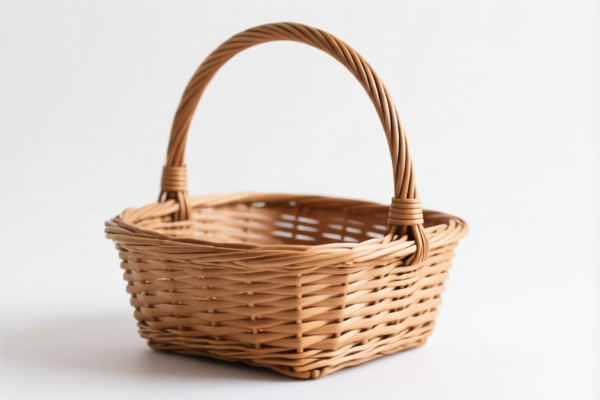
AI Analysis
🧺 Wicker Dusting Mat: The Ultimate Classification & Customs Clearance Guide (2026)
🌐 HS Code Reference & Customs Clearance Strategy | Latest 2026 Tariff Analysis | Professional Compliance Guide
📌 I. Product Definition & Classification: Is it a Rug or a Basket?
The "Wicker Dusting Mat" presents a unique classification challenge in international trade. It sits at the intersection of textile floor coverings and handicraft woven products. The core dispute lies in the material identification: 1. If classified as a textile/fiber material (e.g., plant fibers resembling coconut coir or synthetic fibers), it falls under Chapter 57 (Carpeting). 2. If classified as a rigid woven plant material (e.g., true willow rattan/wicker), it falls under Chapter 46 (Woven articles of vegetable materials).
⚠️ Key Distinction:
- "Wicker" (Willow/Rattan): Hard, structural plant stems → Chapter 46 (Baskets/Woven Goods).
- "Fiber/Coir-like": Soft, thread-like plant fibers → Chapter 57 (Carpets/Rugs).
- Note: The following analysis strictly adheres to the provided data set, which offers four distinct classification paths based on these material interpretations.
📦 II. HS Code Classification Details (2026 Latest Tariff Alignment)
Based on the provided data, there are four potential HS Codes. The choice depends on how customs authorities interpret the word "Wicker" and the physical nature of the mat.
| HS Code | Product Description | Material Interpretation | Key Matching Criteria |
|---|---|---|---|
5705.00.10.00 |
Other Carpets & Floor Coverings | Plant Fiber (Inferred) | Material inferred as natural fiber (similar to coconut coir); fits "Carpet/Floor Covering" usage; No material conflict. |
5705.00.20.90 |
Other Carpets & Floor Coverings | Textile Fiber (Inferred) | "Wicker" inferred as textile/fiber; "Dusting Mat" fits floor covering shape; Fits "Other textile floor coverings"; No material conflict. |
4602.19.12.00 |
Woven Articles of Vegetable Materials | True Wicker/Willow | Explicitly contains "Wicker" material; Matches "Willow weaving" key material requirement; Mat is a woven product extension (basket/bag category); No material conflict. |
4602.19.17.00 |
Woven Articles of Vegetable Materials | Vegetable Material (Willow) | "Wicker" matches vegetable material (Willow weave); "Mat" is an extension of basket/weaving products; No material conflict. |
🔍 Strategic Insight:
- Chapter 57 (5705...): Treats the item as a carpet/rug. Lower base tariffs (0-3.3%) but higher total impact due to 122-Clause tariffs.
- Chapter 46 (4602...): Treats the item as a woven craft/basket. Higher base tariffs (0-5.8%).
- The term "Wicker" is the pivot point. If customs accepts "Wicker" as a structural plant weave, Chapter 46 applies. If they see it as a soft fiber mat, Chapter 57 applies.
💰 III. 2026 Latest Tariff Rate Breakdown (US Imports from China)
✅ Applicable Country: United States (US)
✅ Origin: China (CN)
✅ Effective Time: Current trade policy (Includes 301 & Section 122 tariffs)
🎯 1. 5705.00.10.00 – Other Carpets & Floor Coverings (Plant Fiber Interpretation)
| Item | Content |
|---|---|
| Base Tariff | 0.0% (ad valorem) |
| Section 301 Tariff | +25.0% (USITC Footnote 9903.88.01) |
| Section 122 Tariff | +10.0% (Specific to certain agricultural/plant products) |
| Total Rate | 35.0% |
| Tax Calculation | CIF Value × 35% |
| De Minimis Eligibility | ❌ No (High tariff item, likely denied de minimis exemption depending on current thresholds) |
| Legal Basis Path | USITC:5705.00.10.00 → SECTION301:9903.88.01 → SECTION122:APPlicable |
📌 Explanation:
- This is the lowest total tariff option among the four.
- Relies on the argument that the material is a soft "plant fiber" (like coir) rather than hard willow, allowing it to be classified as a carpet with 0% base duty.
- Still heavily impacted by Section 301 (25%) and Section 122 (10%).
🎯 2. 5705.00.20.90 – Other Carpets & Floor Coverings (Textile Fiber Interpretation)
| Item | Content |
|---|---|
| Base Tariff | 3.3% (ad valorem) |
| Section 301 Tariff | +25.0% |
| Section 122 Tariff | +10.0% |
| Total Rate | 38.3% |
| Tax Calculation | CIF Value × 38.3% |
| De Minimis Eligibility | ❌ No |
| Legal Basis Path | USITC:5705.00.20.90 → SECTION301:9903.88.01 → SECTION122:APPlicable |
📌 Explanation:
- Slightly higher cost than the previous option due to the 3.3% base duty.
- Used if customs views the "wicker" as a textile-like fiber structure.
- Still benefits from the low base rate but suffers the same high add-ons.
🎯 3. 4602.19.12.00 – Woven Articles of Willow (Rigid Material Interpretation)
| Item | Content |
|---|---|
| Base Tariff | 5.8% (ad valorem) |
| Section 301 Tariff | +25.0% |
| Section 122 Tariff | +10.0% |
| Total Rate | 40.8% |
| Tax Calculation | CIF Value × 40.8% |
| De Minimis Eligibility | ❌ No |
| Legal Basis Path | USITC:4602.19.12.00 → SECTION301:9903.88.01 → SECTION122:APPlicable |
📌 Explanation:
- Highest total tariff among the options.
- Applies if customs strictly defines "Wicker" as willow/rattan weaving (Chapter 46).
- The base duty of 5.8% reflects the value of the crafted woven good.
- Risk: If you declare "Wicker" and it is rejected, you may face reclassification penalties.
🎯 4. 4602.19.17.00 – Woven Articles of Vegetable Materials (General)
| Item | Content |
|---|---|
| Base Tariff | 0.0% (ad valorem) |
| Section 301 Tariff | +25.0% |
| Section 122 Tariff | +10.0% |
| Total Rate | 35.0% |
| Tax Calculation | CIF Value × 35.0% |
| De Minimis Eligibility | ❌ No |
| Legal Basis Path | USITC:4602.19.17.00 → SECTION301:9903.88.01 → SECTION122:APPlicable |
📌 Explanation:
- Same total rate as Option 1 (35.0%) despite being in Chapter 46.
- This suggests a specific subheading where the base duty is 0%, but the Section 122 tax applies.
- Useful if the product is identified as "vegetable material" but not specifically "willow" (to avoid the 5.8% base of 4602.19.12).
🛠️ IV. Customs Clearance Practical Advice (Battle-Tested Strategies)
✅ 1. Documentation Checklist (Non-Negotiable)
| Document | Required | Explanation |
|---|---|---|
| ✅ Product Photos | ✔️ | Close-up of weave structure. Is it hard stems (Willow) or soft fibers (Coir)? |
| ✅ Material Spec Sheet | ✔️ | Explicitly state: "Made from [Willow/Rattan/Coir/Synthetic Fiber]". |
| ✅ Usage Declaration | ✔️ | "Floor mat for entryways" vs. "Decorative woven basket liner". |
| ✅ Commercial Invoice | ✔️ | Accurate description. Avoid ambiguous terms like "Natural Fiber" if it's actually Willow. |
| ✅ Packing List | ✔️ | Ensure no misleading items (e.g., metal legs) are included if claiming textile classification. |
✅ 2.申报 Strategy (Key Tips)
🔥 “Material Defines Class, Section 122 Defines Cost!”
| Scenario | Recommended HS Code | Rationale |
|---|---|---|
| Soft, flexible, coir-like texture | 5705.00.10.00 |
Lowest base duty (0%). Argue it's a "natural fiber carpet". |
| Textile-like, woven strands | 5705.00.20.90 |
If not coir, but not rigid willow. Slightly higher base (3.3%). |
| Rigid, hard willow stems | 4602.19.12.00 |
Most accurate for "Wicker". Highest base duty (5.8%). |
| General vegetable weave | 4602.19.17.00 |
If material is vegetable-based but not strictly willow. Matches 35% total. |
⚠️ Critical Warning:
- Do not mislabel a rigid willow mat as a "carpet" (5705) to save the 5.8% base duty. Customs inspections (X-ray/physical) will detect the rigidity and material type.
- Section 122 Tariff (10%) is the hidden killer. It applies to many plant-based products. Check if your specific plant material is exempt. In the provided data, all options include this 10%.
✅ 3. Special Considerations
| Situation | Handling Advice |
|---|---|
| Mixed Materials | If the mat has a fabric backing, it may still be classified under Chapter 46 or 57 depending on the principal material. Document the backing separately. |
| Origin Shift | If shipped from Vietnam or Indonesia (major wicker producers), verify if "Country of Origin" is still China. If re-exported from Vietnam, new HS codes may apply with lower tariffs. |
| De Minimis (Section 321) | ❌ Not Eligible. With total tariffs exceeding 10% (actually 35-40.8%), these goods cannot use the $800 de minimis exemption. Full formal entry is required. |
🌍 V. Global Market Comparison (2026)
| Country/Region | Recommended HS Code | Total Tariff (China Origin) | Notes |
|---|---|---|---|
| 🇺🇸 USA | 5705.00.10.00 / 4602.19.17.00 |
35.0% | Lowest total rate. Section 122 applies. |
| 🇨🇳 China | 5705.00.10.00 / 4602.19.12.00 |
Varies (5-10%) | Domestic tariffs are much lower. No Section 301/122. |
| 🇪🇺 EU | 5705.00 / 4602.19 |
0-5% | No Section 301. Standard MFN rates apply. |
| 🇬🇧 UK | 5705.00 / 4602.19 |
0-5% | Post-Brexit, UK tariffs are competitive. No US-style punitive tariffs. |
📌 Conclusion for US Imports:
The 35.0% total rate (via5705.00.10.00or4602.19.17.00) is the most cost-effective legal path. However, it requires a strong technical argument that the material is either a "plant fiber" (for Ch 57) or a general vegetable material (for Ch 46).
Avoid4602.19.12.00if cost is the primary driver, unless the product is undeniably rigid willow weaving.
📌 VI. Common Mistakes & Pitfalls (Learn from Others' Failures)
❌ Mistake 1: Calling it a "Basket Mat" but using Chapter 57.
👉 Consequence: Customs may reject the "carpet" classification if it has basket-like rigidity. Risk of reclassification to 4602.19.12.00 (40.8%).
❌ Mistake 2: Ignoring Section 122.
👉 Consequence: Under-declaring by 10%. This leads to penalties, interest, and seizure. The 10% is significant for low-margin goods.
❌ Mistake 3: Using "Wicker" without photos.
👉 Consequence: If the photo shows soft fibers, but the description says "Wicker" (which implies hard stems), confusion arises. Clarify the material type in the declaration.
✅ Best Practice:
"Natural Plant Fiber Floor Mat, Soft Weave, Entryway Dusting Mat, 24x36 inch, Made from [Specific Plant, e.g., Coir/Willow Strips]"
🎯 VII. Conclusion: Precise Classification Saves Money!
🎯 Remember the Mantra:
🔹 "Fiber = 0% Base (Ch 57); Willow = 5.8% Base (Ch 46)."
🔹 "Section 301 is 25%; Section 122 is 10%. Always Pay Both."
🔹 "Total Cost: 35% vs 40.8%. Choose Wisely!"
📌 Pro Tip:
If you have the flexibility, consult a customs broker to submit a Pre-Ruling Request for "Wicker Dusting Mat". A formal ruling locks in your HS Code and tariff rate, protecting you from future audits.
📣 Take Action Now:
📞 Engage a Licensed Customs Broker
📄 Submit Material Specs + Photos
🚀 Secure the 35.0% Rate or Avoid the 40.8% Penalty
✨ Professional Customs Clearance Starts with Accurate Classification!
💼 Every Percent Matters in Cross-Border Trade!
Customer Reviews
About HS Code Classification
The Harmonized System (HS) is an internationally standardized nomenclature developed by the World Customs Organization (WCO) to classify traded products. Over 200 countries use the HS system as the basis for customs tariffs, trade statistics, and import/export regulations.
Each HS code follows a hierarchical structure:
- Chapter (2 digits) — Broad category of goods (e.g., Chapter 84: Machinery and Mechanical Appliances)
- Heading (4 digits) — More specific grouping within the chapter
- Subheading (6 digits) — Internationally standardized breakdown, used by all WCO member countries
- National subdivisions (8-10 digits) — Country-specific extensions for further classification, such as US HTSUS 10-digit codes
Correct HS code classification is essential for smooth customs clearance, accurate duty payment, and compliance with trade regulations. Misclassification can lead to customs delays, overpayment of duties, or penalties.
When importing from CN to US, the applicable tariff rates may include:
- Most-Favored-Nation (MFN) rate — The standard duty rate applied to WTO members
- General rate — Applied to countries without trade agreements
- Trade remedy duties — Additional tariffs such as Section 301 (anti-dumping), Section 232 (national security), or countervailing duties
The information provided on this page is for reference purposes only. For official classification, please consult with your local customs authority or a licensed customs broker.