Wicker Handbags
CN → US| HS Code | Tariff Rate | Origin | Destination | Doc |
|---|---|---|---|---|
| 4602122300 | 44.0% | CN | US | Official Doc |
| 4602192920 | 40.3% | CN | US | Official Doc |
Product Images
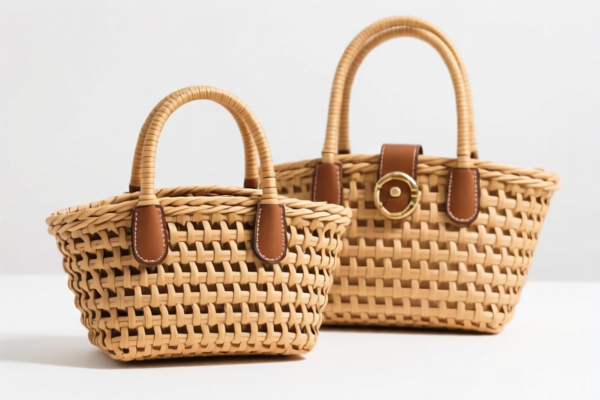
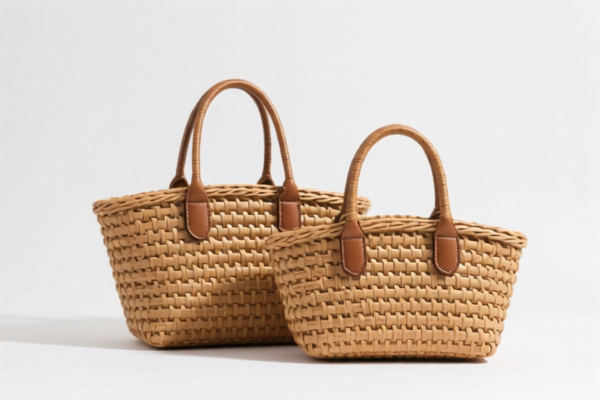
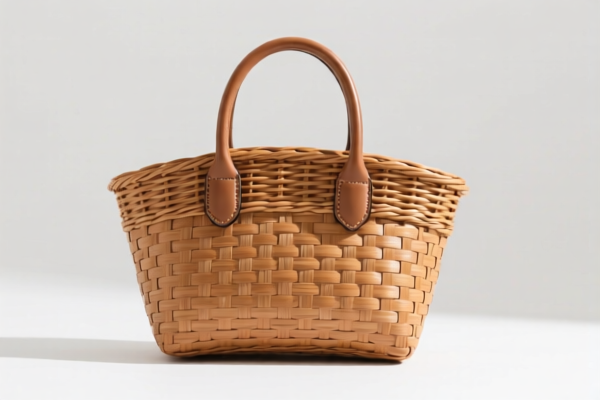
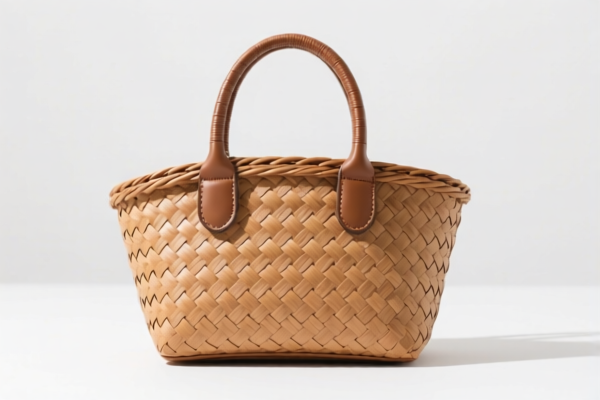
AI Analysis
🧺 Wicker Handbags (Basketwork & Plaiting Materials)
🌐 HS Code Reference & Customs Clearance Guide | 2026 Latest Tariff Analysis | Professional Strategy for Rattan & Vegetable Fiber Goods
📌 I. Product Definition & Classification: Do You Truly Understand "Wicker"?
Wicker handbags, often categorized under "Basketwork, wickerwork and other articles," are crafted from plaiting materials or made up from articles of heading 4601. In international trade, these items are strictly divided based on material and specific article type. For imports originating from China to the United States, two distinct HS Codes emerge, reflecting vastly different tariff outcomes:
Rattan Handbags (4602.12.23.00):
Specifically made from rattan (a type of palm). This category includes luggage, handbags, and flatgoods, whether or not lined, that are "of a kind normally carried in the pocket or in the handbag."
Other Vegetable Material Handbags (4602.19.29.20):
Made from vegetable materials other than rattan (e.g., bamboo, reed, straw, seagrass, loofah). This category covers "Other Handbags" that do not fall under specific rattan subheadings.
⚠️ Key Distinction Point:
- If the bag is explicitly made of Rattan → It falls under 4602.12.23.00 (High Tariff).
- If the bag is made of Other Vegetables (Bamboo, Straw, etc.) → It falls under 4602.19.29.20 (Zero Tariff).
- Misclassification is the #1 cause of penalty here.
📦 II. HS Code Classification Details (2026 Latest Tariff Authority)
| HS Code | Product Description | Application Scenario | Material Type |
|---|---|---|---|
4602.12.23.00 |
Basketwork/Wicker; Of vegetable materials; Of rattan; Luggage/handbags/flatgoods; Normally carried in pocket/handbag | Rattan handbags, tote bags, clutches made from woven rattan strips | ✅ Rattan (Sub-family Calameae) |
4602.19.29.20 |
Basketwork/Wicker; Of vegetable materials; Other; Luggage/handbags/flatgoods; Other Handbags | Handbags made from Bamboo, Reed, Straw, Seagrass, Loofah, or mixed fibers (non-rattan) | ❌ Non-Rattan Vegetables |
🔍 Critical Reminder:
- Rattan is a specific botanical material. Many suppliers label any woven bag as "Rattan" for aesthetic reasons. Customs requires botanical proof or clear material specification. - If the bag contains metal frames, plastic linings, or zippers, it is still considered a "Handbag" under 4602, provided the primary structure is plaited vegetable material. - Flatgoods (e.g., woven mats used as bags or liners) are also included in these codes if they fit the description.
💰 III. 2026 Latest Tariff Rate Breakdown (Including Additional Taxes & Policies)
✅ Applicable Country: United States (US)
✅ Origin: China (CN)
✅ Effective Date: 2025–2026 (Current Trade Environment)
🎯 1. 4602.12.23.00 —— Rattan Handbags (The "High Tariff" Trap)
| Item | Content |
|---|---|
| Base Tariff Rate | 9.0% (General Ad Valorem) |
| Section 301 Additional Tariff | +25.0% (List 4A) |
| Total Effective Tariff | 34.0% |
| Tax Calculation | CIF Value × 34% |
| De Minimis Exemption | ❌ Not Eligible (Section 301 goods generally excluded from $800 de minimis relief if structured to avoid duty, but standard imports definitely pay full duty) |
| Legal Basis Path | HTSUS:4602.12.23.00 → USITC Footnote 4A → Section 301 Enforcement |
📌 Explanation:
- Rattan is considered a "Chinese-made good" subject to retaliatory tariffs. - The 34% rate is significant. For a $1,000 shipment, you pay $340 in duties alone. - This applies to all rattan handbags, regardless of design complexity.
🎯 2. 4602.19.29.20 —— Other Vegetable Material Handbags (The "Zero Tariff" Opportunity)
| Item | Content |
|---|---|
| Base Tariff Rate | 0.0% (General Ad Valorem) |
| Section 301 Additional Tariff | 0.0% |
| Total Effective Tariff | 0.0% |
| Tax Calculation | $0 |
| De Minimis Exemption | ✅ Eligible (If shipped as part of a small package <$800, though this code is for general imports too) |
| Legal Basis Path | HTSUS:4602.19.29.20 → USITC General Rate |
📌 Explanation:
- Handbags made from bamboo, straw, reed, or seagrass are NOT subject to Section 301 additional tariffs. - This creates a massive 34% cost advantage over rattan goods. - Strategic Implication: If your supply chain can source "wicker" from bamboo or other non-rattan fibers, you can save 34% in customs duties.
🛠️ IV. Customs Clearance Practical Advice (Real-World Pitfall Avoidance)
✅ 1. Documentation Checklist (Non-Negotiable)
| Document | Must Provide? | Explanation |
|---|---|---|
| ✅ Material Specification Sheet | ✔️ | Must explicitly state: "100% Bamboo" OR "Rattan (Calamus)." Do not use vague terms like "Wicker" or "Natural Fiber" without botanical ID. |
| ✅ Product Photos (Clear View) | ✔️ | Show the weaving texture. Rattan has a distinct round, segmented stem structure; Bamboo is hollow/flat strips; Straw is thin and fibrous. |
| ✅ Commercial Invoice | ✔️ | Describe as "Handbag, Woven Bamboo, No Lining" or "Rattan Clutch, Lined." Match HS Code description. |
| ✅ Packing List | ✔️ | Ensure weight and dimensions match the invoice. |
| ✅ Certificate of Origin (CO) | ✔️ | Required to prove origin is China (for Section 301 application). |
✅ 2. Declaration Tactics (Key Mantras)
🔥 “Material First, Not Name. Rattan Pays 34%, Bamboo Pays 0%!”
| Scenario | Correct Declaration | Wrong Practice |
|---|---|---|
| Bag is made of Bamboo | HS: 4602.19.29.20 |
Calling it "Rattan" → Pay 34% unnecessarily |
| Bag is made of Rattan | HS: 4602.12.23.00 |
Calling it "Bamboo" → Customs Fraud Risk + Penalty |
| Bag is mixed materials | Analyze primary material | If >50% rattan by weight/structure, it’s Rattan |
| "Wicker" is a brand/style | Specify base material | "Wicker" is not an HS Code; it’s a technique |
✅ 3. Special Cases & Handling
| Situation | Handling Advice |
|---|---|
| Rattan Frame with Fabric Interior | Still 4602.12.23.00. The plaited material defines the heading. |
| Bamboo + Plastic Handles | If plastic is not the primary structural element, it may still be 4602.19.29.20. Check if plastic is >50% by weight. |
| Loofah Handbags | Specifically mentioned in heading 4602. If not rattan, likely 4602.19.29.20 (0% tariff). |
| Flatgoods (e.g., Woven Mats) | If sold as "bag-like" or for carrying items, they fall under "Luggage, handbags and flatgoods." Ensure description matches. |
🌍 V. Global Market Comparison (2026)
| Country/Region | Recommended HS Code | Tariff (China Origin) | Notes |
|---|---|---|---|
| 🇺🇸 USA | 4602.12.23.00 (Rattan) |
34% (9% Base + 25% Sec 301) | High barrier. Consider bamboo alternative. |
| 🇺🇸 USA | 4602.19.29.20 (Non-Rattan) |
0% | Best strategy for cost reduction. |
| 🇨🇳 China | 4602.12.23.00 / 4602.19.29.20 |
Low/Exempt | Domestic trade benefits from lower rates. |
| 🇪🇺 EU | 4602.11.00 / 4602.19.00 |
Varies (Often 5-10%) | No Section 301 equivalent. Check EU-specific rules. |
| 🇬🇧 UK | 4602.11.00 / 4602.19.00 |
Varies | Post-Brexit tariffs apply. Generally lower than US. |
📌 Conclusion:
- The US market is the most punitive for rattan goods due to Section 301. - Bamboo/Straw alternatives offer a zero-tariff loophole for US imports, provided the material is accurately declared.
📌 VI. Common Mistakes & Pitfalls (Lessons Learned)
❌ Mistake 1: Declaring all woven bags as "Rattan" to appear "premium," ignoring that it triggers 34% tax.
👉 Consequence: Overpayment of $34,000 per $100,000 shipment.
❌ Mistake 2: Declaring Rattan as "Bamboo" to avoid tax.
👉 Consequence: Customs Audit. If physical inspection reveals rattan (distinctive node structure), you face fraud penalties, seizure, and blacklisting.
❌ Mistake 3: Using vague descriptions like "Wicker Handbag" without material specification.
👉 Consequence: Customs will assign a default code (likely the highest duty one) or request extensive clarification, causing delays and storage fees.
✅ Correct Practice:
"Handbag, Woven Bamboo, Rectangular Shape, Leather Lining, Model A123"
OR
"Rattan Clutch, Lined, Natural Finish, Model B456"
🎯 VII. Conclusion: Professional Declaration, Cost Optimization!
🎯 Remember the Mantra:
🔹 "Rattan = 34%, Bamboo = 0%. Material Truth Saves Money!"
🔹 "Don’t Let 'Wicker' Confuse You. Check the Plant, Not the Price!"
📌 Pro Tip:
If your design allows, switch from Rattan to Bamboo or Seagrass. This simple material change can reduce your landed cost by 34% in the US market, boosting margins significantly.
Always provide botanical material details in your invoice to speed up clearance and justify the 0% rate.
📣 Action Required:
📞 Contact Your Freight Forwarder with the exact material list.
🚀 Request a Pre-Ruling from US Customs if your product is on the borderline (e.g., mixed materials).
💼 Optimize Your Supply Chain today to save thousands tomorrow!
✨ Precision in Classification, Profit in Clearance!
💼 Your Every Dollar of Duty is Worth Questioning!
Customer Reviews
About HS Code Classification
The Harmonized System (HS) is an internationally standardized nomenclature developed by the World Customs Organization (WCO) to classify traded products. Over 200 countries use the HS system as the basis for customs tariffs, trade statistics, and import/export regulations.
Each HS code follows a hierarchical structure:
- Chapter (2 digits) — Broad category of goods (e.g., Chapter 84: Machinery and Mechanical Appliances)
- Heading (4 digits) — More specific grouping within the chapter
- Subheading (6 digits) — Internationally standardized breakdown, used by all WCO member countries
- National subdivisions (8-10 digits) — Country-specific extensions for further classification, such as US HTSUS 10-digit codes
Correct HS code classification is essential for smooth customs clearance, accurate duty payment, and compliance with trade regulations. Misclassification can lead to customs delays, overpayment of duties, or penalties.
When importing from CN to US, the applicable tariff rates may include:
- Most-Favored-Nation (MFN) rate — The standard duty rate applied to WTO members
- General rate — Applied to countries without trade agreements
- Trade remedy duties — Additional tariffs such as Section 301 (anti-dumping), Section 232 (national security), or countervailing duties
The information provided on this page is for reference purposes only. For official classification, please consult with your local customs authority or a licensed customs broker.