Wicker Outdoor Mat
CN → US| HS Code | Tariff Rate | Origin | Destination | Doc |
|---|---|---|---|---|
| 4602191800 | 39.5% | CN | US | Official Doc |
| 4602198000 | 37.3% | CN | US | Official Doc |
| 5705001000 | 35.0% | CN | US | Official Doc |
| 5705002090 | 38.3% | CN | US | Official Doc |
Product Images
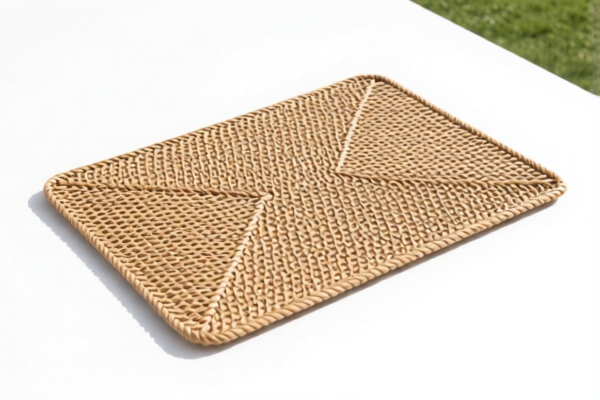
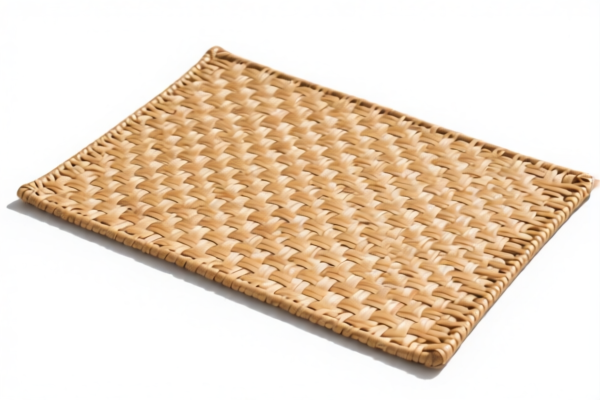
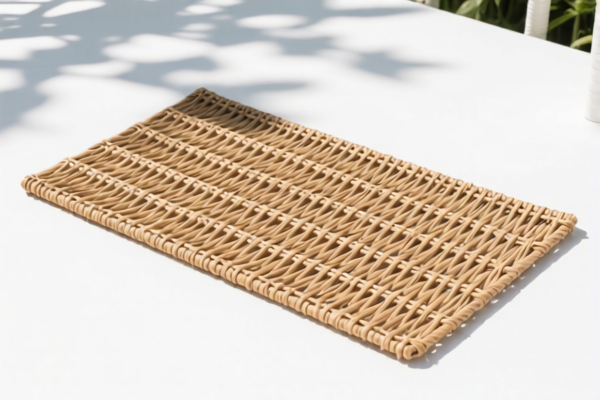
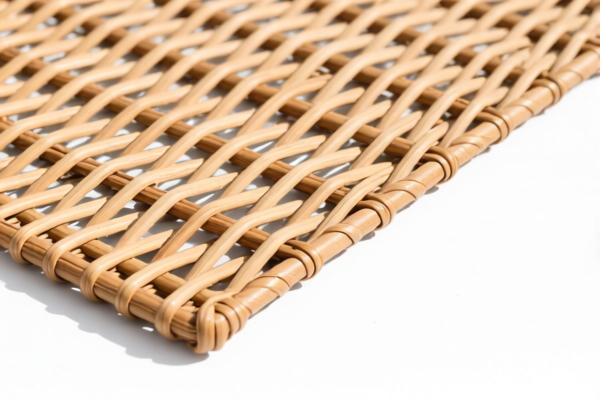
AI Analysis
🌿 Wicker Outdoor Mat (Rattan/Jute/Plant Fiber Floor Mats)
🌐 HS Code Reference & Customs Clearance Guide | 2026 Latest Tariff Analysis | Professional Clearance Strategy
📌 1. Product Definition & Classification: Do You Truly Understand "Wicker Mats"?
"Wicker Outdoor Mats" are versatile floor coverings made from woven plant materials (such as jute, sisal, water hyacinth, or synthetic rattan). In international trade, their classification is strictly dependent on the specific material composition and manufacturing structure.
Key Classification Divergence: - Plant Fiber Woven Goods (Chapter 46): Mats made primarily from plaited materials (e.g., grass, straw, bark) that retain their natural fibrous structure. - Textile/Floor Coverings (Chapter 57): Mats made from woven textile materials, fiber carpets, or those classified specifically as "floor coverings" regardless of natural origin.
⚠️ Critical Distinction Point:
- If the mat is explicitly described as a "woven article of vegetable plaiting materials" → Likely falls under Chapter 46 (HS 4602).
- If the mat is described as a "textile floor covering" or "fiber mat" (even if plant-based, if processed into textile-like form) → Likely falls under Chapter 57 (HS 5705).
📦 2. HS Code Classification Details (2026 Latest Tariff Authority Comparison)
| HS Code | Product Description | Applicable Scenario | Material/Structure Focus |
|---|---|---|---|
4602.19.18.00 |
Wicker/Grass Floor Mats, Vegetative Material, Woven Articles | Natural grass/jute mats with distinct weaving structure | ✅ Plant Plaiting |
4602.19.80.00 |
Other Woven Articles of Vegetable Plaiting Materials | Less common weaving structures or edge-case plant fibers | ✅ Plant Plaiting |
5705.00.10.00 |
Woven Floor Coverings, Fibre-based | Mats treated as "fibre floor coverings" | ✅ Textile/Fibre Classification |
5705.00.20.90 |
Other Textile Floor Coverings | General textile-based mats or mixed fiber mats | ✅ Textile Classification |
🔍 Key Reminder:
- Chapter 46 items are viewed as crafted woven goods (like baskets, mats of plaited material).
- Chapter 57 items are viewed as textile products (like carpets, rugs, floor coverings).
- Misclassification Risk: Declaring a Chapter 57 product as Chapter 46 (or vice versa) can lead to duty discrepancies of up to 4.5% difference in base rates, plus potential penalties.
💰 3. 2026 Latest Tariff Rate Breakdown (Including Surcharge & Policy Add-ons)
✅ Applicable Market: United States (US)
✅ Origin: China (CN)
✅ Effective Date: 2025/2026 (Includes Section 301, 122, etc.)
🎯 1. 4602.19.18.00 – Grass/Plant Woven Floor Mats
| Item | Content |
|---|---|
| Base Duty Rate | 4.5% (ad valorem) |
| Section 301 Surcharge | +25.0% (USITC Footnote 9903.88.01) |
| Section 122 Surcharge | +10.0% (Specific to certain woven/plaited goods from China) |
| Total Duty Rate | 39.5% |
| Tax Calculation | CIF Value × 39.5% |
| De Minimis Eligibility | ❌ No (deny_de_minimis for surcharged goods) |
| Legal Basis Path | USITC:4602.19.18.00 → FOOTNOTE:9903.88.01 → Section 122 |
📌 Explanation:
- The 4.5% base rate is standard for woven vegetable plaiting articles.
- The 25% Section 301 tariff is applied due to US-China trade relations.
- The 10% Section 122 tariff is a specific additional duty on certain woven/plaited goods.
- Total: 39.5%, which is a high-cost entry. Must be factored into pricing strategies.
🎯 2. 4602.19.80.00 – Other Woven Vegetable Plaiting Articles
| Item | Content |
|---|---|
| Base Duty Rate | 2.3% (ad valorem) |
| Section 301 Surcharge | +25.0% |
| Section 122 Surcharge | +10.0% |
| Total Duty Rate | 37.3% |
| Tax Calculation | CIF Value × 37.3% |
| De Minimis Eligibility | ❌ No |
| Legal Basis Path | USITC:4602.19.80.00 → FOOTNOTE:9903.88.01 → Section 122 |
📌 Note:
- Similar to the previous code but with a lower base rate (2.3% vs 4.5%).
- Applicable if the mat does not fit the specific "floor mat" sub-category but remains a woven vegetable article.
- Total: 37.3%, still high due to surcharges.
🎯 3. 5705.00.10.00 – Woven Floor Coverings (Fibre-based)
| Item | Content |
|---|---|
| Base Duty Rate | 0.0% (ad valorem) |
| Section 301 Surcharge | +25.0% |
| Section 122 Surcharge | +10.0% |
| Total Duty Rate | 35.0% |
| Tax Calculation | CIF Value × 35.0% |
| De Minimis Eligibility | ❌ No |
| Legal Basis Path | USITC:5705.00.10.00 → FOOTNOTE:9903.88.01 → Section 122 |
📌 Explanation:
- Base duty is 0%, making this the lowest base rate option.
- However, surcharges still apply, resulting in a 35.0% total rate.
- This classification requires the product to be viewed as a "floor covering" made of fibres (even if plant-based).
- Best Cost Option among the 4 codes.
🎯 4. 5705.00.20.90 – Other Textile Floor Coverings
| Item | Content |
|---|---|
| Base Duty Rate | 3.3% (ad valorem) |
| Section 301 Surcharge | +25.0% |
| Section 122 Surcharge | +10.0% |
| Total Duty Rate | 38.3% |
| Tax Calculation | CIF Value × 38.3% |
| De Minimis Eligibility | ❌ No |
| Legal Basis Path | USITC:5705.00.20.90 → FOOTNOTE:9903.88.01 → Section 122 |
📌 Note:
- Falls under Chapter 57 (Textile Floor Coverings).
- Base rate is 3.3%, leading to a 38.3% total rate.
- Suitable for mats that are more textile-like in structure or material blend.
🛠️ 4. Customs Clearance Practical Advice (Real-World Pitfall Guide)
✅ 1. Required Documentation Checklist (Non-Negotiable)
| Document | Must Provide | Description |
|---|---|---|
| ✅ Product Specification Sheet | ✔️ | Material composition (e.g., 100% Jute, 50% Sisal/50% Cotton), dimensions, thickness. |
| ✅ Material Test Report | ✔️ | Third-party lab report confirming vegetable/plant fiber content vs. synthetic. |
| ✅ Product Photos | ✔️ | Clear images showing weave structure (to justify Chapter 46) or carpet-like texture (for Chapter 57). |
| ✅ Commercial Invoice | ✔️ | Must state "Woven Floor Mat" or "Jute Rug" clearly. Avoid vague terms like "Decorative Item". |
| ✅ Packing List | ✔️ | Detail item count, weight, and packaging type. |
| ✅ Origin Certificate | ✔️ | If applicable, for potential duty exemptions (rare for China origin under 301). |
✅ 2. Declaration Tips (Key Mantra)
🔥 "Material Defines Chapter, Weave Defines Subheading, Surcharges Apply to All!"
| Scenario | Correct Declaration | Wrong Practice |
|---|---|---|
| 100% Jute/Grass Mat | 4602.19.18.00 or 4602.19.80.00 |
Declaring as textile → Potential penalty for misclassification. |
| Mixed Fiber/Textile Mat | 5705.00.10.00 or 5705.00.20.90 |
Declaring as "grass" → Risk of rejection by CBP. |
| Synthetic Rattan (Plastic) | Not in this list (likely 5703 or 3926) | Misdeclaring as natural wicker → Fraud Risk. |
| All Cases | Declare Total Duty: 35%~39.5% | Ignoring Section 122/301 → Underpayment Penalties. |
✅ 3. Special Case Handling
| Scenario | Handling Advice |
|---|---|
| OEM Custom Mats | Provide design specs showing material composition to support Chapter 46 vs 57. |
| Mixed Materials (e.g., Jute + Cotton) | If cotton > 50%, may fall under Chapter 57. If jute > 50% and woven, may fall under Chapter 46. Test report is key. |
| "Outdoor" Labeling | Does not change HS Code. Focus on material, not usage. |
| De Minimis Exemption | ❌ Not Available for these codes due to Section 301 & 122 surcharges. All duties must be paid. |
🌍 5. Global Market Comparison (2026 Latest)
| Country/Region | Recommended HS Code | Total Duty (China Origin) | Notes |
|---|---|---|---|
| 🇺🇸 USA | 4602.19.18.00 / 5705.00.10.00 |
35.0% – 39.5% | Heavy surcharges (301 + 122). Costly. |
| 🇨🇳 China | 4602.19.18.00 / 5705.00.10.00 |
4.5% – 0% | No surcharges. Low import duty for domestic producers. |
| 🇪🇺 EU | 4602.19.00 / 5705.00.00 |
~4% – 0% | No Section 301/122. Lower duties. |
| 🇬🇧 UK | 4602.19.00 / 5705.00.00 |
~4% – 0% | Post-Brexit tariffs, no US-style surcharges. |
📌 Conclusion:
- USA is the most expensive market for wicker/plant fiber mats due to Section 301 (25%) and Section 122 (10%) tariffs.
- Chapter 57 (5705.00.10.00) offers the lowest total duty (35%) due to 0% base rate.
- Chapter 46 is slightly more expensive (37.3%–39.5%) due to higher base rates.
📌 6. Common Errors & Pitfall Guide (Lessons from Experience)
❌ Error 1: Declaring a synthetic plastic rattan mat as natural jute (4602.19.18.00)
👉 Consequence: CBP inspection, seizure, 100% penalty + potential fraud charges.
❌ Error 2: Ignoring Section 122 (10%) in tariff calculation
👉 Consequence: Underpayment of duties, back taxes + interest.
❌ Error 3: Claiming De Minimis Exemption (under $800)
👉 Consequence: Denied. Section 301 and 122 goods do not qualify for de minimis.
❌ Error 4: Using vague terms like "Decorative Mat" in invoice
👉 Consequence: Customs delays, request for additional info, possible misclassification.
✅ Correct Practice:
"Woven Jute Floor Mat, 100% Natural Plant Fiber, 3'x5', Section 301 & 122 Applicable, HS Code: 5705.00.10.00"
🎯 7. Conclusion: Professional Declaration, Cost Control, Efficiency!
🎯 Remember the Mantra:
🔹 "Material is King, Weave is Queen, Surcharges are Permanent!"
🔹 "Chapter 57 saves 1.5-4.5% base duty, but surcharges make all codes expensive!"
🔹 "No De Minimis for China-origin wicker mats!"
📌 Pro Tip:
If your mats are originally produced in Vietnam, India, or Bangladesh, you may avoid Section 301 tariffs (though Section 122 may still apply depending on specific rules).
Recommendation: Apply for Advance Ruling from CBP to confirm the correct HS Code and duty rate before shipment.
📣 Take Action Now:
📞 Contact a Professional Broker + Provide Material Test Reports + Pre-classify HS Code
🚀 Ensure Smooth Customs Clearance, Avoid Penalties, Protect Margins!
✨ Professional Clearance Starts with Accurate Classification!
💼 Every Penny of Duty Counts – Know Your Rates!
Customer Reviews
About HS Code Classification
The Harmonized System (HS) is an internationally standardized nomenclature developed by the World Customs Organization (WCO) to classify traded products. Over 200 countries use the HS system as the basis for customs tariffs, trade statistics, and import/export regulations.
Each HS code follows a hierarchical structure:
- Chapter (2 digits) — Broad category of goods (e.g., Chapter 84: Machinery and Mechanical Appliances)
- Heading (4 digits) — More specific grouping within the chapter
- Subheading (6 digits) — Internationally standardized breakdown, used by all WCO member countries
- National subdivisions (8-10 digits) — Country-specific extensions for further classification, such as US HTSUS 10-digit codes
Correct HS code classification is essential for smooth customs clearance, accurate duty payment, and compliance with trade regulations. Misclassification can lead to customs delays, overpayment of duties, or penalties.
When importing from CN to US, the applicable tariff rates may include:
- Most-Favored-Nation (MFN) rate — The standard duty rate applied to WTO members
- General rate — Applied to countries without trade agreements
- Trade remedy duties — Additional tariffs such as Section 301 (anti-dumping), Section 232 (national security), or countervailing duties
The information provided on this page is for reference purposes only. For official classification, please consult with your local customs authority or a licensed customs broker.