Wide Dynamic Range Camera
CN → US| HS Code | Tariff Rate | Origin | Destination | Doc |
|---|---|---|---|---|
| 8525893000 | 35.0% | CN | US | Official Doc |
| 8525892000 | 35.0% | CN | US | Official Doc |
Product Images
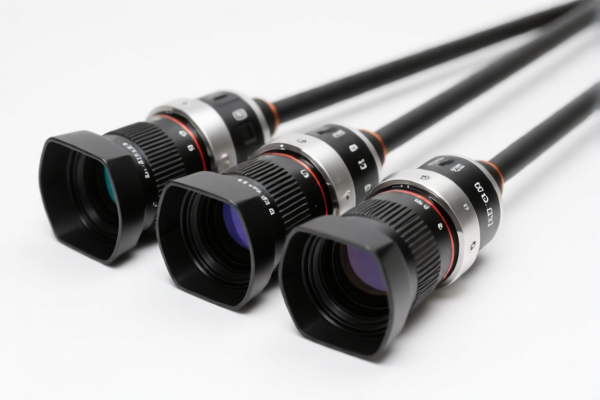
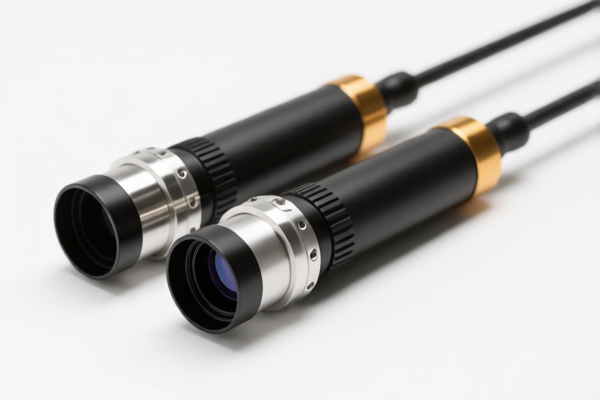
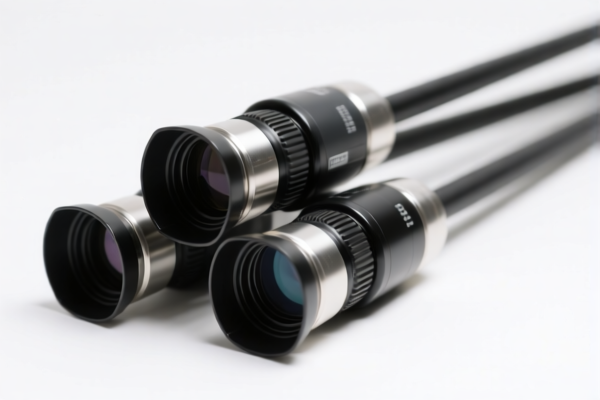
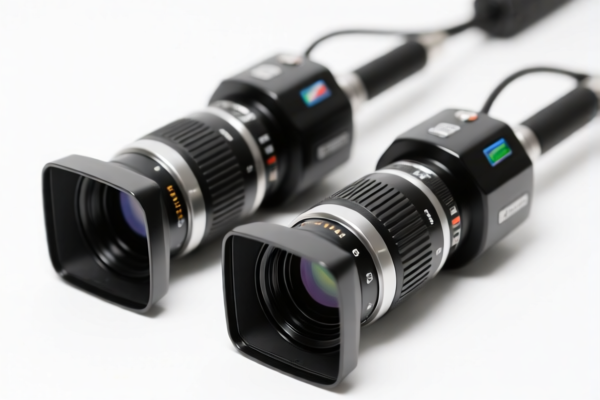
AI Analysis
📸 Wide Dynamic Range (WDR) Camera
🌐 HS Code Reference & Customs Clearance Guide | 2026 Latest Tariff Analysis | Professional Clearance Strategy
📌 I. Product Definition & Classification: What is a "WDR Camera"?
A Wide Dynamic Range (WDR) Camera is an advanced video imaging device designed to capture clear images in scenes with extreme lighting contrasts (e.g., bright sunlight and deep shadows simultaneously). In international trade, these devices fall under Chapter 85, specifically within the heading for "Television cameras, digital cameras and video camera recorders."
However, not all cameras are created equal in customs classification. The key distinction lies in form factor and portability:
- Studio/Studio-Type WDR Cameras: Fixed, high-resolution cameras used in broadcast studios, control rooms, or fixed surveillance centers. These are often rack-mounted or tripod-heavy.
- Portable/Shoulder-Carried WDR Cameras: Handheld, shoulder-mounted, or compact body-worn cameras used for field reporting, mobile surveillance, or sports broadcasting.
⚠️ Critical Distinction Point:
- If the camera is portable, handheld, or shoulder-carried, it typically falls under "Other" subcategories.
- If the camera is a studio-type (excluding portable units), it falls under a specific "Studio television cameras" subcategory.
- Misclassification Risk: Declaring a portable WDR camera as a "Studio Camera" (or vice versa) can lead to significant tariff differences, especially under current US trade policies.
📦 II. HS Code Classification Details (Based on Provided Data)
The following HS Codes are derived directly from the provided XML data. Please note that while the data specifies US/China trade context implicitly through tax rates, the HS Codes themselves are harmonized system codes.
| HS Code | Product Description | Key Characteristics | Applicable Scenarios |
|---|---|---|---|
8525.89.30.00 |
Television cameras: Other | • Includes non-studio cameras • Covers shoulder-carried and portable cameras • Includes compact WDR body cams |
• Field reporters • Mobile surveillance units • Body-worn cameras • Non-fixed installation cameras |
8525.89.20.00 |
Studio television cameras excluding shoulder-carried and other portable cameras | • Fixed installation • NOT shoulder-carried • NOT portable • High-end broadcast studio gear |
• TV studio control rooms • Fixed CCTV hubs • Large tripod-mounted studio WDR cameras |
🔍 Important Note on "Other":
- The description for8525.89.30.00explicitly includes "Television cameras: Other" which, in HS nomenclature, often acts as a catch-all for cameras that do not fit the specific "Studio" definition.
- WDR functionality itself does NOT change the HS Code. The physical form (portable vs. studio) is the primary classifier.
💰 III. 2026 Tariff Rate Details (China Origin → US Market)
Based on the provided data, we assume the goods are originating from China and imported into the United States (given the 25% Section 301 tariff context).
🎯 1. 8525.89.30.00 – Portable/Other WDR Cameras
| Item | Detail |
|---|---|
| Base Tariff | 0.0% |
| Additional Tariff (Section 301) | 0.0% |
| Total Effective Tax Rate | 0.0% |
| Tax Breakdown | 基础关税: 0.0%, 加征关税: 0.0% |
| Legal Basis | Category 8525.89.30 is currently excluded from the 25% Section 301 tariff list (Note: Verify latest USITC exclusions as policies shift). |
📌 Explanation:
- Portable WDR cameras (8525.89.30.00) currently enjoy a 0% total tariff rate.
- This makes them highly competitive for import into the US.
- Caution: This rate is subject to change based on US trade policy adjustments. Always verify current exclusions.
🎯 2. 8525.89.20.00 – Studio WDR Cameras
| Item | Detail |
|---|---|
| Base Tariff | 0.0% |
| Additional Tariff (Section 301) | 25.0% |
| Total Effective Tax Rate | 25.0% |
| Tax Breakdown | 基础关税: 0.0%, 加征关税: 25.0% |
| Legal Basis | Subject to 25% additional duty under US Trade Law Section 301. |
📌 Explanation:
- Studio WDR cameras (8525.89.20.00) are subject to a 25% additional tariff on top of the 0% base rate.
- This significantly increases the landed cost.
- Strategic Implication: For high-value studio equipment, this 25% can add substantial cost. Consider sourcing from non-China origins if possible, or negotiate price adjustments.
🛠️ IV. Customs Clearance Practical Advice
✅ 1. Documentation Checklist (Must-Have)
| Document | Required? | Purpose |
|---|---|---|
| Commercial Invoice | ✔️ | Must clearly state "WDR TV Camera" and specify if Portable or Studio. |
| Product Datasheet | ✔️ | Must include dimensions, weight, and mounting type (e.g., "Shoulder-mounted" vs. "Rack-mounted"). |
| HS Code Justification | ✔️ | Explain why it is classified as 89.30 (portable) vs 89.20 (studio) based on physical design. |
| Certificate of Origin | ✔️ | Proof of China origin to determine applicability of 25% tariff. |
| FCC ID / Compliance | ✔️ | Required for electronic video transmission devices in the US. |
| Packaging List | ✔️ | Show if accessories (tripods, handles) are included to confirm "portable" status. |
✅ 2. Declaration Tips (Key Phrases for CBP)
🔥 “Portability is Key! Specify Form Factor!”
| Scenario | Recommended Declaration | Risk if Misdeclared |
|---|---|---|
| Handheld/Body Cam | WDR Digital Camera, Portable, Shoulder-mountable |
If declared as Studio → 25% extra tax |
| Studio Broadcast Cam | Studio Television Camera, Fixed Installation, WDR |
If declared as Portable → Audit risk, potential penalty |
| Kit with Tripod | Include tripod as part of the set for Portable classification | Separate packing may lead to re-classification disputes |
✅ 3. Special Considerations for WDR Technology
- WDR Feature Irrelevance for HS: Customs officials do not classify based on "Wide Dynamic Range" tech. They classify based on physical design.
- Digital vs. Analog: Both
8525.89.20.00and8525.89.30.00cover digital cameras. Ensure your invoice states "Digital" to avoid questions under older analog codes. - Incorporated Receivers: The heading includes cameras "whether or not incorporating reception apparatus." Do not try to split the camera and receiver into separate HS codes unless they are imported separately and intended for separate use.
🌍 V. Global Market Comparison (2026 Context)
| Country/Region | Recommended HS Code | Tariff (China Origin) | Notes |
|---|---|---|---|
| 🇺🇸 USA | 8525.89.30.00 (Portable) |
0.0% | Best for portable WDR cams |
| 🇺🇸 USA | 8525.89.20.00 (Studio) |
25.0% | High cost for studio WDR cams |
| 🇨🇳 China (Import) | 8525.89 (General) |
0% - 5% | Depends on specific subheading |
| 🇪🇺 EU | 8525.89 |
0% (General) | No additional US-style tariffs |
| 🇬🇧 UK | 8525.89 |
0% - 5% | Post-Brexit tariff schedules |
📌 Conclusion:
- USA is the only major market in this data set with significant differential taxation between portable and studio cameras.
- Portable WDR cameras are tariff-free (0%), making them ideal for US export from China.
- Studio WDR cameras face a 25% penalty, so cost modeling must include this buffer.
📌 VI. Common Mistakes & Pitfalls (Lessons Learned)
❌ Mistake 1: Declaring a shoulder-mounted camera as a "Studio Camera"
👉 Consequence: You pay 25% extra unnecessarily.
👉 Fix: Ensure invoice says "Shoulder-Carried" or "Portable."
❌ Mistake 2: Declaring a fixed studio camera as "Portable" to avoid 25% tax
👉 Consequence: Customs Audit, seizure, or penalty for false declaration.
👉 Fix: Be honest. If it’s fixed, declare 8525.89.20.00.
❌ Mistake 3: Ignoring the "WDR" feature in documentation
👉 Consequence: CBP may question the product’s function.
👉 Fix: Include technical specs showing WDR capability, but emphasize physical portability for HS classification.
🎯 VII. Conclusion: Strategic Clearing for WDR Cameras
🎯 Key Takeaway:
🔹 Portable WDR Cameras = 0% Tax (
8525.89.30.00)
🔹 Studio WDR Cameras = 25% Tax (8525.89.20.00)
🚀 Action Plan:
1. Design for Portability: If targeting the US market, consider designing WDR cameras with portable/shoulder-mount features to qualify for the 0% tariff.
2. Accurate Descriptions: Use terms like "Handheld," "Shoulder-mounted," or "Mobile" in invoices for 89.30.
3. Pre-Ruling: For large shipments, consider an Advance Ruling from US CBP to confirm classification before shipment.
📣 Immediate Action:
📞 Verify Product Form Factor: Is it portable or studio?
📄 Update Invoice Template: Add "Portability Status" field.
💡 Consult Customs Broker: Especially for new WDR models.
✨ Precise Classification = Lower Costs = Higher Profit!
💼 Don’t let a 25% tariff eat your margin!
Customer Reviews
About HS Code Classification
The Harmonized System (HS) is an internationally standardized nomenclature developed by the World Customs Organization (WCO) to classify traded products. Over 200 countries use the HS system as the basis for customs tariffs, trade statistics, and import/export regulations.
Each HS code follows a hierarchical structure:
- Chapter (2 digits) — Broad category of goods (e.g., Chapter 84: Machinery and Mechanical Appliances)
- Heading (4 digits) — More specific grouping within the chapter
- Subheading (6 digits) — Internationally standardized breakdown, used by all WCO member countries
- National subdivisions (8-10 digits) — Country-specific extensions for further classification, such as US HTSUS 10-digit codes
Correct HS code classification is essential for smooth customs clearance, accurate duty payment, and compliance with trade regulations. Misclassification can lead to customs delays, overpayment of duties, or penalties.
When importing from CN to US, the applicable tariff rates may include:
- Most-Favored-Nation (MFN) rate — The standard duty rate applied to WTO members
- General rate — Applied to countries without trade agreements
- Trade remedy duties — Additional tariffs such as Section 301 (anti-dumping), Section 232 (national security), or countervailing duties
The information provided on this page is for reference purposes only. For official classification, please consult with your local customs authority or a licensed customs broker.