Wide Film Roll
CN → US| HS Code | Tariff Rate | Origin | Destination | Doc |
|---|---|---|---|---|
| 3919905040 | 40.8% | CN | US | Official Doc |
| 3921905050 | 39.8% | CN | US | Official Doc |
| 3921190010 | 41.5% | CN | US | Official Doc |
| 3920591000 | 41.0% | CN | US | Official Doc |
| 3919905060 | 40.8% | CN | US | Official Doc |
| 3920992000 | 39.2% | CN | US | Official Doc |
Product Images
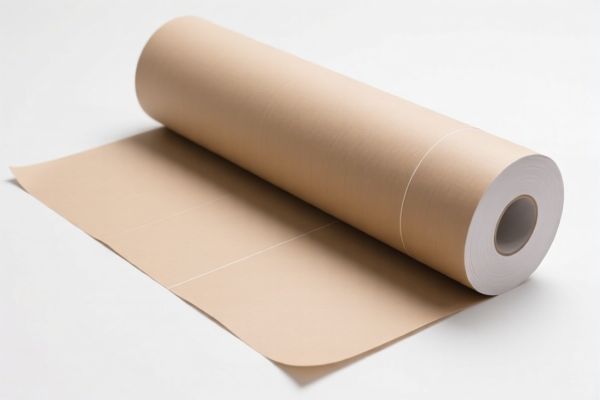
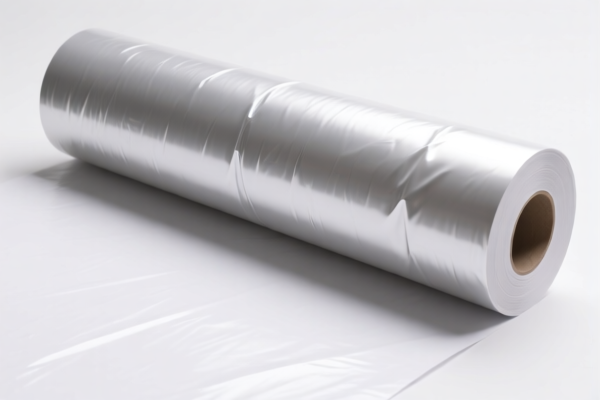
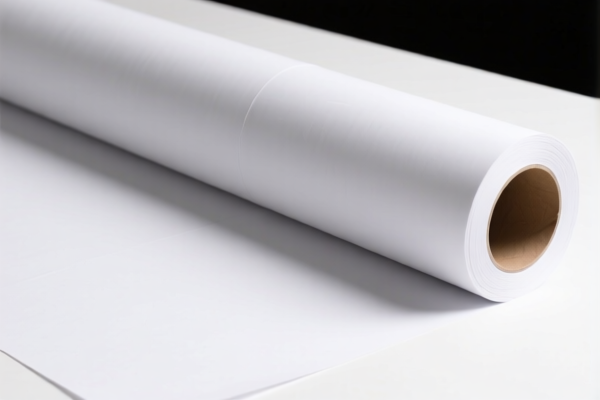
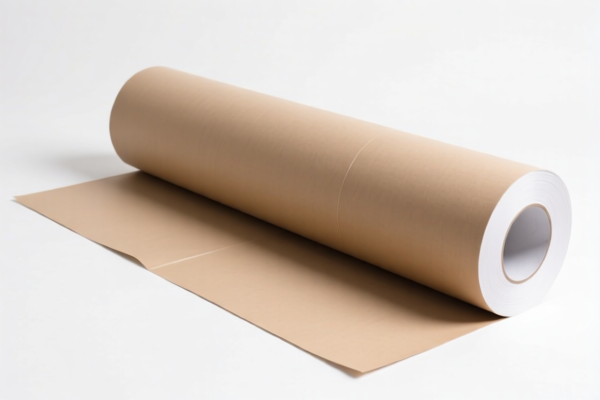
AI Analysis
🎞️ Wide Film Roll (Industrial Plastic Films)
🌐 HS Code Reference & Customs Clearance Guide | 2026 Latest Tariff Analysis | Professional Clearance Strategy
📌 I. Product Definition & Classification: Do You Really Understand "Wide Film Roll"?
"Wide Film Roll" is a generic trade term typically referring to industrial plastic films used in packaging, agriculture, construction, or protective covering. In international trade, the specific Harmonized System (HS) code depends heavily on material composition and specific application, even if the product looks similar.
Key Classification Logic: - Self-adhesive vs. Non-adhesive: Is it sticky? (Chapter 3919 vs. 3920/3921) - Material: Is it Polyethylene (PE), Polypropylene (PP), Acrylic, or mixed plastics? - Form: Is it a simple sheet/film, or does it have special properties (e.g., rigid, cellular)?
⚠️ Critical Distinction:
- If it is self-adhesive (like tape or sticky backing) → Likely 3919
- If it is non-adhesive and is a simple sheet → Likely 3920
- If it is non-adhesive and is a generic/other plastic → Likely 3921
📦 II. HS Code Classification Details (2026 Latest Tariff Authority)
The following 5 HS Codes are derived from the input data, covering the most likely scenarios for "Wide Film Roll" under current trade regulations (specifically targeting US imports from China, given the tariff structure).
| HS Code | Product Description & Logic | Matching Criteria | Estimated Total Tax |
|---|---|---|---|
3919.90.50.40 |
Self-adhesive Plastic Sheets, Films | ✅ Match: Form matches "Film". ✅ Material: Inferred as plastic via common sense. No conflict with "Self-adhesive" category. |
40.8% |
3921.90.50.50 |
Other Plates, Sheets, Film, Foam, Strip, of Plastics | ✅ Match: Form matches "Film". ✅ Material: Material unspecified; no conflict found. Inferred as "Other Plastic Film" based on rules. |
39.8% |
3921.19.00.10 |
Other Plates, Sheets, Film... of Polyethylene or Polypropylene | ✅ Match: Form matches "Film". ✅ Material: Common sense inference suggests industrial films are often PE or PP. No conflict. |
41.5% |
3920.59.10.00 |
Other Plates, Sheets, Film, Non-cellular... of Acrylic Polymers | ✅ Match: Form matches "Film". ✅ Material: Unspecified name. Based on "Other" logic, inferred as Acrylic Polymer. Possible fit. |
41.0% |
3919.90.50.60 |
Other Self-adhesive Plastic Sheets, Films | ✅ Match: Form matches "Film". ✅ Material: Inferred as plastic. Matches the "Other" catch-all rule for self-adhesive plastics. |
40.8% |
🔍 Key Takeaway:
- The difference between 3919 (Self-adhesive) and 3920/3921 (Non-adhesive) is critical.
- If the film is sticky, it falls under 3919 (~40.8%).
- If the film is non-sticky, it falls under 3920 or 3921 (~39.8% - 41.5%).
- 3921.19.00.10 has the highest tax burden (41.5%) if it is confirmed to be PE/PP non-adhesive film.
💰 III. 2026 Latest Tariff Rate Breakdown (Including Surtaxes & Policy Surcharges)
✅ Applicable Country: United States (US)
✅ Origin: China (CN)
✅ Effective Date: Post-2025 (Includes Section 301 & IEEPA surcharges)
All codes below share a similar surcharge structure due to their plastic nature and Chinese origin.
🎯 1. Self-Adhesive Films (3919.90.50.40 & 3919.90.50.60)
| Item | Content |
|---|---|
| Base Duty Rate | 5.8% (Ad Valorem) |
| Section 301 Surcharge | +25.0% (From USITC Footnote 9903.88.01) |
| IEEPA Surcharge | +10.0% (Targeting China/HK products, effective 2025/2026) |
| Total Effective Rate | 40.8% |
| Tax Calculation | CIF Value × 40.8% |
| De Minimis Eligibility | ❌ Not Eligible (Deny De Minimis) |
| Legal Basis Path | IEEPA:9903.01.25 → IEEPA:9903.01.24 → USITC:3919.90.50.40/60 → FOOTNOTE:9903.88.01 |
📌 Explanation:
- The 5.8% base duty is standard for many plastic sheets.
- The 25% Section 301 tax is a significant barrier for Chinese plastics.
- The 10% IEEPA tax adds further cost.
- Total 40.8% is a high-cost entry point. Proper classification as "Self-adhesive" is crucial to avoid being misclassified into a potentially higher or penalized category.
🎯 2. Other Plastic Films (3921.90.50.50)
| Item | Content |
|---|---|
| Base Duty Rate | 4.8% (Ad Valorem) |
| Section 301 Surcharge | +25.0% |
| IEEPA Surcharge | +10.0% |
| Total Effective Rate | 39.8% |
| Tax Calculation | CIF Value × 39.8% |
| De Minimis Eligibility | ❌ Not Eligible |
| Legal Basis Path | IEEPA:9903.01.25 → IEEPA:9903.01.24 → USITC:3921.90.50.50 → FOOTNOTE:9903.88.01 |
📌 Note:
- This is the lowest total tax rate among the options (39.8%).
- It applies to "Other" plastic films not specified by polymer type or adhesive nature.
- Best for generic, non-adhesive, mixed-material plastic rolls where specific polymer (like PE/PP or Acrylic) cannot be definitively proven.
🎯 3. PE/PP Specific Film (3921.19.00.10)
| Item | Content |
|---|---|
| Base Duty Rate | 6.5% (Ad Valorem) |
| Section 301 Surcharge | +25.0% |
| IEEPA Surcharge | +10.0% |
| Total Effective Rate | 41.5% |
| Tax Calculation | CIF Value × 41.5% |
| De Minimis Eligibility | ❌ Not Eligible |
| Legal Basis Path | IEEPA:9903.01.25 → IEEPA:9903.01.24 → USITC:3921.19.00.10 → FOOTNOTE:9903.88.01 |
📌 Warning:
- Although specific polymers (PE/PP) are common, this code has the highest base rate (6.5%), leading to the highest total tax (41.5%).
- Only use this if you are 100% certain of the material composition and want to specify it. Otherwise,3921.90.50.50might be safer and cheaper.
🎯 4. Acrylic Polymer Film (3920.59.10.00)
| Item | Content |
|---|---|
| Base Duty Rate | 6.0% (Ad Valorem) |
| Section 301 Surcharge | +25.0% |
| IEEPA Surcharge | +10.0% |
| Total Effective Rate | 41.0% |
| Tax Calculation | CIF Value × 41.0% |
| De Minimis Eligibility | ❌ Not Eligible |
| Legal Basis Path | IEEPA:9903.01.25 → IEEPA:9903.01.24 → USITC:3920.59.10.00 → FOOTNOTE:9903.88.01 |
📌 Note:
- Inferred based on "Other" logic for non-specified materials.
- Acrylic films are less common for generic "Wide Film Rolls" unless they are specialty optical or signage films.
- Tax rate is 41.0%, higher than the generic3921option.
🛠️ IV. Customs Clearance Practical Advice (Pitfall Avoidance Guide)
✅ 1. Essential Documentation Checklist
| Document | Required? | Explanation |
|---|---|---|
| ✅ Product Specification Sheet | ✔️ | Must detail: Dimensions, Width, Length, Thickness, Material (e.g., PE, PP, PVC), Adhesive Type (Yes/No). |
| ✅ Material Composition Certificate | ✔️ | Lab report proving polymer type (e.g., "100% Polyethylene") to avoid misclassification. |
| ✅ Product Photos (Clear Label) | ✔️ | Show the roll, any core, and labels indicating material or use (e.g., "Packing Film", "Protective Film"). |
| ✅ Commercial Invoice | ✔️ | Must accurately describe the item. Avoid vague terms like "Plastic Stuff". Use "Wide Plastic Film Roll". |
| ✅ Packing List | ✔️ | Detail weight, volume, and number of rolls. |
| ✅ Origin Certificate | ✔️ | Critical for verifying Country of Origin (China) for surcharge calculation. |
✅ 2. Declaration Tips (Key Mantra)
🔥 "Adhesive? Check 3919. Non-Adhesive? Check 3920/3921. Material? Prove it! Avoid Vague Terms!"
| Scenario | Correct Declaration | Incorrect Declaration | Consequence |
|---|---|---|---|
| Sticky/Backing Film | "Self-adhesive Plastic Film Roll" | "Plastic Roll" | Misclassification → Higher duty or penalty. |
| Non-Sticky Packing Film | "Plastic Film Roll, Non-Adhesive, PE" | "Film" | Ambiguity → Customs may assign highest default rate. |
| Unknown Material | "Plastic Film Roll, Material Not Specified" (Use 3921.90.50.50) | "Polyethylene Film" (if not PE) | Material mismatch → Audit, fines, back taxes. |
| Wide Format | "Wide" is descriptive, not regulatory. | "Industrial Equipment" | Wrong Chapter → Complete rejection. |
✅ 3. Special Circumstances
| Situation | Handling Advice |
|---|---|
| Custom Printed Film | Still falls under Chapter 39. Specify "Printed" in description but keep HS Code same. |
| Co-extruded Films | If multiple layers, the primary material usually dictates classification. Provide layer structure. |
| Recycled Plastic Film | May have different environmental regulations but HS Code remains similar. Declare "Recycled" clearly. |
| OEM/Private Label | Provide manufacturer details. Avoid trademark issues. |
🌍 V. Global Market Comparison (2026 Latest)
| Country/Region | Recommended HS Code | Base Duty | Surcharges (China) | Total Est. | Notes |
|---|---|---|---|---|---|
| 🇺🇸 USA | 3921.90.50.50 |
4.8% | +25% (301) +10% (IEEPA) | 39.8% | Highest cost due to trade wars. |
| 🇺🇸 USA | 3919.90.50.40 |
5.8% | +25% (301) +10% (IEEPA) | 40.8% | For self-adhesive films. |
| 🇨🇳 China | 3921.90.50.50 |
~4.8% | None | ~4.8% | Low entry cost for domestic sales. |
| 🇪🇺 EU | 3920.59.10.00 |
~3-6% | None (WTO MFN) | ~6% | No Section 301/IEEPA surcharges. |
| 🇦🇺 Australia | 3921.90.50.50 |
~5% | None | ~5% | Favorable for Australian importers. |
| 🇯🇵 Japan | 3921.90.50.50 |
~3-5% | None | ~5% | Stable trade relations. |
📌 Conclusion:
- USA is the most expensive market for Chinese plastic films due to 35-41% effective tariffs.
- EU, Japan, and Australia offer much lower duty burdens (5-6%).
- Strategy: If exporting to the US, consider supply chain diversification (e.g., production in Vietnam/Mexico) to avoid US surcharges, or ensure accurate classification to avoid higher penalties.
📌 VI. Common Errors & Pitfall Guide (Lessons Learned)
❌ Error 1: Using "Plastic Roll" as the product name.
👉 Consequence: Customs cannot determine if it's 3919 (adhesive) or 3921 (non-adhesive). Results in detention and manual classification delays.
❌ Error 2: Assuming all plastic films are 3920.
👉 Consequence: If the film is self-adhesive, it should be 3919. Misclassification leads to incorrect duty payment and potential audits.
❌ Error 3: Ignoring the 122 Clause / IEEPA Surcharges.
👉 Consequence: Underestimating landed cost by 35%. Leads to negative profit margins.
❌ Error 4: Claiming "PE Material" without proof for 3921.19.00.10.
👉 Consequence: If lab tests show PVC, you face back taxes + penalties for the rate difference.
✅ Correct Practice:
"Wide Plastic Film Roll, Non-Adhesive, Polyethylene (PE), Clear, 1000mm Width, 500m Length, For Packaging Use."
🎯 VII. Conclusion: Professional Classification Saves Money!
🎯 Remember the Mantra:
🔹 "Adhesive? 3919. Non-Adhesive? 3921. Material Matters! Tax is High in US!"
🔹 "40% Tax is Real, Don't Guess, Prove Your Material!"
📌 Pro Tip:
If your film is not made in China (e.g., made in Vietnam, India, or Mexico), you may avoid the 25% Section 301 and 10% IEEPA surcharges, reducing the total tax to ~4-6%.
Recommendation: Apply for an Advance Ruling from US Customs (CBP) if the product is complex or high-value.
📣 Immediate Action:
📞 Contact a Licensed Customs Broker + Provide Material Data Sheets + Apply for HS Code Pre-Ruling
🚀 Let your film pass customs smoothly, reduce costs, and boost profits!
✨ Professional Clearance Starts with Accurate Classification!
💼 Every percent of tax you save, counts!
Customer Reviews
About HS Code Classification
The Harmonized System (HS) is an internationally standardized nomenclature developed by the World Customs Organization (WCO) to classify traded products. Over 200 countries use the HS system as the basis for customs tariffs, trade statistics, and import/export regulations.
Each HS code follows a hierarchical structure:
- Chapter (2 digits) — Broad category of goods (e.g., Chapter 84: Machinery and Mechanical Appliances)
- Heading (4 digits) — More specific grouping within the chapter
- Subheading (6 digits) — Internationally standardized breakdown, used by all WCO member countries
- National subdivisions (8-10 digits) — Country-specific extensions for further classification, such as US HTSUS 10-digit codes
Correct HS code classification is essential for smooth customs clearance, accurate duty payment, and compliance with trade regulations. Misclassification can lead to customs delays, overpayment of duties, or penalties.
When importing from CN to US, the applicable tariff rates may include:
- Most-Favored-Nation (MFN) rate — The standard duty rate applied to WTO members
- General rate — Applied to countries without trade agreements
- Trade remedy duties — Additional tariffs such as Section 301 (anti-dumping), Section 232 (national security), or countervailing duties
The information provided on this page is for reference purposes only. For official classification, please consult with your local customs authority or a licensed customs broker.