Wide Roll Film
CN → US| HS Code | Tariff Rate | Origin | Destination | Doc |
|---|---|---|---|---|
| 3919905040 | 40.8% | CN | US | Official Doc |
| 3921905050 | 39.8% | CN | US | Official Doc |
| 3921190010 | 41.5% | CN | US | Official Doc |
| 3920591000 | 41.0% | CN | US | Official Doc |
| 3919905060 | 40.8% | CN | US | Official Doc |
Product Images
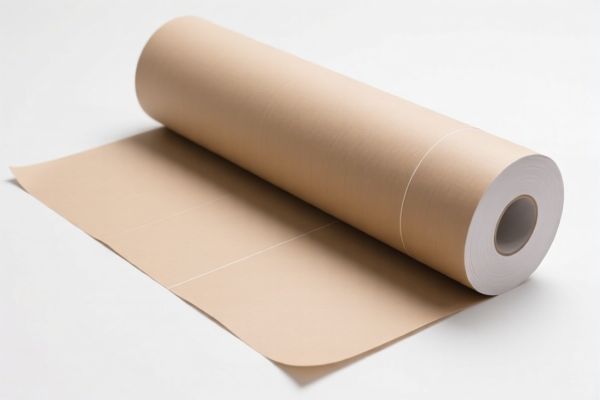
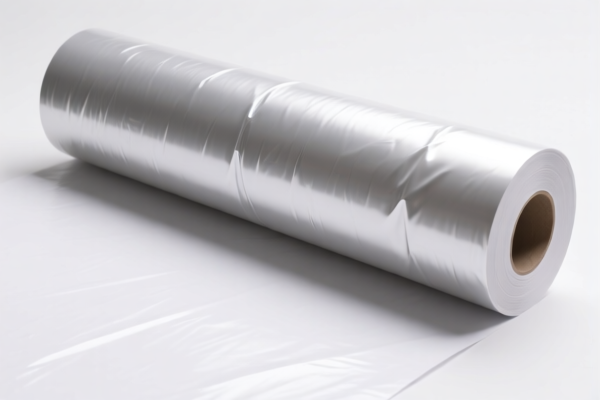
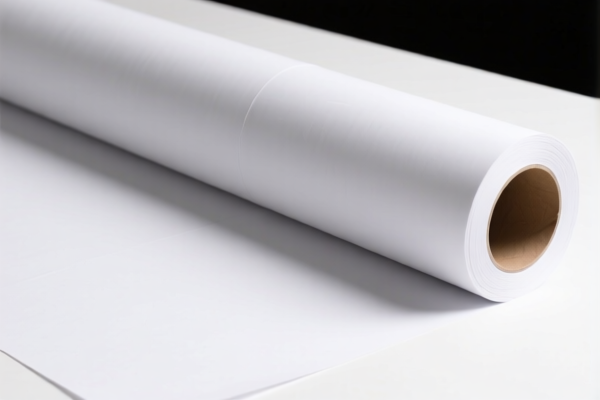
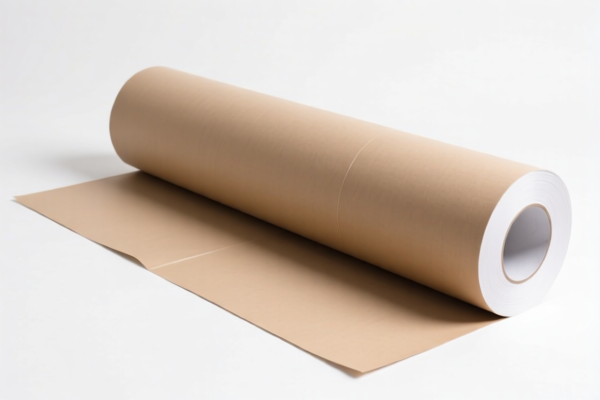
AI Analysis
🎞️ Wide Roll Film (Industrial Plastic Films)
🌐 HS Code Reference & Customs Clearance Guide | 2026 Latest Tariff Analysis | Professional Entry Strategy for US Imports
📌 I. Product Definition & Classification: What is "Wide Roll Film"?
In international trade, "Wide Roll Film" typically refers to plastic films (polyethylene, polypropylene, acrylic, or other polymers) supplied in large rolls, often used for industrial packaging, protection, or processing. The key differentiator for classification is form (self-adhesive vs. non-adhesive) and material composition.
1. Self-Adhesive Plastic Films (卷状自粘塑料板)
- Films with an adhesive backing, designed to stick to surfaces without additional glue.
- Key Characteristic: Has a pressure-sensitive adhesive layer.
2. Non-Adhesive Plastic Films (卷状塑料薄膜)
- Pure plastic films (PE, PP, PVC, Acrylic, etc.) without adhesive.
- Key Characteristic: Used for wrapping, lining, or further processing.
⚠️ Critical Distinction:
- If the film is self-adhesive → Likely falls under Chapter 3919.
- If the film is non-adhesive → Likely falls under Chapter 3920 or 3921.
- Misclassification Risk: Declaring a self-adhesive film as non-adhesive can lead to significant duty discrepancies and customs penalties.
📦 II. HS Code Classification Details (2026 Latest Tariff Reference)
Based on the provided data, here are the matched HS Codes for "Wide Roll Film" with their specific tax profiles.
| HS Code | Summary & Logic | Total Tax Rate | Tax Breakdown (US/CN Origin) |
|---|---|---|---|
3919.90.50.40 |
Self-Adhesive Film: Matches film morphology, inferred plastic material. Fits "Self-adhesive plates, sheets, film, foil, tape, strips." | 40.8% | Base: 5.8% + Section 301: 25.0% + Section 122: 10% |
3921.90.50.50 |
Other Plastic Films: Non-adhesive, general category. Fits "Plastic films, plates, sheets, foil, strips" not elsewhere specified. | 39.8% | Base: 4.8% + Section 301: 25.0% + Section 122: 10% |
3921.19.00.10 |
PE/PP Film: Morphology matches film, material inferred as Polyethylene or Polypropylene. No conflict with coding requirements. | 41.5% | Base: 6.5% + Section 301: 25.0% + Section 122: 10% |
3920.59.10.00 |
Acrylic Polymer Film: Morphology matches film, material inferred as Acrylic Polymer based on other category logic. | 41.0% | Base: 6.0% + Section 301: 25.0% + Section 122: 10% |
3919.90.50.60 |
Other Self-Adhesive Films: Matches film morphology, inferred plastic material. Fits "Other self-adhesive plastic films" (catch-all). | 40.8% | Base: 5.8% + Section 301: 25.0% + Section 122: 10% |
3920.99.20.00 |
Other Flexible Plastic Films: Non-adhesive, flexible film. No conflict with other plastic board/sheet/film categories. | 39.2% | Base: 4.2% + Section 301: 25.0% + Section 122: 10% |
🔍 Key Observation:
- Self-Adhesive Codes (3919.xxxx) generally have a 5.8% base duty.
- Non-Adhesive Codes (3920/3921.xxxx) vary from 4.2% to 6.5% base duty.
- All codes are subject to 25% Section 301 Tariff and 10% Section 122 Tariff (assuming US/China origin context from data).
- Lowest Total Tax:3920.99.20.00at 39.2%.
- Highest Total Tax:3921.19.00.10at 41.5%.
💰 III. 2026 Latest Tariff Rate Breakdown (Detailed Tax Clauses)
✅ Applicable Country: USA (US)
✅ Origin: China (CN) [Inferred from tax structure: Base + 25% + 10%]
✅ Effective Date: As per 2026 tariff rules
🎯 1. 3919.90.50.40 & 3919.90.50.60 —— Self-Adhesive Plastic Films
| Item | Detail |
|---|---|
| Base Duty Rate | 5.8% (Ad Valorem) |
| Section 301 Tariff | +25.0% (USITC Footnote 9903.88.01) |
| Section 122 Tariff | +10.0% (IEEPA-based China Tariff) |
| Total Tax Rate | 40.8% |
| Tax Calculation | CIF Value × 40.8% |
| De Minimis Exemption | ❌ Not Eligible (Deny de minimis for China-origin goods under current rules) |
| Legal Basis | USITC:3919.90.50.40 / 3919.90.50.60 + FOOTNOTE:9903.88.01 + IEEPA:9903.01.24 |
📌 Explanation:
- These codes cover self-adhesive plastic films not elsewhere specified.
- The 25% is the standard USITC additional duty on Chinese goods.
- The 10% is the additional Section 122 tariff specifically targeting Chinese imports.
- Total burden is high (~41%), impacting profit margins significantly.
🎯 2. 3921.90.50.50 —— Other Plastic Films (General)
| Item | Detail |
|---|---|
| Base Duty Rate | 4.8% (Ad Valorem) |
| Section 301 Tariff | +25.0% |
| Section 122 Tariff | +10.0% |
| Total Tax Rate | 39.8% |
| Tax Calculation | CIF Value × 39.8% |
| De Minimis Exemption | ❌ Not Eligible |
| Legal Basis | USITC:3921.90.50.50 + FOOTNOTE:9903.88.01 + IEEPA:9903.01.24 |
📌 Explanation:
- This is a catch-all for plastic films not specified elsewhere.
- Slightly lower base duty (4.8%) than adhesive films, but same additional tariffs.
🎯 3. 3921.19.00.10 —— PE/PP Plastic Films
| Item | Detail |
|---|---|
| Base Duty Rate | 6.5% (Ad Valorem) |
| Section 301 Tariff | +25.0% |
| Section 122 Tariff | +10.0% |
| Total Tax Rate | 41.5% |
| Tax Calculation | CIF Value × 41.5% |
| De Minimis Exemption | ❌ Not Eligible |
| Legal Basis | USITC:3921.19.00.10 + FOOTNOTE:9903.88.01 + IEEPA:9903.01.24 |
📌 Explanation:
- Specifically for Polyethylene (PE) or Polypropylene (PP) films.
- Highest base duty (6.5%) among non-adhesive options.
- Total Tax: 41.5% — the highest in the dataset.
🎯 4. 3920.59.10.00 —— Acrylic Polymer Films
| Item | Detail |
|---|---|
| Base Duty Rate | 6.0% (Ad Valorem) |
| Section 301 Tariff | +25.0% |
| Section 122 Tariff | +10.0% |
| Total Tax Rate | 41.0% |
| Tax Calculation | CIF Value × 41.0% |
| De Minimis Exemption | ❌ Not Eligible |
| Legal Basis | USITC:3920.59.10.00 + FOOTNOTE:9903.88.01 + IEEPA:9903.01.24 |
📌 Explanation:
- For films made of Acrylic Polymers.
- Moderate base duty (6.0%).
🎯 5. 3920.99.20.00 —— Other Flexible Plastic Films (Lowest Tax)
| Item | Detail |
|---|---|
| Base Duty Rate | 4.2% (Ad Valorem) |
| Section 301 Tariff | +25.0% |
| Section 122 Tariff | +10.0% |
| Total Tax Rate | 39.2% |
| Tax Calculation | CIF Value × 39.2% |
| De Minimis Exemption | ❌ Not Eligible |
| Legal Basis | USITC:3920.99.20.00 + FOOTNOTE:9903.88.01 + IEEPA:9903.01.24 |
📌 Explanation:
- A flexible, non-adhesive plastic film not elsewhere specified.
- Lowest Base Duty (4.2%) → Lowest Total Tax (39.2%).
- Ideal for generic, non-specialty plastic films.
🛠️ IV. Customs Clearance Practical Advice (Pitfall Avoidance Guide)
✅ 1. Preparation Checklist (Must-Haves)
| Document | Required | Description |
|---|---|---|
| ✅ Product Specification Sheet | ✔️ | Must state: Material (PE, PP, Acrylic, etc.), Adhesive? Yes/No, Thickness, Width, Roll Diameter. |
| ✅ Commercial Invoice | ✔️ | Clearly describe as "Plastic Film Roll" or "Self-Adhesive Plastic Film". Do not use vague terms like "Plastic Sheet". |
| ✅ Packing List | ✔️ | Include net/gross weight per roll. Ensure consistency with invoice. |
| ✅ Certificate of Origin (CO) | ✔️ | Confirm Chinese origin to assess exact tariff impact. If from Vietnam/Mexico, tariffs may differ. |
| ✅ Third-Party Test Report | ✔️ | If claimed as "Food Grade" or "Medical Grade", provide FDA/ROHS compliance documents. |
✅ 2. Declaration Tips (Key Mnemonics)
🔥 "Adhesive is 3919, Non-Adhesive is 3920/21. Be precise! Wrong code = High Duty!"
| Scenario | Correct HS Code | Wrong Declaration | Consequence |
|---|---|---|---|
| Self-Adhesive Film | 3919.90.50.40 / .60 |
Declare as 3920.xxxx (Non-adhesive) |
Penalty + Possible Back Tax |
| PE/PP Film | 3921.19.00.10 |
Declare as 3921.90.50.50 (General) |
Acceptable, but base duty may be slightly higher/lower. Verify material. |
| Acrylic Film | 3920.59.10.00 |
Declare as 3920.99.20.00 (General) |
Risk of reclassification if material is proven acrylic. |
| Generic Flexible Film | 3920.99.20.00 |
Declare as 3919.90.50.40 (Adhesive) |
Major Error → High duty + Audit Risk |
✅ 3. Special Cases
| Situation | Advice |
|---|---|
| OEM Custom Film | Provide customer design specs. If custom adhesive, ensure it’s declared as self-adhesive. |
| Laminated Films | If multiple layers, classify based on the essential character (usually the outer or core layer). Consult customs broker. |
| Samples vs. Commercial | Both are subject to duty if value exceeds de minimis limits for China ($800 exemption may not apply under current Section 301/122 rules for Chinese goods). |
| Raw Material vs. Finished Product | If the film is cut to specific sizes with printing, it may still be classified as film. If processed into bags, it changes to Chapter 3926. |
🌍 V. Global Market Comparison (2026 Latest)
| Country/Region | Recommended HS Code | Tariff (China Origin) | Certification | Notes |
|---|---|---|---|---|
| 🇺🇸 USA | 3919.90.50.40 / 3920.99.20.00 |
39.2% – 41.5% | FDA/UL (if applicable) | Highest burden due to 25% + 10% additional tariffs. |
| 🇨🇳 China | 3920.99.20.00 |
~5-6% | CCC (if applicable) | Low base duty, no additional US tariffs. |
| 🇪🇺 EU | 3920.99.20.00 |
~6.5% | CE/RoHS | No Section 301/122 tariffs. |
| 🇦🇺 Australia | 3920.99.20.00 |
~5% | RCM | Competitive market. |
📌 Conclusion:
- US Market: High tariffs (40%+) significantly impact cost.
- Strategy: Consider supply chain diversification (e.g., sourcing from Vietnam/Thailand) if possible to avoid Section 301/122 tariffs.
- Pre-ruling: Apply for an Advance Ruling from CBP to confirm HS code and avoid disputes.
📌 VI. Common Errors & Pitfalls (Blood & Tears Lessons)
❌ Error 1: Declaring Self-Adhesive Film as Non-Adhesive
👉 Consequence: Underpayment of duty (Base 5.8% vs 4.2% is small, but if material is misidentified, base can jump to 6.5%). More importantly, it’s a false declaration.
❌ Error 2: Vague Description: "Plastic Roll"
👉 Consequence: Customs cannot determine if it’s adhesive. Delays and potential reclassification to highest duty rate.
❌ Error 3: Ignoring Section 122 Tariff
👉 Consequence: Forgetting to account for the extra 10% leads to budget shortfalls and cash flow issues.
❌ Error 4: Assuming De Minimis Exemption
👉 Consequence: Under current rules, Chinese goods may not qualify for $800 de minimis exemption under Section 321, especially with additional tariffs. Pay duty upfront.
✅ Correct Declaration Example:
"Self-Adhesive Plastic Film Roll, Polyethylene, Width 120cm, Thickness 0.05mm, No Adhesive on Backing, For Industrial Packaging, Model: XYZ, FDA Compliant"
🎯 VII. Conclusion: Professional Declaration, Cost Savings!
🎯 Remember:
🔹 "Adhesive = 3919, Non-Adhesive = 3920/21. Check Material! Check Base Duty! Add 25% + 10%!"
🔹 "HS Code Determines Tax. Wrong Code = High Cost + Audit Risk!"
📌 Pro Tip:
If your film originates from Vietnam, Mexico, or Thailand, you may be eligible for IEEPA Exemptions, reducing total tax to 0%~5%.
Recommendation:
📞 Contact a Licensed Customs Broker + Provide Product Samples/Specs + Apply for Advance Ruling
🚀 Clear Customs Smoothly, Maximize Profits!
✨ Professional Customs Clearance Starts with Accurate Classification!
💼 Every Penny of Cost Should Be Precisely Calculated!
Customer Reviews
About HS Code Classification
The Harmonized System (HS) is an internationally standardized nomenclature developed by the World Customs Organization (WCO) to classify traded products. Over 200 countries use the HS system as the basis for customs tariffs, trade statistics, and import/export regulations.
Each HS code follows a hierarchical structure:
- Chapter (2 digits) — Broad category of goods (e.g., Chapter 84: Machinery and Mechanical Appliances)
- Heading (4 digits) — More specific grouping within the chapter
- Subheading (6 digits) — Internationally standardized breakdown, used by all WCO member countries
- National subdivisions (8-10 digits) — Country-specific extensions for further classification, such as US HTSUS 10-digit codes
Correct HS code classification is essential for smooth customs clearance, accurate duty payment, and compliance with trade regulations. Misclassification can lead to customs delays, overpayment of duties, or penalties.
When importing from CN to US, the applicable tariff rates may include:
- Most-Favored-Nation (MFN) rate — The standard duty rate applied to WTO members
- General rate — Applied to countries without trade agreements
- Trade remedy duties — Additional tariffs such as Section 301 (anti-dumping), Section 232 (national security), or countervailing duties
The information provided on this page is for reference purposes only. For official classification, please consult with your local customs authority or a licensed customs broker.