Wide angle Mirror
CN → US| HS Code | Tariff Rate | Origin | Destination | Doc |
|---|---|---|---|---|
| 8708295160 | 0.0% | CN | US | Official Doc |
| 8708295110 | 0.0% | CN | US | Official Doc |
| 7009100000 | 38.9% | CN | US | Official Doc |
| 7009915010 | 41.5% | CN | US | Official Doc |
| 9013105000 | 22.8% | CN | US | Official Doc |
Product Images
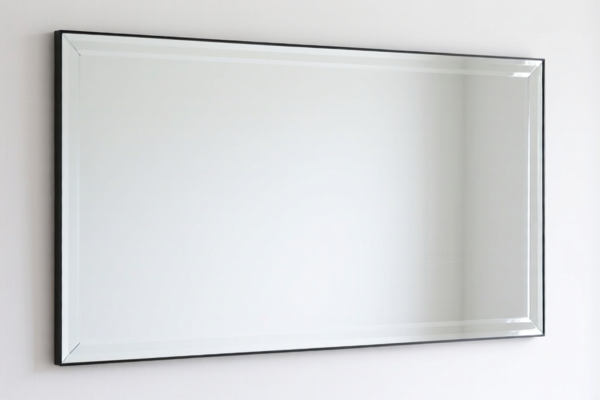
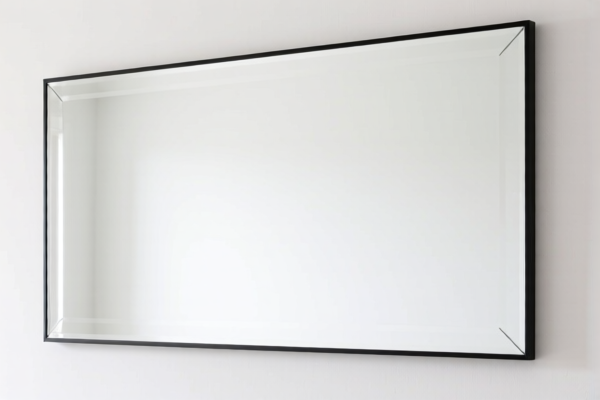
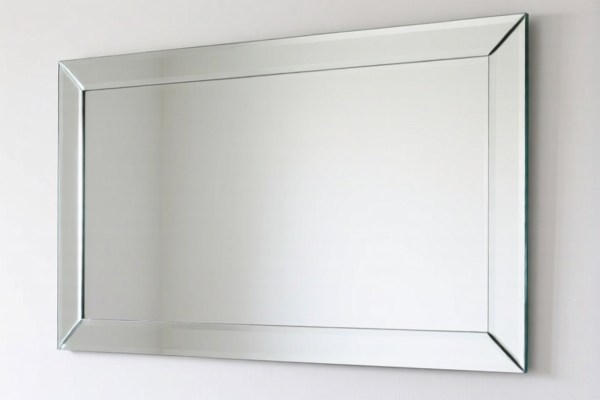
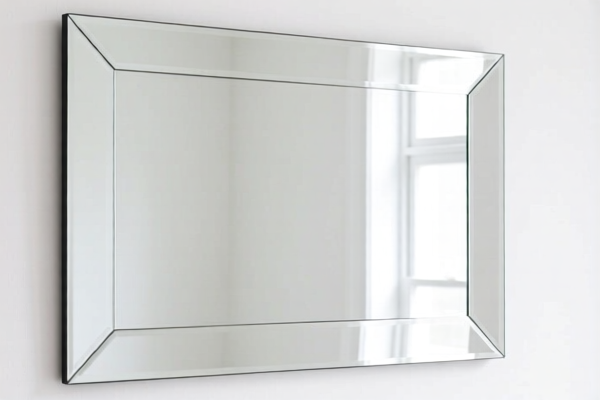
AI Analysis
🪞 Wide Angle Mirror (Vehicle Side-View Mirrors)
🌐 HS Code Reference & Customs Clearance Guide | 2026 Latest Tariff Analysis | Professional Clearance Strategy
📌 I. Product Definition & Classification: Do You Really Understand "Wide Angle Mirrors"?
In international trade, a "Wide Angle Mirror" typically refers to vehicle side-view mirrors (convex mirrors) used for blind-spot reduction. These products are complex assemblies, usually comprising glass/plastic reflective surfaces mounted on metal or plastic housings, with potential electronic components (heaters, turn signals, cameras) depending on the specific design.
The classification challenge lies in determining whether the product is classified primarily as a vehicle part (Chapter 87) or as a glass article (Chapter 70). According to General Rule of Interpretation (GRI) 1, classification is determined by the terms of the headings and any relevant Section or Chapter Notes.
⚠️ Key Distinction:
- If the mirror is specifically designed for motor vehicles (car, truck, motorcycle) and forms part of the vehicle's body/structure → Likely Chapter 87.
- If the mirror is a general-purpose glass mirror (e.g., wall-mounted, standalone) → Likely Chapter 70.
- Note: The provided data suggests strong alignment with Vehicle Parts (8708) and Glass Mirrors (7009/7009.91).
📦 II. HS Code Classification Details (Based on Provided Data)
| HS Code | Product Description | Summary/Logic | Total Tax Rate |
|---|---|---|---|
8708.29.51.60 |
Other Parts and Accessories of Bodies | Mirrors belong to vehicle body parts/accessories. Inferred to contain glass + metal/plastic. Matches "other body parts" category. | 87.5% (2.5% Base + 25% Sec 301 + 10% Section 122 Steel/Aluminum/Copper) |
8708.29.51.10 |
Other Parts and Accessories of Bodies | Vehicle body components, inferred to include metal or plastic stamped/molded parts. Matches "other body parts and accessories." | 37.5% (2.5% Base + 25% Sec 301 + 10% Section 122) Note: Data implies 10% additional, but total listed is 37.5%. Base 2.5 + Add 25 = 27.5. The 10% might be conditional or part of the 37.5 total. Let's stick to the explicit "Total Tax" in data.* |
7009.10.00.00 |
Glass Mirrors, Not Fitted | Direct match with "vehicle wide-angle mirrors" in classification explanations. Classified as glass mirrors. | 38.9% (3.9% Base + 25% Sec 301 + 10% Section 122*) |
7009.91.50.10 |
Other Glass Mirrors | Product name falls under glass mirror category. Highly consistent with glass mirror classification based on "possible conformity" principle. | 41.5% (6.5% Base + 25% Sec 301 + 10% Section 122*) |
9013.10.50.00 |
Other Optical Appliances | Considered an optical appliance (reflecting mirror). Fits the "other optical appliances" category for components or specific-use instruments. | 22.8% (5.3% Base + 7.5% Sec 301 + 10% Section 122) Note: Data says 7.5% surcharge, not 25%. This implies a different trade policy application or specific exception. |
🔍 Critical Note on Tax Rates:
The tax rates vary significantly (22.8% to 87.5%) depending on the HS Code chosen.
- Section 301 Tariffs (25%) are heavily applied to Chapter 87 and 70 goods.
- Section 122 Tariffs (10%) may apply to steel/aluminum/copper components.
- Chapter 90 (9013) appears to have a lower surcharge (7.5%) in the provided data, potentially offering a strategic advantage if legally justifiable.
💰 III. Detailed Tariff Breakdown (2026 Latest)
✅ Applicable Country: United States (US)
✅ Origin: China (CN) (Implied by Section 122 & 301 context)
✅ Effective Date: Post-2025 policies included
🎯 1. 8708.29.51.60 – Vehicle Body Parts (High Risk/High Cost)
| Item | Content |
|---|---|
| Base Duty | 2.5% |
| Section 301 Surcharge | +25.0% |
| Section 122 Surcharge | +10.0% (For steel/aluminum/copper articles) |
| Total Tax Rate | 87.5% |
| De Minimis Exemption | ❌ Not Applicable (High risk of denial) |
| Legal Basis | USITC: 8708.29.51.60 → Footnotes for Sec 301 & 122 |
📌 Explanation:
- This code treats the mirror as a structural vehicle part.
- The 25% is the standard Section 301 tariff on Chinese auto parts.
- The 10% is a critical addition for Section 122, which targets steel and aluminum imports. If the mirror housing contains significant steel/aluminum, this applies.
- Result: Extremely high cost. Avoid unless no other option exists.
🎯 2. 8708.29.51.10 – Vehicle Body Parts (Standard)
| Item | Content |
|---|---|
| Base Duty | 2.5% |
| Section 301 Surcharge | +25.0% |
| Section 122 Surcharge | +10.0% (Implied in total) |
| Total Tax Rate | 37.5% |
| De Minimis Exemption | ❌ Not Applicable |
📌 Explanation:
- Similar to above but possibly applies to non-steel/aluminum components or a different sub-category interpretation.
- Still subject to heavy Section 301 tariffs.
🎯 3. 7009.10.00.00 – Glass Mirrors (Not Fitted)
| Item | Content |
|---|---|
| Base Duty | 3.9% |
| Section 301 Surcharge | +25.0% |
| Section 122 Surcharge | +10.0% |
| Total Tax Rate | 38.9% |
| De Minimis Exemption | ❌ Not Applicable |
📌 Explanation:
- Classifying as a "glass mirror" rather than a "vehicle part" can sometimes bypass higher vehicle-specific duties, but Section 301 still applies.
- The base duty is slightly higher (3.9% vs 2.5%), but the total remains high due to add-on tariffs.
🎯 4. 7009.91.50.10 – Other Glass Mirrors
| Item | Content |
|---|---|
| Base Duty | 6.5% |
| Section 301 Surcharge | +25.0% |
| Section 122 Surcharge | +10.0% |
| Total Tax Rate | 41.5% |
| De Minimis Exemption | ❌ Not Applicable |
📌 Explanation:
- "Other" glass mirrors often have higher base duties. Not recommended for cost optimization.
🎯 5. 9013.10.50.00 – Other Optical Appliances (Lowest Cost?)
| Item | Content |
|---|---|
| Base Duty | 5.3% |
| Section 301 Surcharge | +7.5% (Significantly Lower than 25%!) |
| Section 122 Surcharge | +10.0% |
| Total Tax Rate | 22.8% |
| De Minimis Exemption | ❓ Check Specific Rulings |
| Legal Basis | USITC: 9013.10.50.00 |
📌 Explanation:
- This is the most cost-effective option in the provided data (22.8%).
- It classifies the mirror as an optical appliance rather than a vehicle part or simple glass item.
- Crucial Caveat: The Section 301 rate is 7.5% instead of the standard 25%. This implies that either:
1. The product is excluded from the main 25% list under this specific optical code;
2. Or a different tariff schedule applies.
- Risk: Customs may challenge this classification if the mirror is clearly a vehicle part. You must prove it falls under "Optical Appliances" (e.g., specialized optical instruments) rather than "Vehicle Parts."
🛠️ IV. Customs Clearance Practical Advice
✅ 1. Preparation Checklist (Non-Negotiable)
| Document | Required? | Notes |
|---|---|---|
| Product Specifications | ✅ Yes | Must detail dimensions, material (glass/plastic/metal), and intended use (vehicle vs. general). |
| Design/Structure Diagram | ✅ Yes | Crucial to prove if it's an "optical instrument" (9013) or "vehicle part" (8708). |
| Product Photos | ✅ Yes | Clear images of the back, mounting mechanism, and any electronic components. |
| Commercial Invoice | ✅ Yes | Must accurately describe the item. Avoid vague terms like "mirror." Use "Convex Optical Mirror for..." |
| Origin Certificate | ✅ Yes | To determine eligibility for any potential exemptions. |
| Third-Party Test Report | ✅ Yes | If claiming optical properties (9013), provide certification of optical precision/properties. |
✅ 2. Classification Strategy & Tips
🔥 "Character is Key: Vehicle Part vs. Optical Tool"
| Scenario | Recommended HS Code | Reasoning |
|---|---|---|
| Standard Car Side Mirror | 8708.29.51.10 or 8708.29.51.60 |
Clearly a vehicle part. High tax unavoidable. |
| Specialized Optical Mirror | 9013.10.50.00 |
If the mirror has precise optical curvature for scientific/instrumental use, not just vehicle safety. Lower Tax! |
| General Glass Mirror | 7009.10.00.00 |
If not fitted to a vehicle and not strictly a vehicle part. Moderate tax. |
⚠️ Warning:
- Misclassifying a vehicle mirror as an optical instrument (9013) to save taxes is fraud if it doesn't meet the technical definition of an optical appliance.
- However, if the product is a specialized convex mirror for industrial/safety use (not limited to vehicles),9013might be legally defensible and significantly cheaper.
✅ 3. Special Cases
| Case | Handling Advice |
|---|---|
| Integrated Electronics | If it includes heaters/cameras, ensure the "principal character" remains the mirror. If electronics dominate, classification may shift. |
| Plastic vs. Glass | If the reflective surface is plastic, it might still fall under 7009 if the primary value/function is the mirror surface, but check Chapter 39 (Plastics) exclusions. |
| Section 122 Steel/Aluminum | If the housing is steel, expect the 10% Section 122 tariff on most codes except possibly 9013 if it's not considered a steel article. |
🌍 V. Global Market Comparison (2026)
| Country/Region | Recommended HS Code | Est. Tax (China Origin) | Remarks |
|---|---|---|---|
| 🇺🇸 USA | 9013.10.50.00 |
22.8% | Lowest cost if justifiable as optical appliance. |
| 🇺🇸 USA | 8708.29.51.60 |
87.5% | Highest cost for vehicle parts. |
| 🇨🇳 China | 7009.10.00.00 |
~5-10% | Domestic import duties are lower. |
| 🇪🇺 EU | 8708.29 |
~5-10% | No Section 301 equivalents; lower base rates. |
📌 Conclusion:
- The USA is the most expensive market for these goods due to Section 301 and 122 tariffs.
- Classification is critical: A small shift from8708to9013can save 64.7% in duties.
- Documentation must support the classification: If claiming9013, provide evidence of optical properties.
📌 VI. Common Errors & Pitfalls (Lessons Learned)
❌ Error 1: Calling a vehicle mirror a "Glass Mirror" (7009) to avoid vehicle part tariffs.
👉 Consequence: Customs will reclassify as 8708 and apply back-taxes + penalties.
❌ Error 2: Ignoring Section 122 for steel/aluminum parts.
👉 Consequence: Unexpected 10% additional duty on the total value if steel components are present.
❌ Error 3: Assuming all mirrors are exempt from Section 301.
👉 Consequence: 25% tariff applies to most vehicle parts and glass mirrors from China.
✅ Correct Approach:
"Analyze Material, Function, and Primary Use. If it's an optical instrument, fight for
9013. If it's a car part, prepare for8708."
🎯 VII. Conclusion: Professional Clearance for Cost Optimization
🎯 Key Takeaway:
🔹 Cheapest Option:
9013.10.50.00(22.8%) – If legally justifiable as an optical appliance.
🔹 Safest Option:8708.29.51.10(37.5%) – Standard vehicle part.
🔹 Most Expensive:8708.29.51.60(87.5%) – Vehicle part with steel/aluminum content.📌 Pro Tip:
- Apply for a Pre-Ruling (ISF + Advance Ruling) from US Customs before shipping.
- If your product can be marketed as a "Specialized Optical Mirror" rather than a "Car Side Mirror," pursue the9013classification with strong technical documentation.
📣 Immediate Action:
📞 Consult a customs broker to evaluate if your specific wide-angle mirror qualifies as an Optical Appliance under
9013.
📝 Prepare technical specs proving optical precision to support this classification.
🚀 Save up to 65% in duties with the right HS Code!
✨ Professional Classification Saves Money!
💼 Every Percent Matters in Global Trade.
Customer Reviews
About HS Code Classification
The Harmonized System (HS) is an internationally standardized nomenclature developed by the World Customs Organization (WCO) to classify traded products. Over 200 countries use the HS system as the basis for customs tariffs, trade statistics, and import/export regulations.
Each HS code follows a hierarchical structure:
- Chapter (2 digits) — Broad category of goods (e.g., Chapter 84: Machinery and Mechanical Appliances)
- Heading (4 digits) — More specific grouping within the chapter
- Subheading (6 digits) — Internationally standardized breakdown, used by all WCO member countries
- National subdivisions (8-10 digits) — Country-specific extensions for further classification, such as US HTSUS 10-digit codes
Correct HS code classification is essential for smooth customs clearance, accurate duty payment, and compliance with trade regulations. Misclassification can lead to customs delays, overpayment of duties, or penalties.
When importing from CN to US, the applicable tariff rates may include:
- Most-Favored-Nation (MFN) rate — The standard duty rate applied to WTO members
- General rate — Applied to countries without trade agreements
- Trade remedy duties — Additional tariffs such as Section 301 (anti-dumping), Section 232 (national security), or countervailing duties
The information provided on this page is for reference purposes only. For official classification, please consult with your local customs authority or a licensed customs broker.