Wide format Glossy Photo Paper Roll
CN → US| HS Code | Tariff Rate | Origin | Destination | Doc |
|---|---|---|---|---|
| 4805911090 | 35.0% | CN | US | Official Doc |
| 4811902000 | 35.0% | CN | US | Official Doc |
| 4823908680 | 35.0% | CN | US | Official Doc |
| 4823400000 | 35.0% | CN | US | Official Doc |
| 4811592000 | 35.0% | CN | US | Official Doc |
Product Images
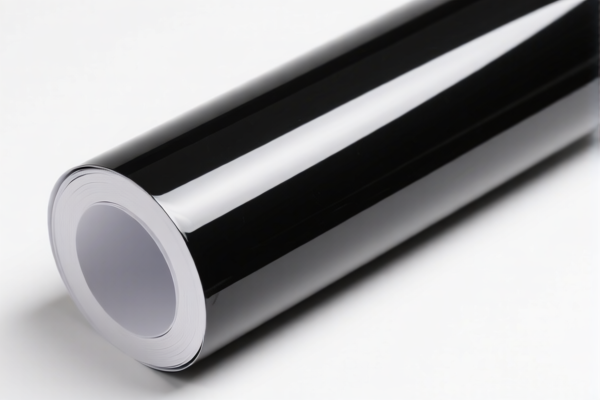
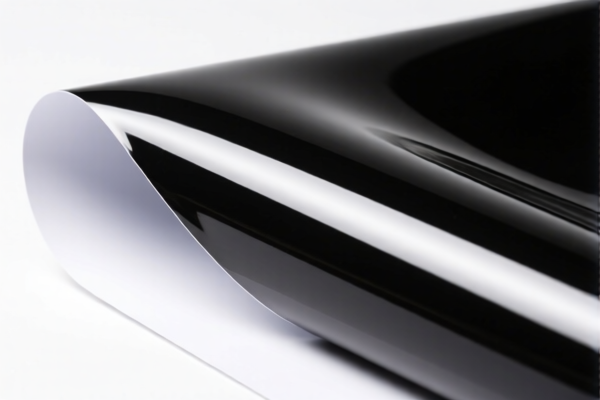
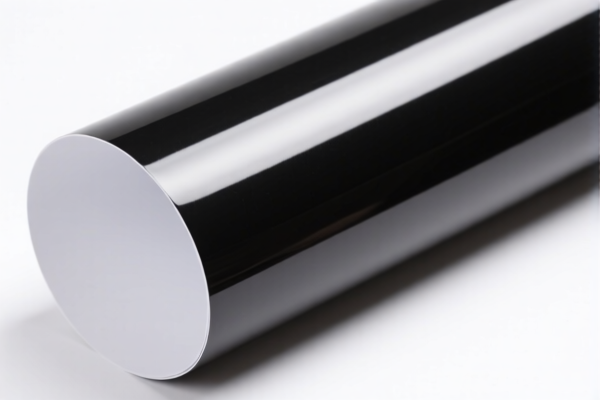
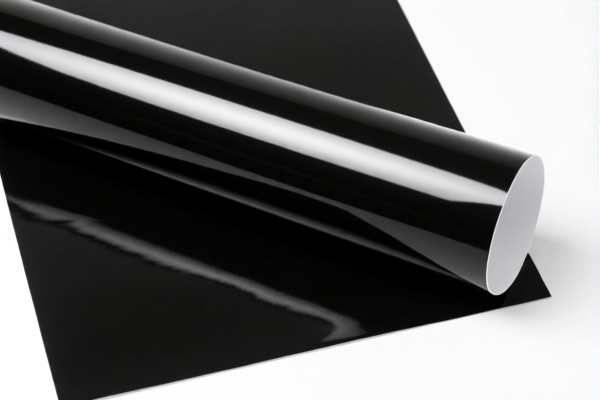
AI Analysis
📸 Wide Format Glossy Photo Paper Roll
🌐 HS Code Reference & Customs Clearance Guide | 2026 Latest Tariff Analysis | Professional Entry Strategy
📌 Part I: Product Definition & Classification: Do You Truly Understand "Wide Format Glossy Photo Paper"?
Wide format glossy photo paper rolls are high-quality printing media specifically designed for inkjet printers, used in professional photography, architectural rendering, marketing materials, and large-format graphic arts. In international trade, they are categorized primarily under Chapter 48 (Paper and Paperboard).
The key classification challenge lies in distinguishing between: 1. Coated Paper (Chapter 4811): Paper that has been coated with substances (like clay, polymers, or resins) to enhance gloss, sharpness, and ink absorption. Most "glossy photo papers" fall here. 2. Uncoated Paper (Chapter 4805/4823): Basic paper without surface coating, often used for plain rolls or specific industrial applications.
⚠️ Key Distinction Point:
- If the paper has a glossy finish due to coating (clay, polymer, etc.) to improve print quality → Likely 4811 (Coated/Prepared Paper).
- If the paper is plain uncoated but sold in roll form for wide-format printing (e.g., plain bond rolls) → Likely 4805 or 4823.
- "Glossy" almost always implies a coating process, making 4811 the most probable category, though customs may look at the specific chemical composition and weight.
📦 Part II: HS Code Classification Details (2026 Latest Tariff Authority Mapping)
Based on the provided <DATA> set, here are the specific HS Codes and their rationales for "Wide Format Glossy Photo Paper Roll":
| HS Code | Product Description | Application Scenario | Rationale for Classification |
|---|---|---|---|
4811.90.20.00 |
Wide format paper roll, material: paper, form: roll, width >15cm, classified as "Other" (catch-all for coated/prepared papers not elsewhere specified). | High-gloss photo papers, inkjet receptive coatings, wide-format graphics media. | Primary Choice. "Glossy" implies coating/preparation. As a wide roll (>15cm), it fits this broad "other prepared paper" category if not specifically listed under other 4811 subheadings (like photographic). |
4811.59.20.00 |
Material: paper, form: roll, width fits wide-format characteristics, attributes match coated/printed paper. | Coated photo paper, inkjet photo rolls with specific weight/thickness specs. | Strong Alternative. Specifically targets "coated/printed paper" rolls. If the product is explicitly "photo paper," this is a strong fit for prepared surfaces. |
4805.91.10.90 |
Wide format paper roll, material: paper, form: roll, classified as uncoated paper category. | Plain white bond rolls, uncoated drafting paper rolls, generic wide paper rolls. | Risk Option. Only applicable if the "glossy" finish is physical (calendered) but not chemically coated. If it’s true glossy photo paper, this is likely incorrect and will trigger customs queries. |
4823.90.86.80 |
Paper material, roll form, classified as "other paper articles" based on inference from pulp/cellulose products. | Specialty paper rolls, industrial paper applications, non-printing media. | Fallback Option. Used if the product doesn't fit strictly into 4805 or 4811 definitions (e.g., treated paper for non-printing purposes). Less common for photo paper. |
4823.40.00.00 |
Paper roll form, used for printing, material: paper, consistent with paper/cardboard classification. | General printing paper rolls, broad category for paper products for printing. | General Option. A broader category for paper intended for printing. Less specific than 4811 for coated photo paper. |
🔍 Key Reminder:
- "Glossy" = Coated: In customs terminology, "glossy" almost always requires classification under 4811 (Coated/Prepared Paper) rather than 4805 (Uncoated). Misclassifying glossy paper as uncoated (4805) is a common error that leads to audits.
- Width Matters: Since these are "wide format" rolls, they generally exceed 15cm, which excludes many narrow-roll categories.
- Specificity:4811.59and4811.90are the most accurate for photo-grade media.
💰 Part III: 2026 Latest Tariff Rate Details (Including Surtaxes & Policy Add-ons)
✅ Applicable Country: United States (US)
✅ Origin: China (CN)
✅ Effective Date: November 10, 2025 (and subsequent imports)
All HS Codes in the provided <DATA> share the same tax structure. This is due to the "Section 301" and "IEEPA" tariffs applied broadly to Chinese-origin paper and paper products.
🎯 1. General Tariff Structure for All Listed HS Codes
| Item | Content |
|---|---|
| Base Duty Rate | 0.0% (ad valorem) Note: Many paper products have 0% base duty under USHTS. |
| Section 301 Surtax | +25.0% Applied to Chinese-origin goods under Section 301 of the Trade Act. |
| Section 122 / IEEPA Surtax | +10.0% Additional surcharge under IEEPA (International Emergency Economic Powers Act) for specific Chinese imports. |
| Total Tariff Rate | 35.0% |
| Tax Calculation | CIF Value × 35% |
| De Minimis Exemption | ❌ Not Applicable Goods subject to Section 301/IEEPA tariffs are generally excluded from de minimis (Section 321) exemptions. |
| Legal Basis Path | USITC:4811.xx.xx.xx → SECTION_301:FOOTNOTE_9903.xx.xx → IEEPA:9903.01.25 |
📌 Explanation:
- "Base Duty 0.0%": The underlying US Harmonized Tariff Schedule (HTSUS) rate for these paper categories is often 0%.
- "Surtax 25%": This is the Section 301 tariff. It is mandatory for Chinese-origin goods in these categories.
- "122 Clause 10%": Refers to additional national security or emergency economic powers tariffs (IEEPA).
- Total 35%: This is a high effective tariff rate. Even with a 0% base rate, the surcharges make the total cost of import very high.
🛠️ Part IV: Customs Clearance Operational Advice (Practical Pitfall Avoidance Guide)
✅ 1. Required Documentation Checklist (Mandatory)
| Document | Must Provide | Explanation |
|---|---|---|
| ✅ Product Specification Sheet | ✔️ | Must state: Material (paper), Width (>15cm), Finish (Glossy/Coated), Weight (gsm), Type (Photo Paper). |
| ✅ Composition Description | ✔️ | Detail if it is coated with clay, polymer, or resin. This justifies classification under 4811 (Coated) vs. 4805 (Uncoated). |
| ✅ Product Photos | ✔️ | Clear image showing the glossy surface and roll core. Must match the "Glossy" description in the invoice. |
| ✅ Commercial Invoice | ✔️ | Must clearly state: "Wide Format Glossy Photo Paper Roll," HS Code, Origin: China, CIF Value. |
| ✅ Packing List | ✔️ | Include net/gross weight, number of rolls, core diameter, outer diameter. |
| ✅ Country of Origin Certificate | ✔️ | Critical to confirm China origin, as tariffs are origin-specific. |
✅ 2. Declaration Tips (Key Mnemonic)
🔥 "Glossy Means Coated, Declare 4811, Not 4805!"
| Scenario | Correct Declaration | Wrong Practice |
|---|---|---|
| True Glossy Photo Paper | 4811.90.20.00 or 4811.59.20.00 |
Misdeclaring as 4805.91.10.90 (Uncoated) → Risk of penalty + back taxes. |
| Plain White Wide Roll | 4805.91.10.90 |
Declaring as "Glossy Photo Paper" → Misclassification. |
| Mixed Shipment | Separate HS Codes | Combining coated and uncoated paper in one line item → Audit risk. |
✅ 3. Special Case Handling
| Situation | Handling Advice |
|---|---|
| "Double-Sided Glossy" | Still classified under 4811. Ensure the spec sheet mentions both sides. |
| Recyclable Paper | If marketed as "Eco-Friendly/Green," ensure no false environmental claims that could trigger FTC or customs scrutiny. |
| Large Volume Imports | With a 35% total tariff, consider supply chain diversification (e.g., sourcing from Vietnam or Thailand) to avoid Section 301/IEEPA tariffs. |
| Pre-Clearance Ruling | Highly Recommended. Apply for an Advance Ruling from CBP to confirm if 4811.90.20.00 is acceptable for your specific coated paper. This avoids post-entry audits. |
🌍 Part V: Global Market Clearance Comparison (2026 Latest)
| Country/Region | Recommended HS Code | Tariff (China Origin) | Certification Requirements | Notes |
|---|---|---|---|---|
| 🇺🇸 USA | 4811.90.20.00 |
35% (0% + 25% + 10%) | No specific cert. | High Tariff. Avoid if possible. |
| 🇨🇳 China | 4811.90.20.00 |
0% - 5% (Import Duty) | None | Low tariff, high domestic demand. |
| 🇪🇺 EU | 4811.90.00 |
6.5% (Standard MFN) | CE (if packaging), REACH | No Section 301 equivalent. |
| 🇬🇧 UK | 4811.90.00 |
6.5% (Standard MFN) | UKCA (if applicable) | Post-Brexit tariffs apply. |
| 🇦🇺 Australia | 4811.90.00 |
5.0% | None | Moderate tariff. |
📌 Conclusion:
- USA is the most expensive market for Chinese-origin glossy photo paper due to 35% combined tariffs.
- EU, UK, and AU have standard MFN rates (5-6.5%) and no additional Section 301/IEEPA surcharges.
- Strategic Recommendation: If selling to the US, consider transshipment or final assembly in a third country (e.g., Mexico, Vietnam) to mitigate tariffs, or absorb the cost in pricing.
📌 Part VI: Common Errors & Pitfall Guide (Lessons Learned)
❌ Error 1: Misclassifying "Glossy" paper as "Uncoated" (4805.91.10.90)
👉 Consequence: Customs may reassess, apply the correct tariff (still 35% but with penalties), and charge interest.
✅ Fix: Always use 4811 for coated/glossy paper.
❌ Error 2: Omitting "Coated" description in the commercial invoice
👉 Consequence: CBP may doubt the classification and delay shipment for secondary inspection.
✅ Fix: Explicitly state "Coated with Polymer/Clay for High Gloss Finish" on the invoice.
❌ Error 3: Assuming De Minimis (Section 321) applies
👉 Consequence: Packages under $800 will still be subject to 35% duty if origin is China and HS Code is in the 4811 group.
✅ Fix: Budget for 35% duty even for small samples.
🎯 Part VII: Conclusion: Professional Declaration, Cost Control, Efficient Clearance
🎯 Key Takeaway:
🔹 "Glossy = Coated = 4811."
🔹 "China Origin = 35% Total Tariff in USA."
🔹 "Declare Accurately to Avoid Delays."📌 Actionable Advice:
- For US Imports: Calculate the full 35% tariff into your landed cost. Consider alternative sourcing if margins are tight.
- Documentation: Ensure the HS Code 4811.90.20.00 or 4811.59.20.00 is prominently displayed on all shipping documents.
- Pre-Clearance: Obtain an Advance Ruling from CBP to lock in the classification and avoid surprise audits.
📣 Immediate Action:
📞 Consult a licensed customs broker to verify the specific coating composition of your product.
🚀 Optimize your supply chain to mitigate the 35% US tariff burden.
✨ Professional clearance starts with accurate classification!
💼 Your cost efficiency depends on every detail in the declaration!
Customer Reviews
About HS Code Classification
The Harmonized System (HS) is an internationally standardized nomenclature developed by the World Customs Organization (WCO) to classify traded products. Over 200 countries use the HS system as the basis for customs tariffs, trade statistics, and import/export regulations.
Each HS code follows a hierarchical structure:
- Chapter (2 digits) — Broad category of goods (e.g., Chapter 84: Machinery and Mechanical Appliances)
- Heading (4 digits) — More specific grouping within the chapter
- Subheading (6 digits) — Internationally standardized breakdown, used by all WCO member countries
- National subdivisions (8-10 digits) — Country-specific extensions for further classification, such as US HTSUS 10-digit codes
Correct HS code classification is essential for smooth customs clearance, accurate duty payment, and compliance with trade regulations. Misclassification can lead to customs delays, overpayment of duties, or penalties.
When importing from CN to US, the applicable tariff rates may include:
- Most-Favored-Nation (MFN) rate — The standard duty rate applied to WTO members
- General rate — Applied to countries without trade agreements
- Trade remedy duties — Additional tariffs such as Section 301 (anti-dumping), Section 232 (national security), or countervailing duties
The information provided on this page is for reference purposes only. For official classification, please consult with your local customs authority or a licensed customs broker.