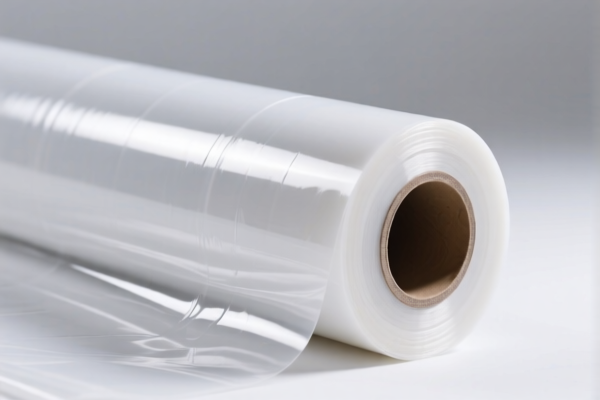
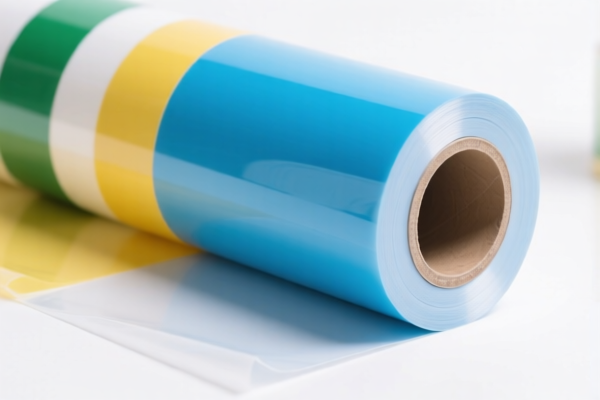
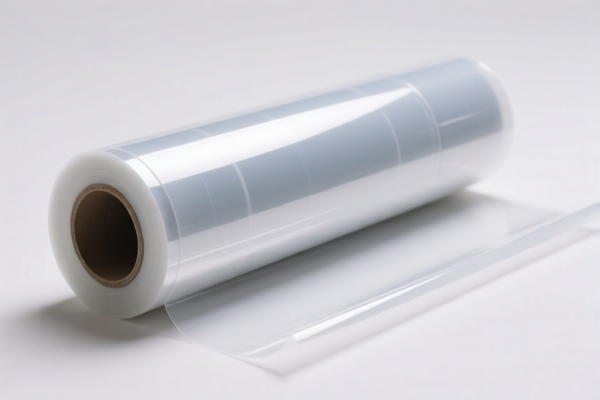
Wide format Positive Film Roll
CN → US| HS Code | Tariff Rate | Origin | Destination | Doc |
|---|---|---|---|---|
| 3701996030 | 35.0% | CN | US | Official Doc |
| 3701996060 | 35.0% | CN | US | Official Doc |
| 3702440160 | 38.7% | CN | US | Official Doc |
| 3705000000 | 35.0% | CN | US | Official Doc |
| 3702440130 | 38.7% | CN | US | Official Doc |
Product Images

AI Analysis
🎞️ Wide Format Positive Film Roll (宽幅正片胶片)
🌐 HS Code Reference & Customs Clearance Guide | 2026 Latest Tariff Analysis | Professional Entry Strategy
📌 I. Product Definition & Classification: What Exactly is "Wide Format Positive Film"?
"Wide Format Positive Film Roll" refers to photographic materials used primarily in graphic arts, industrial photography, and technical imaging. It is crucial to distinguish between exposed/developed film and unexposed/sensitive film, as this determines the HS Code and tax liability.
Key Distinction: * Unexposed/Sensitive Film (3702 series): Raw material, not yet processed. Characterized by light sensitivity. Taxation depends heavily on width (>105mm vs ≤105mm) and material composition. * Exposed/Developed Film (3705 series): Finished photographic product. The image has already been recorded.
⚠️ Critical Classification Point:
- If the film is unexposed and wide format (width > 105mm): Falls under 3702.44.01.xx or 3701.99.xx.
- If the film is exposed/developed: Falls under 3705.00.00.00.
- Do not mix categories: A "roll" can be either; the physical state (exposed vs. unexposed) and width are the deciding factors.
📦 II. HS Code Classification Details (2026 Authoritative Alignment)
Based on the provided data, here is the breakdown for "Wide Format Positive Film":
| HS Code | Product Description | Key Characteristics | Status |
|---|---|---|---|
3701.99.60.30 |
Wide Format Positive Film | Graphic arts application; Wide format does not change the sensitive material nature | Unexposed/Sensitive |
3701.99.60.60 |
Wide Format Positive Film | Meets unexposed sensitive characteristics; Width attribute does not conflict with photographic plates/film classification | Unexposed/Sensitive |
3702.44.01.60 |
Wide Format Positive Film | Width > 105mm; Unexposed sensitive film; Non-paper/non-textile material | Unexposed/Sensitive |
3705.00.00.00 |
Wide Format Positive Film | Exposed & Developed photographic film; Matches photographic plate/film classification | Exposed/Finished |
3702.44.01.30 |
Wide Format Positive Film | Width 105mm – 610mm; Unexposed sensitive film; Non-paper/non-textile material | Unexposed/Sensitive |
🔍 Key Reminder:
-3702codes apply to unexposed film. The tax burden is higher due to Section 301 and IEEPA tariffs on sensitive chemical/photo materials.
-3705applies only to already exposed/developed film.
- Width is a critical differentiator in the3702category (>105mm vs 105-610mm).
💰 III. 2026 Latest Tariff Rate Breakdown (Including Surtaxes & Policy Surcharges)
✅ Applicable Country: United States (US)
✅ Origin: China (CN)
✅ Effective Time: Current enforcement of Section 301 and IEEPA provisions
🎯 1. 3701.99.60.30 & 3701.99.60.60 —— Wide Format Positive Film (Graphic Arts/Sensitive)
| Item | Content |
|---|---|
| Base Duty Rate | 0.0% |
| Section 301 Surtax | +25.0% |
| IEEPA Surtax (122) | +10.0% |
| Total Duty Rate | 35.0% |
| Tax Calculation | CIF Value × 35% |
| De Minimis Exemption | ❌ Not Available |
| Legal Basis Path | Section 301: 9903.01.25 → IEEPA: 9903.01.24 → USITC: 3701.99.60.30/60 |
📌 Explanation:
- These codes classify wide-format sensitive film not falling under standard photography rolls.
- The 35% total rate is driven by the叠加 (stacking) of Section 301 (25%) and IEEPA (10%).
- Despite a 0% base duty, the effective cost is high.
🎯 2. 3702.44.01.30 & 3702.44.01.60 —— Wide Format Positive Film (Width > 105mm)
| Item | Content |
|---|---|
| Base Duty Rate | 3.7% |
| Section 301 Surtax | +25.0% |
| IEEPA Surtax (122) | +10.0% |
| Total Duty Rate | 38.7% |
| Tax Calculation | CIF Value × 38.7% |
| De Minimis Exemption | ❌ Not Available |
| Legal Basis Path | Section 301: 9903.01.25 → IEEPA: 9903.01.24 → USITC: 3702.44.01.30/60 |
📌 Explanation:
- These codes specifically target films with width > 105mm (and ≤610mm for .30).
- Unlike the3701series, these have a 3.7% base duty, leading to a 38.7% total rate.
- The material must be confirmed as non-paper, non-textile.
🎯 3. 3705.00.00.00 —— Wide Format Positive Film (Exposed/Developed)
| Item | Content |
|---|---|
| Base Duty Rate | 0.0% |
| Section 301 Surtax | +25.0% |
| IEEPA Surtax (122) | +10.0% |
| Total Duty Rate | 35.0% |
| Tax Calculation | CIF Value × 35% |
| De Minimis Exemption | ❌ Not Available |
| Legal Basis Path | Section 301: 9903.01.25 → IEEPA: 9903.01.24 → USITC: 3705.00.00.00 |
📌 Explanation:
- This code is for finished film (already exposed and developed).
- The tax rate is 35%, same as the3701series.
- Classification error here (declaring exposed as unexposed) can lead to severe penalties.
🛠️ IV. Customs Clearance Practical Advice (Pitfall Avoidance Guide)
✅ 1. Documentation Checklist (All Required)
| Document | Required? | Notes |
|---|---|---|
| ✅ Product Specification Sheet | ✔️ | Must specify: Format (Roll), Width (mm), Type (Positive/Reverse), Status (Exposed/Unexposed). |
| ✅ Physical Photos | ✔️ | Clear shots of the roll, label, and packaging. Label must state "Exposure Status". |
| ✅ Commercial Invoice | ✔️ | Clearly describe as "Wide Format Positive Film, Unexposed" or "Exposed". Avoid vague terms like "Photo Material". |
| ✅ Packing List | ✔️ | Detail dimensions (width/length) to justify HS Code selection (especially for >105mm). |
| ✅ Certificate of Origin | ✔️ | Required for origin verification to apply surtaxes. |
| ✅ Material Composition Statement | ✔️ | Confirm "Non-paper, Non-textile" base for 3702 codes. |
✅ 2. Declaration Strategies (Key Mnemonic)
🔥 "Width Matters, Exposure Defines, Paper vs. Film, Clear Your Mind!"
| Scenario | Correct HS Code | Incorrect Approach |
|---|---|---|
| Unexposed, Width > 105mm, Graphic Arts | 3701.99.60.30 or 3702.44.01.60 |
Misdeclaring as standard photo film → 35-38.7% |
| Unexposed, Width 105-610mm | 3702.44.01.30 |
Misdeclaring as wider (>105mm) → 38.7% (check width carefully!) |
| Exposed/Developed Film | 3705.00.00.00 |
Misdeclaring as Unexposed → Risk of Penalty (if not actually unexposed) |
| Paper-based Photo Film | ❌ Not in Data | These codes are for non-paper materials. If paper-based, different HS may apply. |
✅ 3. Special Situation Handling
| Situation | Handling Advice |
|---|---|
| Width Borderline (105mm) | Measure precisely. If exactly 105mm, check if it falls under 3702.44.01.30 (105-610mm). If >105mm, it may shift to .60 or .30 depending on other traits. |
| Mixed Exposed/Unexposed in One Shipment | Split the declaration. Declare exposed parts under 3705.00.00.00 and unexposed under 3702 or 3701. Do not mix in one line item. |
| OEM Custom Film | Provide technical data sheets showing emulsion type and base material. This proves it is "sensitive film" and not just plastic. |
| High Value Shipment | Consider Advance Ruling (Pre-classification). Given the 35-38.7% duty, a wrong classification could mean thousands in back taxes and interest. |
🌍 V. Global Market Clearance Comparison (2026)
| Region | Recommended HS Code | Estimated Duty (China Origin) | Notes |
|---|---|---|---|
| 🇺🇸 USA | 3702.44.01.xx / 3701.99.60.xx / 3705.00.00.00 |
35% - 38.7% | High surtaxes (301 + IEEPA). No de minimis. |
| 🇨🇳 China | Same HS Codes | ~5-10% (Varies) | Import duty + VAT. Lower surtaxes. |
| 🇪🇺 EU | 3702 / 3705 |
0-6% | No Section 301 equivalent. VAT applies. |
| 🇯🇵 Japan | 3702 / 3705 |
0-5% | Generally lower duties for photo materials. |
📌 Conclusion:
- USA is the most expensive market for this product due to the 30-35% surtax burden.
- Accurate Width Measurement is vital to avoid classification errors between3702.44.01.30and.60.
- Exposure Status is the binary switch between3702/3701and3705.
📌 VI. Common Errors & Pitfalls (Lessons Learned)
❌ Error 1: Declaring Unexposed film as Exposed (3705) to avoid higher base duties?
👉 Consequence: If customs tests and finds it unexposed, they will reassess at 38.7% plus penalties for misdeclaration.
❌ Error 2: Ignoring Width in 3702 codes.
👉 Consequence: Declaring 110mm film under a narrow-format code can lead to rejection. Must use 3702.44.01.60 (if >105mm) or 3701 series.
❌ Error 3: Vague Description: "Photo Roll".
👉 Consequence: Customs will classify based on their best judgment, often picking the highest duty or requiring additional documentation, causing delays.
👉 Fix: Use "Wide Format Positive Film, Unexposed, Width 110mm, Non-Paper Base".
🎯 VII. Conclusion: Professional Declaration for Cost Efficiency
🎯 Remember the Golden Rules:
🔹 "Unexposed = Sensitive; Exposed = Finished."
🔹 "Width > 105mm? Check3702.44.01.xxcarefully."
🔹 "USA Duty is 35-38.7%. No exceptions for most Chinese origins."
🔹 "Paper vs. Non-Paper matters for3702."
📌 Pro Tip:
If your film is non-paper/non-textile, ensure your datasheet explicitly states the base material (e.g., polyester, triacetate) to support 3702.44.01.xx.
For high-volume shipments, apply for an Advance Ruling to lock in the HS Code and avoid unexpected audits.
📣 Immediate Action:
📞 Consult a Licensed Customs Broker
📄 Prepare Technical Datasheets (Width, Exposure Status, Material)
🚀 Declare Accurately to Avoid 38.7% Surprise Bills
✨ Professional Classification Saves Money!
💼 Every percent of duty counts!
Customer Reviews
About HS Code Classification
The Harmonized System (HS) is an internationally standardized nomenclature developed by the World Customs Organization (WCO) to classify traded products. Over 200 countries use the HS system as the basis for customs tariffs, trade statistics, and import/export regulations.
Each HS code follows a hierarchical structure:
- Chapter (2 digits) — Broad category of goods (e.g., Chapter 84: Machinery and Mechanical Appliances)
- Heading (4 digits) — More specific grouping within the chapter
- Subheading (6 digits) — Internationally standardized breakdown, used by all WCO member countries
- National subdivisions (8-10 digits) — Country-specific extensions for further classification, such as US HTSUS 10-digit codes
Correct HS code classification is essential for smooth customs clearance, accurate duty payment, and compliance with trade regulations. Misclassification can lead to customs delays, overpayment of duties, or penalties.
When importing from CN to US, the applicable tariff rates may include:
- Most-Favored-Nation (MFN) rate — The standard duty rate applied to WTO members
- General rate — Applied to countries without trade agreements
- Trade remedy duties — Additional tariffs such as Section 301 (anti-dumping), Section 232 (national security), or countervailing duties
The information provided on this page is for reference purposes only. For official classification, please consult with your local customs authority or a licensed customs broker.