Wide width Roll Film
CN → US| HS Code | Tariff Rate | Origin | Destination | Doc |
|---|---|---|---|---|
| 3919905040 | 40.8% | CN | US | Official Doc |
| 3921905050 | 39.8% | CN | US | Official Doc |
| 3921190010 | 41.5% | CN | US | Official Doc |
| 3920591000 | 41.0% | CN | US | Official Doc |
| 3919905060 | 40.8% | CN | US | Official Doc |
Product Images
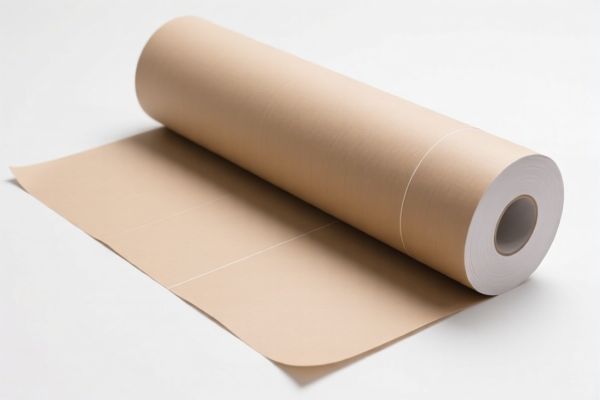
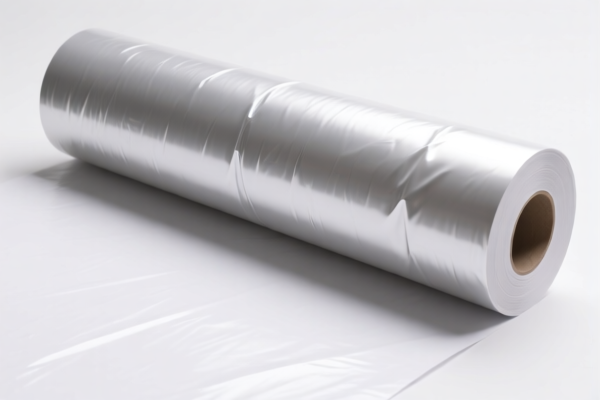
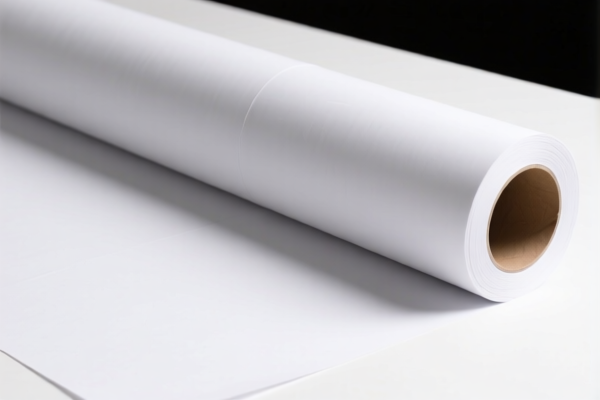
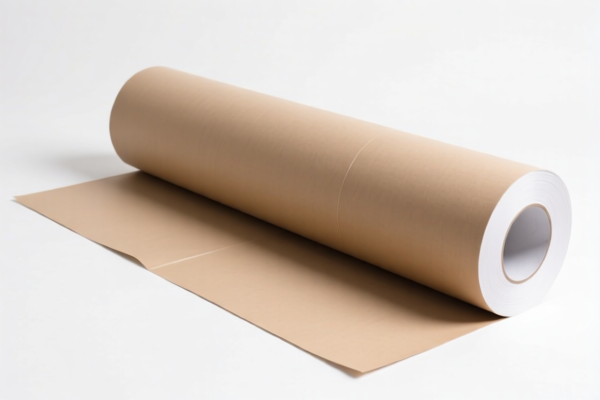
AI Analysis
🎞️ Wide Width Roll Film (Industrial Plastic Rolls)
🌐 HS Code Reference & Customs Clearance Guide | 2026 Latest Tariff Analysis | Professional Logistics Strategy
📌 1. Product Definition: What is "Wide Width Roll Film"?
Wide Width Roll Film generally refers to plastic films produced in large rolls, typically used in industrial packaging, protective layers, agricultural mulch, or construction materials. In international trade, the key classification factors are: * Form: Roll/Strip (Self-adhesive or non-adhesive). * Material: Primarily Plastic (PE, PP, PVC, Acrylic, etc.). * Shape: Flat/Sheet-like but rolled.
⚠️ Critical Distinction Point:
- If it is self-adhesive (sticky on one side, often used for tapes or laminating) → It falls under Heading 3919.
- If it is non-adhesive (plain film, protective film, packaging film) → It falls under Heading 3920 or 3921.
- Material Ambiguity: Since the name "Film" does not specify the polymer type, customs clearance relies on "Common Sense Inference" or supplier declarations to determine if it's Polyethylene (PE), Polypropylene (PP), or Other Plastics.
📦 2. HS Code Classification Details (2026 Latest Tariff Authority)
Based on the provided data, here are the five most likely HS Codes for "Wide Width Roll Film," categorized by adhesion and inferred material:
| HS Code | Product Description | Adhesion Status | Inferred Material | Key Feature |
|---|---|---|---|---|
3919.90.50.40 |
Self-adhesive plastic sheets/films (Other) | ✅ Self-Adhesive | Plastic (General) | Matches "Self-adhesive" morphology; plastic material inferred. |
3919.90.50.60 |
Self-adhesive plastic sheets/films (Other) | ✅ Self-Adhesive | Plastic (General) | Matches "Self-adhesive" morphology; uses "Other" catch-all rule for material. |
3921.90.50.50 |
Other plates, sheets, film, foil, strip (Plastic) | ❌ Non-Adhesive | Plastic (General) | Matches "Film" morphology; material inferred as generic plastic due to no conflict. |
3920.59.10.00 |
Other plates, sheets, film... (Acrylic Polymers) | ❌ Non-Adhesive | Acrylic Polymer | Inferred as Acrylic based on "Other" logic and common industrial film types. |
3921.19.00.10 |
Other plates, sheets, film... (Polymerized by Condensation) | ❌ Non-Adhesive | PE/PP (Condensation) | Inferred as PE/PP (common industrial films) via common sense; no material conflict. |
🔍 Key Insight:
- 3919 Series = Sticky. If your roll has an adhesive backing (like tape or protective film with glue), it MUST be 3919. - 3920/3921 Series = Non-Sticky. Plain plastic films go here. - Material Guessing: Since the input is just "Wide Width Roll Film," the system infers the material. If it’s for packaging, it’s likely PE/PP (3921.19). If it’s for display/signage, it might be Acrylic (3920.59).
💰 3. 2026 Latest Tariff Rate Breakdown (Including Surcharges & Policy Add-ons)
✅ Applicable Country: United States (US)
✅ Origin: China (CN)
✅ Effective Time: November 10, 2025 onwards (Including subsequent imports)
🎯 1. 3919.90.50.40 & 3919.90.50.60 —— Self-Adhesive Plastic Films
| Item | Content |
|---|---|
| Base Tariff | 5.8% |
| Section 301 Surcharge | +25.0% |
| Section 122 Tariff | +10.0% |
| Total Tax Rate | 40.8% |
| Calculation Method | CIF Value × 40.8% |
| De Minimis Eligibility | ❌ Not Eligible (Denied) |
| Legal Path | Base: 3919 → Section 301: 25% → Section 122: 10% |
📌 Explanation:
- Base 5.8%: Standard MFN rate for self-adhesive plastic products.
- Section 301 (25%): Heavy tariff on Chinese plastic goods under Trade Act Section 301.
- Section 122 (10%): Additional surcharge under the International Emergency Economic Powers Act (IEEPA).
- Total 40.8%: This is a high-cost category. Self-adhesive films are heavily taxed.
🎯 2. 3921.90.50.50 —— Other Plastic Films (Non-Adhesive, Generic)
| Item | Content |
|---|---|
| Base Tariff | 4.8% |
| Section 301 Surcharge | +25.0% |
| Section 122 Tariff | +10.0% |
| Total Tax Rate | 39.8% |
| Calculation Method | CIF Value × 39.8% |
| De Minimis Eligibility | ❌ Not Eligible (Denied) |
| Legal Path | Base: 3921 → Section 301: 25% → Section 122: 10% |
📌 Note:
- Slightly cheaper base rate (4.8%) than self-adhesive (5.8%).
- Applies to generic plastic films where the specific polymer isn't specified or falls under "Other."
🎯 3. 3920.59.10.00 —— Acrylic Polymer Films
| Item | Content |
|---|---|
| Base Tariff | 6.0% |
| Section 301 Surcharge | +25.0% |
| Section 122 Tariff | +10.0% |
| Total Tax Rate | 41.0% |
| Calculation Method | CIF Value × 41.0% |
| De Minimis Eligibility | ❌ Not Eligible (Denied) |
| Legal Path | Base: 3920.59 → Section 301: 25% → Section 122: 10% |
📌 Attention:
- If the film is Acrylic (often used for high-clarity packaging or signage), the base rate is higher (6.0%).
- Total rate is 41.0%, the highest among the non-adhesive options.
🎯 4. 3921.19.00.10 —— PE/PP Condensation Polymer Films
| Item | Content |
|---|---|
| Base Tariff | 6.5% |
| Section 301 Surcharge | +25.0% |
| Section 122 Tariff | +10.0% |
| Total Tax Rate | 41.5% |
| Calculation Method | CIF Value × 41.5% |
| De Minimis Eligibility | ❌ Not Eligible (Denied) |
| Legal Path | Base: 3921.19 → Section 301: 25% → Section 122: 10% |
📌 Critical Warning:
- If you can prove the film is Polyethylene (PE) or Polypropylene (PP), it falls under3921.19.
- Base rate is highest (6.5%), leading to a Total Tax of 41.5%.
- Strategy: Unless you are certain it's PE/PP, consider3921.90(4.8% base) or3919(5.8% base) to potentially save on the base component, though the surcharges remain the same.
🛠️ 4. Customs Clearance Practical Advice (Battle-Tested Pitfall Guide)
✅ 1. Essential Documentation Checklist
| Document | Required | Explanation |
|---|---|---|
| ✅ Product Specification Sheet | ✔️ | Must include: Material Type (PE/PP/PVC/Acrylic), Thickness, Width, Adhesive Type (if any). |
| ✅ Commercial Invoice | ✔️ | Must clearly state "Plastic Film" and NOT "Textile" or "Rubber." |
| ✅ Certificate of Origin (CO) | ✔️ | Essential for verifying Chinese origin for Section 301/122 application. |
| ✅ Material Declaration Letter | ✔️ | Explicitly state the polymer composition (e.g., "100% Polyethylene") to avoid "General Plastic" classification traps. |
| ✅ Photos (Roll Ends & Surface) | ✔️ | To prove it is a roll form and identify adhesive vs. non-adhesive. |
✅ 2. Declaration Tips (Key Mantra)
🔥 "Adhesive? Use 3919. Non-Adhesive? Check Material. Base Rate Matters!"
| Scenario | Correct HS Code | Mistake to Avoid |
|---|---|---|
| Sticky Roll (e.g., tape, glue-backed film) | 3919.90.50.40 / .60 |
❌ Misclassifying as 3921 (Wrong heading) |
| Plain Packaging Film (PE/PP) | 3921.19.00.10 |
❌ Using 3921.90 (Higher base rate) |
| Generic/Unknown Plastic Film | 3921.90.50.50 |
❌ Guessing Acrylic if it's not (Higher base rate) |
| High-Clarity/Signage Film | 3920.59.10.00 |
❌ Misclassifying as general plastic if it's Acrylic |
✅ 3. Special Situations Handling
| Situation | Handling Advice |
|---|---|
| Mixed Orders | If a shipment contains both adhesive and non-adhesive films, declare separately. Mixing codes can trigger audits. |
| OEM/Custom Width | Provide customer POs showing custom specifications. This supports the "Industrial Use" classification. |
| Material Dispute | If customs questions the material, provide a Third-Party Lab Report (e.g., SGS) confirming polymer type. |
| Section 122 Exemptions | Currently, no general exemptions for Section 122 on plastic films. Plan for the 10% surcharge. |
🌍 5. Global Market Clearance Comparison (2026 Latest)
| Country/Region | Recommended HS Code | Tariff Rate | Certification | Notes |
|---|---|---|---|---|
| 🇺🇸 USA | 3919.90 or 3921.90 |
39.8% - 41.5% | No special certs required for plastic film | High Tax due to Section 301 & 122. |
| 🇨🇳 China | 3921.19.00.10 |
~6.0% | RoHS (if for electronics) | Low base tariff. |
| 🇪🇺 EU | 3920.61.10 (PE) |
0% - 3% | REACH + RoHS | No Section 301 equivalent. |
| 🇬🇧 UK | 3921.19.00 |
~0% - 5% | UKCA + RoHS | Post-Brexit tariffs vary. |
| 🇲🇽 Mexico | 3921.19.00 |
~0% (USMCA) | NOM Certifications | Zero tariff if US/Canada origin. |
📌 Conclusion:
- USA is the most expensive market for Chinese plastic films due to Section 301 (25%) + Section 122 (10%).
- EU/UK/Mexico offer significantly lower tariffs, but require stricter environmental certifications (REACH, RoHS).
- Strategy: If targeting the US, ensure accurate HS Code classification to minimize the base tariff (e.g., using 4.8% base vs. 6.5% base).
📌 6. Common Mistakes & Pitfall Guide (Blood & Tears Lessons)
❌ Mistake 1: Declaring "Plastic Roll" without specifying Adhesive vs. Non-Adhesive
👉 Consequence: Customs may downgrade to the wrong heading, leading to penalties + back taxes.
❌ Mistake 2: Assuming all Plastic Films have the same Base Rate
👉 Consequence: Using 3921.19 (6.5% base) when 3921.90 (4.8% base) is applicable → Loss of 1.7% on CIF value.
❌ Mistake 3: Ignoring Section 122 Tariff
👉 Consequence: Underestimating landed cost by 10%. Many importers forget this surcharge!
❌ Mistake 4: Misidentifying Material (e.g., calling PE "Plastic")
👉 Consequence: If customs suspects Acrylic but you declare Generic, they may audit and reclassify to 3920.59 (6.0% base).
✅ Correct Practice:
"Plastic Film, Roll Form, [Specific Material e.g., Polyethylene], Non-Adhesive, Width: 1200mm, Thickness: 0.05mm"
🎯 7. Conclusion: Professional Declaration, Cost Optimization!
🎯 Remember the Mantra:
🔹 "Adhesive = 3919, Non-Adhesive = 3921/3920"
🔹 "Base Rate 4.8% vs 6.5% Matters!"
🔹 "Section 122 Adds 10%, Don't Forget It!"
📌 Pro Tip:
If your film is High-Performance Specialty Plastic (e.g., PTFE, PEEK), it may fall under different headings with lower base rates. Always check if your material is "Other" or specific.
Consider applying for an Advance Ruling with US Customs (CBP) to lock in the HS Code and tax rate, avoiding surprise audits.
📣 Immediate Action:
📞 Contact your customs broker + Provide Material Spec Sheet + Verify Adhesive Type
🚀 Optimize Your HS Code, Reduce Landed Cost, Smooth Customs Clearance!
✨ Professional Clearance Starts with Precise Classification!
💼 Every Percentage Point in Base Tariff is Pure Profit!
Customer Reviews
About HS Code Classification
The Harmonized System (HS) is an internationally standardized nomenclature developed by the World Customs Organization (WCO) to classify traded products. Over 200 countries use the HS system as the basis for customs tariffs, trade statistics, and import/export regulations.
Each HS code follows a hierarchical structure:
- Chapter (2 digits) — Broad category of goods (e.g., Chapter 84: Machinery and Mechanical Appliances)
- Heading (4 digits) — More specific grouping within the chapter
- Subheading (6 digits) — Internationally standardized breakdown, used by all WCO member countries
- National subdivisions (8-10 digits) — Country-specific extensions for further classification, such as US HTSUS 10-digit codes
Correct HS code classification is essential for smooth customs clearance, accurate duty payment, and compliance with trade regulations. Misclassification can lead to customs delays, overpayment of duties, or penalties.
When importing from CN to US, the applicable tariff rates may include:
- Most-Favored-Nation (MFN) rate — The standard duty rate applied to WTO members
- General rate — Applied to countries without trade agreements
- Trade remedy duties — Additional tariffs such as Section 301 (anti-dumping), Section 232 (national security), or countervailing duties
The information provided on this page is for reference purposes only. For official classification, please consult with your local customs authority or a licensed customs broker.