Wigs
CN → US| HS Code | Tariff Rate | Origin | Destination | Doc |
|---|---|---|---|---|
| 6704110000 | 17.5% | CN | US | Official Doc |
| 6704200000 | 10.0% | CN | US | Official Doc |
| 6704190000 | 17.5% | CN | US | Official Doc |
| 6703006000 | 17.5% | CN | US | Official Doc |
| 7117909000 | 28.5% | CN | US | Official Doc |
Product Images


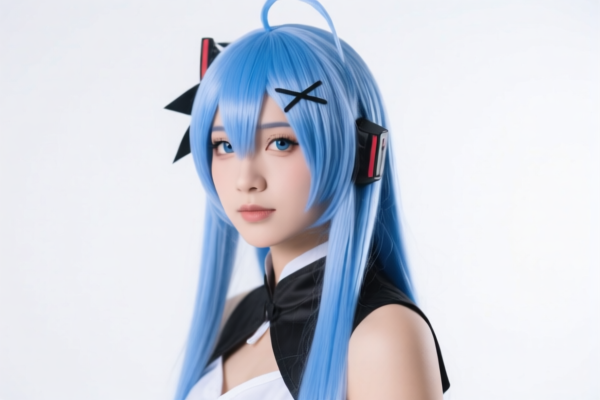

AI Analysis
💇♀️ Wigs & Hair Extensions (Wigs)
🌐 HS Code Reference & Customs Clearance Guide | 2026 Latest Tariff Analysis | Professional Entry Strategy
📌 I. Product Definition & Classification: Do You Truly Understand "Wigs"?
Wigs and hair extensions are complex cosmetic items in international trade. Their classification depends heavily on material composition (human hair, synthetic fibers, animal hair) and form (full wigs, wig pieces, wefts). Misclassification can lead to significant tariff discrepancies due to Section 301 (Trade War) and Section 122 tariffs.
⚠️ Key Distinction Point:
- Human Hair (Processed): Generally attracts lower base duties but is subject to specific add-ons.
- Synthetic/Textile Materials: Often treated as manufactured goods with different base rates.
- Imitation Jewelry: If classified incorrectly as accessories rather than hair goods, duties skyrocket.
📦 II. HS Code Classification Details (2026 Latest Tariff Authority Comparison)
The following HS Codes are derived from the provided data, covering various forms and materials of wigs/hair pieces.
| HS Code | Product Description | Material Inference | Application Scenario |
|---|---|---|---|
6704.20.00.00 |
Wigs; based on form and usage match; material inferred as human or animal hair. | Human or Animal Hair | Full wigs, high-end hairpieces made from natural hair. |
6704.11.00.00 |
Wigs; matches form and usage; material inferred as human hair or textile materials. | Human Hair / Textiles | Mixed-material wigs or those blending natural and synthetic fibers. |
6704.19.00.00 |
Wig pieces; matches form and usage; material inferred as textile or synthetic materials. | Textile / Synthetic | Synthetic hairpieces, bangs, clip-ins made from synthetic fibers. |
6703.00.60.00 |
Hair pieces; matches usage and material, complying with classification for processed human hair or textile materials used for making wigs. | Processed Human Hair / Textiles | Raw or semi-processed hair materials specifically designated for wig manufacturing. |
7117.90.90.00 |
Hair pieces; belongs to the category of imitation jewelry/accessories; material inferred as artificial fiber or hair. | Artificial Fiber / Hair | High Risk: Classified as "Imitation Jewelry" if the hair function is secondary or if it's decorative accessory hair. |
🔍 Critical Reminder:
- Do not confuse "Hair Goods" (Chapter 67) with "Imitation Jewelry" (Chapter 71).
- If the product is primarily for wearing as hair (wigs, extensions), it must go to Chapter 67 (6704.*or6703.*).
- Classifying a wig as7117.90.90.00(Imitation Jewelry) triggers a much higher total duty (28.5%) due to higher base tariffs. Always prioritize functional classification over material appearance unless it is purely decorative.
💰 III. 2026 Latest Tariff Rate Details (Including Add-ons, Policy Add-ons)
✅ Applicable Country: United States (US)
✅ Origin: China (CN)
✅ Effective Time: Includes subsequent imports post-2025 policies (Section 301 & Section 122).
🎯 1. 6704.20.00.00 —— Wigs (Human/Animal Hair)
| Item | Content |
|---|---|
| Base Tariff | 0.0% |
| Section 301 Add-on | 0.0% |
| Section 122 Tariff | +10.0% |
| Total Rate | 10.0% |
| Tax Calculation | CIF Value × 10% |
| De Minimis Exemption | ❌ No (Subject to Section 122 restrictions) |
| Legal Basis Path | USITC:6704.20.00.00 → Section122:10% |
📌 Explanation:
- This is the most favorable rate among the options.
- It applies specifically to wigs where the material is inferred as human or animal hair.
- Note: The Section 122 tariff (often related to specific strategic goods or reciprocal measures) applies here, but the base and Section 301 are 0%.
🎯 2. 6704.11.00.00 —— Wigs (Human Hair/Textile)
| Item | Content |
|---|---|
| Base Tariff | 0.0% |
| Section 301 Add-on | +7.5% |
| Section 122 Tariff | +10.0% |
| Total Rate | 17.5% |
| Tax Calculation | CIF Value × 17.5% |
| De Minimis Exemption | ❌ No |
| Legal Basis Path | USITC:6704.11.00.00 → Section301:7.5% → Section122:10% |
📌 Note:
- This rate applies if the material is inferred as human hair or textile materials but falls under a different subheading than6704.20.
- The 7.5% Section 301 tariff makes this significantly more expensive than6704.20.
🎯 3. 6704.19.00.00 & 6703.00.60.00 —— Wig Pieces / Processed Hair
| Item | Content |
|---|---|
| Base Tariff | 0.0% |
| Section 301 Add-on | +7.5% |
| Section 122 Tariff | +10.0% |
| Total Rate | 17.5% |
| Tax Calculation | CIF Value × 17.5% |
| De Minimis Exemption | ❌ No |
| Legal Basis Path | USITC:6704.19.00.00 / 6703.00.60.00 → Section301:7.5% → Section122:10% |
📌 Note:
- These codes cover wig pieces (bangs, clips) and processed hair materials.
- Same tariff structure as6704.11.00.00.
- Ensure the description clearly states "Wig Pieces" or "Processed Human Hair" to match these codes.
🎯 4. 7117.90.90.00 —— Imitation Jewelry (Misclassified Wigs/Hair Pieces)
| Item | Content |
|---|---|
| Base Tariff | 11.0% |
| Section 301 Add-on | +7.5% |
| Section 122 Tariff | +10.0% |
| Total Rate | 28.5% |
| Tax Calculation | CIF Value × 28.5% |
| De Minimis Exemption | ❌ No |
| Legal Basis Path | USITC:7117.90.90.00 → Section301:7.5% → Section122:10% |
📌 Warning:
- This is the highest tax rate.
- It applies if the hair piece is classified as "Imitation Jewelry" or "Accessories" rather than a wig/hair good.
- Avoid this classification for functional wigs unless they are purely decorative hairpins/jewelry with no hair-wearing function.
🛠️ IV. Customs Clearance Practical Advice (Real-World Pitfall Guide)
✅ 1. Documentation Checklist (Essential)
| Document | Mandatory? | Description |
|---|---|---|
| ✅ Product Specifications | ✔️ | Must specify: Material (Human/Synthetic/Animal), Type (Full Wig/Clip-in/Weft), Origin. |
| ✅ Material Composition Report | ✔️ | Lab report proving % of human vs. synthetic hair. Critical for choosing between 6704.20 and 6704.19. |
| ✅ Photos of Product | ✔️ | Clear shots of the wig on a mannequin head, showing density and construction. |
| ✅ Commercial Invoice | ✔️ | Description must match HS Code. Use terms like "Human Hair Wig" not just "Hair Accessory". |
| ✅ Packing List | ✔️ | Include weights and dimensions. |
✅ 2. Declaration Tips (Key Mantras)
🔥 "Material Defines Code, Function Defines Chapter. Don't call a Wig a Jewelry!"
| Scenario | Correct Declaration | Wrong Declaration |
|---|---|---|
| Full Wig (Human Hair) | "Wig, 100% Human Hair" → 6704.20.00.00 (10%) |
"Hair Accessory" → Risk of 7117.90.90.00 (28.5%) |
| Synthetic Wig | "Synthetic Wig" → 6704.19.00.00 (17.5%) |
"Hairpiece" (Vague) → May trigger higher base rates |
| Hair Extensions (Clip-ins) | "Wig Pieces, Synthetic" → 6704.19.00.00 (17.5%) |
"Jewelry Clip" → 7117.90.90.00 (28.5%) |
| Raw Processed Hair | "Processed Human Hair for Wig Making" → 6703.00.60.00 (17.5%) |
"Textile Material" → May fall under incorrect textile chapters |
✅ 3. Special Handling
| Situation | Handling Advice |
|---|---|
| Mixed Materials | If wig contains both human and synthetic hair, declare the primary material. If it's mostly human hair, argue for 6704.20 or 6704.11. |
| "Human Hair" Claim | Must provide vetting documents or supplier declarations proving it is not synthetic. Fake claims lead to fines. |
| Section 122 Impact | All HS Codes above are subject to Section 122 Tariff (10%). This is non-negotiable for CN origin. |
| De Minimis (Section 321) | ❌ Not Available. Wigs from China are not eligible for the $800 de minimis exemption due to Section 301/122 duties. Full duty must be paid. |
🌍 V. Global Market Comparison (2026)
| Country/Region | Recommended HS Code | Tariff (CN Origin) | Certification | Notes |
|---|---|---|---|---|
| 🇺🇸 USA | 6704.20.00.00 |
10% (Human Hair) | None specific | Highest rate for Jewelry is 28.5%. Avoid misclassification. |
| 🇺🇸 USA | 6704.19.00.00 |
17.5% (Synthetic) | None specific | Synthetic wigs pay more due to Section 301. |
| 🇨🇳 China | 6704.20.00.00 |
~10-12% (Import) | CCC (if applicable) | Domestic trade varies. |
| 🇪🇺 EU | 6704.20.00.00 |
5-7% | REACH Compliance | No Section 301/122. Lower duties than US. |
| 🇬🇧 UK | 6704.20.00.00 |
5-7% | UKCA | Post-Brexit rules apply. |
📌 Conclusion:
- USA is the most challenging market for wigs due to the combination of Base Tariffs + Section 301 (if applicable) + Section 122.
- Human Hair Wigs (6704.20) are the most tax-efficient entry point into the US.
- Synthetic Wigs carry a higher burden (17.5%).
- Never classify wigs as Jewelry (7117) unless strictly necessary, as it nearly doubles the tax.
📌 VI. Common Errors & Pitfalls (Blood and Tears Lessons)
❌ Error 1: Calling a "Synthetic Wig" a "Human Hair Wig" to get 10% duty.
👉 Consequence: Customs inspection reveals synthetic fibers → Fine + Back Tax + Penalty.
❌ Error 2: Declaring "Hair Accessories" for full wigs.
👉 Consequence: Customs may classify under Chapter 71 (7117.90.90.00) → 28.5% Duty instead of 10%.
❌ Error 3: Assuming De Minimis ($800) applies.
👉 Consequence: Package is seized or returned because Section 122/301 duties override de minimis for Chinese goods.
❌ Error 4: Not specifying "Wig" in the invoice.
👉 Consequence: Vague description "Hair Pieces" leads to manual review delays and potential reclassification.
✅ Correct Action:
"Wig, Full Head, Human Hair, Heat Resistant, Length 12 inch, Model W-100, Made in China"
HS Code:6704.20.00.00
🎯 VII. Conclusion: Professional Declaration, Save Costs!
🎯 Remember the Mantra:
🔹 "Human Hair = 10%, Synthetic = 17.5%, Jewelry Misclass = 28.5%.
🔹 "Section 122 is everywhere. No De Minimis for China. Declare Material Clearly."
📌 Pro Tip:
If your wigs are made in Vietnam, Cambodia, or Indonesia, you MIGHT be eligible for lower Section 301 rates or exemptions. However, Section 122 may still apply depending on the specific good list.
Always perform an Advance Ruling if the material mix is complex.
📣 Immediate Action:
📞 Contact a Customs Broker + Provide Material Breakdown + Apply for HS Code Pre-ruling
🚀 Let your wigs clear customs smoothly, maximize profit, and avoid delays!
✨ Professional clearance starts with accurate classification!
💼 Your every dollar of cost deserves precise calculation!
Customer Reviews
About HS Code Classification
The Harmonized System (HS) is an internationally standardized nomenclature developed by the World Customs Organization (WCO) to classify traded products. Over 200 countries use the HS system as the basis for customs tariffs, trade statistics, and import/export regulations.
Each HS code follows a hierarchical structure:
- Chapter (2 digits) — Broad category of goods (e.g., Chapter 84: Machinery and Mechanical Appliances)
- Heading (4 digits) — More specific grouping within the chapter
- Subheading (6 digits) — Internationally standardized breakdown, used by all WCO member countries
- National subdivisions (8-10 digits) — Country-specific extensions for further classification, such as US HTSUS 10-digit codes
Correct HS code classification is essential for smooth customs clearance, accurate duty payment, and compliance with trade regulations. Misclassification can lead to customs delays, overpayment of duties, or penalties.
When importing from CN to US, the applicable tariff rates may include:
- Most-Favored-Nation (MFN) rate — The standard duty rate applied to WTO members
- General rate — Applied to countries without trade agreements
- Trade remedy duties — Additional tariffs such as Section 301 (anti-dumping), Section 232 (national security), or countervailing duties
The information provided on this page is for reference purposes only. For official classification, please consult with your local customs authority or a licensed customs broker.