Wigs and other hair articles
CN → US| HS Code | Tariff Rate | Origin | Destination | Doc |
|---|---|---|---|---|
| 6704110000 | 17.5% | CN | US | Official Doc |
| 6704200000 | 10.0% | CN | US | Official Doc |
| 6703003000 | 17.5% | CN | US | Official Doc |
| 7117909000 | 28.5% | CN | US | Official Doc |
Product Images

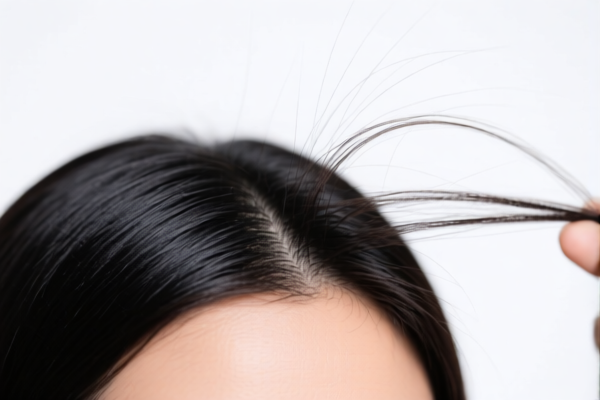


AI Analysis
💇♀️ Wigs and Other Hair Articles (The Hair Extension & Wig Industry)
🌐 HS Code Reference & Customs Clearance Guide | 2026 Latest Tariff Analysis | Professional Strategy
📌 1. Product Definition & Classification: Do You Really Understand "Hair Articles"?
Wigs and hair articles are a complex category in international trade, divided primarily by material composition and product form. Misclassification here leads to significant tariff differences due to US trade policies (Section 301 and Section 122).
Two Main Categories:
- Human Hair Products (人发制品): Made from real human hair. These are high-value luxury goods.
- Synthetic Fiber Products (合成纤维制品): Made from synthetic filaments (acrylic, polyester, etc.) or processed animal hair. These are more common in mass-market wig production.
⚠️ Key Distinction Point:
- If the material is human hair (even if mixed with synthetic for base netting) → Usually classified under 6704.20 (Human Hair).
- If the material is synthetic fiber (polyester, acrylic, modacrylic) → Usually classified under 6704.11 or 6703.
- Note: Some customs officials may misclassify synthetic wigs as "Jewelry/Imitations" under Chapter 71. Do not accept this without proof!
📦 2. HS Code Classification Details (2026 Latest Tariff Authority Comparison)
| HS Code | Product Description | Applicable Scenario | Material |
|---|---|---|---|
6704.11.00.00 |
Wigs, false hairpieces, etc., made of synthetic fibers | Mass-market synthetic wigs, fashion hairpieces, bangs | ✅ Synthetic Fibers |
6704.20.00.00 |
Wigs, false hairpieces, etc., made of human hair | Luxury wigs, human hair extensions, bundles | ✅ Human Hair |
6703.00.30.00 |
Prepared human or animal hair, not carded/combed | Raw hair locks, hair bundles before wig assembly | ✅ Hair (Raw/Processed) |
7117.90.90.00 |
Imitation jewelry, imitation personal ornaments | Incorrectly classified synthetic hairpieces treated as "ornaments" | ❌ Misclassification Risk |
🔍 Key Reminder:
- Chapter 67 (Wigs/Hair) is the correct chapter for functional hair products. - Chapter 71 (Jewelry) is often used incorrectly by brokers to simplify declarations. This is dangerous because7117.90.90.00has a much higher base duty (11%) plus all surcharges. - Always declare based on material: Synthetic →6704.11; Human →6704.20.
💰 3. 2026 Latest Tariff Rate Breakdown (Including Surcharges & Policy Add-ons)
✅ Applicable Country: United States (US)
✅ Origin: China (CN)
✅ Effective Time: Current rates apply (Section 301 + Section 122)
🎯 1. 6704.11.00.00 —— Synthetic Fiber Wigs/Hairpieces
| Item | Content |
|---|---|
| Base Duty Rate | 0% (ad valorem) |
| USITC Surcharge (Section 301) | +7.5% |
| Section 122 Surcharge | +10% |
| Total Tax Rate | 17.5% |
| Tax Calculation | CIF Value × 17.5% |
| De Minimis Eligibility | ❌ Not Eligible (Deny de minimis for Section 301/122 goods) |
| Legal Basis Path | USITC:6704.11.00.00 → FOOTNOTE:301 → SECTION122:6704.11.00.00 |
📌 Explanation:
- Synthetic hair products from China are subject to Section 301 tariffs (7.5%) due to their classification as manufactured goods. - Section 122 tariffs (10%) apply specifically to certain textile and apparel-related items, including synthetic hair products. - Total: 17.5%. This is the standard rate for synthetic wigs from China.
🎯 2. 6704.20.00.00 —— Human Hair Wigs/Hairpieces
| Item | Content |
|---|---|
| Base Duty Rate | 0% (ad valorem) |
| USITC Surcharge (Section 301) | 0% (Exempted or low impact on natural fiber articles) |
| Section 122 Surcharge | +10% |
| Total Tax Rate | 10.0% |
| Tax Calculation | CIF Value × 10.0% |
| De Minimis Eligibility | ❌ Not Eligible |
| Legal Basis Path | USITC:6704.20.00.00 → SECTION122:6704.20.00.00 |
📌 Note:
- Human hair products are exempt from Section 301 tariffs in many cases because they are considered "natural fiber" articles rather than manufactured synthetic goods. - However, Section 122 (10%) still applies. - Total: 10.0%. This is 7.5% cheaper than synthetic wigs!
🎯 3. 6703.00.30.00 —— Prepared Human/Animal Hair (Raw/Unmade)
| Item | Content |
|---|---|
| Base Duty Rate | 0% |
| USITC Surcharge (Section 301) | +7.5% |
| Section 122 Surcharge | +10% |
| Total Tax Rate | 17.5% |
| Tax Calculation | CIF Value × 17.5% |
| De Minimis Eligibility | ❌ Not Eligible |
📌 Explanation:
- This code is for hair bundles, locks, or wefts not yet assembled into wigs. - Same tax structure as synthetic wigs: 17.5%.
🎯 4. 7117.90.90.00 —— Imitation Jewelry (Incorrect Classification)
| Item | Content |
|---|---|
| Base Duty Rate | 11% |
| USITC Surcharge (Section 301) | +7.5% |
| Section 122 Surcharge | +10% |
| Total Tax Rate | 28.5% |
| Tax Calculation | CIF Value × 28.5% |
| De Minimis Eligibility | ❌ Not Eligible |
📌 Warning:
- NEVER declare synthetic wigs as "Imitation Jewelry" (7117.90) unless specifically advised by customs counsel. - This results in an 11% base duty instead of 0%, leading to a total tax of 28.5%. - This is 11% more expensive than correct classification!
🛠️ 4. Customs Clearance Practical Advice (Battle-Tested Pitfall Avoidance)
✅ 1. Documentation Checklist (Non-Negotiable)
| Document | Must Provide | Description |
|---|---|---|
| ✅ Product Specification Sheet | ✔️ | Detail material: "100% Human Hair" or "100% Synthetic Fiber (Modacrylic)" |
| ✅ Material Composition Certificate | ✔️ | Third-party test report proving hair type (burn test, microscopic analysis) |
| ✅ Product Photos | ✔️ | Clear shots of wig cap, hair texture, labels |
| ✅ Commercial Invoice | ✔️ | Clearly state "Wig" or "Hair Extension", NOT "Jewelry" or "Accessory" |
| ✅ Packing List | ✔️ | Weight and quantity details |
✅ 2. Declaration Strategy (Key Mantra)
🔥 “Human Hair is 10%, Synthetic is 17.5%, Jewelry is 28.5%! Don’t Be Greedy, Be Accurate!”
| Scenario | Correct Declaration | Wrong Practice |
|---|---|---|
| Synthetic Wig | 6704.11.00.00 |
Declare as 7117.90.90.00 → Pay 28.5% |
| Human Hair Wig | 6704.20.00.00 |
Declare as 6704.11.00.00 → Pay 17.5% (Overpay 7.5%) |
| Hair Bundles | 6703.00.30.00 |
Declare as completed wig → Risk of classification error |
| Mixed Material | 6704.20.00.00 |
If human hair is the main component, use Human Hair code |
✅ 3. Special Cases Handling
| Situation | Handling Advice |
|---|---|
| Mixed Material Wigs (e.g., human hair top, synthetic base) | If human hair constitutes >50% by value or weight, declare under 6704.20 (Human Hair) for lower duty. |
| Wig Caps Only (No Hair) | May be classified under apparel or textile chapters. Consult a broker. |
| Hairpieces for Medical Use (Alopecia) | Same HS codes, but may qualify for different import quotas or exemptions in some jurisdictions. |
| Section 122 Exemptions | Check if specific synthetic fiber products are excluded from Section 122. Currently, most hair articles are included. |
🌍 5. Global Market Clearance Comparison (2026 Latest)
| Country/Region | Recommended HS Code | Duty Rate | Certification | Note |
|---|---|---|---|---|
| 🇺🇸 USA | 6704.20.00.00 |
10% | None specific | High scrutiny on "Human Hair" claims |
| 🇪🇺 EU | 6704.20 |
0-6.5% | CE (if applicable) | Lower taxes than US |
| 🇬🇧 UK | 6704.20 |
0-5% | UKCA | Post-Brexit changes |
| 🇨🇳 China | 6704.20 |
0-10% | CCC (if electronic) | Export hub, lower duties |
| 🇦🇺 Australia | 6704.20 |
5% | APEC | No Section 301 |
📌 Conclusion:
- US Market is the most expensive due to Section 301 + Section 122. - Human Hair (6704.20) is 7.5% cheaper than Synthetic (6704.11) in the US. - Avoid Chapter 71 unless you are selling decorative hair clips that are not functional wigs.
📌 6. Common Errors & Pitfall Guide (Blood Lessons)
❌ Error 1: Declaring Synthetic Wigs as "Imitation Jewelry" (7117.90)
👉 Consequence: 28.5% Tax instead of 17.5% → 11% extra cost per dollar!
❌ Error 2: Declaring Human Hair Wigs as Synthetic (6704.11)
👉 Consequence: 17.5% Tax instead of 10% → 7.5% overpayment!
❌ Error 3: Failing to Prove "Human Hair"
👉 Consequence: Customs defaults to Synthetic Rate (17.5%) or higher if documentation is missing.
❌ Error 4: Not Accounting for Section 122
👉 Consequence: Many brokers forget Section 122, leading to underpayment and penalties upon audit.
✅ Correct Approach:
"Wig, 12-inch, 100% Human Hair, Hand-tied, Model XYZ, No Electronic Components"
🎯 7. Conclusion: Professional Classification Saves Money!
🎯 Remember the Mantra:
🔹 "Human Hair: 10% | Synthetic: 17.5% | Jewelry: 28.5%!"
🔹 "Material is King, Documentation is Queen, Classification is Kingpin!"
📌 Pro Tip:
If your hair products are processed in Vietnam, Indonesia, or Turkey, you may be able to avoid Section 301 tariffs.
Consider supply chain diversification to reduce landed costs.
📣 Immediate Action:
📞 Contact a Licensed Customs Broker + Provide Material Test Report + Apply for HS Code Advance Ruling
🚀 Let your wigs clear smoothly, reduce costs, and maximize profit!
✨ Professional Clearance Starts with Accurate Classification!
💼 Every Cent Saved is Profit Earned!
Customer Reviews
About HS Code Classification
The Harmonized System (HS) is an internationally standardized nomenclature developed by the World Customs Organization (WCO) to classify traded products. Over 200 countries use the HS system as the basis for customs tariffs, trade statistics, and import/export regulations.
Each HS code follows a hierarchical structure:
- Chapter (2 digits) — Broad category of goods (e.g., Chapter 84: Machinery and Mechanical Appliances)
- Heading (4 digits) — More specific grouping within the chapter
- Subheading (6 digits) — Internationally standardized breakdown, used by all WCO member countries
- National subdivisions (8-10 digits) — Country-specific extensions for further classification, such as US HTSUS 10-digit codes
Correct HS code classification is essential for smooth customs clearance, accurate duty payment, and compliance with trade regulations. Misclassification can lead to customs delays, overpayment of duties, or penalties.
When importing from CN to US, the applicable tariff rates may include:
- Most-Favored-Nation (MFN) rate — The standard duty rate applied to WTO members
- General rate — Applied to countries without trade agreements
- Trade remedy duties — Additional tariffs such as Section 301 (anti-dumping), Section 232 (national security), or countervailing duties
The information provided on this page is for reference purposes only. For official classification, please consult with your local customs authority or a licensed customs broker.