Wild Mink Raw Furskins (Whole Skin, with Attachments)
CN → US| HS Code | Tariff Rate | Origin | Destination | Doc |
|---|---|---|---|---|
| 4302110010 | 37.1% | CN | US | Official Doc |
| 4302110020 | 37.1% | CN | US | Official Doc |
| 4302110010 | 37.1% | CN | US | Official Doc |
| 4302110020 | 37.1% | CN | US | Official Doc |
| 4302110010 | 37.1% | CN | US | Official Doc |
Product Images
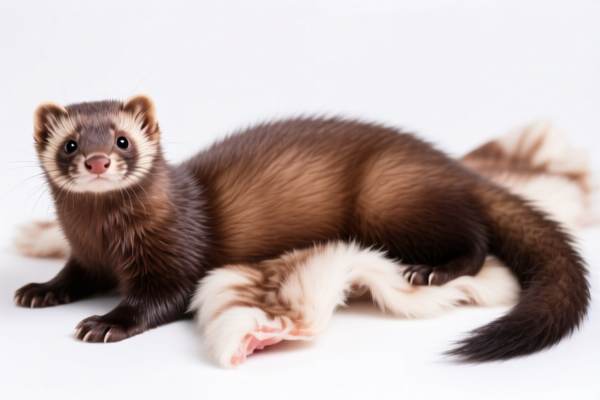
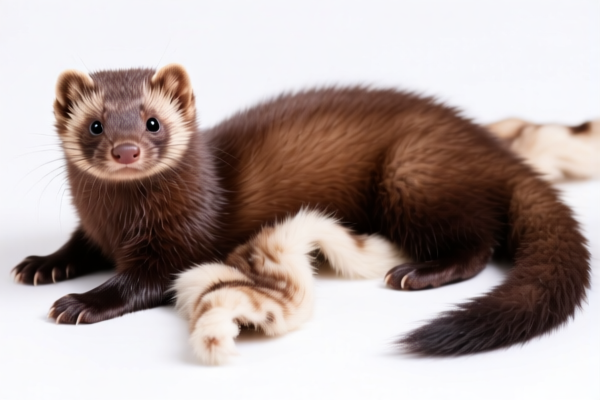
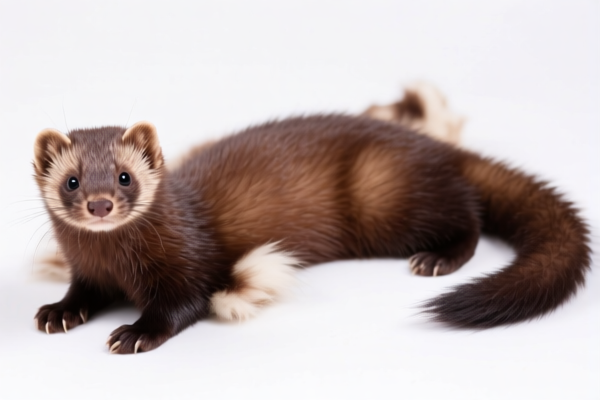
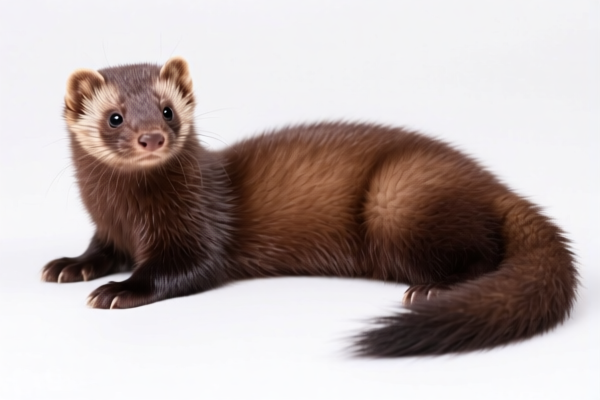
AI Analysis
🦫 Wild Mink Raw Furskins (Whole Skin, with Attachments)
🌐 HS Code Classification & Customs Clearance Guide | 2026 Latest Tariff Analysis | Professional Clearance Strategy
📌 I. Product Definition & Classification: What Exactly Is "Wild Mink Raw Furskin"?
Wild Mink Raw Furskins, specifically Whole Skin with Attachments, are untreated animal pelts harvested from wild minks. In international trade, these raw materials are classified based on their material (Mink), form (Whole Skin), and processing state (Raw/Untreated).
The critical distinction in classification lies in whether the mink is of the Collinsk (Kolvinsky) breed or non-Collinsk. This distinction dictates the precise 10-digit HS Code, although both currently attract the same high tariff rate in the US context provided.
⚠️ Key Classification Criteria: - Material: Mink (貂皮) - Form: Whole Skin / Full Skin (整张皮/全皮) - State: Untreated / Raw / Rawhide (未经处理/初级形态) - Attachments: Presence of head, legs, or tail does not change the "Whole Skin" classification if attached.
📦 II. HS Code Classification Details (Based on Provided Data)
According to the provided data, the goods fall into two primary categories depending on the specific breed (Collinsk vs. Non-Collinsk). Both codes share the same tax structure.
| HS Code | Product Description | Matching Logic | Tax Rate |
|---|---|---|---|
4302.11.00.10 |
Collinsk Mink Skins (Whole, Raw) | Matches "Collinsk Mink" (柯林斯基貂), Whole Skin (整张皮), Untreated/Raw (未经处理). | 37.1% |
4302.11.00.20 |
Other Mink Skins (Whole, Raw) | Matches "Non-Collinsk Mink" (非柯林斯基貂), Whole Skin (全皮), Raw/Untreated (初级形态). | 37.1% |
🔍 Critical Note on Collinsk vs. Non-Collinsk: -
4302.11.00.10is reserved specifically for Collinsk Mink (a rare, high-value subspecies known for specific fur characteristics). -4302.11.00.20covers standard Wild Mink (non-Collinsk). - Why it matters: Misclassifying standard wild mink as Collinsk mink can lead to severe penalties for tax evasion. Conversely, over-classifying Collinsk mink may result in unnecessary scrutiny. - Data Consistency: The provided data shows both codes result in a 37.1% total tax rate for US imports from China.
💰 III. 2026 Tariff Rate Breakdown (Detailed Tax Clauses)
✅ Applicable Country: United States (US)
✅ Origin: China (CN) (Inferred from tax details: 25% Section 301 + 10% Section 122)
✅ Total Effective Tariff: 37.1%
🎯 1. Tax Structure Analysis
The total tax rate of 37.1% is composed of three distinct components:
| Tax Component | Rate | Legal Basis / Clause | Explanation |
|---|---|---|---|
| Base Duty (MFN) | 2.1% | HTSUS Chapter 43 Base Rate | The standard Most Favored Nation duty rate for raw mink skins. |
| Section 301 Tariff | 25.0% | 19 U.S.C. § 1628 (Section 301) | Additional duty imposed on Chinese goods due to trade disputes. |
| Section 122 Tariff | 10.0% | Section 122 (Trade Act of 1974) | Additional duty specifically targeting Chinese imports (often associated with specific commodity lists or temporary measures). |
| TOTAL | 37.1% | Sum of 2.1% + 25.0% + 10.0% |
📌 Explanation: - Base Duty (2.1%): This is the standard WTO MFN rate for HS 4302.11. - Section 301 (25%): This is the heavy-hitter. Almost all Chinese-origin furskins are subject to this unless a specific exclusion was granted (rare for raw materials). - Section 122 (10%): This is an additional layer on top of Section 301. Note: Some sources may list Section 122 as part of broader China-specific tariffs, but the data explicitly breaks it out as 10%. - No De Minimis Exemption: These goods do NOT qualify for the $800 de minimis exemption (Section 321). Furskins are high-value, regulated commodities, and shipments must be formally entered.
🛠️ IV. Customs Clearance Practical Advice (Pitfall Avoidance)
✅ 1. Essential Documentation Checklist
| Document | Required? | Purpose |
|---|---|---|
| ✅ Commercial Invoice | ✔️ | Must clearly state: "Mink Skins, Whole, Raw, Chinese Origin." |
| ✅ Packing List | ✔️ | Detail number of skins, weights, and any attachments (head, legs). |
| ✅ Certificate of Origin (CO) | ✔️ | Critical for proving Chinese origin to apply correct Section 301/122 rates. |
| ✅ Fur Identification Report | ✔️ | Crucial: Must confirm species (Mustela vison vs. Collinsk subtype) to justify HS Code (10 vs. 20). |
| ✅ CITES Permit (if applicable) | ✔️ | If the mink is protected under CITES Appendix I or II, specific permits are needed. Most farmed/standard wild mink may have exemptions, but documentation is key. |
✅ 2. Declaration Best Practices
🔥 "Be Precise: Species, Form, State"
| Scenario | Recommended Declaration | Risk of Error |
|---|---|---|
| Standard Wild Mink | "Mink Skins, Whole, Raw, Not Collinsk, Origin China" | Low risk if correctly identified. |
| Collinsk Mink | "Collinsk Mink Skins, Whole, Raw, Origin China" | High Risk if mislabeled. Requires expert verification. |
| Partially Tanned | "Partially Tanned Mink Skins" | Wrong Code: Will trigger inspection. Must be truly "Raw/Untreated." |
| With Attachments | "Whole Skin with Head/Legs" | Acceptable. Does not change HS Code, but must be declared. |
✅ 3. Special Considerations
| Issue | Advice |
|---|---|
| Misclassification | Do not guess between 10 and 20. If unsure, declare as 20 (non-Collinsk) unless you have proof of Collinsk lineage. The tax rate is the same, but legal compliance differs. |
| Section 122 Ambiguity | Ensure your broker is applying Section 122 correctly. Some brokers may miss the 10% if only aware of Section 301. |
| CITES Compliance | Verify if the mink falls under CITES. Even if not listed, some US states have additional restrictions. |
| Value Declaration | Declaring low value to reduce tax will trigger audits. Furskins have transparent market prices. |
🌍 V. Global Market Comparison (2026)
| Country/Region | HS Code | Base Duty | China-Specific Surcharges | Total Est. Rate | Notes |
|---|---|---|---|---|---|
| 🇺🇸 USA | 4302.11.00.10 / .20 |
2.1% | +25% (Sec 301) +10% (Sec 122) | 37.1% | High barrier. Formal entry required. |
| 🇨🇳 China | 4302.11.00.10 / .20 |
~5-10% | None | ~5-10% | Lower duty, but strict environmental regulations. |
| 🇪🇺 EU | 4302.11.00 |
0-10% | None | 0-10% | Strict animal welfare and CITES rules apply. |
| 🇬🇧 UK | 4302.11.00 |
0-10% | None | 0-10% | Post-Brexit rules align closely with EU. |
📌 Conclusion: - The US market is the most challenging due to the 37.1% total tariff. - No significant duty advantages exist for other major markets compared to the US surcharges. - CITES and Animal Welfare regulations are global and stricter than tariff issues.
📌 VI. Common Mistakes & Pitfalls (Lessons Learned)
❌ Mistake 1: Misidentifying Collinsk Mink as Standard Mink
👉 Consequence: Legal penalties for false declaration, even if tax rate is the same.
👉 Solution: Obtain a Species Identification Certificate from a qualified fur expert.
❌ Mistake 2: Omitting "Whole Skin" in Description
👉 Consequence: Customs may classify as "pieces" or "scraps," leading to different, potentially higher duties or seizure.
👉 Solution: Always specify "Whole Skin" and "With Attachments" if applicable.
❌ Mistake 3: Assuming De Minimis Applies
👉 Consequence: Shipment held, fines levied. Furskins are not eligible for $800 exemption.
👉 Solution: Always file a formal entry.
❌ Mistake 4: Ignoring Section 122
👉 Consequence: Underpayment of duties by 10%.
👉 Solution: Ensure your broker applies both 25% (Sec 301) and 10% (Sec 122).
✅ Correct Declaration Example:
"Mink Skins, Whole, Raw, Not Collinsk, Origin China. HS Code: 4302.11.00.20. Quantity: 100 Skins. Gross Weight: 50 kg."
🎯 VII. Conclusion: Precision in Classification, Profit in Clearance
🎯 Key Takeaways:
🔹 "Raw, Whole, Chinese Origin = 37.1% Total Duty."
🔹 "Collinsk vs. Non-Collinsk: Choose Code 10 or 20 based on species, not convenience."
🔹 "No De Minimis: Formal entry is mandatory."
🔹 "Documentation is King: CITES, Species ID, and Origin Certs are non-negotiable."
📌 Pro Tip:
Given the high tariff rate (37.1%), consider:
1. Supply Chain Diversification: Source from non-Chinese origins (e.g., Denmark, Canada) if possible to avoid Section 301/122.
2. Pre-Ruling: Request an Advance Ruling from US Customs if there is doubt about species classification.
3. Tariff Engineering: If products can be processed in a third country (e.g., tanning in Canada), they may qualify for a different origin, but this is complex and requires strict rules of origin compliance.
📣 Immediate Action:
📞 Contact a licensed customs broker specializing in animal products.
📄 Prepare species identification reports before shipment.
🚀 Calculate landed cost including the full 37.1% tariff to ensure profitability.
✨ Professional clearance starts with accurate classification!
💼 Your profit margin depends on precise HS Codes and tax compliance!
Customer Reviews
About HS Code Classification
The Harmonized System (HS) is an internationally standardized nomenclature developed by the World Customs Organization (WCO) to classify traded products. Over 200 countries use the HS system as the basis for customs tariffs, trade statistics, and import/export regulations.
Each HS code follows a hierarchical structure:
- Chapter (2 digits) — Broad category of goods (e.g., Chapter 84: Machinery and Mechanical Appliances)
- Heading (4 digits) — More specific grouping within the chapter
- Subheading (6 digits) — Internationally standardized breakdown, used by all WCO member countries
- National subdivisions (8-10 digits) — Country-specific extensions for further classification, such as US HTSUS 10-digit codes
Correct HS code classification is essential for smooth customs clearance, accurate duty payment, and compliance with trade regulations. Misclassification can lead to customs delays, overpayment of duties, or penalties.
When importing from CN to US, the applicable tariff rates may include:
- Most-Favored-Nation (MFN) rate — The standard duty rate applied to WTO members
- General rate — Applied to countries without trade agreements
- Trade remedy duties — Additional tariffs such as Section 301 (anti-dumping), Section 232 (national security), or countervailing duties
The information provided on this page is for reference purposes only. For official classification, please consult with your local customs authority or a licensed customs broker.