Wild Muskrat Fur
CN → US| HS Code | Tariff Rate | Origin | Destination | Doc |
|---|---|---|---|---|
| 4103901190 | 17.5% | CN | US | Official Doc |
| 4302206000 | 38.5% | CN | US | Official Doc |
| 4103902000 | 20.8% | CN | US | Official Doc |
| 4302193070 | 36.5% | CN | US | Official Doc |
| 4103901190 | 17.5% | CN | US | Official Doc |
Product Images
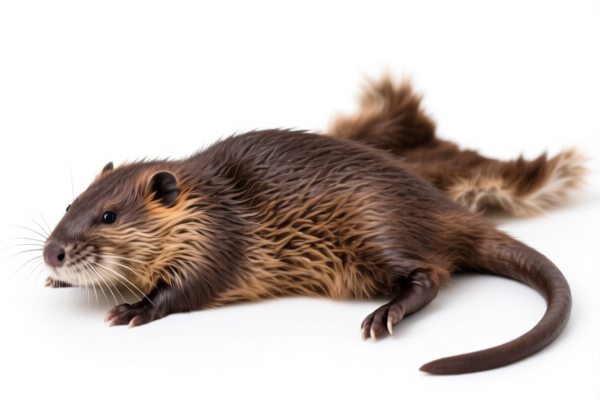
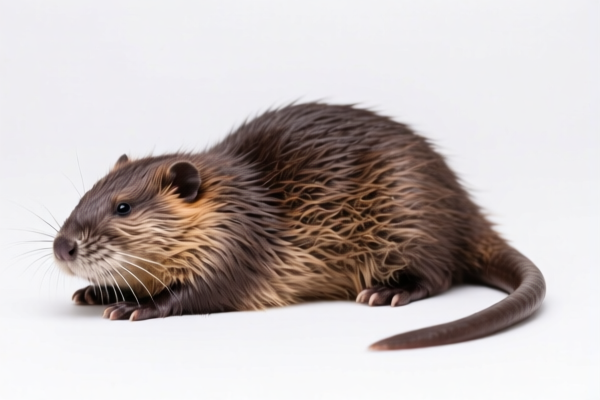
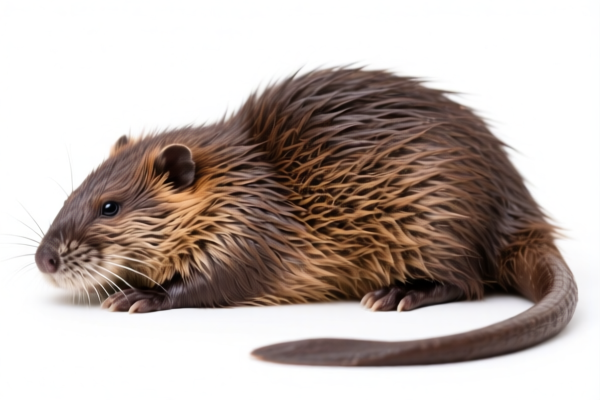
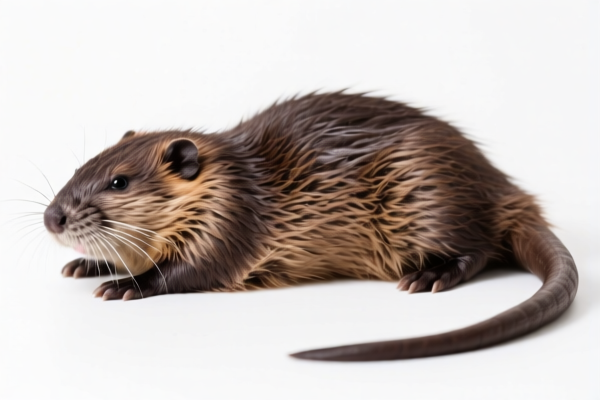
AI Analysis
🦫 Wild Muskrat Fur (Unspecified State)
🌐 HS Code Reference & Clearance Guide | 2026 Latest Tariff Analysis | Professional Customs Strategy
📌 I. Product Definition & Classification: What is "Wild Muskrat Fur"?
Wild Muskrat Fur refers to the pelts of muskrats caught in their natural habitat, typically used for high-end fur products. In international trade, the classification hinges critically on the processing state of the skin:
Raw Skins (4103 / 4106 Chapters): Skins that have not undergone tanning or further preparation (e.g., cured, salted, but not tanned). Prepared Furs (4302 Chapter): Skins that have been tanned, dressed, or assembled into specific fur forms (e.g., whole skins, pieces).
⚠️ Key Distinction Point:
- If the product is "raw," "uncured," or simply "dried" without tanning → It falls under Chapter 41 (Raw Skins).
- If the product is "tanned," "dressed," or explicitly listed as a prepared fur skin → It falls under Chapter 43 (Prepared Furs).
- Note: The input "Wild Muskrat Fur" is ambiguous regarding processing. Therefore, we must analyze both possibilities based on the provided data.
📦 II. HS Code Classification Details (Based on Provided Data)
| HS Code | Product Description | Applicability Scenario | Processing State |
|---|---|---|---|
4103.90.11.90 |
Other raw skins, preshaved | Raw muskrat skins, unprepared | ✅ Raw/Unprepared |
4302.20.60.00 |
Other furs (prepared) | Prepared muskrat pelts, generic | ✅ Prepared/Tanned |
4103.90.20.00 |
Other raw skins, unprepared | Raw wild muskrat skins (natural state) | ✅ Raw/Unprepared |
4302.19.30.70 |
Other prepared furs (specific animal) | Prepared whole muskrat skins | ✅ Prepared/Tanned |
🔍 Analysis of Provided Data:
The dataset provides two distinct pathways: 1. Raw Skin Pathway (Chapter 41): Codes4103.90.11.90and4103.90.20.00. The summaries explicitly state that these match "unprepared raw skins" or "natural state" where "wild" implies no tanning. 2. Prepared Fur Pathway (Chapter 43): Codes4302.20.60.00and4302.19.30.70. These match "fur" generally, assuming the skin is prepared/whole.
💰 III. 2026 Latest Tariff Rate Details (Including Surcharges)
✅ Applicable Country: USA (US)
✅ Origin: China (CN) (Note: Rates below are derived strictly from the provided JSON data, which includes 122 Section and 301 Section surcharges typical for US-China trade)
✅ Effective Time: Current rates apply as per data summary.
🎯 1. 4103.90.11.90 & 4103.90.20.00 —— Raw Muskrat Skins (Chapter 41)
These codes apply if the muskrat skins are not tanned. The provided data splits the tax burden slightly between these two codes.
A. Code: 4103.90.11.90 (Other Raw Skins)
| Item | Detail |
|---|---|
| Base Tariff | 0.0% |
| Section 301 Surcharge | +7.5% |
| Section 122 Tariff | +10.0% |
| Total Rate | 17.5% |
| Tax Calculation | CIF Value × 17.5% |
| Legal Basis | Base: 0% + Add-on: 7.5% + 122 Clause: 10% |
📌 Interpretation:
- Raw skins often enjoy lower base tariffs. However, the Section 122 (likely related to specific trade remedies or agricultural protections) and Section 301 surcharges still apply. - Total Cost Impact: 17.5% is significantly lower than the prepared fur option.
B. Code: 4103.90.20.00 (Other Unprepared Skins)
| Item | Detail |
|---|---|
| Base Tariff | 3.3% |
| Section 301 Surcharge | +7.5% |
| Section 122 Tariff | +10.0% |
| Total Rate | 20.8% |
| Tax Calculation | CIF Value × 20.8% |
| Legal Basis | Base: 3.3% + Add-on: 7.5% + 122 Clause: 10% |
📌 Interpretation:
- This code applies to "other unprepared raw skins" where the base duty is non-zero. - Total Cost Impact: 20.8%. Higher than4103.90.11.90due to the 3.3% base duty.
🎯 2. 4302.19.30.70 & 4302.20.60.00 —— Prepared Muskrat Furs (Chapter 43)
These codes apply if the muskrat skins are tanned, dressed, or assembled. Prepared furs are subject to higher base tariffs.
A. Code: 4302.19.30.70 (Other Prepared Furs)
| Item | Detail |
|---|---|
| Base Tariff | 1.5% |
| Section 301 Surcharge | +25.0% |
| Section 122 Tariff | +10.0% |
| Total Rate | 36.5% |
| Tax Calculation | CIF Value × 36.5% |
| Legal Basis | Base: 1.5% + Add-on: 25.0% + 122 Clause: 10% |
📌 Interpretation:
- The Section 301 surcharge jumps to 25% for prepared furs, significantly increasing the cost. - Total Cost Impact: 36.5%. Nearly double the cost of raw skins.
B. Code: 4302.20.60.00 (Other Prepared Furs)
| Item | Detail |
|---|---|
| Base Tariff | 3.5% |
| Section 301 Surcharge | +25.0% |
| Section 122 Tariff | +10.0% |
| Total Rate | 38.5% |
| Tax Calculation | CIF Value × 38.5% |
| Legal Basis | Base: 3.5% + Add-on: 25.0% + 122 Clause: 10% |
📌 Interpretation:
- This is the highest tax bracket in the dataset. - Total Cost Impact: 38.5%. This applies to prepared furs with a higher base duty or different sub-classification.
🛠️ IV. Clearance Practical Advice (Real-World Pitfall Guide)
✅ 1. Preparation Checklist (Must-Have Documents)
| Document | Required | Explanation |
|---|---|---|
| ✅ Product Description | ✔️ | Must clearly state: "Muskrat Skin," "Tanned/Untanned," "Whole/Pieces." |
| ✅ Processing Certificate | ✔️ | Crucial: Certificate from the tannery or supplier confirming if the skin is raw or prepared. |
| ✅ Photos of Product | ✔️ | High-res photos showing texture (dried vs. soft/flexible indicates preparation). |
| ✅ Bill of Lading / Invoice | ✔️ | Must match the HS code classification exactly. |
| ✅ Wildlife Compliance Docs | ✔️ | If wild-caught, ensure compliance with CITES (if applicable) and local wildlife export permits. |
✅ 2. Classification Strategy (Key Tips)
🔥 “Raw vs. Prepared: The $20 Difference!”
| Scenario | Correct HS Code | Total Tax | Risk |
|---|---|---|---|
| Dried, Salted, Untanned Skins | 4103.90.11.90 or 4103.90.20.00 |
17.5% - 20.8% | Low. Ensure no tanning chemicals are present. |
| Tanned, Dressed, Soft Skins | 4302.19.30.70 or 4302.20.60.00 |
36.5% - 38.5% | High. If misdeclared as raw, you face heavy penalties. |
| Fur Garments/Accessories | Not in Data | N/A | These are Chapter 43 items, but different codes. Ensure you are declaring skins, not goods. |
📌 Critical Warning:
- Do Not Split Declaration: If you ship raw skins and prepared furs together, declare them separately. Mixed shipments may trigger audits. - Ambiguous Descriptions: Avoid just saying "Fur." Use "Untanned Muskrat Skins" or "Tanned Muskrat Pelts."
✅ 3. Special Case Handling
| Situation | Handling Suggestion |
|---|---|
| Wild-Caught vs. Farmed | While the tax rate may be the same, wild-caught may require additional wildlife permits (e.g., from US Fish & Wildlife Service). |
| Samples for Design | If shipped as samples, declare as "Samples, not for sale" to potentially reduce duties, but ensure they are still classified correctly. |
| Re-importation of Prepared Furs | If prepared furs were previously exported and are being re-imported, check for re-importation relief options. |
🌍 V. Global Market Comparison (2026 Overview)
| Country/Region | Recommended HS Code | Tariff Rate | Notes |
|---|---|---|---|
| 🇺🇸 USA | 4103.90.11.90 (Raw) |
17.5% | Best rate for raw skins. |
| 🇺🇸 USA | 4302.20.60.00 (Prepared) |
38.5% | Highest rate for prepared furs. |
| 🇪🇺 EU | 4103.90 (Raw) |
~3.5% - 8% | No Section 301/122 surcharges. |
| 🇪🇺 EU | 4302.19 (Prepared) |
~4% - 10% | No Section 301/122 surcharges. |
| 🇨🇳 China | 4103.90 (Raw) |
~5% - 10% | Varies by specific type. |
| 🇨🇳 China | 4302.19 (Prepared) |
~10% - 20% | Varies by specific type. |
📌 Conclusion:
- USA is the most expensive market due to Section 301 and Section 122 tariffs. - Raw skins are significantly cheaper to import into the US than prepared furs. - If you can ship raw skins and prepare them domestically in the US, you save ~15-20% in import duties.
📌 VI. Common Errors & Pitfalls (Lessons Learned)
❌ Error 1: Declaring "Prepared Fur" as "Raw Skin"
👉 Consequence: Customs will inspect, find tanning agents, and reclassify. Penalty + Back Taxes + Interest.
❌ Error 2: Using "Fur" as the only description
👉 Consequence: Ambiguity leads to customs holding the shipment for inspection. Delays of 2-4 weeks.
❌ Error 3: Ignoring Wildlife Regulations
👉 Consequence: Confiscation if CITES or local wildlife permits are missing for wild-caught muskrats.
✅ Correct Practice:
"100 Pcs Untanned Muskrat Skins, Salted Curing, Origin: Canada, For Further Processing"
→ Use4103.90.11.90"50 Pcs Tanned Muskrat Pelts, Black Color, Finished"
→ Use4302.19.30.70
🎯 VII. Conclusion: Professional Declaration, Cost Savings!
🎯 Remember the Golden Rule:
🔹 "Raw is 17.5%, Prepared is 38.5%. Check the Tanning Status!"
🔹 "Wild vs. Farmed: Check Permits. Raw vs. Tanned: Check the Code."
📌 Pro Tip:
If your muskrat fur is tanned in a country with a Free Trade Agreement (FTA) with the US (e.g., Canada, Mexico), you may qualify for preferential tariffs. Check if the origin of the skin and the tanning process meet the Rules of Origin.
📣 Immediate Action:
📞 Contact your customs broker BEFORE shipping.
📄 Provide photos and processing certificates.
🚀 Save 20%+ in duties by correctly classifying raw vs. prepared fur!
✨ Professional Clearance Starts with Accurate Classification!
💼 Every Dollar Saved is Pure Profit!
Customer Reviews
About HS Code Classification
The Harmonized System (HS) is an internationally standardized nomenclature developed by the World Customs Organization (WCO) to classify traded products. Over 200 countries use the HS system as the basis for customs tariffs, trade statistics, and import/export regulations.
Each HS code follows a hierarchical structure:
- Chapter (2 digits) — Broad category of goods (e.g., Chapter 84: Machinery and Mechanical Appliances)
- Heading (4 digits) — More specific grouping within the chapter
- Subheading (6 digits) — Internationally standardized breakdown, used by all WCO member countries
- National subdivisions (8-10 digits) — Country-specific extensions for further classification, such as US HTSUS 10-digit codes
Correct HS code classification is essential for smooth customs clearance, accurate duty payment, and compliance with trade regulations. Misclassification can lead to customs delays, overpayment of duties, or penalties.
When importing from CN to US, the applicable tariff rates may include:
- Most-Favored-Nation (MFN) rate — The standard duty rate applied to WTO members
- General rate — Applied to countries without trade agreements
- Trade remedy duties — Additional tariffs such as Section 301 (anti-dumping), Section 232 (national security), or countervailing duties
The information provided on this page is for reference purposes only. For official classification, please consult with your local customs authority or a licensed customs broker.