Willow Woven Basket
CN → US| HS Code | Tariff Rate | Origin | Destination | Doc |
|---|---|---|---|---|
| 4602110700 | 35.0% | CN | US | Official Doc |
| 4601942000 | 41.6% | CN | US | Official Doc |
| 4602191700 | 35.0% | CN | US | Official Doc |
| 4601940500 | 37.7% | CN | US | Official Doc |
| 4601920500 | 37.7% | CN | US | Official Doc |
Product Images
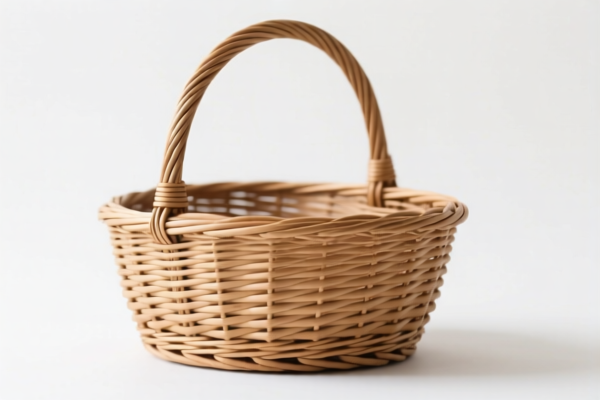
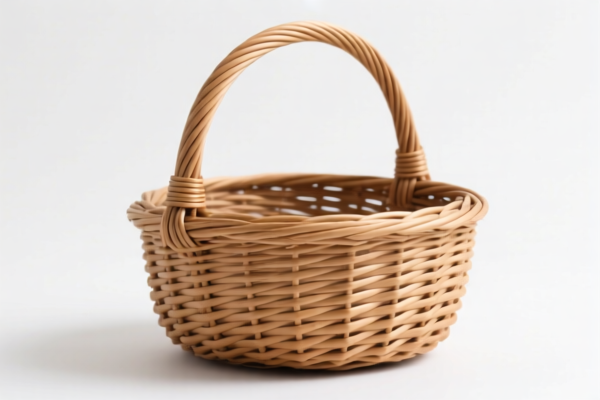
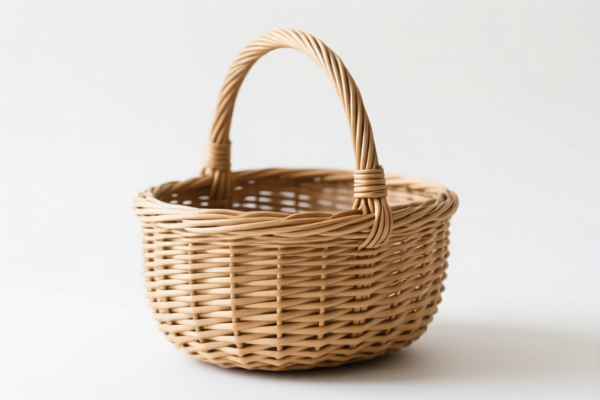
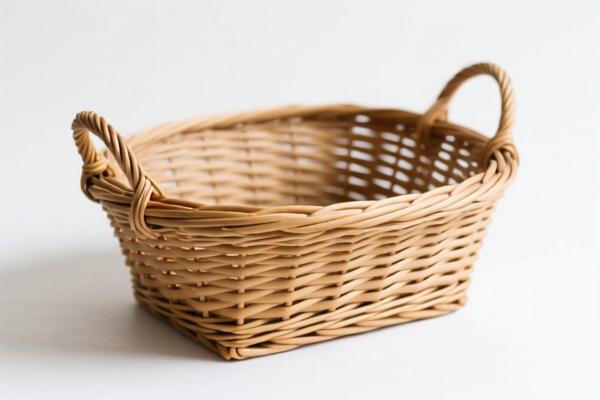
AI Analysis
🧺 Willow Woven Basket (柳条篮)
🌐 HS Code Reference & Clearance Guide | 2026 Latest Tariff Analysis | Professional Customs Strategy
📌 I. Product Definition & Classification: Do You Really Know "Willow Basket"?
Willow woven baskets, made from natural willow branches or similar plant materials, are versatile household and storage items. In international trade, their classification depends strictly on manufacturing technique and end-use form:
- Woven Products (Chapter 46.01): If the basket is constructed by weaving strips (flat or rounded) of willow or other plant materials, it is classified as a "woven product."
- Basketware (Chapter 46.02): If the basket is formed by coiling, plaiting, or twisting willow strips into a specific container shape (like a typical round basket), it falls under "basketware."
⚠️ Critical Distinction:
- If the item is a flat woven mat or unfinished woven material used to make baskets → 4601.xxxx
- If the item is a finished 3D basket (coiled/plaited) → 4602.xxxx
- Misclassification can lead to significant tariff differences due to the "Section 301" and "122" additional duties.
📦 II. HS Code Classification Details (2026 Latest Tariff Authority Comparison)
Based on the provided data, here are the five potential HS Codes for "Willow Woven Basket," analyzed for their specific logical matches and tax implications.
| HS Code | Product Description (Summary) | Classification Logic | Total Tax Rate |
|---|---|---|---|
4602.11.07.00 |
Willow basket, material: Willow, Form: Basket | Basketware (46.02): Specifically classified under "Baskets of willow or other plaiting materials." Fits the standard "Willow Basket" definition. | 35.0% |
4601.94.20.00 |
Willow basket, material: Willow, Form: Woven Product | Woven Product (46.01): Classified as "Other woven products of vegetable materials." Applies if considered a "woven" item rather than "coiled/plaited basketware." | 41.6% |
4602.19.17.00 |
Willow basket, material: Willow/Plant, Form: Basket | Basketware (46.02): "Other baskets of willow or other plaiting materials." Used for baskets made of mixed plant materials or specific willow types not covered in 4602.11. | 35.0% |
4601.94.05.00 |
Willow basket, material: Other Plant Material, Form: Woven Material | Woven Product (46.01): "Other woven materials." Fits if the material is not pure willow but "other vegetable material" and formed as woven sheets/structures. | 37.7% |
4601.92.05.00 |
Willow basket, material: Bamboo/Rattan, Form: Woven Product | Woven Product (46.01): "Woven products of bamboo, rattan..." Fits if the material is actually bamboo/rattan but misidentified as willow, or if willow is treated similarly to bamboo/rattan in local customs practice. | 37.7% |
🔍 Key Reminder:
- 4602 Codes (Baskets) generally have a 0% base tariff but are subject to additional duties.
- 4601 Codes (Woven Products) generally have a 2.7%-6.6% base tariff but are also subject to additional duties.
- The "122 Clause" (often referring to specific Section 301 exclusions or specific trade remedies) adds 10% in all cases listed.
💰 III. 2026 Latest Tariff Rate Breakdown (Detailed Tax Clauses)
✅ Applicable Country: United States (US)
✅ Origin: China (CN)
✅ Effective Time: Current rates apply (Section 301 & IEEPA provisions)
🎯 1. 4602.11.07.00 & 4602.19.17.00 —— Basketware (Willow/Plant)
| Item | Content |
|---|---|
| Base Tariff | 0.0% (ad valorem) |
| Section 301 Tariff (Additional) | +25.0% (Under US Trade Act Section 301, List 3/4) |
| 122 Clause Tariff (Additional) | +10.0% (Specific trade remedy/additional duty) |
| Total Effective Rate | 35.0% |
| Tax Calculation | CIF Value × 35% |
| De Minimis Exemption | ❌ Not Eligible (Deny De Minimis) |
| Legal Basis Path | HTSUS:4602.11.07 → USITC:301_List3 → Customs:122_AddOn |
📌 Explanation:
- Base 0%: Basketware of willow/plants is generally duty-free in standard MFN rates.
- +25%: This is the standard Section 301 tariff on many Chinese goods.
- +10%: The "122 Clause" tariff applies specifically to these categories, bringing the total to 35%.
- Cost Impact: High. A $1,000 shipment incurs $350 in duties.
🎯 2. 4601.94.20.00 —— Woven Product (Willow)
| Item | Content |
|---|---|
| Base Tariff | 6.6% (ad valorem) |
| Section 301 Tariff (Additional) | +25.0% |
| 122 Clause Tariff (Additional) | +10.0% |
| Total Effective Rate | 41.6% |
| Tax Calculation | CIF Value × 41.6% |
| De Minimis Exemption | ❌ Not Eligible (Deny De Minimis) |
| Legal Basis Path | HTSUS:4601.94.20 → USITC:301_List3 → Customs:122_AddOn |
📌 Explanation:
- Base 6.6%: Woven products of vegetable materials carry a higher base rate than basketware.
- +25% + +10%: Same additional duties as above.
- Cost Impact: Highest in the list. A $1,000 shipment incurs $416 in duties.
🎯 3. 4601.94.05.00 & 4601.92.05.00 —— Woven Product (Other Plants/Bamboo)
| Item | Content |
|---|---|
| Base Tariff | 2.7% (ad valorem) |
| Section 301 Tariff (Additional) | +25.0% |
| 122 Clause Tariff (Additional) | +10.0% |
| Total Effective Rate | 37.7% |
| Tax Calculation | CIF Value × 37.7% |
| De Minimis Exemption | ❌ Not Eligible (Deny De Minimis) |
| Legal Basis Path | HTSUS:4601.94.05 / 4601.92.05 → USITC:301_List3 → Customs:122_AddOn |
📌 Explanation:
- Base 2.7%: Lower base rate than 4601.94.20.00, but still subject to full additional duties.
- Cost Impact: Moderate. A $1,000 shipment incurs $377 in duties.
🛠️ IV. Clearance Practical Advice (Pitfall Avoidance Guide)
✅ 1. Preparation Checklist (Must-Haves)
| Document | Required? | Notes |
|---|---|---|
| ✅ Product Photos | ✔️ | Clear images of the woven pattern and material texture. Essential to distinguish willow from bamboo. |
| ✅ Material Declaration | ✔️ | Specify if 100% willow, mixed plant, or bamboo. "Willow" vs. "Other Plant" changes HS Code. |
| ✅ Process Description | ✔️ | Is it coiled/plaited (Basket 4602) or woven on a loom (Woven 4601)? This is the key classifier. |
| ✅ Commercial Invoice | ✔️ | Must explicitly state "Willow Woven Basket" or "Woven Plant Material Basket." |
| ✅ Packing List | ✔️ | Include weight and dimensions. |
✅ 2. Declaration Strategy (Critical Tips)
🔥 "Form Determines HS Code, Material Determines Base Rate!"
| Scenario | Recommended HS Code | Reason |
|---|---|---|
| Traditional 3D Willow Basket (coiled, handles, open top) | 4602.11.07.00 |
Fits "Basket" definition. Lowest base rate (0%). |
| Flat Willow Mat or Unfinished Woven Sheet | 4601.94.20.00 |
Fits "Woven Product." Higher base rate (6.6%). |
| Bamboo Basket (often confused with willow) | 4601.92.05.00 |
If material is bamboo, not willow. |
| Mixed Plant Fiber Basket | 4602.19.17.00 |
If not pure willow, but other plant materials. |
✅ 3. Common Mistakes & Penalties
❌ Mistake 1: Declaring a coiled basket as a woven product (4601)
👉 Consequence: Higher base tariff (6.6% vs 0%). You pay more unnecessarily.
👉 Fix: If it’s a 3D basket, use 4602.
❌ Mistake 2: Declaring a woven mat as a basket (4602)
👉 Consequence: Customs may reject it as "not a basket," leading to delays or reclassification.
👉 Fix: Use 4601 for flat or unfinished woven goods.
❌ Mistake 3: Ignoring the "122 Clause" +10%
👉 Consequence: Underpayment of duties. Customs will assess back-taxes + penalties.
👉 Fix: Always calculate Base + 25% + 10%.
✅ Correct Declaration Example:
"Willow Woven Basket, 100% Natural Willow, Handmade, Coiled Construction, For Home Decor, Model WB-100"
🌍 V. Global Market Clearance Comparison (2026)
| Country/Region | Recommended HS Code | Total Tariff (China Origin) | Certification | Notes |
|---|---|---|---|---|
| 🇺🇸 USA | 4602.11.07.00 |
35.0% | None usually | High duty due to Section 301 + 122 Clause. |
| 🇪🇺 EU | 4602.11.00 |
0% - 2.5% | CE (if plastic parts) | Lower duties, no Section 301. |
| 🇨🇳 China | 4602.11.00 |
0% - 5% | N/A | Import duty varies, but no additional US-style taxes. |
| 🇬🇧 UK | 4602.11.00 |
0% - 2.5% | UKCA | Post-Brexit rules, generally favorable. |
📌 Conclusion:
- The USA is the most expensive market for willow baskets due to Section 301 (25%) + 122 Clause (10%).
- Total tax ranges from 35% to 41.6% depending on classification.
- Strategy: Ensure correct HS Code to avoid paying 41.6% when 35% is applicable.
📌 VI. Final Recommendation: Optimize Your Clearance
🎯 Action Plan:
1. Confirm Material: Is it 100% Willow? If mixed, use 4602.19.17.00.
2. Confirm Form: Is it a 3D basket? Use 4602.11.07.00 (35% tax).
❓ If it’s a woven sheet/mat, use 4601.94.20.00 (41.6% tax).
3. Prepare Documentation: Highlight "Willow" and "Basket" in the commercial invoice.
4. Budget for 35%: Assume 35% total duty for standard willow baskets. If classified as woven, assume 41.6%.
💡 Pro Tip:
If your product is 100% Willow and Handmade, always aim for4602.11.07.00. It has a 0% base tariff, making it the most tax-efficient choice compared to woven products with higher base rates.
📣 Immediate Action:
📞 Verify material composition with supplier.
📸 Take clear photos of the weaving pattern.
📝 Apply for a Pre-Ruling if unsure between 4601 and 4602.
✨ Smart Classification Saves Money!
💼 Don't let "Willow" become "Expensive" due to wrong HS Code!
Customer Reviews
About HS Code Classification
The Harmonized System (HS) is an internationally standardized nomenclature developed by the World Customs Organization (WCO) to classify traded products. Over 200 countries use the HS system as the basis for customs tariffs, trade statistics, and import/export regulations.
Each HS code follows a hierarchical structure:
- Chapter (2 digits) — Broad category of goods (e.g., Chapter 84: Machinery and Mechanical Appliances)
- Heading (4 digits) — More specific grouping within the chapter
- Subheading (6 digits) — Internationally standardized breakdown, used by all WCO member countries
- National subdivisions (8-10 digits) — Country-specific extensions for further classification, such as US HTSUS 10-digit codes
Correct HS code classification is essential for smooth customs clearance, accurate duty payment, and compliance with trade regulations. Misclassification can lead to customs delays, overpayment of duties, or penalties.
When importing from CN to US, the applicable tariff rates may include:
- Most-Favored-Nation (MFN) rate — The standard duty rate applied to WTO members
- General rate — Applied to countries without trade agreements
- Trade remedy duties — Additional tariffs such as Section 301 (anti-dumping), Section 232 (national security), or countervailing duties
The information provided on this page is for reference purposes only. For official classification, please consult with your local customs authority or a licensed customs broker.