Wind Cover
CN → US| HS Code | Tariff Rate | Origin | Destination | Doc |
|---|---|---|---|---|
| 3926909940 | 22.8% | CN | US | Official Doc |
| 3926909989 | 22.8% | CN | US | Official Doc |
| 7326908688 | 87.9% | CN | US | Official Doc |
| 7326190080 | 87.9% | CN | US | Official Doc |
| 8414600000 | 35.0% | CN | US | Official Doc |
Product Images

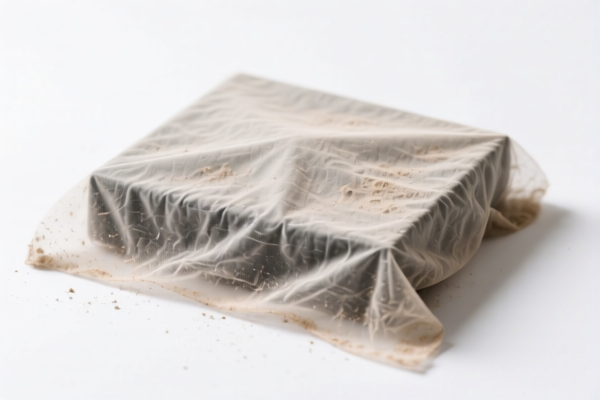
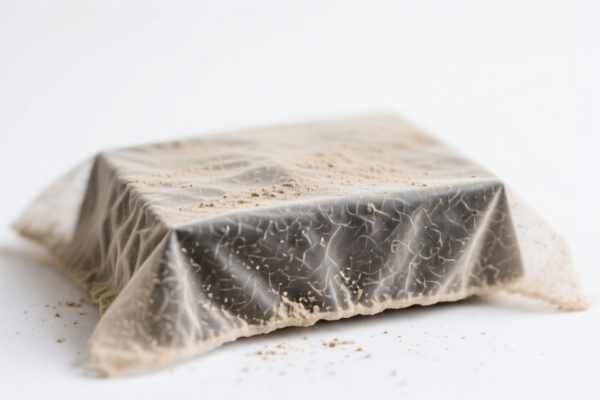
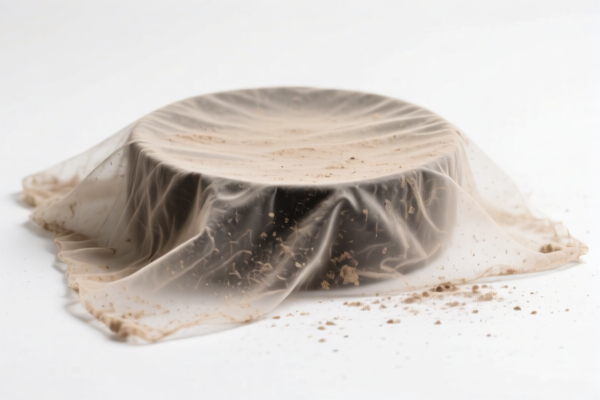
AI Analysis
🌬️ Wind Cover (风罩)
🌐 HS Code Reference & Customs Clearance Guide | 2026 Latest Tariff Analysis | Professional Clearance Strategy
Product Definition: A "Wind Cover" generally refers to protective housings, shrouds, or diffusers used to manage airflow, protect internal components, or direct wind patterns. In international trade, these are highly sensitive to Material Composition (Plastic, Iron/Steel, Metal) and Intended Use (General Purpose vs. Mechanical Ventilation).
Misclassification can lead to drastic tax differences (from ~22.8% to 87.9%). This guide breaks down the exact HS Codes, tax structures, and clearance strategies based on the provided dataset.
📦 I. HS Code Classification Matrix (Detailed Breakdown)
The classification depends strictly on whether the item is made of Plastic, Iron/Steel, or serves a Mechanical Ventilation function.
| HS Code | Material/Function | Description Summary | Key Identifier |
|---|---|---|---|
| 3926.90.99.40 | Plastic / Composite | Plastic or composite wind cover. Falls under "Other articles" fallback category. | Made of Plastic or Composite Materials |
| 3926.90.99.89 | Plastic or Metal | Plastic or metal wind cover. Falls under "Other" fallback for plastic/material articles. | Mixed Material (Plastic/Metal) or General Plastic |
| 7326.90.86.88 | Iron / Steel | Iron or steel wind cover. Falls under "Other" for iron/steel articles. | Heavy Metal (Iron/Steel) |
| 7326.19.00.80 | Iron / Steel | Steel product wind cover. Fits the "Other steel products" fallback classification. | Steel Specific |
| 8414.60.00.00 | Ventilation Function | Wind cover within the scope of ventilation or recovery hoods. Fits functional definition. | Functional: Ventilation Hood/Shroud |
⚠️ Critical Distinction: * Plastic/Composite → HS 3926 (Lowest Risk) * Ventilation Equipment → HS 8414 (Medium Risk) * Iron/Steel → HS 7326 (Highest Tax Risk due to "Steel, Aluminum, Copper" surcharges)
💰 II. 2026 Latest Tariff Rate Breakdown (US Market Focus)
✅ Applicable Country: United States (US) ✅ Origin: China (CN) ✅ Effective Date: 2025/2026 Policies Active
🎯 1. Plastic & Composite Covers (HS 3926.90.99)
Includes: 3926.90.99.40 and 3926.90.99.89
| Item | Detail |
|---|---|
| Base Tariff | 5.3% |
| Section 301 Surcharge | 7.5% |
| Section 122 Tariff | 10% |
| Total Effective Rate | 22.8% |
| Calculation | CIF Value × 22.8% |
| De Minimis Eligibility | ❌ No (Subject to full scrutiny) |
📌 Analysis: * These codes are classified under "Other articles of plastics." * The tax structure is relatively predictable and lower than metal products. * Note: Code
3926.90.99.89covers cases where metal is present but it doesn't meet the strict "Iron/Steel" definition of HS 7326, or is a composite.
🎯 2. Ventilation Function Covers (HS 8414.60.00.00)
Includes: Wind covers specifically defined as part of ventilation or recovery systems.
| Item | Detail |
|---|---|
| Base Tariff | 0.0% |
| Section 301 Surcharge | 25.0% |
| Section 122 Tariff | 10% |
| Total Effective Rate | 35.0% |
| Calculation | CIF Value × 35.0% |
| De Minimis Eligibility | ❌ No |
📌 Analysis: * While the Base Tariff is 0%, the Section 301 Surcharge jumps to 25% for this mechanical/ventilation category. * This is higher than the plastic cover rate (22.8%). * Strategy: If the product is not strictly a "ventilation hood," argue for Plastic (3926) classification to save ~12.2% in taxes.
🎯 3. Iron & Steel Covers (HS 7326 Series)
Includes: 7326.90.86.88 and 7326.19.00.80
| Item | Detail |
|---|---|
| Base Tariff | 2.9% |
| Section 301 Surcharge | 25.0% |
| Section 122 Tariff | 10% |
| Special Metal Surcharge | 50% (Steel, Aluminum, Copper Products) |
| Total Effective Rate | 87.9% |
| Calculation | CIF Value × 87.9% |
| De Minimis Eligibility | ❌ No |
📌 CRITICAL WARNING: * This is the MOST EXPENSIVE classification. * The 50% surcharge for "Steel, Aluminum, Copper Products" is applied on top of the standard 301/122 tariffs. * Result: Nearly 90% tax duty. * Risk: If Customs classifies your steel wind cover here, profits will be erased. * Mitigation: If the product contains significant plastic components, consider claiming
3926(Plastic) if the plastic character is essential.
🛠️ III. Customs Clearance Operational Advice (Pitfall Avoidance)
✅ 1. Preparation Checklist (Non-Negotiable)
| Document | Requirement | Purpose |
|---|---|---|
| ✅ Product Specification Sheet | Detail Material % (Plastic vs. Metal ratio) | Determine if HS 3926 (Plastic) or HS 7326 (Steel) applies. |
| ✅ Function Description | Is it just a cover, or part of a ventilation system? | Determines if HS 8414 (Ventilation) is required. |
| ✅ Product Photos | Clear view of materials, branding, and structure. | Prove material composition (e.g., no visible steel frame if claiming plastic). |
| ✅ Bill of Materials (BOM) | List all components. | Avoid "Other" classification traps if specific parts are missing. |
| ✅ Commercial Invoice | Must match HS Code description exactly. | Example: "Plastic Wind Cover for HVAC Unit" vs. "Steel Wind Shield." |
✅ 2. Classification Strategy (The "Golden Rules")
| Scenario | Recommended HS Code | Why? |
|---|---|---|
| All Plastic/Composite Cover | 3926.90.99.40 |
Lowest tax (22.8%). Easiest to justify. |
| Cover with Metal Frame but Plastic Body | 3926.90.99.89 |
"Other" plastic article. Avoids the 50% Steel Surcharge if plastic is predominant. |
| Functional Ventilation Hood/Shroud | 8414.60.00.00 |
Only if it functions as part of a ventilation recovery system. Tax: 35%. |
| Pure Steel/Iron Cover | 7326.90.86.88 |
AVOID if possible. Tax is 87.9%. Only use if legally mandated by composition. |
🔥 Key Tip: "Material Dictates Tax!" * Plastic = 22.8% * Ventilation = 35.0% * Steel = 87.9%
If your product is Steel, can you redesign it with a Plastic/Composite exterior? The tax saving is 65.1%!
✅ 3. Special Handling for "Steel" Products
If you must ship Steel Wind Covers (7326 series):
1. Verify "Steel, Aluminum, Copper" Surcharge: Ensure the 50% surcharge is correctly applied to avoid penalties for under-declaration.
2. Check for Exclusions: Are there any product exclusions from the Section 301 or 122 tariffs for specific steel items? (Rare, but worth checking).
3. Accurate Description: Do NOT describe steel products as "Plastic" to avoid fraud. Use precise terms: "Steel Wind Deflector."
🌍 IV. Global Market Comparison (2026)
| Region | HS Code Focus | Est. Tax Impact | Note |
|---|---|---|---|
| 🇺🇸 USA | 3926, 7326, 8414 |
22.8% – 87.9% | High Section 301 & 122 duties. Steel is punitive. |
| 🇨🇳 China | 3926, 7326 |
5% – 10% | No Section 122. Lower base duties. |
| 🇪🇺 EU | 3926, 7326 |
0% – 5% | No Section 301/122 equivalents. Much cheaper. |
📌 Conclusion: * The US market is highly punitive for steel imports. * Plastic covers are the safest and most cost-effective route for US exports. * Ventilation covers (
8414) are moderate but still higher than plastic.
📌 V. Common Errors & Pitfalls (Blood & Tears Lessons)
❌ Error 1: Classifying a Steel Wind Cover as 3926 (Plastic) to save tax.
👉 Consequence: Customs audit, seizure, fines, and potential legal action for fraud.
👉 Fix: Accurately declare material. If steel, pay the 87.9% or redesign.
❌ Error 2: Classifying a Plastic Cover as 8414 (Ventilation).
👉 Consequence: Higher tax (35% vs 22.8%) for no added benefit.
👉 Fix: Only use 8414 if the product is explicitly part of a ventilation system. Otherwise, stick to 3926.
❌ Error 3: Ignoring the Section 122 Tariff (10%). 👉 Consequence: Underpayment. The 10% applies to ALL these codes regardless of material. 👉 Fix: Always include +10% in your cost calculation.
✅ Correct Declaration Example:
"Plastic Wind Cover, Model ABC, 100% Polycarbonate, For Use in Automotive Assembly, Not Part of Ventilation System." (This supports HS 3926.90.99.40 @ 22.8%)
🎯 VI. Conclusion: Precision is Profit!
🎯 Remember the Tax Hierarchy:
🔹 Plastic (3926): 22.8% ✅ BEST OPTION 🔹 Ventilation (8414): 35.0% ⚠️ MEDIUM RISK 🔹 Steel (7326): 87.9% ❌ AVOID IF POSSIBLE
📌 Action Plan:
1. Audit Material: Is it >50% Plastic? Use 3926.
2. Audit Function: Is it a ventilation hood? Use 8414.
3. Audit Composition: Is it Steel? Prepare for 7326 (87.9%) or Redesign.
✨ Professional Clearance Starts with Accurate Classification! 💼 Every Percentage Point Saved is Pure Profit!
Customer Reviews
About HS Code Classification
The Harmonized System (HS) is an internationally standardized nomenclature developed by the World Customs Organization (WCO) to classify traded products. Over 200 countries use the HS system as the basis for customs tariffs, trade statistics, and import/export regulations.
Each HS code follows a hierarchical structure:
- Chapter (2 digits) — Broad category of goods (e.g., Chapter 84: Machinery and Mechanical Appliances)
- Heading (4 digits) — More specific grouping within the chapter
- Subheading (6 digits) — Internationally standardized breakdown, used by all WCO member countries
- National subdivisions (8-10 digits) — Country-specific extensions for further classification, such as US HTSUS 10-digit codes
Correct HS code classification is essential for smooth customs clearance, accurate duty payment, and compliance with trade regulations. Misclassification can lead to customs delays, overpayment of duties, or penalties.
When importing from CN to US, the applicable tariff rates may include:
- Most-Favored-Nation (MFN) rate — The standard duty rate applied to WTO members
- General rate — Applied to countries without trade agreements
- Trade remedy duties — Additional tariffs such as Section 301 (anti-dumping), Section 232 (national security), or countervailing duties
The information provided on this page is for reference purposes only. For official classification, please consult with your local customs authority or a licensed customs broker.