Wind Power Generation Model
CN → US| HS Code | Tariff Rate | Origin | Destination | Doc |
|---|---|---|---|---|
| 9503000073 | 10.0% | CN | US | Official Doc |
| 9023000000 | 10.0% | CN | US | Official Doc |
| 9503000090 | 10.0% | CN | US | Official Doc |
Product Images
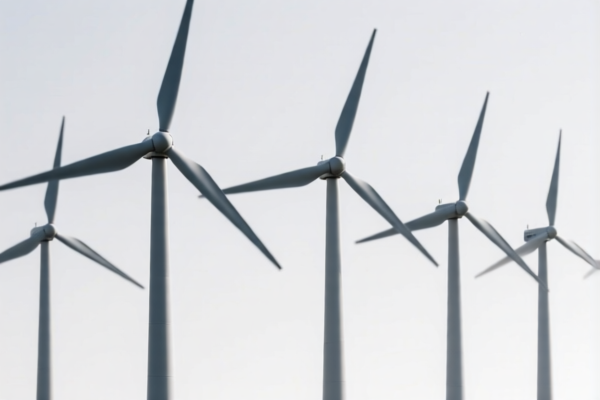
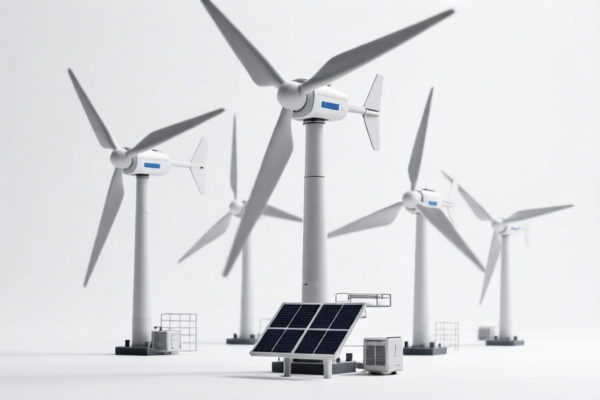
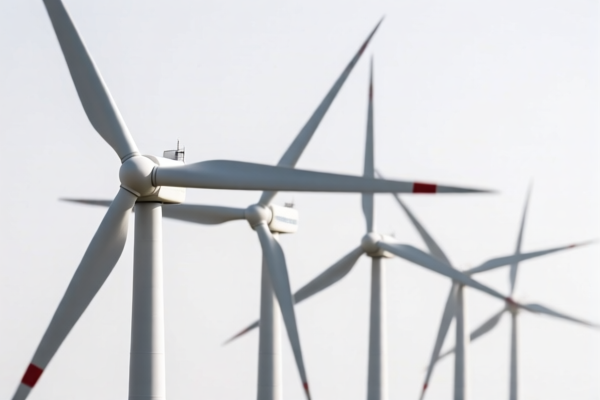
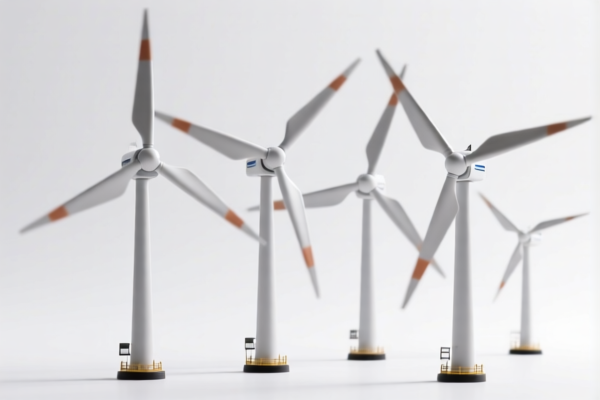
AI Analysis
🌬️ Wind Power Generation Model (Wind Turbine Scaled Models)
🌐 HS Code Reference & Customs Clearance Guide | 2024/2025 Latest Tariff Analysis | Professional Clearance Strategy
📌 I. Product Definition & Classification: What Exactly Is a "Wind Power Generation Model"?
A Wind Power Generation Model typically refers to a scaled-down replica of a wind turbine, used for educational demonstration, collector’s item, or decorative purposes. It is not a functional industrial wind turbine but a toy, model, or display piece.
In international trade, it is crucial to distinguish between: - Functional Wind Turbines (industrial equipment, HS Code 84) - Scaled Models for Education/Display (toys/collectibles, HS Code 95 or 90)
⚠️ Critical Distinction:
- If the model does not generate electricity for industrial use and is merely a replica for display, education, or collection → It falls under Chapter 95 (Toys) or Chapter 90 (Instruments/Models).
- If it is a functional small-scale turbine for actual power generation → It may fall under HS Code 8406 (Turbines).
- Most "Wind Power Generation Models" sold online are non-functional scaled replicas, thus归类 to Chapter 95 or 90.
📦 II. HS Code Classification Details (Based on Provided Data)
| HS Code | Product Description | Application Scenario | Key Identification |
|---|---|---|---|
| 9503.00.00.90 | Other toys; scaled models for display | Collector’s wind turbine models, desktop decorations | ✅ For display/entertainment, no functional power generation |
| 9503.00.00.73 | Scaled models and similar recreational models | Educational wind turbine models, DIY kits | ✅ Defined as "recreational model," material matches |
| 9023.00.00.00 | Instruments, apparatus, and models, designed for demonstrational purposes | Classroom wind turbine models, scientific demonstration kits | ✅ Used for demonstration/education, not commercial power generation |
🔍 Key Reminder:
- All three HS Codes share the same tax rate structure under current US-China trade policies.
- The choice among them depends on the primary intended use:
- 9503.00.00.90: General scaled model for display/collecting
- 9503.00.00.73: Recreational/educational model
- 9023.00.00.00: Scientific/educational demonstration model
💰 III. 2024/2025 Latest Tariff Rate Breakdown (Including Additional Duties)
✅ Applicable Country: United States (US)
✅ Country of Origin: China (CN)
✅ Effective Date: Ongoing (subject to current trade policies)
🎯 All Three HS Codes: 9503.00.00.90, 9503.00.00.73, 9023.00.00.00
| Item | Detail |
|---|---|
| Base Duty Rate | 0.0% |
| Section 301 Additional Duty | 0.0% |
| Section 122 Duty | 10.0% |
| Total Tax Rate | 10.0% |
| Tax Calculation | CIF Value × 10% |
| De Minimis Exemption Applicable? | ❌ No (if Section 122 applies, de minimis may not apply depending on shipment value and type) |
| Legal Authority Path | 122 Section Tariff Policy → USITC Harmonized Tariff Schedule (HTSUS) |
📌 Explanation:
- The 10% tariff is derived from Section 122 of the Tariff Act of 1930, which allows the President to adjust tariffs to address trade deficits.
- Unlike Section 301 duties (which can reach 25% for many Chinese goods), Section 122 currently applies at 10% for these model categories.
- No base duty or Section 301 duty is applied, making this a moderate tariff compared to other categories.
🛠️ IV. Customs Clearance Practical Advice (Pitfall Avoidance Guide)
✅ 1. Required Documentation Checklist
| Document | Required | Notes |
|---|---|---|
| ✅ Product Description | ✔️ | Clearly state: "Scaled Wind Turbine Model for Display/Education" |
| ✅ Product Photos | ✔️ | Show scale, materials, and lack of functional power generation components |
| ✅ Commercial Invoice | ✔️ | Specify "Non-functional Model" or "Recreational Model" |
| ✅ Packing List | ✔️ | List components; avoid mentioning "turbine blades for power generation" |
| ✅ Certificate of Origin (CO) | ✔️ | If applicable, to verify origin |
| ✅ Importer Security Filing (ISF) | ✔️ | Required for US imports |
📌 Critical Tip:
- Do NOT describe the product as "Wind Turbine Generator" if it is a model. This can trigger scrutiny under HS Code 8406, leading to higher duties (25%+) and potential customs holds.
- Use terms like "Scaled Model," "Educational Replica," "Display Model" to align with HS Codes 9503 or 9023.
✅ 2. Classification Strategy (Key Mnemonic)
🔥 "Non-functional = Model/Toy; Functional = Turbine!"
| Scenario | Correct HS Code | Error Consequence |
|---|---|---|
| Non-functional scaled model for display | 9503.00.00.90 or 9503.00.00.73 |
If misclassified as 8406 → 25%+ duty |
| Educational demonstration model | 9023.00.00.00 |
Same tax rate, but different use-case justification |
| Functional small-scale turbine for power | 8406.82.00.00 |
Not covered in provided data; subject to 25% Section 301 |
✅ 3. Special Cases
| Scenario | Handling Advice |
|---|---|
| Model with Solar Panel Addition | Still classified under 9503/9023 if non-functional; clarify in description |
| Pre-assembled vs. DIY Kit | Both qualify as "models"; ensure packaging clearly states "Model Kit" |
| Import for Museum/Education | Provide letter of intent from educational institution to support 9023 classification |
| High-value Collector’s Model | Ensure accurate valuation to avoid suspicion of undervaluation |
🌍 V. Global Market Comparison (2024/2025)
| Country/Region | Recommended HS Code | Duty Rate | Certification Required | Notes |
|---|---|---|---|---|
| 🇺🇸 USA | 9503.00.00.90 / 9503.00.00.73 / 9023.00.00.00 |
10% (Section 122) | CPC (Children’s Product Certificate) if marketed to children | Moderate duty; stable policy |
| 🇨🇳 China | 9503.00.00.90 |
5-10% | CCC (if applicable) | Lower import duty |
| 🇪🇺 EU | 9503.00.90 |
0% | CE Marking | No additional duties |
| 🇬🇧 UK | 9503.00.00.00 |
0% | UKCA Marking | Post-Brexit alignment with EU |
| 🇯🇵 Japan | 9503.00.90 |
0-3% | PSE (if electrical components) | Low duty |
📌 Conclusion:
- The US imposes a 10% duty under Section 122, which is moderate compared to other Chinese goods.
- EU, UK, and Japan have zero or low duties, making them easier entry points.
- USA remains competitive if proper classification is maintained.
📌 VI. Common Errors & Pitfall Guide
❌ Error 1: Describing a scaled model as "Wind Turbine Generator"
👉 Consequence: Misclassified under 8406.82.00.00 → 25% Section 301 duty + potential customs delay
❌ Error 2: Omitting "Non-functional" in product description
👉 Consequence: Customs suspects functional equipment → Inspection & Hold
❌ Error 3: Using vague terms like "Wind Power Equipment"
👉 Consequence: Ambiguous classification → Manual Review & Delay
✅ Correct Approach:
"Scaled Wind Turbine Model for Educational Display, Non-Functional, Plastic/Metal Construction, 12-inch Height"
🎯 VII. Conclusion: Precise Classification Saves Cost & Time
🎯 Key Takeaways:
🔹 "Non-functional = 10% Duty; Functional = 25%+ Duty!"
🔹 "Always specify 'Model' or 'Replica' in description!"
🔹 "Section 122 applies at 10% for these model categories!"
📌 Pro Tip:
- If the model is marketed towards children (under 12 years), ensure CPC (Children’s Product Certificate) compliance for US imports.
- Consider pre-clearance rulings from US CBP for high-volume imports to confirm HS Code classification.
📣 Immediate Action:
📞 Consult a licensed customs broker
📄 Prepare precise product descriptions
🚀 Ensure smooth clearance, minimize duties, maximize profits!
✨ Professional Customs Clearance Starts with Accurate Classification!
💼 Every Percentage Point of Duty Matters!
Customer Reviews
About HS Code Classification
The Harmonized System (HS) is an internationally standardized nomenclature developed by the World Customs Organization (WCO) to classify traded products. Over 200 countries use the HS system as the basis for customs tariffs, trade statistics, and import/export regulations.
Each HS code follows a hierarchical structure:
- Chapter (2 digits) — Broad category of goods (e.g., Chapter 84: Machinery and Mechanical Appliances)
- Heading (4 digits) — More specific grouping within the chapter
- Subheading (6 digits) — Internationally standardized breakdown, used by all WCO member countries
- National subdivisions (8-10 digits) — Country-specific extensions for further classification, such as US HTSUS 10-digit codes
Correct HS code classification is essential for smooth customs clearance, accurate duty payment, and compliance with trade regulations. Misclassification can lead to customs delays, overpayment of duties, or penalties.
When importing from CN to US, the applicable tariff rates may include:
- Most-Favored-Nation (MFN) rate — The standard duty rate applied to WTO members
- General rate — Applied to countries without trade agreements
- Trade remedy duties — Additional tariffs such as Section 301 (anti-dumping), Section 232 (national security), or countervailing duties
The information provided on this page is for reference purposes only. For official classification, please consult with your local customs authority or a licensed customs broker.