Window Film
CN → US| HS Code | Tariff Rate | Origin | Destination | Doc |
|---|---|---|---|---|
| 3920992000 | 39.2% | CN | US | Official Doc |
| 3920591000 | 41.0% | CN | US | Official Doc |
| 3919905060 | 40.8% | CN | US | Official Doc |
| 3919905040 | 40.8% | CN | US | Official Doc |
| 3919905040 | 40.8% | CN | US | Official Doc |
Product Images
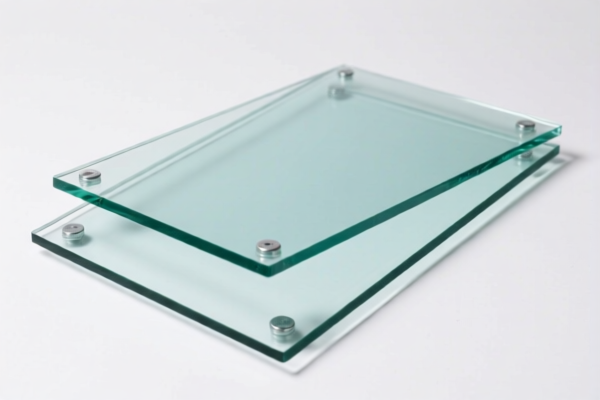
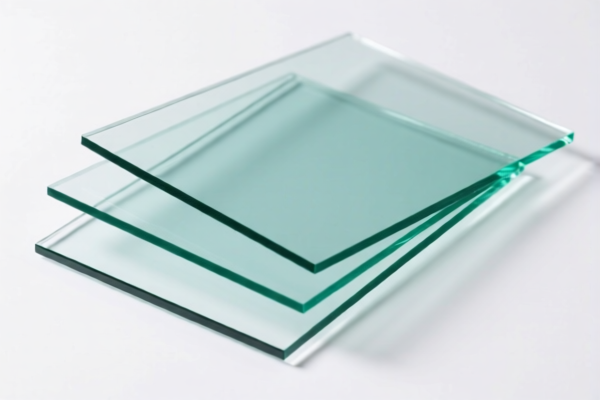
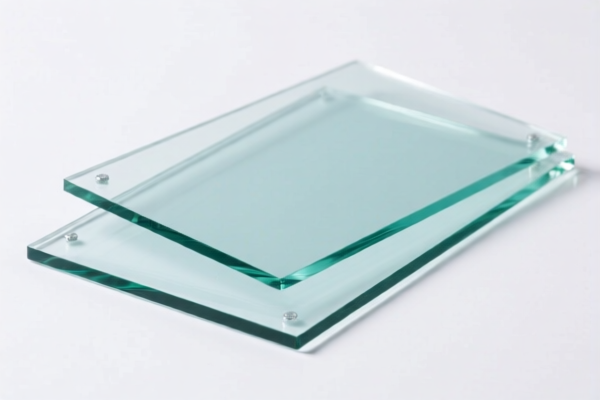
AI Analysis
🪟 Window Film (Window Tinting & Decorative Films)
🌐 HS Code Reference & Customs Clearance Guide | 2026 Latest Tariff Analysis | Professional Clearance Strategy
📌 I. Product Definition & Classification: Do You Really Understand "Window Film"?
Window film is a multi-layered polyester (PET) or plastic sheeting applied to interior or exterior glass surfaces. Its primary functions include UV protection, heat rejection, privacy enhancement, and safety/security. In international trade, it is strictly regulated based on its physical form, material composition, and whether it is self-adhesive.
It is NOT a finished good like "sunglasses" or "smart glass." It is classified under Chapter 39 (Plastics and Articles Thereof).
⚠️ Key Distinction:
- If it is a loose sheet/roll without adhesive → Classified under 3920 (Other plates, sheets, film, foil, and strip).
- If it is self-adhesive (comes with backing ready to stick) → Classified under 3919 (Self-adhesive plates, sheets, film, foil, tape, and other flat shapes).
📦 II. HS Code Classification Details (2026 Latest Tariff Authoritative Comparison)
Based on the provided data, here are the specific HS Codes for Window Film, along with their exact definitions and tax implications.
| HS Code | Product Description & Summary | Application Scenario | Tax Rate (Total) |
|---|---|---|---|
3920.99.20.00 |
Non-adhesive Plastic Composite Films: Window film in the form of membranes, strips, and sheets, made of plastic or non-cellular/non-reinforced plastic composites. Fits the classification of "Other plastic plates, sheets, film, foil, and strip." | Bulk rolls, un-tinted base films, raw PET sheets before lamination with adhesive. | 39.2% |
3920.59.10.00 |
Acrylic/Acrylic Polymer Films: Window film in the form of membranes, made of acrylic polymer or other plastics. Fits the classification of "Non-foamed and non-reinforced plates, sheets, film, foil, and strip." | High-end acrylic-based tints, optical clarity films. | 41.0% |
3919.90.50.60 |
Self-Adhesive Plastic Films (Special): Window film in the form of membranes, made of plastic (e.g., PVB/PET). Fits the classification of "Self-adhesive plastic films." | Premium safety films, PVB interlayers, specialized self-adhesive tinting rolls. | 40.8% |
3919.90.50.40 |
Self-Adhesive Plastic Films (Standard): Window film in the form of membranes, made of plastic. Fits the classification of "Self-adhesive plastic films." | Standard automotive/home tinting rolls with pressure-sensitive adhesive. | 40.8% |
3919.90.50.40 |
Transparent Adhesive Films: Transparent material window stickers in the form of flat membranes/stickers, made of plastic. Fits the classification of "Transparent adhesive tape." | Decorative static-cling or lightly adhesive stickers, frosted privacy films. | 40.8% |
🔍 Critical Note:
- 3920 Series: Applies to films that are NOT self-adhesive. They require a separate adhesive application or are sold as raw material.
- 3919 Series: Applies to films that are SELF-ADHESIVE. The presence of the adhesive layer shifts the classification from Chapter 39.20 to 39.19.
- Tax Variance: Acrylic films (3920.59.10.00) have a slightly higher base tariff (6.0%) compared to generic plastics (5.8% or 4.2%), leading to a higher total tax burden.
💰 III. 2026 Latest Tariff Rate Breakdown (Including Surcharges & Policy Add-ons)
✅ Applicable Country: United States (US)
✅ Country of Origin: China (CN)
✅ Effective Date: From November 10, 2025 (including subsequent imports)
🎯 1. 3920.99.20.00 – Other Plastic Films (Non-Adhesive Composite)
| Item | Content |
|---|---|
| Base Tariff | 4.2% (ad valorem) |
| Section 301 Surcharge | +25.0% (Under US Trade Act Section 301) |
| Section 122 Surcharge | +10.0% (Under Section 122 provisions) |
| Total Tariff Rate | 39.2% |
| Tax Calculation | CIF Value × 39.2% |
| De Minimis Eligibility | ❌ No (Denied under de minimis rules) |
| Legal Basis Path | Base: 3920.99.20.00 → 301: +25% → 122: +10% |
📌 Explanation:
- The 25% Section 301 tariff is the standard punitive tariff for Chinese plastic goods.
- The 10% Section 122 tariff is an additional trade remedy measure.
- Total 39.2% is a significant cost driver. Importers must factor this into landed cost calculations.
🎯 2. 3920.59.10.00 – Acrylic Polymer Films
| Item | Content |
|---|---|
| Base Tariff | 6.0% (ad valorem) |
| Section 301 Surcharge | +25.0% |
| Section 122 Surcharge | +10.0% |
| Total Tariff Rate | 41.0% |
| Tax Calculation | CIF Value × 41.0% |
| De Minimis Eligibility | ❌ No |
| Legal Basis Path | Base: 3920.59.10.00 → 301: +25% → 122: +10% |
📌 Note:
- Acrylic films attract a higher base tariff (6.0%) compared to generic plastic composites (4.2%).
- Even though the surcharges are the same, the final tax is 1.8% higher than3920.99.20.00.
- Ensure your supplier accurately declares the chemical composition (e.g., polymethyl methacrylate) to avoid misclassification penalties.
🎯 3. 3919.90.50.60 & 3919.90.50.40 – Self-Adhesive Plastic Films
| Item | Content |
|---|---|
| Base Tariff | 5.8% (ad valorem) |
| Section 301 Surcharge | +25.0% |
| Section 122 Surcharge | +10.0% |
| Total Tariff Rate | 40.8% |
| Tax Calculation | CIF Value × 40.8% |
| De Minimis Eligibility | ❌ No |
| Legal Basis Path | Base: 3919.90.50.x0 → 301: +25% → 122: +10% |
📌 Note:
- Self-adhesive films fall under 3919, which has a base rate of 5.8%.
- Both sub-codes (...40and...60) share the same tax rate of 40.8%.
- Distinction:...60often refers to specific materials like PVB (Polyvinyl Butyral) used in safety glazing, while...40is for general plastic/adhesive films.
- Warning: Misdeclaring a self-adhesive film as non-adhesive (3920) to save 1.6-1.8% in tax is high-risk and constitutes customs fraud. CBP (Customs and Border Protection) frequently audits product composition.
🛠️ IV. Customs Clearance Practical Advice (Battle-Tested Pitfall Avoidance)
✅ 1. Essential Documentation Checklist (All Required)
| Document | Mandatory? | Description |
|---|---|---|
| ✅ Product Specification Sheet | ✔️ | Must detail: Material (e.g., PET, Acrylic, PVB), Thickness (mils/mm), Light Transmission %, UV Rejection %, Adhesive Type (Critical!). |
| ✅ Product Photos (Unopened & Opened) | ✔️ | Show the roll, the label, and the adhesive backing if visible. |
| ✅ Commercial Invoice | ✔️ | Clearly state: "Window Film, Self-Adhesive/Non-Adhesive, Plastic Material." Avoid vague terms like "Decorative Sheet." |
| ✅ Packing List | ✔️ | List net/gross weight, number of rolls/cartons. |
| ✅ Certificate of Origin (CO) | ✔️ | Required to prove origin (China) for accurate 301/122 calculation. |
| ✅ Bill of Lading/Air Waybill | ✔️ | Standard shipping documents. |
✅ 2. Declaration Tactics (Key Mantra)
🔥 "Adhesive Defines the Code; Material Determines the Base; Total Tax is ~40%!"
| Situation | Correct Declaration | Wrong Action | Consequence |
|---|---|---|---|
| Self-Adhesive Roll | 3919.90.50.40 or 3919.90.50.60 |
Declare as 3920 (Non-adhesive) |
Penalty + Back Taxes (Risk of 1.6-1.8% underpayment + fraud investigation) |
| Non-Adhesive Base Film | 3920.99.20.00 |
Declare as 3919 |
Slight overpayment (minor issue, but inaccurate) |
| Acrylic-Based Film | 3920.59.10.00 |
Declare as generic 3920.99 |
Underpayment (Acrylic base is 6% vs 4.2%) |
| Decorative Static Cling | 3919.90.50.40 (if slightly adhesive) |
Declare as "Plastic Sticker" | Misclassification; CBP may reclassify based on physical test |
✅ 3. Special Cases & Handling
| Situation | Handling Advice |
|---|---|
| OEM Custom Colors | Provide color codes (e.g., RAL, Pantone) and material sheets. CBP may test for dye content. |
| Multi-Layer Laminates | If the film has multiple layers (PET + Adhesive + Metal coating), the essential character determines classification. Usually, the plastic/plastic composite nature dominates under Chapter 39. |
| Samples vs. Commercial | Even samples are subject to tariffs if declared as commercial entries. De minimis ($800) does not apply to Chinese-origin goods under 301/122 for most categories, including plastics. |
| PVB Safety Film | If used for automotive glass lamination, ensure it is declared as 3919.90.50.60 to highlight the PVB content, which may be scrutinized for safety standards. |
🌍 V. Global Market Comparison (2026 Latest)
| Country/Region | Recommended HS Code | Tariff (China Origin) | Certification/Notes |
|---|---|---|---|
| 🇺🇸 USA | 3919.90.50.40 / 3920.99.20.00 |
40.8% - 41.0% | High Tariff. Includes 301 (25%) + 122 (10%). No de minimis. |
| 🇨🇳 China | 3919.90.50.40 / 3920.99.20.00 |
~5% - 6% | Standard MFN rate. No extra surcharges. |
| 🇪🇺 EU | 3919.90.90 / 3920.10.99 |
~6% | No Section 301/122 equivalent. Standard EU duties apply. |
| 🇨🇦 Canada | 3919.90.90 / 3920.10.99 |
~6% - 10% | No punitive surcharges like US. |
| 🇬🇧 UK | 3919.90.90 / 3920.10.99 |
~6% | Post-Brexit UK Global Tariff applies. |
📌 Conclusion:
- USA is the most expensive market for Chinese window films due to the double surcharge (35% total add-on).
- Importers should calculate landed costs carefully. A $10,000 shipment could incur $3,920 - $4,100 in duties alone.
- Supply Chain Diversification: Consider sourcing from Vietnam or Mexico to avoid US Section 301/122 tariffs (subject to strict rules of origin).
📌 VI. Common Errors & Pitfall Guide (Lessons Learned)
❌ Error 1: Declaring "Self-Adhesive" film as "Non-Adhesive" to save ~1.8% tax.
👉 Consequence: CBP may conduct a physical inspection, strip the adhesive backing to prove it's self-adhesive, and issue a Penalty for Fraud/Misdeclaration.
❌ Error 2: Using vague descriptions like "Plastic Sheet" or "Decorative Wrap."
👉 Consequence: Delays in customs clearance. CBP will request detailed specs, leading to storage fees and demurrage.
❌ Error 3: Ignoring the 122 Section Tariff.
👉 Consequence: Many brokers forget the 10% 122 tariff. This leads to underpayment and subsequent demand for back taxes + interest.
❌ Error 4: Assuming De Minimis ($800) applies to small sample shipments.
👉 Consequence: Strictly prohibited for Chinese-origin goods under 301/122. Small shipments will still be assessed 40.8% duty.
✅ Correct Practice:
"Window Film Roll, 12m x 1.52m, Self-Adhesive PET Plastic, Gray Tint, UV Blocking 99%, HS Code 3919.90.50.40, Origin: China"
🎯 VII. Conclusion: Professional Declaration, Time-Saving, Cost-Efficient!
🎯 Remember the Mantra:
🔹 "Adhesive? Go 3919. No Adhesive? Go 3920. Acrylic? Higher Base. China? Pay the Surcharge!"
🔹 "HS Code Dictates Destiny, Tax Differs by 2%, Misdeclaration Costs Thousands!"
📌 Tips:
- If your window film is shipped from third countries (e.g., Vietnam, Malaysia) but substantially transformed from Chinese raw materials, consult a trade lawyer regarding Rules of Origin.
- Advance Ruling (Pre-Ruling): Highly recommended for large-volume imports. Apply to CBP for a binding HS Code determination to avoid post-audit liabilities.
📣 Immediate Action:
📞 Contact a licensed customs broker + Provide Product Specs + Apply for HS Code Pre-Ruling
🚀 Let your window film clear smoothly, export efficiently, and maximize profits!
✨ Professional Clearance Starts with Accurate Classification!
💼 Every penny of your cost deserves precise calculation!
Customer Reviews
About HS Code Classification
The Harmonized System (HS) is an internationally standardized nomenclature developed by the World Customs Organization (WCO) to classify traded products. Over 200 countries use the HS system as the basis for customs tariffs, trade statistics, and import/export regulations.
Each HS code follows a hierarchical structure:
- Chapter (2 digits) — Broad category of goods (e.g., Chapter 84: Machinery and Mechanical Appliances)
- Heading (4 digits) — More specific grouping within the chapter
- Subheading (6 digits) — Internationally standardized breakdown, used by all WCO member countries
- National subdivisions (8-10 digits) — Country-specific extensions for further classification, such as US HTSUS 10-digit codes
Correct HS code classification is essential for smooth customs clearance, accurate duty payment, and compliance with trade regulations. Misclassification can lead to customs delays, overpayment of duties, or penalties.
When importing from CN to US, the applicable tariff rates may include:
- Most-Favored-Nation (MFN) rate — The standard duty rate applied to WTO members
- General rate — Applied to countries without trade agreements
- Trade remedy duties — Additional tariffs such as Section 301 (anti-dumping), Section 232 (national security), or countervailing duties
The information provided on this page is for reference purposes only. For official classification, please consult with your local customs authority or a licensed customs broker.